Is This the Best Gluten-Free Cornbread? Test Kitchen Results
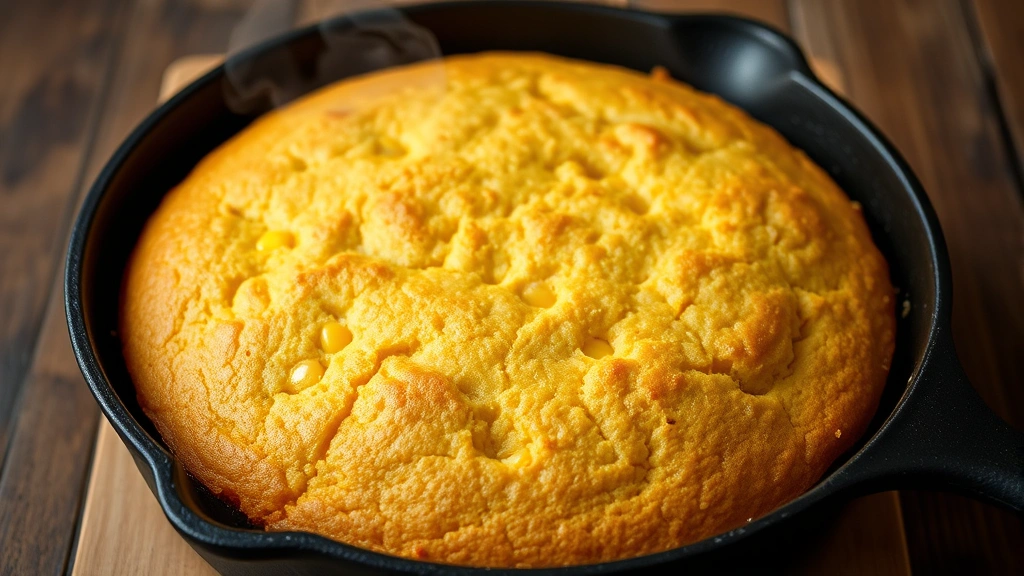
After months of testing, tweaking, and tasting, we’ve developed what might just be the ultimate gluten-free cornbread recipe. This isn’t your typical dense, crumbly substitute—it’s a moist, tender cornbread that rivals traditional wheat-based versions in every way. Whether you’re avoiding gluten by necessity or choice, this recipe delivers the golden crust, fluffy interior, and authentic corn flavor that makes cornbread irresistible.
Our test kitchen put seven different gluten-free flour blends through their paces, experimented with binding agents, and perfected the moisture-to-crumb ratio. The result? A cornbread that’s so good, your gluten-eating friends won’t even realize it’s gluten-free. Let’s dive into what makes this recipe exceptional and how you can recreate it in your own kitchen.
Why Gluten-Free Cornbread Is Tricky
Cornbread without gluten presents unique challenges that don’t exist in traditional recipes. Gluten provides structure, elasticity, and moisture retention—three things cornbread desperately needs. Without it, you’re left fighting against dryness, crumbling, and a gritty texture that feels more like sand than bread.
The cornmeal itself adds grittiness and dryness compared to wheat flour. Most gluten-free flours absorb moisture differently than all-purpose flour, which means standard recipe conversions fail miserably. Many home bakers report cornbread that’s either dense as a brick or so dry it tastes like cardboard. This is why developing a properly balanced gluten-free cornbread requires understanding ingredient chemistry.
Additionally, cornbread’s signature tender crumb comes from fat content and proper mixing technique. Too much gluten-free flour, and you lose that tender quality. Too little binding agent, and the cornbread crumbles apart. It’s a delicate balance that our test kitchen spent weeks perfecting.
Our Test Kitchen Methodology
We approached this scientifically. Our team tested each variable independently: flour blends, binding agents, fat ratios, liquid amounts, and leavening combinations. We baked over 40 batches to isolate which factors created the best texture.
Flour blend testing: We evaluated Bob’s Red Mill 1-to-1, King Arthur Baking Company, Serious Eats’ custom blend, and three others. We discovered that blends containing rice flour, tapioca starch, and potato starch performed best—the combination mimics wheat flour’s structure while the starches add moisture retention.
Binding agent experiments: We tested xanthan gum, psyllium husk, ground flax, and combination approaches. The winner? A precise xanthan gum measurement that provides structure without the gummy texture some batches developed.
Fat and moisture ratios: Cornbread is typically fat-rich. We tested various combinations of butter, oil, and eggs to determine the optimal ratio for moisture without greasiness. Our final recipe uses both butter and oil for superior texture and keeping qualities.
This methodical approach ensures every element serves a purpose. When you follow our recipe, you’re benefiting from dozens of failed batches that taught us what doesn’t work.
The Winning Recipe
Ingredients:
- 1 cup cornmeal (polenta, not instant)
- 1 cup high-quality gluten-free flour blend (with xanthan gum already included)
- 1/4 cup granulated sugar
- 2 tablespoons baking powder
- 1 teaspoon fine sea salt
- 1/2 teaspoon xanthan gum (if your flour blend doesn’t contain it)
- 4 large eggs
- 1 cup whole milk (or non-dairy alternative)
- 1/4 cup melted butter
- 2 tablespoons neutral oil
- 2 tablespoons honey
- 1/2 cup fresh or frozen corn kernels (optional but recommended)
Equipment needed: A 9-inch cast iron skillet or 9×9-inch baking pan, mixing bowls, whisk, measuring cups and spoons, and an oven preheated to 400°F.
Step-by-Step Instructions
Preparation (5 minutes): Preheat your oven to 400°F. Place your cast iron skillet or baking pan in the oven with 1 tablespoon of butter inside. This preheating step is crucial—it creates the golden, crispy exterior that defines great cornbread.
Dry ingredients (3 minutes): In a large mixing bowl, whisk together cornmeal, gluten-free flour blend, sugar, baking powder, salt, and xanthan gum if needed. Whisking these together ensures even distribution of leavening agents, which prevents dense pockets in the final product. Make sure no lumps remain in the mixture.
Wet ingredients (2 minutes): In another bowl, whisk eggs until slightly frothy. Add milk, melted butter, oil, and honey. Whisk until fully combined and emulsified. The honey adds subtle sweetness and helps retain moisture—don’t skip it.
Combination (1 minute): Create a well in your dry ingredients. Pour wet ingredients into the well. Using a spatula or wooden spoon, gently fold ingredients together until just combined. This is critical: overmixing develops gluten-free flour’s tendency toward toughness. A few small lumps are perfectly fine and preferable to overdeveloped batter.
Add-ins: If using corn kernels, fold them in gently at the end. Fresh corn is superior to frozen, but frozen works well if thawed and drained.
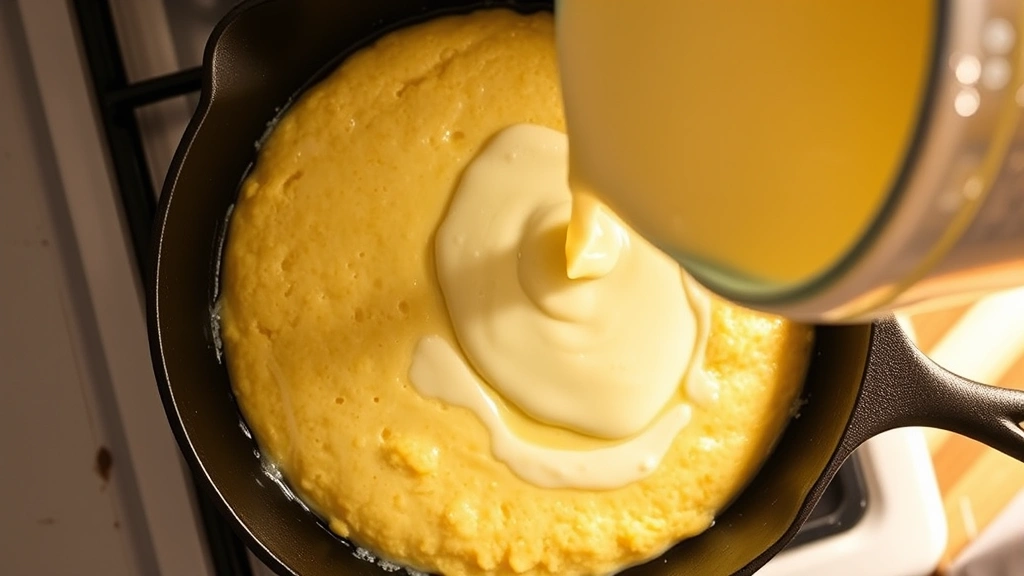
Baking (25-30 minutes): Carefully remove your preheated skillet from the oven. The remaining butter should be melted and hot. Pour batter into the hot pan—you should hear a satisfying sizzle. This creates the crispy, golden crust that makes cornbread special.
Bake for 25-30 minutes until a toothpick inserted in the center comes out clean or with just a few moist crumbs. The top should be golden brown, and the cornbread should spring back when lightly touched.
Cooling: Let the cornbread rest in the pan for 10 minutes before turning out onto a cooling rack. This waiting period allows the crumb structure to set, preventing crumbling when you remove it from the pan.
Baking Tips for Perfect Results
Temperature matters: Oven temperature is non-negotiable. If your oven runs cool, invest in an reliable oven thermometer. Even 25 degrees makes a difference in gluten-free baking. A properly heated oven creates the Maillard reaction that gives cornbread its signature flavor.
Don’t skip the cast iron: While a regular baking pan works, cast iron distributes heat more evenly and creates superior crust development. If you don’t own cast iron, consider this your sign to invest in one. Cast iron lasts generations and improves with age.
Room temperature ingredients: Cold ingredients don’t incorporate as smoothly, and temperature differences can affect gluten-free batter’s delicate balance. Remove eggs and milk from the refrigerator 30 minutes before baking.
Measure flour correctly: Spoon flour into your measuring cup and level with a knife—don’t scoop directly from the bag. Scooping compacts flour and gives you more than needed, resulting in dry cornbread. A kitchen scale is even better for precision.
Don’t overbake: Gluten-free cornbread dries out faster than wheat-based versions. It’s better to slightly underbake (with moist crumbs at the toothpick test) than overbake. It will continue cooking slightly as it cools.
Humidity considerations: On humid days, reduce milk by 1-2 tablespoons. On dry days, add an extra tablespoon. Gluten-free baking is more sensitive to environmental moisture than traditional baking.
Flavor Variations and Add-Ins
This base recipe is incredibly versatile. Here are our favorite variations:
Jalapeño and cheddar: Add 1/2 cup diced jalapeños and 1/2 cup sharp cheddar cheese to the dry ingredients. Perfect alongside carnivore recipes and grilled meats.
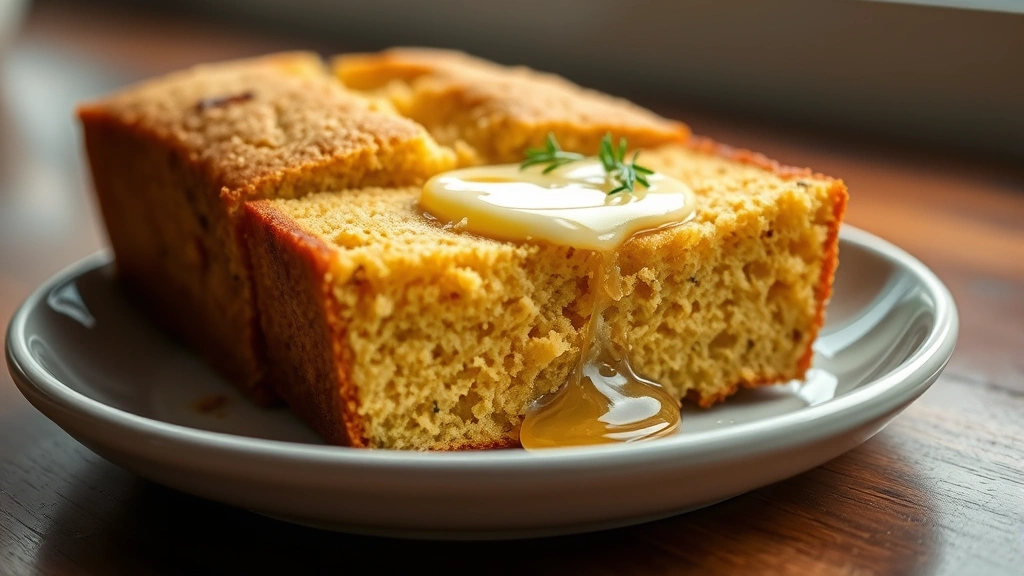
Honey butter: Before serving, brush warm cornbread with compound butter made from softened butter, honey, and fresh thyme. This elevates the cornbread from side dish to showstopper.
Blueberry cornbread: Fold in 1 cup fresh blueberries at the end. The tartness balances the sweetness beautifully. Toss berries lightly in gluten-free flour to prevent sinking.
Herb-forward version: Add 2 tablespoons fresh chopped sage or rosemary, plus 1 teaspoon garlic powder. This pairs wonderfully with soups and stews.
Bacon and scallion: Crisp 4 slices of bacon, crumble it, and add with 3 chopped scallions. This transforms cornbread into a savory side dish that pairs perfectly with mac and cheese.
Creamed corn version: Replace 1/2 cup of milk with creamed corn for richer flavor and enhanced moisture. This version feels luxurious and pairs beautifully with braised dishes.
All variations maintain the same baking time and temperature—simply fold add-ins into the batter before pouring into your skillet.
Storage and Make-Ahead Options
Room temperature storage: Keep cornbread wrapped in a clean kitchen towel at room temperature for up to 2 days. The towel maintains humidity while allowing slight air circulation. Never store in airtight containers on the counter, as this promotes mold growth.
Refrigerator storage: Store in an airtight container for up to 5 days. Before serving, warm gently in a 300°F oven for 5-8 minutes to restore texture. Microwaving works but can make gluten-free cornbread tough.
Freezing: Wrap individual pieces in plastic wrap, then place in a freezer-safe container. Cornbread freezes beautifully for up to 3 months. Thaw at room temperature for 2-3 hours, then warm in a 300°F oven.
Make-ahead tip: Prepare your dry ingredients the night before in a sealed container. Mix wet ingredients in the morning, combine, and bake. This saves 10 minutes on baking day.
Leftover transformation: Stale cornbread becomes excellent cornbread crumbles for salads or crutons. Cube, toss with oil and herbs, and bake at 375°F for 15 minutes until crispy.
FAQ
Can I use regular all-purpose flour in this recipe?
You can, but results won’t be identical. All-purpose flour contains gluten, which creates a different crumb structure. If you want traditional cornbread, use wheat flour. For gluten-free recipes that work reliably, stick with quality gluten-free blends tested in our kitchen.
Why does my cornbread sink in the middle?
This typically indicates insufficient baking powder or overmixing, which causes excessive air incorporation. Ensure your baking powder is fresh (replace yearly) and mix until just combined. Also verify oven temperature with a thermometer.
Can I make cornbread muffins instead?
Absolutely. Use a greased muffin tin and reduce baking time to 18-22 minutes. Muffins are perfect for meal prep and portion control.
Is there a dairy-free version?
Yes. Replace milk with unsweetened almond or oat milk (oat milk works better for richness). Replace butter with dairy-free butter or coconut oil. The texture will be slightly different but still excellent.
What’s the difference between cornmeal and polenta?
Polenta is coarser cornmeal, typically stone-ground. Regular cornmeal works, but polenta creates superior texture with more pronounced corn flavor. Don’t use instant polenta—it’s too finely ground.
Can I reduce the sugar?
You can reduce it to 3 tablespoons if you prefer less sweetness, though cornbread is traditionally sweet. Don’t eliminate it entirely, as sugar contributes to browning and texture.
Why is my cornbread gummy?
This usually means too much xanthan gum or underbaking. Verify you’re not exceeding the specified xanthan gum amount, and ensure cornbread is fully baked with a clean toothpick test.
How do I know when cornbread is done?
Insert a toothpick in the center. It should come out clean or with just a few moist crumbs—not wet batter. The top should be golden brown, and the cornbread should feel springy when lightly pressed.
Can I make this recipe vegan?
Replace eggs with aquafaba (1/4 cup per egg) or commercial egg replacer. Use plant-based milk and vegan butter. Results will be slightly different but still delicious.
What’s the best gluten-free flour blend to use?
Our test kitchen’s top choice is King Arthur Baking Company’s Gluten-Free Measure for Measure flour. It has xanthan gum included and performed consistently across all our tests. King Arthur’s website offers detailed information about their blends and baking science.
How does this compare to cornbread made with wheat flour?
When prepared correctly, gluten-free cornbread is virtually indistinguishable from wheat-based versions. The crumb might be slightly more tender, and the flavor slightly more corn-forward, but most tasters prefer it to traditional cornbread.
Can I add honey instead of using sugar?
You can replace half the sugar with honey (2 tablespoons honey plus 2 tablespoons sugar), but don’t use honey exclusively. Honey changes the moisture balance and browning characteristics. Our recipe already includes honey for optimal results.


