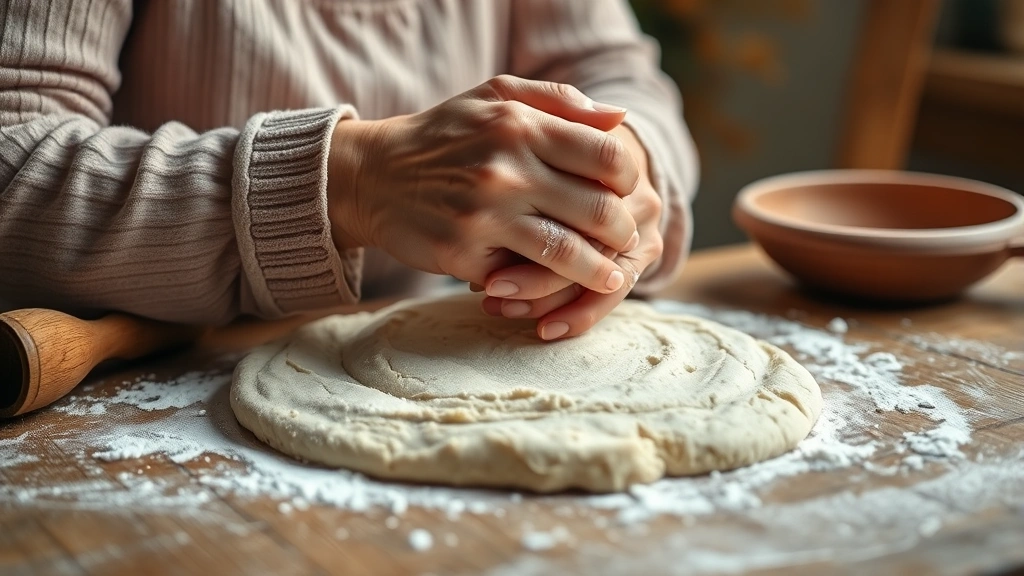
Budget-Friendly Meals? Grandma’s Timeless Tips for Eating Well on Less
There’s a reason our grandmothers could feed entire families on shoestring budgets while making every meal taste like a celebration. They understood something modern home cooks often forget: resourcefulness and smart planning beat expensive ingredients every single time. Grandma’s cheap recipes weren’t born from deprivation—they came from decades of kitchen wisdom, passed down through generations, refined by necessity, and perfected by love.
In today’s economy, where grocery prices seem to climb every week, returning to grandmother’s time-tested strategies isn’t just nostalgic—it’s practical. These aren’t complicated techniques requiring special equipment or obscure ingredients. Instead, they’re straightforward principles that transform humble pantry staples into meals your family will actually ask for seconds on. Whether you’re stretching a tight budget, reducing food waste, or simply rediscovering the joy of cooking from scratch, grandma’s approach offers proven solutions that work.
Master the Art of Buying Smart
Grandma understood that how you shop determines your success with budget-friendly meals far more than what you cook. She didn’t have loyalty to brands or fancy packaging—she had loyalty to value. The first rule of her shopping philosophy was simple: never buy ingredients based on convenience; buy them based on cost per serving.
Walk the perimeter of your grocery store, just like grandmother did. The outer edges contain whole foods: vegetables, fruits, eggs, dairy, and meat. The center aisles, filled with processed foods and prepared meals, are where budgets go to disappear. A rotisserie chicken might seem quick, but buying a whole raw chicken costs half as much and provides more usable meat, bones for broth, and skin for rendering fat.
Grandma also knew that bulk bins were her best friends. Dried beans, lentils, rice, grains, and nuts purchased from bulk sections cost a fraction of their packaged equivalents. A pound of dried beans costs roughly one dollar and yields six to eight servings. Compare that to canned beans at three times the price, and you understand why she’d soak and cook her own. This isn’t about being frugal to the point of obsession—it’s about making informed choices that naturally reduce costs.
Shop with a list, but stay flexible. Grandma never rigidly stuck to predetermined meals if better deals appeared. If chicken thighs were on sale, that week became chicken week. If root vegetables were cheaper than summer produce, she’d pivot her meal plans accordingly. This flexibility, combined with knowledge of basic cooking techniques, allowed her to adapt to whatever the market offered.
Transform Tough Cuts into Tender Treasures
The cuts of meat that intimidate modern cooks—beef chuck, pork shoulder, chicken thighs, lamb neck—are exactly what grandma sought out. These tougher, fattier cuts cost one-third to one-half the price of premium cuts, yet they’re actually superior for home cooking when treated correctly.
Tough cuts contain abundant collagen, which converts to gelatin through slow, moist cooking. This transformation creates silky, luxurious textures and deep, complex flavors that expensive lean cuts simply cannot match. When you use a pressure cooker or slow braise, a five-dollar chuck roast becomes more delicious than a thirty-dollar ribeye.
Grandma’s braising method was almost ritualistic in its simplicity. She’d sear the meat in a hot pot to develop a flavorful crust, remove it, sauté aromatics (onions, carrots, celery—the holy trinity), add liquid (water, broth, wine, tomato juice), return the meat, cover, and let time do the work. Low heat for hours transforms the toughest cuts into fork-tender submissions. The resulting braising liquid becomes sauce, needing nothing more than a simple thickening if desired.
Chicken thighs deserve special mention because they’re criminally undervalued. Dark meat has more fat than white meat, which means more flavor and more forgiveness in cooking. They cost half what breasts do, yet most home cooks ignore them in favor of chicken breast recipes. Grandma knew better. Thighs are perfect for curries, stews, braises, and roasting.
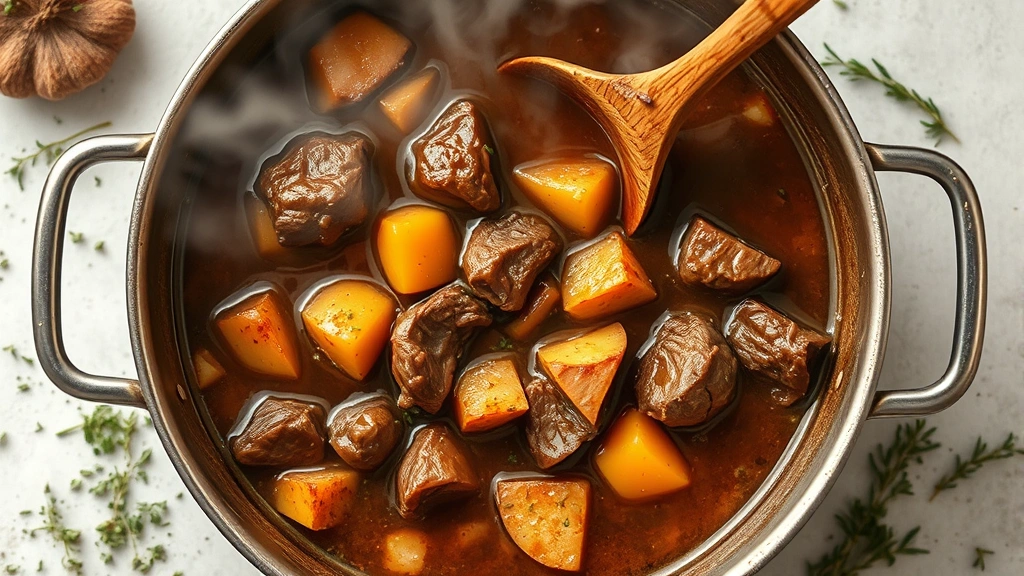
Build Your Budget-Friendly Pantry
Before grandma ever started cooking a meal, her pantry was already stocked with the building blocks of inexpensive, delicious food. This wasn’t a pantry of specialty items or trendy ingredients. Instead, it contained the fundamentals that enabled her to cook anything from memory, without running to the store.
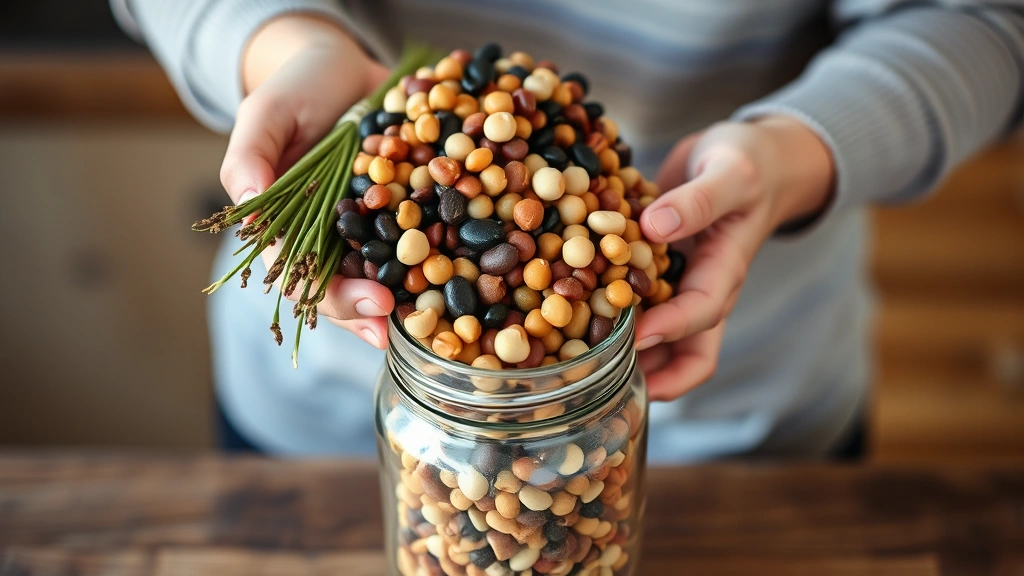
Dried goods formed the foundation: multiple types of dried beans (black, pinto, chickpeas), lentils (brown and red), rice varieties (long-grain white for everyday, brown for nutrition), pasta, oats, and flour. These items cost pennies per serving and store for months. A single pound of dried chickpeas costs less than two dollars and yields eight servings of hummus, curry, or salad.
Aromatics and seasonings were non-negotiable: onions, garlic, and salt. Grandma bought onions and garlic in bulk and stored them in cool, dark places. A five-pound bag of onions costs about three dollars. She’d use them in nearly every savory dish—soups, stews, stir-fries, braises. Garlic, similarly, went into almost everything. These two ingredients, combined with proper technique, create flavor that expensive specialty items cannot replicate.
Fats and oils enabled cooking: vegetable oil for everyday use, butter when budget allowed, and rendered animal fats saved from cooking meat. Fat carries flavor and creates satisfaction in meals. Grandma never discarded bacon grease, chicken fat, or beef drippings. These liquids became the foundation for homemade sauces and gravies.
Vinegars and acids brightened dishes: white vinegar, apple cider vinegar, and whatever acids were available. A splash of vinegar at the end of cooking wakes up flavors and reduces the need for salt. This technique is fundamental to making simple ingredients taste vibrant.
Spices, though purchased gradually, were essential: black pepper, paprika, dried oregano, thyme, bay leaves, and chili powder. Rather than buying expensive spice sets, grandma built her collection slowly, buying small quantities from bulk sections. A dollar’s worth of dried oregano lasts a year for most households.
Stretch Proteins Three Ways
Grandma’s genius lay in understanding that protein didn’t need to dominate every plate. In fact, the most economical approach uses protein strategically—as a flavoring and nutrient component rather than the main event.
The first stretching technique: extend with starches and vegetables. A pound of ground meat, combined with three pounds of vegetables and two cups of cooked beans, creates eight to ten servings of chili, soup, or stew. The protein is present, but so are fiber, vitamins, and minerals from the vegetables and legumes. This approach costs one-third what an all-meat dish would cost while being nutritionally superior.
The second technique: build broths and stocks. Every bone, vegetable scrap, and chicken carcass went into grandma’s stockpot. She’d simmer these for hours, creating liquid gold—broth rich in collagen, minerals, and umami. This broth became the base for soups, grains, and sauces. A homemade broth costs pennies per cup; store-bought costs dollars. When you use broth instead of water to cook rice or beans, you’re adding flavor and nutrition at minimal cost.
The third technique: employ offal and organ meats. Liver, heart, tongue, and other organ meats are exceptionally nutritious and cost a fraction of muscle meat. Grandma’s generation ate these regularly. Chicken liver pâté, beef heart stew, and braised tongue were considered delicacies. Modern cooks can source these from butchers, often for under two dollars per pound. They’re nutrient-dense, flavorful when cooked properly, and deeply economical.
Waste Nothing Strategy
The concept of food waste would have baffled grandma. Every part of every ingredient was considered valuable. Vegetable scraps became broth. Stale bread became breadcrumbs, croutons, or panzanella salad. Bones became stock. Whey from yogurt-making watered plants or went into bread dough. This mindset fundamentally changes how you approach cooking and shopping.
Vegetable scraps deserve a dedicated container in your freezer. Every onion skin, carrot top, celery leaf, and potato peel goes into a freezer bag. When full, combine with water and simmer for two hours. The resulting broth costs nothing and adds depth to soups and grains. This single habit can save a family fifty to one hundred dollars per year on broth alone.
Stale bread is not garbage; it’s opportunity. Dry bread becomes breadcrumbs for coating, extending ground meat in meatballs, thickening soups, or topping casseroles. Cubed and toasted, it becomes croutons. Soaked in custard, it becomes bread pudding. Combined with tomato and herbs, it becomes panzanella. Grandma’s kitchen never saw stale bread as a loss; she saw it as transformation.
Bones and carcasses are liquid assets. Every chicken frame, beef bone, and lamb bone went into the pot. Roasted first to develop flavor, then simmered with aromatics and vegetables, bones yield broth that becomes the foundation of countless dishes. The collagen-rich liquid supports joint health, gut health, and overall nutrition—benefits modern medicine is only recently validating.
Vegetable trimmings deserve consideration. Broccoli stems, peeled, are tender and sweet. Cauliflower cores are mild and pleasant. Carrot tops become pesto. Beet greens become salad. Kale stems are pickled or braised. Grandma knew that the parts we discard often contain flavor and nutrition equivalent to the parts we keep.
Seasonal Eating for Maximum Savings
Before refrigeration and global supply chains, eating seasonally wasn’t a choice—it was reality. Grandma’s cooking changed with the seasons, and her budget reflected this natural rhythm. When tomatoes flooded the market in August, she preserved them. When root vegetables were cheap in fall, she stored them. This approach still offers the most significant savings available to home cooks.
Seasonal produce costs one-quarter to one-half what out-of-season produce costs. A tomato in January, shipped from across the world, costs four times what a local tomato costs in July. The flavor difference is equally dramatic. Grandma bought produce at peak season, at peak flavor, and at peak affordability. She then preserved it through canning, freezing, or drying to extend the season.
Building a root cellar or cool storage space, if possible, extends the natural season. Potatoes, onions, squash, carrots, and apples store for months in cool conditions. Grandma would buy fifty pounds of potatoes in fall for fifty cents per pound, store them, and eat them all winter for a fraction of what grocery store prices would have been.
Understanding what grows in each season in your region is foundational. Spring brings greens and asparagus. Summer brings tomatoes, stone fruits, and berries. Fall brings squash, root vegetables, and apples. Winter brings citrus, hearty greens, and stored vegetables. Building meals around what’s seasonal is the single most effective way to reduce food costs while maximizing nutrition and flavor.
One-Pot Wonders Your Grandma Made
Grandma’s most economical and practical meals were one-pot wonders—dishes that combined protein, vegetables, and starch in a single pot, minimizing cleanup while maximizing flavor and nutrition. These dishes are the foundation of budget-friendly eating.
Bean soups and stews are the ultimate budget meal. Dried beans, water or broth, onions, carrots, celery, and whatever protein is available combine into a pot and simmer until everything is tender. Eight servings cost under three dollars. Add a ham bone, and the broth becomes deeply savory. The fiber content keeps you satisfied for hours, reducing the need for snacks.
Rice and bean dishes from cultures worldwide—from Spanish rice and beans to Indian dal to Mexican refried beans—provide complete proteins at minimal cost. A cup of cooked rice costs fifteen cents. A cup of cooked beans costs twenty cents. Combined with spices and vegetables, this becomes a meal that costs under one dollar per serving.
Slow cooker braises exemplify grandma’s approach. Brown meat, sauté vegetables, add liquid, set on low, and return eight hours later to a perfect meal. These dishes actually improve as they sit, developing more complex flavors. A chuck roast braise that costs four dollars in ingredients feeds a family of four with leftovers.
Egg-based meals deserve emphasis. Eggs are one of the least expensive proteins available—currently around twenty cents each. Fried rice, frittatas, shakshuka, and simple egg drop soup transform eggs and leftover vegetables into satisfying meals. Grandma’s fried rice used yesterday’s rice, day-old vegetables, eggs, and soy sauce. Cost per serving: under fifty cents.
Consider exploring street tacos recipes that use inexpensive cuts of meat and simple preparation methods. Or investigate korean fried chicken recipe techniques that maximize flavor from affordable chicken thighs. These approaches honor grandma’s principle of creating restaurant-quality meals from humble ingredients.
FAQ
What’s the most important principle for cooking grandma’s cheap recipes?
Understanding that flavor comes from technique, time, and thoughtful ingredient combinations—not from expensive ingredients. Proper browning, long slow cooking, building stocks, and layering seasonings create delicious food regardless of ingredient cost. A one-dollar chuck roast, properly braised, tastes better than expensive steak cooked carelessly.
How can I start building a budget-friendly pantry?
Begin with dried beans, rice, pasta, flour, and oats from bulk sections. Add onions, garlic, and salt. Include basic spices: black pepper, paprika, oregano, and chili powder. Build slowly, purchasing items as you use them, rather than buying everything at once. This approach prevents waste and spreads costs over time.
Is it really cheaper to cook from scratch than buying prepared foods?
Yes, consistently. A homemade soup costs one-third what canned soup costs and contains better ingredients. Homemade bread costs one-quarter what bakery bread costs. Homemade sauce costs one-fifth what jarred sauce costs. Over a year, scratch cooking saves families hundreds to thousands of dollars while improving nutrition.
What cuts of meat does grandma recommend for budget cooking?
Chuck roast, brisket, pork shoulder, chicken thighs, beef shank, lamb neck, and organ meats like liver and heart. These inexpensive cuts actually taste better when cooked with slow, moist methods. Avoid lean cuts; fat carries flavor and creates satisfaction.
How do I preserve seasonal produce like grandma did?
Freezing is simplest: blanch vegetables, cool, and freeze in portions. Canning preserves tomatoes, pickles, and jams through heat processing. Drying works for herbs, mushrooms, and chiles. Root cellaring stores potatoes, squash, apples, and root vegetables in cool conditions. Start with freezing—it requires minimal equipment and knowledge.
Can these budget techniques work for families with dietary restrictions?
Absolutely. Grandma’s principles apply regardless of diet type. For vegetarian eating, emphasize beans, lentils, eggs, and dairy. For gluten-free, use rice, corn, and certified gluten-free oats. For paleo, focus on meat, eggs, vegetables, and healthy fats. The core principle—thoughtful shopping, smart cooking, and waste reduction—works universally.


