Authentic Greek Salad? Chef’s Secret Recipe!
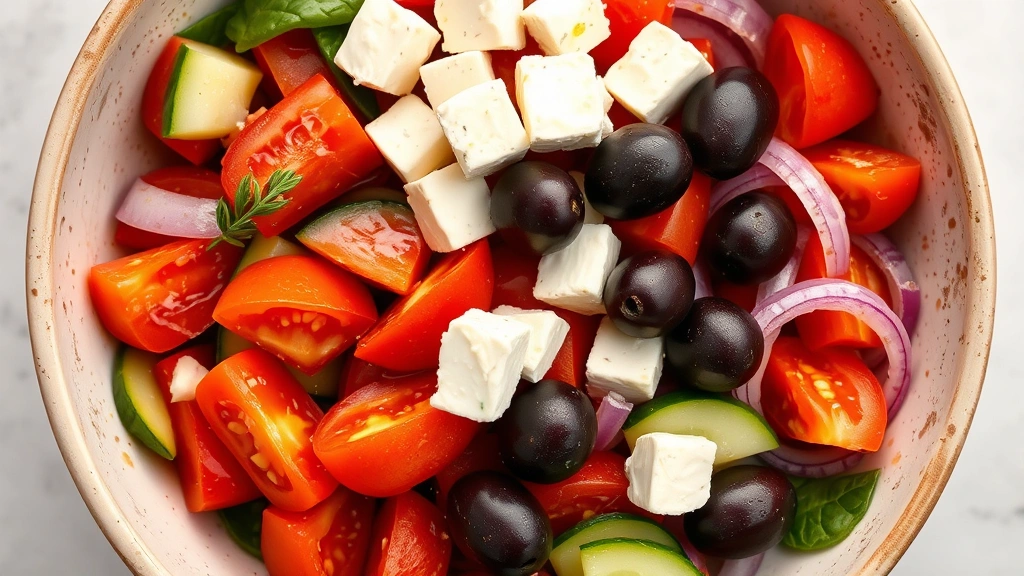
Greek salad, or horiatiki as locals call it, represents the soul of Mediterranean cuisine. This isn’t just a side dish—it’s a celebration of simple, high-quality ingredients combined with precision and tradition. What separates an authentic Greek salad from the mass-produced versions you find in supermarkets is understanding the philosophy behind each component and how they work together in perfect harmony.
For decades, chefs have guarded their secrets about creating the perfect Greek salad. The truth isn’t complicated, but it requires attention to detail and respect for ingredient quality. From selecting the right tomatoes to understanding the proper emulsification of olive oil and vinegar, every step matters. This guide reveals the professional techniques that transform ordinary ingredients into an extraordinary dish.
The Foundation: Selecting Premium Ingredients
The magic of authentic Greek salad begins at the market. Professional chefs never compromise on ingredient quality because the recipe contains so few components—there’s nowhere to hide inferior products. Each element must be exceptional.
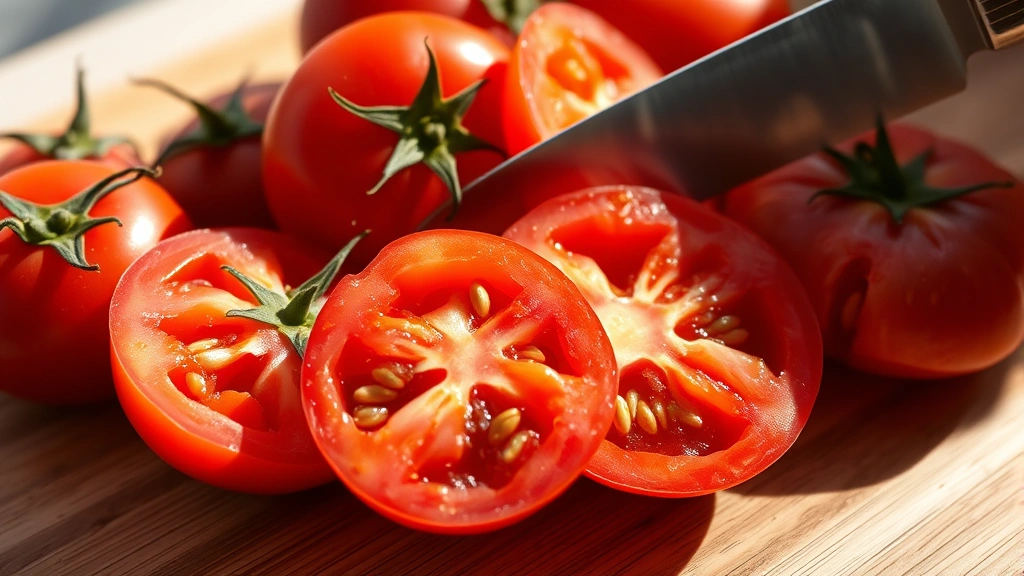
Tomatoes are the foundation of this dish. You need vine-ripened, heirloom varieties that provide natural sweetness and acidity. Avoid supermarket tomatoes picked prematurely; they lack the complex flavor profile necessary for authenticity. Look for tomatoes that feel slightly soft when gently squeezed and display deep color from stem to bottom.
Cucumbers should be crisp and fresh, preferably Mediterranean varieties or Persian cucumbers. These varieties contain fewer seeds and offer better texture than standard slicing cucumbers. The skin should be firm without soft spots.
Red onions provide sharp bite and visual appeal. Choose firm bulbs with papery skin. The red variety is essential—yellow or white onions lack the subtle sweetness and color that define this dish.
Kalamata olives are non-negotiable. These deep purple olives from Greece offer distinctive briny flavor and meaty texture. Avoid pitted versions; whole olives with pits maintain better integrity and flavor. Store-bought pitted olives often taste bland and mushy.
For authentic results, source ingredients from culinary supply specialists who import directly from Greece. The quality difference justifies the investment.
Tomato Selection and Preparation
This is where many home cooks fail. Tomato preparation determines whether your salad tastes fresh and vibrant or watery and diluted.
Selecting the right variety: Roma tomatoes work in a pinch, but heirloom varieties like Brandywine, Cherokee Purple, or San Marzano deliver superior flavor. These tomatoes contain fewer seeds and less water content than modern hybrids. In Greece, cooks use local varieties that develop intense sweetness under Mediterranean sun.
Removing excess moisture: This is the chef’s secret that transforms your salad. After cutting tomatoes into quarters or chunks, place them in a colander lined with cheesecloth. Sprinkle lightly with sea salt and let them drain for 30 minutes. This process removes excess liquid without depleting flavor. The salt draws out water while enhancing the natural sugars.
Cutting technique: Use a sharp serrated knife to cut tomatoes into quarters. Avoid crushing or squeezing them. The goal is clean cuts that preserve juice within the tomato flesh rather than releasing it onto your cutting board.
Temperature matters: Never refrigerate tomatoes before serving. Cold temperatures mute flavor compounds. Let tomatoes sit at room temperature for at least two hours before preparation. This allows flavor volatiles to develop fully.
Professional chefs understand that tomato flavor depends on enzyme activity that’s suppressed by cold. Room temperature storage maintains the complex taste profile that makes authentic Greek salad memorable.
The Critical Role of Feta Cheese
Feta cheese isn’t just an ingredient—it’s the textural and flavor anchor that defines this dish. The difference between authentic Greek feta and mass-produced versions is dramatic.
Authentic feta characteristics: True Greek feta, protected by EU designation of origin laws, comes from sheep’s milk or sheep’s milk with up to 30% goat’s milk. It features a creamy interior, slightly crumbly texture, and complex tangy flavor. The cheese should taste alive, with subtle salty notes and slight sweetness underneath.
Why imported matters: Greek feta undergoes specific aging and brining processes that develop its distinctive character. Domestic feta, while sometimes acceptable, often lacks the depth and complexity of imported varieties. Look for packaging labeled “Feta Cheese from Greece” with the Protected Designation of Origin (PDO) seal.
Preparation technique: Cut feta into half-inch cubes rather than crumbling it. Cubes maintain structural integrity throughout the salad, providing pleasant textural contrast with soft tomatoes and crisp cucumbers. Crumbled feta dissolves into the dressing and becomes mushy.
Timing of addition: Add feta cheese just before serving. If left to sit in the dressing, the cheese absorbs liquid and becomes soggy. Professional plating involves placing feta cubes on top of the salad at the final moment.
When selecting feta, taste before purchasing if possible. Quality varies significantly between brands. A good feta should taste tangy and slightly salty, never harsh or overly acidic.
Olive Oil and Vinegar Balance
The dressing is where technique separates amateur from professional. This isn’t simply oil and vinegar mixed together—it requires understanding emulsification and flavor balance.
Olive oil selection: Use extra virgin olive oil from Greece. The first cold pressing provides superior flavor and nutritional benefits. Look for oils labeled “early harvest” or “first pressing.” These oils taste peppery and complex, with grassy or fruity notes depending on the olive variety.
Vinegar choice: Red wine vinegar is traditional, but high-quality Greek vinegars offer authentic character. The acidity should balance the oil without overwhelming delicate vegetable flavors. Professional chefs often use a 3:1 oil-to-vinegar ratio, though this varies based on vinegar strength.
Emulsification technique: Combine vinegar with a small pinch of sea salt and finely minced garlic in a bowl. Whisk vigorously for 10 seconds. Slowly drizzle extra virgin olive oil while continuing to whisk. The salt acts as an emulsifier, helping oil and vinegar combine into a cohesive dressing rather than separating into layers.
Seasoning: Beyond salt, add freshly ground black pepper and dried oregano. Greek oregano, with its robust flavor, is preferable to Mediterranean blends. The oregano should be rubbed between your palms before adding to release essential oils and intensify flavor.
Dressing timing: Add dressing only moments before serving. If salad sits in dressing, vegetables release water that dilutes flavors and creates an unpleasant watery consistency. Professional plating involves tossing the salad with dressing tableside or adding it immediately before presentation.
Step-by-Step Preparation Method
Now that you understand the principles, here’s the exact method professional chefs follow:
Mise en place (preparation):
- Gather all ingredients and arrange them on your workspace
- Cut tomatoes into quarters and place in colander with cheesecloth
- Sprinkle tomatoes with sea salt and let drain 30 minutes
- Cut cucumbers into half-moon slices or quarters
- Slice red onion thinly and soak in ice water for 15 minutes to reduce sharpness
- Cut feta into half-inch cubes and set aside
- Pit kalamata olives if using whole olives
Dressing preparation:
- Pour 2 tablespoons red wine vinegar into a small bowl
- Add 1/4 teaspoon sea salt and 1 minced garlic clove
- Whisk vigorously for 10 seconds
- Slowly drizzle 6 tablespoons extra virgin olive oil while whisking constantly
- Add 1/2 teaspoon dried oregano rubbed between palms
- Add freshly ground black pepper to taste
- Whisk one final time and taste for balance
Assembly:
- Place drained tomatoes in a large bowl
- Add drained cucumber slices
- Add drained red onion
- Add kalamata olives
- Toss gently to combine
- Pour dressing over vegetables and toss again gently
- Taste and adjust seasoning if needed
- Transfer to serving platter
- Top with feta cheese cubes immediately before serving
This method ensures every component maintains optimal texture and flavor. The key is minimal handling and perfect timing of dressing addition.
Common Mistakes to Avoid
Even experienced home cooks make these errors that compromise the final dish:
Using cold tomatoes: Refrigeration suppresses flavor compounds. Always use room-temperature tomatoes. If you must refrigerate, remove them 2-3 hours before serving.
Mixing dressing too early: Adding dressing more than 10 minutes before serving results in a watery, unappetizing salad. The vegetables release liquid that dilutes flavors.
Crumbling feta instead of cubing: Crumbled feta becomes mushy and dissolves into the dressing. Cut into distinct cubes for textural contrast.
Using low-quality feta: Inferior feta tastes harsh and acidic. Authentic Greek feta, though more expensive, is worth the investment for the flavor difference.
Over-salting the dressing: The salt in the dressing combines with salt from feta and olives. Under-season slightly, allowing diners to adjust at table.
Skipping the tomato draining step: This single step prevents your salad from becoming a watery mess. Don’t skip it, regardless of time pressure.
Using iceberg lettuce: Traditional Greek salad contains no lettuce. If you want greens, use crisp romaine or arugula, but this is a modern variation, not authentic preparation.
For more information on traditional Mediterranean cooking techniques, consult culinary technique resources that specialize in regional European cuisine.
Serving and Variations
Understanding how to serve your salad maximizes impact and flavor:
Temperature and timing: Serve Greek salad immediately after assembly. The vegetables should still be crisp, and the dressing should coat them evenly without pooling at the bottom. Use chilled plates if serving on a warm day, but never refrigerate the salad itself.
Portion size: A proper Greek salad serves two as a main course or four as a side dish. The vegetables should be visible and distinct, not buried under excessive dressing. Professional plating means dressing is evident but not swimming in liquid.
Garnish options: While traditional Greek salad doesn’t include garnish, some chefs add a final sprinkle of oregano or a drizzle of extra virgin olive oil at plating. Fresh herbs like parsley or mint are modern additions that don’t compromise authenticity if used sparingly.
Pairing with proteins: Greek salad pairs beautifully with grilled fish, lamb, or chicken. If you’re incorporating protein, consider our healthy food recipes with chicken breast or explore Korean fried chicken recipe for creative protein options that complement Mediterranean flavors.
Modern variations: While purists argue against modifications, some contemporary chefs add grilled vegetables, kalamata tapenade, or anchovies. These variations are acceptable as long as they enhance rather than mask the core ingredients. For those seeking heartier options, beef chuck steak recipes offer substantial alternatives to traditional Greek accompaniments.
Vegetarian and vegan options: Greek salad is naturally vegetarian. For vegan versions, replace feta with firm tofu marinated in olive oil and oregano, though this significantly alters the authentic character.
Seasonal adjustments: In summer when tomatoes peak, use maximum quantities. During winter months when tomatoes are less flavorful, reduce portion sizes and rely more on feta and olives for flavor. Spring variations might include fresh herbs and tender young vegetables.
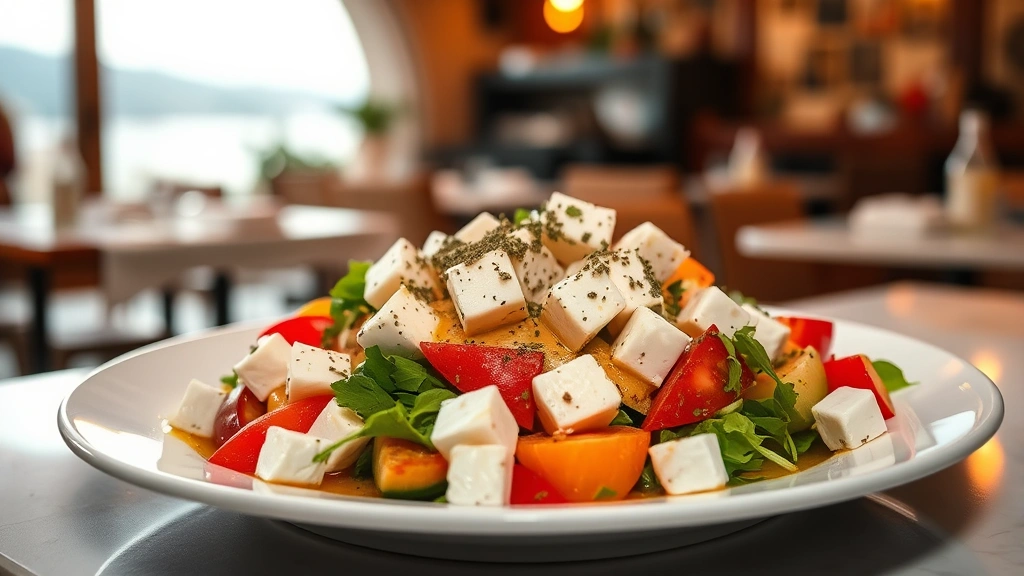
The beauty of authentic Greek salad lies in its simplicity. There’s nowhere to hide inferior ingredients or poor technique. Master this foundational dish, and you’ve learned lessons applicable to all Mediterranean cooking. Each component must be exceptional, timing must be precise, and respect for tradition must guide your decisions.
Once you’ve perfected the classic Greek salad, explore complementary recipes. If you’re planning a complete Mediterranean meal, consider how to make homemade pasta for a fresh pasta course, or discover gluten-free bread recipe options for serving alongside. For dessert, how to make homemade ice cream provides refreshing Mediterranean-inspired sweet finales.
Professional chefs understand that mastering fundamentals opens doors to culinary creativity. Greek salad represents these fundamentals perfectly. Respect the tradition, understand the technique, and your salads will rival those served in tavernas throughout Greece.
FAQ
Can I make Greek salad ahead of time?
Not in the traditional sense. You can prep ingredients hours ahead, but assemble and dress the salad only moments before serving. This maintains vegetable crispness and prevents dilution of flavors.
What’s the difference between Greek salad and other Mediterranean salads?
Greek salad specifically includes tomatoes, cucumbers, red onions, kalamata olives, and feta cheese with olive oil and vinegar dressing. Other Mediterranean salads may include lettuce, different vegetables, or varied proteins. The Greek version is distinctly simple and ingredient-focused.
Is it okay to use cherry tomatoes?
Cherry tomatoes are sweeter but lack the complex flavor of larger heirloom varieties. They can work in a pinch, but they’re not ideal for authentic preparation. Use them only when high-quality large tomatoes are unavailable.
Can I substitute feta with another cheese?
Technically yes, but it won’t be authentic Greek salad. Feta’s tangy, salty character is essential to the dish’s identity. Ricotta, mozzarella, or other cheeses create a different dish entirely.
How long does the dressing last?
The dressing can be prepared up to 2 hours ahead and stored in a sealed container. The emulsification may separate slightly, so shake or whisk briefly before using. For best results, prepare dressing just before serving.
Should I peel the cucumber?
Traditional Greek salad includes cucumber skin. The skin provides texture and contains nutrients. Only peel if the skin is thick or bitter, which indicates an older cucumber.
What if I don’t like olives?
Olives are traditional and contribute essential briny flavor. If you truly dislike them, reduce the quantity rather than eliminating them entirely. Their salty character balances the fresh vegetables and tangy feta.
Can I add lettuce to Greek salad?
Traditional Greek salad contains no lettuce. This is a modern variation common in restaurants but not authentic. If you prefer lettuce, use crisp varieties like romaine, but recognize you’re creating a variation rather than authentic Greek salad.


