Authentic Greek Moussaka: Yia-Yia’s Recipe
There’s something sacred about a family recipe passed down through generations. My yia-yia—my grandmother—guarded her moussaka recipe like a national treasure, only sharing it after decades of asking. This isn’t the Americanized version you might find in casual Greek restaurants. This is the real deal: layers of tender eggplant, rich meat sauce, creamy béchamel, and an aroma that fills your entire home with Mediterranean warmth. When my grandmother finally wrote down her moussaka instructions on a worn piece of paper, she made me promise to cook it the right way—slowly, carefully, with respect for each ingredient.
Moussaka represents the soul of Greek home cooking. It’s a dish that requires patience, precision, and love. Unlike many casseroles that come together quickly, authentic moussaka demands attention at each stage. The eggplant must be properly prepared, the meat sauce needs time to develop deep flavors, and the béchamel must be silky without lumps. This recipe has fed my family through celebrations, holidays, and quiet Sunday dinners for over forty years. Now, I’m sharing my yia-yia’s secrets with you.
What Makes Authentic Moussaka Different
My yia-yia always said that moussaka separates home cooks from restaurant cooks. The difference lies in understanding each component’s role. Many people rush through preparation, but authentic Greek moussaka requires deliberate steps. The eggplant must be salted and sometimes fried to remove excess moisture and develop a tender texture. The meat sauce should simmer for at least an hour, allowing spices like cinnamon and oregano to meld into something greater than their individual parts.
The béchamel is where many home cooks stumble. It’s not simply a thick sauce—it’s a creamy, velvety foundation that holds the entire dish together. When properly made, the béchamel creates a golden crust on top while keeping the interior moist. This is the hallmark of restaurant-quality moussaka. My grandmother taught me to use equal parts butter and flour for the roux, then slowly incorporate warm milk while whisking constantly. Patience here prevents lumps and creates smoothness.
Temperature control throughout cooking is critical. Moussaka isn’t rushed; it’s baked low and slow until the top achieves a beautiful golden brown and the layers have time to meld together. This creates that distinctive texture where each forkful contains all three components in perfect harmony.
Essential Ingredients for Greek Moussaka
For the Eggplant Layer:
- 3 large eggplants (about 2 pounds total)
- 2 teaspoons salt
- Olive oil for frying
For the Meat Sauce:
- 2 pounds ground lamb or beef (or a combination)
- 1 large onion, finely diced
- 4 cloves garlic, minced
- 2 tablespoons tomato paste
- 1 can (28 ounces) crushed tomatoes
- ½ cup red wine
- 2 teaspoons dried oregano
- 1 teaspoon ground cinnamon
- ½ teaspoon ground nutmeg
- Salt and pepper to taste
- 2 tablespoons olive oil
For the Béchamel Sauce:
- 6 tablespoons butter
- 6 tablespoons all-purpose flour
- 4 cups whole milk, warmed
- 3 egg yolks
- ½ cup grated Parmesan cheese
- Salt, white pepper, and nutmeg to taste
Quality ingredients make the difference. Use authentic Greek oregano, real cinnamon, and fresh nutmeg if possible. The lamb is traditional and adds a distinctive flavor that beef alone cannot replicate. When possible, purchase eggplants that are glossy and firm—they’ll have fewer seeds and less bitterness.
Preparing the Eggplant Layer
This step cannot be skipped. Many home cooks try to shortcut eggplant preparation and end up with a watery, bitter moussaka. My yia-yia’s method involves salting the eggplant slices first, which draws out excess moisture through osmosis.
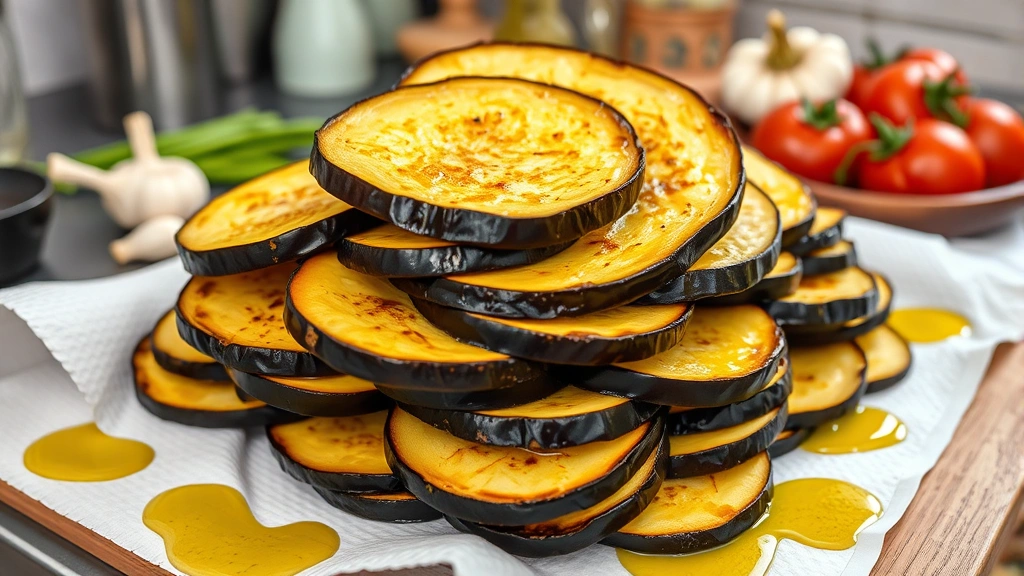
Step 1: Slice and Salt Cut the eggplants lengthwise into ¼-inch thick slices. Lay them on paper towels and sprinkle generously with salt on both sides. Let them sit for 30 minutes. The eggplant will weep—this is exactly what you want. The salt removes bitterness and excess water that would otherwise make your moussaka soggy.
Step 2: Pat Dry After 30 minutes, use fresh paper towels to pat each slice completely dry. This is crucial because wet eggplant won’t fry properly and will absorb excessive oil.
Step 3: Fry the Eggplant Heat olive oil in a large skillet over medium-high heat. Working in batches, fry the eggplant slices until golden brown on both sides, about 3-4 minutes per side. Don’t overcrowd the pan. Lay the fried slices on fresh paper towels to drain excess oil. This frying step develops the eggplant’s flavor and creates a pleasant texture that raw eggplant cannot achieve.
Some cooks prefer to brush eggplant with oil and bake it instead of frying. While this is less traditional, it works if you prefer a lighter version. Bake at 400°F for about 20 minutes until tender and lightly golden.
Creating the Perfect Meat Sauce
The meat sauce is the soul of moussaka. This is where cast iron cooking truly shines—the heavy pan distributes heat evenly and prevents hot spots that can burn the meat.
Step 1: Brown the Meat Heat 2 tablespoons of olive oil in a large, heavy-bottomed pot over medium-high heat. Add the ground meat and cook, breaking it apart with a wooden spoon, until it’s completely browned and no pink remains, about 8-10 minutes. Drain excess fat if necessary, leaving just enough for flavor.
Step 2: Build the Flavor Base Reduce heat to medium and add the diced onion. Cook for 5 minutes until softened and fragrant. Add the minced garlic and cook for another minute. Then stir in the tomato paste, cooking for 2-3 minutes. This step caramelizes the tomato paste slightly, deepening its flavor.
Step 3: Deglaze and Simmer Pour in the red wine, scraping the bottom of the pot to release any browned bits. These bits contain concentrated flavor. Add the crushed tomatoes, oregano, cinnamon, and nutmeg. The cinnamon is essential to authentic moussaka—it adds warmth without being detectable as “cinnamon.” Stir well to combine.
Bring the mixture to a gentle simmer and reduce heat to low. Simmer uncovered for at least 60-90 minutes, stirring occasionally. The sauce should reduce by about one-third and become thick and rich. Taste and adjust seasonings with salt and pepper. The sauce should be flavorful enough to stand on its own—this is not a mild sauce.
My yia-yia always said the longer the meat sauce simmers, the better it becomes. If you have time, simmer it for two hours. The flavors will deepen and marry together beautifully.
Making Creamy Béchamel
Béchamel intimidates many home cooks, but it’s simply a matter of technique and patience. The key is maintaining the right temperature and whisking constantly.
Step 1: Make the Roux Melt 6 tablespoons of butter in a saucepan over medium heat. Once melted and foaming, add 6 tablespoons of all-purpose flour. Whisk continuously for 2-3 minutes. The mixture should be smooth and smell nutty, not raw. This cooking time removes the flour’s raw taste without allowing it to brown.
Step 2: Add the Milk Slowly add the warm milk while whisking constantly. Start with about ½ cup, whisking until smooth, then gradually add the remaining milk. The key is patience—rushing this step creates lumps. Continue whisking over medium heat for 5-7 minutes until the sauce thickens and coats the back of a spoon.
Step 3: Finish with Eggs and Cheese Remove from heat and let cool for 2-3 minutes. In a small bowl, whisk the egg yolks together. Slowly temper the yolks by adding a few tablespoons of the hot béchamel while whisking constantly. Once the yolks are warm, pour the mixture back into the saucepan, whisking constantly. This prevents scrambled eggs and creates a silky sauce. Stir in the Parmesan cheese. Season with salt, white pepper, and a pinch of nutmeg.
The béchamel should be thick but pourable—not lumpy and not too thin. If it becomes too thick as it cools, whisk in a little warm milk to reach the right consistency.
Assembling Your Moussaka
Assembly is straightforward but requires organization. Have all components ready before you begin—eggplant slices, meat sauce, and béchamel.
Step 1: Prepare the Pan Preheat your oven to 350°F. Lightly oil a 9×13-inch baking dish (or similar size). A thin layer of oil prevents sticking.
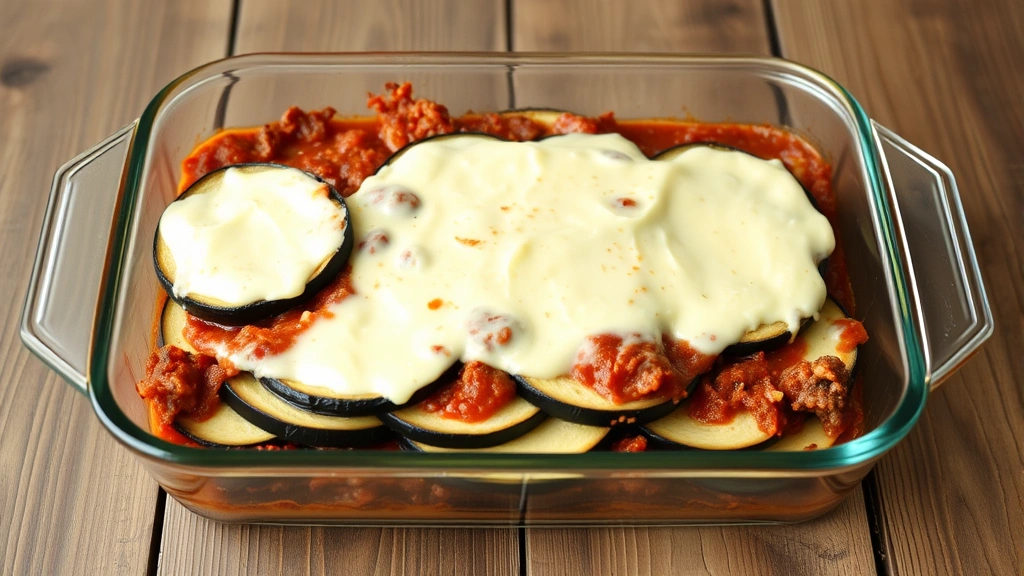
Step 2: First Layer Spread a thin layer of meat sauce on the bottom of the prepared baking dish—about ¼ inch thick. This prevents the eggplant from sticking and adds flavor to the bottom.
Step 3: Eggplant and Meat Sauce Arrange eggplant slices in a single layer, overlapping slightly. Spread half of the remaining meat sauce over the eggplant layer. Add another layer of eggplant slices. Top with the remaining meat sauce.
Step 4: Béchamel Topping Spread the entire béchamel sauce evenly over the top, making sure to cover all the meat sauce. This creates the signature golden crust and prevents the meat sauce from drying out.
The layers should be distinct but integrated. Don’t worry about perfection—moussaka is rustic. What matters is that each forkful will contain all three components.
Baking and Resting
This is where patience becomes your greatest ingredient. Moussaka is not a quick weeknight dinner—it’s a project that demands time.
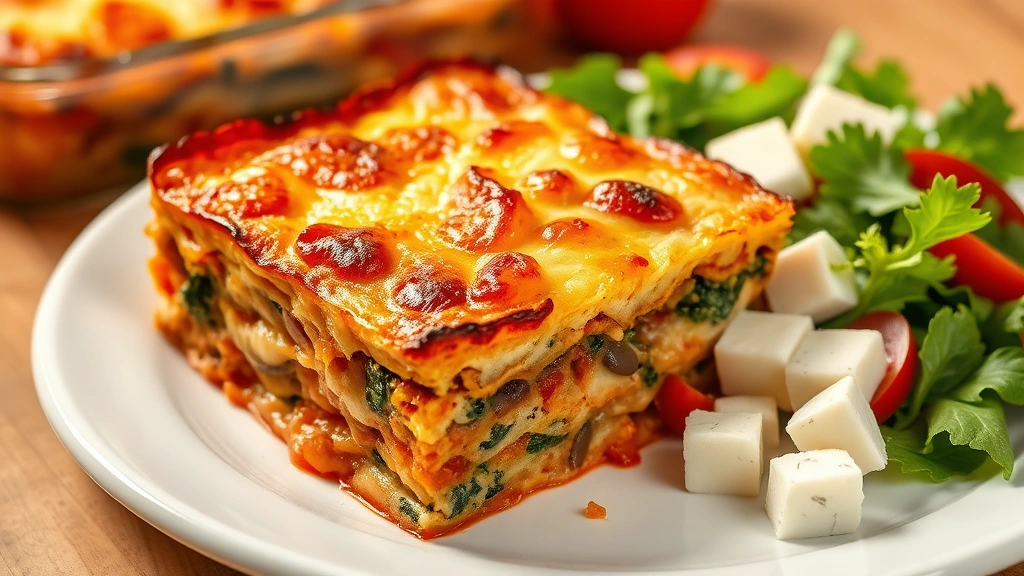
Baking Place the assembled moussaka in the preheated 350°F oven. Bake for 45-60 minutes, until the top is golden brown and the edges are bubbling slightly. If the top browns too quickly before the center is heated through, tent it loosely with foil and continue baking.
The moussaka is done when a knife inserted in the center comes out hot. The béchamel will have set but still be creamy inside, not rubbery.
The Critical Rest Period This is where my yia-yia’s wisdom becomes essential: remove the moussaka from the oven and let it rest for 15-20 minutes before serving. This isn’t optional. The resting period allows the layers to set and makes serving much easier. Without this rest, the moussaka will be soupy and difficult to portion.
During the rest, the internal temperature continues cooking slightly, and the layers solidify. This creates that perfect texture where each layer maintains its integrity while remaining moist.
Serving and Storage
Cut the moussaka into generous squares and serve while still warm. A Greek salad with crusty bread makes an excellent accompaniment. The acidity of the salad balances the richness of the moussaka beautifully.
My family often serves moussaka with Greek yogurt on the side, though this is more modern than traditional. The cool creaminess provides a wonderful contrast to the warm, spiced moussaka.
Storage and Reheating Moussaka actually improves over time as flavors meld. Store leftovers in an airtight container in the refrigerator for up to 4 days. Reheat gently in a 325°F oven, covered with foil, for about 20-30 minutes until warmed through. Microwaving works but can make the texture slightly rubbery.
Moussaka also freezes beautifully. Cool completely, wrap tightly in plastic wrap and foil, and freeze for up to 3 months. Thaw overnight in the refrigerator and reheat as directed above.
FAQ
Can I use zucchini instead of eggplant?
Zucchini creates a different dish entirely. Zucchini is milder and more delicate, lacking the eggplant’s depth of flavor. Traditional moussaka uses eggplant, though some modern recipes use a combination of both. If you must use zucchini, slice it slightly thicker and don’t salt it—zucchini doesn’t have the same bitterness or excess moisture.
Why is my béchamel lumpy?
Lumps form when flour isn’t fully incorporated or when cold milk is added to hot roux. Always whisk constantly and add warm milk gradually. If your béchamel does become lumpy, strain it through a fine-mesh sieve into another pot and continue from there.
Can I make moussaka ahead of time?
Yes, this is one of moussaka’s greatest advantages. Assemble it completely, cover with foil, and refrigerate for up to 24 hours. Bake directly from the refrigerator, adding 10-15 minutes to the baking time since it starts cold.
What wine should I use for the meat sauce?
Use a dry red wine you’d actually drink—Greek Xinomavro, Spanish Rioja, or Italian Chianti all work beautifully. Avoid cooking wines, which often contain added salt. The wine should add depth and acidity to the sauce.
Is moussaka gluten-free?
The béchamel contains flour, but you can substitute equal parts cornstarch or gluten-free flour blend. The texture may be slightly different, but it will work. Ensure all other ingredients are certified gluten-free.
Can I use ground chicken instead of lamb?
While ground chicken is leaner, it lacks the rich flavor that makes moussaka special. Lamb is traditional and provides distinctive Mediterranean flavor. If using chicken, add an extra tablespoon of tomato paste and consider adding a pinch of oregano to compensate for the milder meat.
How do I know when the moussaka is fully cooked?
The top should be golden brown, and the edges should bubble slightly. A knife inserted in the center should come out hot. The béchamel will have set but remain creamy inside. Don’t overbake, or it will become dry.


