How to Make Green Spaghetti: A Family Favorite Recipe
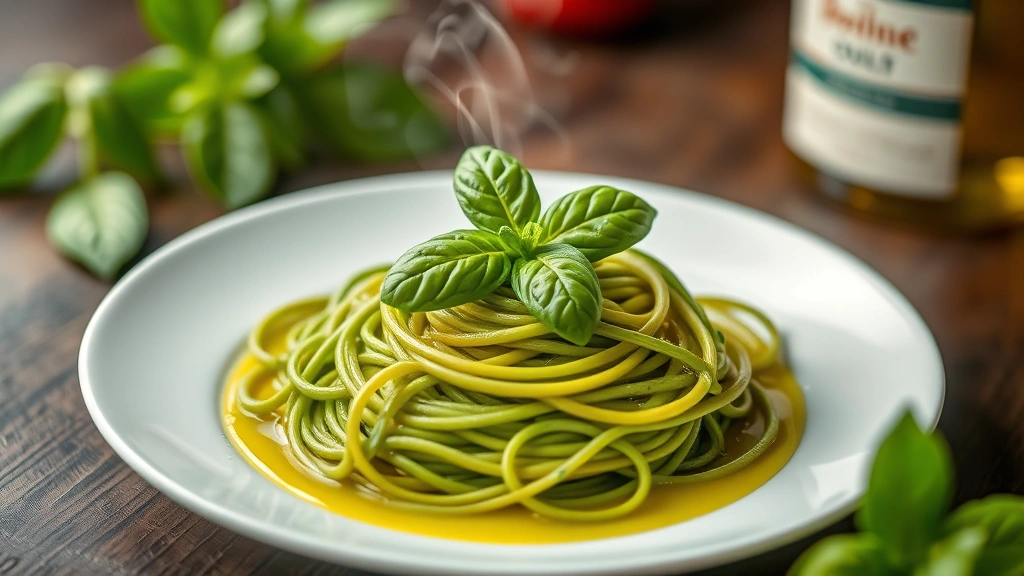
Green spaghetti, also known as spaghetti verde or pasta verde, is a vibrant and nutritious twist on the classic Italian pasta dish. This stunning green noodle gets its color and nutritional boost from fresh spinach, herbs, or other leafy greens blended directly into the pasta dough. Whether you’re looking to sneak more vegetables into your family’s diet or simply want to impress your dinner guests with restaurant-quality homemade pasta, this recipe delivers both visual appeal and delicious flavor.
What makes green spaghetti so special is its versatility. You can serve it with a light olive oil and garlic sauce, pair it with a fresh sauce, or toss it with your favorite creamy preparations. The subtle earthy taste of spinach complements countless sauces, making this pasta a foundation for countless family meals. Best of all, making green spaghetti at home is easier than you might think, and the results are far superior to store-bought versions.
In this comprehensive guide, you’ll learn everything you need to know about creating perfect green spaghetti from scratch, including ingredient selection, step-by-step instructions, helpful tips, and answers to common questions. Let’s dive into the world of homemade pasta!
Ingredients You’ll Need
Creating authentic green spaghetti requires just a few simple, quality ingredients. The beauty of homemade pasta lies in its simplicity, so each ingredient matters.
- All-purpose flour: 2 cups (250g) – This forms the base of your pasta dough. Some cooks prefer a blend of all-purpose and semolina flour for better texture.
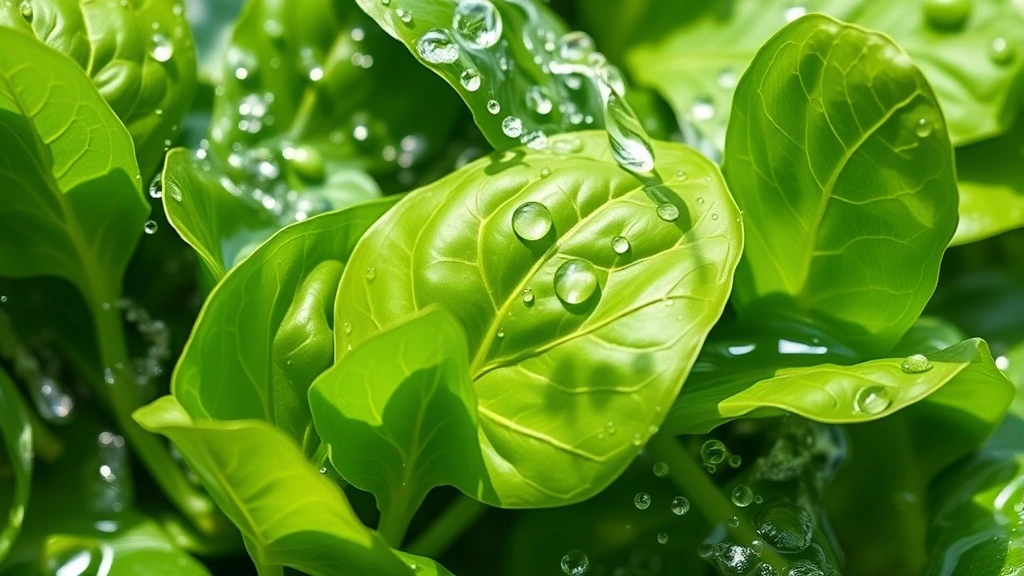
- Fresh spinach: 5 ounces (140g) – Use fresh, vibrant spinach, not frozen. Fresh spinach yields better color and flavor.
- Large eggs: 3 – These bind the dough together and create a rich, silky texture.
- Olive oil: 1 tablespoon – This helps create a smoother dough and prevents sticking.
- Salt: 1 teaspoon for the dough, plus more for cooking water – Fine sea salt works best.
- Water: 2-3 tablespoons – Use only if needed to adjust dough consistency.
Optional additions include fresh basil, parsley, or nutmeg for enhanced flavor. Some cooks add garlic powder or finely grated Parmesan cheese directly into the dough for extra depth.
Essential Equipment
While you can make green spaghetti by hand, having the right tools makes the process smoother and more enjoyable:
- Food processor: Essential for puréeing the spinach smoothly
- Pasta machine: A hand-crank or electric pasta maker produces consistent thickness
- Large cutting board: For kneading and working with dough
- Measuring cups and spoons: For accuracy
- Fork or small whisk: For beating eggs
- Large pot: For cooking the pasta
- Colander: For draining cooked pasta
- Wooden spoon: For stirring sauce and pasta
Don’t worry if you don’t have a pasta machine—you can roll and cut the dough by hand using a rolling pin and sharp knife, though it requires more effort and patience.
Step-by-Step Instructions
Preparing the Spinach Purée
The first crucial step is creating a smooth spinach purée that will integrate seamlessly into your dough:
- Wash the fresh spinach thoroughly under cold running water and pat completely dry with paper towels. Excess moisture is the enemy of good pasta dough.
- Remove any thick stems and discard them. You want only the tender leaves.
- Place the spinach in your food processor and pulse until completely smooth. You should have about ½ cup of purée.
- Transfer the purée to a fine-mesh strainer lined with cheesecloth and let it drain for 10-15 minutes. This step removes excess liquid that would otherwise make your dough too wet.
- Gather the cheesecloth and gently squeeze out any remaining moisture. The drier your purée, the better your dough will be.
Making the Dough
Now comes the magic of bringing your ingredients together:
- Mound the flour on a clean work surface and create a well in the center, similar to making a volcano.
- Crack the eggs into the well and add the spinach purée and olive oil.
- Using a fork, gently beat the eggs together, then gradually incorporate the flour from the inner walls of the well.
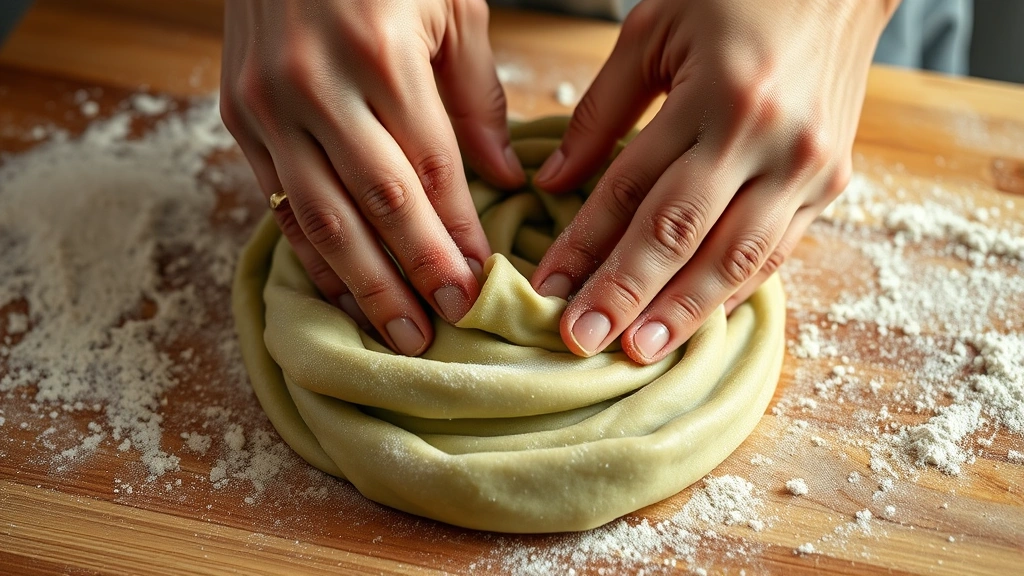
- Once the mixture becomes shaggy, use your hands to bring it all together into a rough ball.
- Begin kneading the dough, pushing it away from you with the heel of your hand, folding it back over itself, and rotating it 90 degrees. Repeat for 8-10 minutes.
- The dough should become smooth and slightly elastic. If it’s too sticky, dust with a bit more flour. If it’s too dry, add water one teaspoon at a time.
- Wrap the dough in plastic wrap and let it rest at room temperature for at least 30 minutes. This relaxes the gluten and makes rolling easier.
Rolling and Cutting
After resting, your dough is ready to transform into spaghetti:
- Divide the dough into four equal portions. Work with one portion at a time, keeping the others wrapped.
- If using a pasta machine, start at the thickest setting and run the dough through several times, folding it in half between passes, until it becomes smooth and elastic.
- Gradually decrease the thickness setting, running the sheet through once at each level, until you reach the second-thinnest setting.
- Lay the thin sheet on a lightly floured surface and let it dry for about 2 minutes—this prevents sticking during cutting.
- Attach the spaghetti-cutting attachment to your pasta machine and feed the sheet through to create perfectly uniform noodles.
- If cutting by hand, roll the sheet as thin as possible, dust lightly with flour, roll it loosely, and slice with a sharp knife into ⅛-inch-wide strands.
- Arrange the cut spaghetti on a clean kitchen towel or parchment paper and let it dry for 15-30 minutes before cooking.
Cooking Your Green Spaghetti
Fresh pasta cooks much faster than dried pasta, so pay close attention:
- Bring a large pot of salted water to a rolling boil. The water should taste like the sea—this is your only opportunity to season the pasta itself.
- Carefully drop the spaghetti into the boiling water, stirring immediately to prevent sticking.
- Fresh spaghetti typically cooks in 2-4 minutes. Start testing at the 2-minute mark by tasting a strand.
- The pasta is done when it’s tender but still has a slight firmness when you bite it—this is “al dente.”
- Reserve at least 1 cup of pasta cooking water before draining. This starchy water is invaluable for adjusting sauce consistency.
- Drain the pasta gently in a colander, but don’t rinse it—the surface starch helps sauces cling to the noodles.
Perfect Sauce Pairings
The beauty of homemade green spaghetti is that it works wonderfully with numerous sauces. Here are some tried-and-true combinations that families love:
Light Garlic and Oil Sauce (Aglio e Olio)
This classic preparation lets the delicate flavor of your green pasta shine. Simply sauté sliced garlic in quality olive oil until fragrant, toss with your hot spaghetti, add red pepper flakes, and finish with fresh parsley and Parmesan cheese. It’s elegant yet simple enough for weeknight dinners.
Creamy Pesto Sauce
Blend fresh basil, garlic, pine nuts, Parmesan cheese, and olive oil into a vibrant pesto, then thin it with heavy cream or pasta water. The creamy texture complements the earthy spinach pasta beautifully. This sauce pairs exceptionally well with comfort food style preparations.
Tomato-Based Sauces
Don’t overlook classic marinara or pomodoro sauce with green spaghetti. The bright acidity of tomatoes contrasts wonderfully with the subtle earthiness of spinach pasta. You can make a quick 20-minute sauce or let a more complex sauce simmer for hours.
Butter and Sage
This simple yet sophisticated sauce requires just butter, fresh sage leaves, garlic, and a splash of pasta water. The nutty flavor of browned butter complements both the spinach and the pasta’s texture perfectly.
Alfredo or Cream Sauce
A rich Alfredo made with butter, cream, and Parmesan cheese creates a luxurious dish that feels special enough for entertaining. The creaminess balances the slightly mineral taste of spinach beautifully.
Storage and Make-Ahead Tips
One advantage of homemade green spaghetti is its flexibility for meal planning:
Fresh Pasta Storage
- Room temperature: Keep freshly cut, undried spaghetti on a floured surface for up to 2 hours before cooking.
- Refrigerator: Place dried spaghetti on a parchment-lined tray, cover loosely, and refrigerate for up to 2 days.
- Freezer: Freeze dried spaghetti on a tray until solid (about 2 hours), then transfer to freezer bags for up to 3 months. Cook from frozen without thawing.
Make-Ahead Dough
You can prepare the dough up to 1 day ahead. After kneading, wrap it tightly in plastic wrap and refrigerate. Bring it to room temperature for 15-20 minutes before rolling and cutting.
Cooked Pasta Storage
While best served immediately after cooking, leftover green spaghetti can be refrigerated in an airtight container for up to 3 days. Reheat gently with a splash of water or sauce to restore moisture.
Troubleshooting Common Issues
Dough Too Sticky
If your dough feels overly wet and sticky, you likely didn’t dry the spinach purée sufficiently. Add flour 1 tablespoon at a time and knead until the texture improves. For future batches, spend extra time squeezing moisture from the spinach.
Dough Too Dry
A dough that cracks at the edges needs more moisture. Add water just 1 teaspoon at a time and knead thoroughly before adding more. The dough should feel soft and slightly supple, never crumbly.
Pasta Sticks Together During Cooking
Ensure your water is at a true rolling boil before adding pasta, and stir immediately and frequently for the first minute. Don’t rinse the pasta after draining, as the starch helps prevent clumping.
Pale Green Color
If your finished spaghetti looks more gray-green than vibrant green, you likely used too much flour relative to spinach. Try using slightly more spinach purée in your next batch, or add a small amount of spirulina powder for enhanced color.
Pasta Tears While Rolling
If the dough tears, it may not have rested long enough. Always allow the full 30-minute rest period. Additionally, ensure your pasta machine is clean and dry, and dust the dough lightly with flour to prevent sticking that causes tearing.
FAQ
Can I use frozen spinach instead of fresh?
While fresh spinach is preferred for the best color and flavor, frozen spinach can work in a pinch. Thaw it completely and squeeze out all excess moisture—this is critical. You’ll need about 6-7 ounces of frozen spinach to yield the required purée. The color may be slightly less vibrant, but the pasta will still be delicious.
What if I don’t have a food processor?
You can blanch the spinach briefly in boiling water, then squeeze it dry and chop it very finely by hand. Alternatively, use an immersion blender or even a mortar and pestle, though these methods require more effort for a smooth purée.
How does green spaghetti compare to regular pasta nutritionally?
Green spaghetti made with spinach contains more iron, vitamins, and minerals than regular pasta. The spinach also adds fiber and antioxidants. It’s a wonderful way to boost the nutritional value of pasta dishes, making it perfect for families seeking healthier meal options.
Can I make green spaghetti without eggs?
Traditional pasta requires eggs for binding and richness. However, you can make egg-free pasta by using water or olive oil as a binder, though the texture will be slightly different—less tender and more chewy. The dough may also be more difficult to work with.
Is homemade green spaghetti significantly different from store-bought?
Absolutely. Homemade pasta has a tender, delicate texture and rich flavor that commercial pasta simply cannot match. Fresh pasta cooks in minutes rather than 8-12 minutes, and the taste is noticeably fresher. Plus, you control every ingredient, ensuring quality.
How can I get an even brighter green color?
Blanch the spinach for 30 seconds in boiling water immediately before puréeing. This sets the bright green color before oxidation can occur. Cool it quickly in ice water, then squeeze dry and purée. Some cooks add a tiny pinch of spirulina powder for an even more vibrant hue, though this is optional.
What’s the best way to serve green spaghetti at a dinner party?
For entertaining, prepare the dough and cut spaghetti several hours ahead, drying it on kitchen towels. Just before guests arrive, cook the pasta and toss with a prepared sauce. This approach lets you spend time with guests rather than working in the kitchen. A simple sauce preparation method ensures you’re not overwhelmed with timing.
Can I use other greens besides spinach?
Yes! Arugula, kale, nettle, or even parsley can create interesting variations. Use the same weight of greens as spinach, though you may need to adjust water content since different greens have varying moisture levels. Experiment to find your favorite combination.
How do I know when the dough has been kneaded enough?
The dough is properly kneaded when it becomes smooth, elastic, and springs back slightly when poked. It should feel soft but not sticky. This typically takes 8-10 minutes of hand kneading or about 5 minutes if using a stand mixer with a dough hook.
Should I add salt to the pasta dough?
Yes, salt is essential in the dough for flavor development. Additionally, always salt your cooking water generously. These two applications of salt create well-seasoned pasta that doesn’t require excessive salt in the sauce.


