Top Griddle Recipes: Chef-Approved Picks for Every Meal
Griddle cooking represents one of the most versatile and rewarding techniques in the modern kitchen. Whether you’re working with a cast iron griddle, a flat-top stove attachment, or a dedicated electric griddle, this cooking method delivers consistent results and incredible flavor development. The large, flat cooking surface allows for precise temperature control and the ability to cook multiple items simultaneously, making griddle recipes perfect for weeknight dinners, meal prep, and entertaining guests.
The beauty of griddle cooking lies in its simplicity and adaptability. From savory breakfast pancakes to perfectly seared proteins and vegetable sides, the griddle handles everything with ease. We’ve compiled chef-approved griddle recipes that showcase the best this cooking method has to offer, complete with techniques and tips to elevate your kitchen game.
Why Griddle Cooking Matters
Griddle cooking has gained tremendous popularity among professional chefs and home cooks alike, and for good reason. The flat, expansive cooking surface creates optimal conditions for achieving restaurant-quality results at home. Unlike traditional skillets or pans, griddles distribute heat evenly across the entire surface, eliminating hot spots that can lead to uneven cooking.
The technique allows you to develop exceptional crust on proteins while maintaining tender, juicy interiors. Vegetables caramelize beautifully, developing complex flavors through the Maillard reaction. Additionally, griddles excel at cooking multiple components simultaneously—imagine preparing grilled pork chops alongside asparagus and mushrooms, all at different stations on the same cooking surface.
For those interested in understanding the science behind successful cooking, learning how to cook with cast iron griddles provides foundational knowledge that improves all your griddle recipes. Cast iron’s heat retention properties make it particularly valuable for achieving consistent results.
Breakfast Griddle Recipes
Breakfast represents the golden hour for griddle cooking. The flat surface is perfect for preparing pancakes, French toast, hash browns, and breakfast proteins all at once. Here are chef-approved breakfast recipes that transform your morning routine.
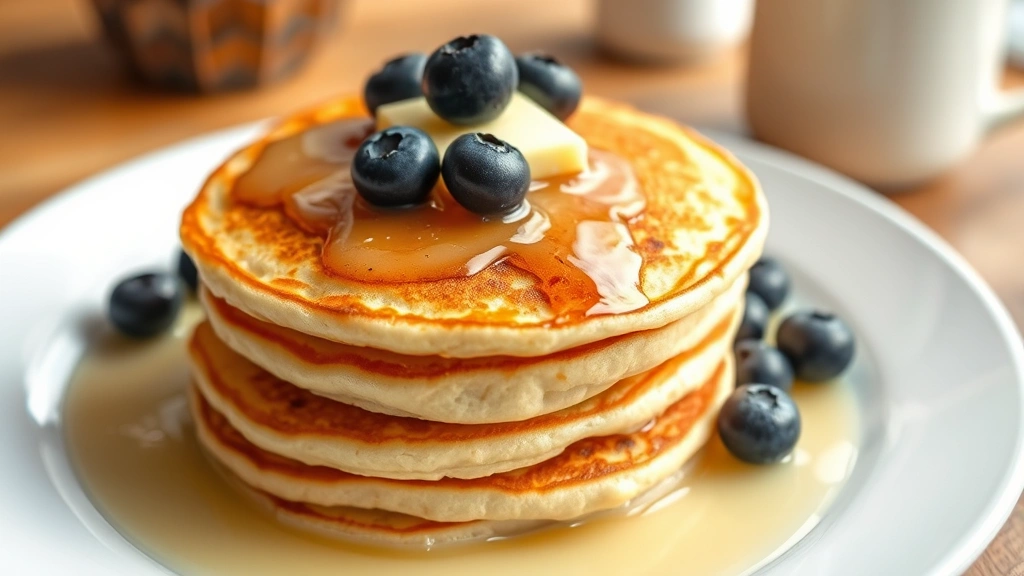
Fluffy Buttermilk Pancakes with Crispy Edges
The griddle is the superior tool for pancake preparation. Preheat your griddle to 350°F (175°C) and lightly butter the surface. Combine two cups all-purpose flour, two tablespoons sugar, two teaspoons baking powder, one teaspoon baking soda, and one teaspoon salt in a mixing bowl. In another bowl, whisk together two cups buttermilk, two eggs, and three tablespoons melted butter.
Pour the wet ingredients into the dry mixture, stirring until just combined—lumps are your friend here. They create tender, fluffy pancakes rather than dense, rubbery ones. Drop quarter-cup portions onto the griddle and cook for two to three minutes until bubbles form on the surface. Flip and cook another one to two minutes until golden brown. The griddle’s even heat ensures consistent browning across all pancakes.
Crispy Hash Brown Cakes
Shred two pounds russet potatoes using the largest holes on a box grater. Place shredded potatoes in a clean kitchen towel and squeeze firmly to remove excess moisture—this step is crucial for crispiness. Transfer to a bowl and mix with one finely diced onion, one teaspoon salt, half teaspoon black pepper, and two tablespoons melted butter.
Heat your griddle to 375°F (190°C) and add another tablespoon of butter. Form the mixture into four-inch patties and press firmly onto the griddle. Cook undisturbed for four to five minutes until the bottom develops a deep golden crust. Flip carefully and cook another three to four minutes. The griddle’s size allows you to cook six to eight patties simultaneously.
Griddle-Cooked Breakfast Sausage and Bacon
The griddle excels at cooking breakfast meats evenly. Arrange sausage patties across the griddle surface, leaving half-inch spacing between each. Cook at 375°F for three to four minutes per side. For bacon, lay strips flat without overlapping and cook at 350°F for four to five minutes, flipping once. The advantage: no splashing grease, even browning, and the ability to cook a full pound at once.
Protein-Focused Main Dishes
Griddle cooking creates exceptional results with proteins of all types. The direct heat and large surface area enable you to achieve perfect doneness while developing flavorful crusts.
Pan-Seared Chicken Breast with Herb Butter
Pat two boneless, skinless chicken breasts dry with paper towels. Season generously with salt and pepper on both sides. Preheat your griddle to 400°F (200°C) and add two tablespoons olive oil. Once the oil shimmers, carefully place chicken on the griddle.
Resist the urge to move the chicken—let it cook undisturbed for five to six minutes until golden brown. Flip and cook another four to five minutes until internal temperature reaches 165°F (74°C). During the last minute, add a tablespoon of butter mixed with fresh thyme and minced garlic to the griddle, tilting to baste the chicken.
This method creates crispy, flavorful exteriors while keeping interiors moist. For variations, try our chicken wings recipe adapted for griddle cooking by cutting wings at joints and following similar temperature guidelines.
Perfectly Cooked Salmon with Miso Glaze
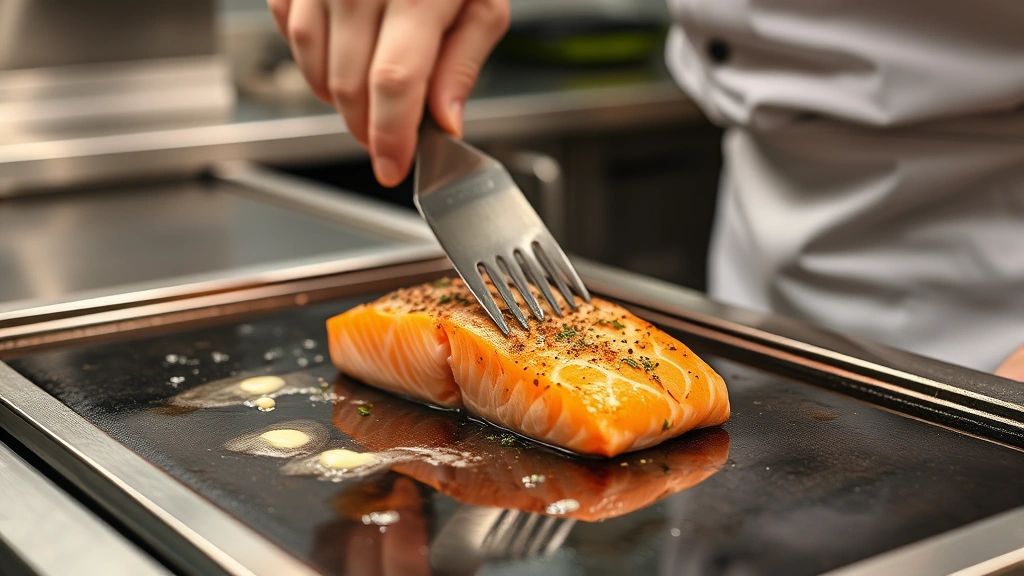
Griddle cooking is ideal for delicate fish that might stick in traditional pans. Start with our miso salmon recipe as your foundation. Prepare a miso glaze by combining two tablespoons white miso paste, one tablespoon honey, one tablespoon rice vinegar, and one teaspoon sesame oil.
Pat salmon fillets dry and brush the skin side with neutral oil. Preheat your griddle to 375°F (190°C). Place salmon skin-side down and cook for three to four minutes without moving. Apply the miso glaze to the flesh side and flip carefully. Cook another two to three minutes until the flesh flakes easily with a fork. The griddle’s even heat prevents the delicate protein from sticking while developing beautiful caramelization.
Grilled Pork Chops with Garlic and Rosemary
Our grilled pork chop recipes reach their full potential on a griddle. Select one-and-a-half-inch-thick bone-in pork chops and bring to room temperature for thirty minutes. Pat dry and season with salt, pepper, minced garlic, and fresh rosemary.
Heat griddle to 400°F (200°C) and add two tablespoons oil. Place pork chops on the griddle and cook for five to six minutes per side, depending on thickness. The internal temperature should reach 145°F (63°C) for slightly pink centers. Rest for five minutes before serving—this allows juices to redistribute, ensuring tender, succulent meat.
Beef Steak with Compound Butter
For steaks, the griddle rivals any steakhouse method. Select two-inch-thick ribeye or New York strip steaks and remove from refrigeration forty-five minutes before cooking. Pat completely dry—moisture prevents proper browning.
Preheat griddle to 450°F (230°C). Season steaks generously with kosher salt and cracked pepper. Once the griddle is smoking slightly, place steaks and cook undisturbed for four to five minutes. Flip and cook another three to four minutes for medium-rare, depending on thickness. During the final minute, add butter, minced garlic, and fresh thyme to the griddle, basting the steaks continuously.
Transfer to a cutting board and rest for ten minutes. Top with compound butter made by mixing softened butter with minced herbs, garlic, and a pinch of sea salt. This technique creates restaurant-quality steaks with perfect crust and tender, juicy centers.
Vegetable and Side Dishes
Vegetables shine on the griddle, developing deep caramelization and complex flavors impossible to achieve with other cooking methods. The large surface area accommodates generous portions.
Charred Asparagus with Lemon and Garlic
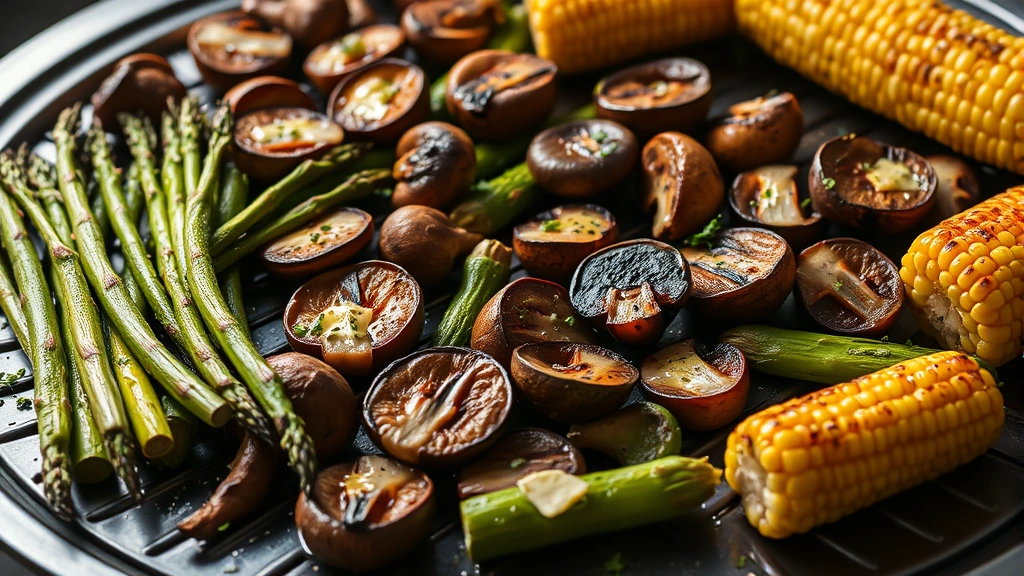
Trim asparagus spears and toss with olive oil, minced garlic, salt, and pepper. Preheat griddle to 400°F (200°C). Arrange asparagus perpendicular to the griddle surface and cook for three to four minutes, rolling occasionally for even charring. Finish with fresh lemon juice and shaved Parmesan cheese.
Griddle Corn with Herb Butter
Shuck fresh corn and brush with melted butter. Heat griddle to 375°F (190°C). Place corn directly on the griddle and rotate every two to three minutes for even charring, about eight to ten minutes total. The kernels will develop a light char while remaining tender and sweet. Brush with herb butter and serve immediately.
Caramelized Mushroom Medley
Slice mixed mushrooms into half-inch pieces and toss with olive oil, salt, and pepper. Heat griddle to 400°F (200°C). Spread mushrooms in a single layer and cook undisturbed for four minutes, allowing them to release moisture and develop golden color. Stir and cook another three to four minutes. Finish with minced garlic, fresh thyme, and a splash of balsamic vinegar.
Crispy Potato Cakes
Boil potatoes until tender, then cool and shred. Mix with sautéed onions, fresh herbs, and a little butter. Form into patties and cook on a 375°F (190°C) griddle for four to five minutes per side until crispy and golden. These pair perfectly with any protein and showcase how griddles create superior crusts compared to traditional pan cooking.
Tips for Griddle Mastery
Temperature Control
Proper temperature is fundamental to griddle success. Use an instant-read thermometer to verify griddle temperature before cooking. Different foods require different temperatures: delicate fish at 350-375°F, vegetables at 375-400°F, and beef at 425-450°F. Allow the griddle to preheat for at least five minutes to ensure even heat distribution.
Oil Selection and Application
Choose oils with high smoke points for griddle cooking: avocado oil (520°F), grapeseed oil (450°F), or clarified butter (450°F). Apply oil just before cooking rather than preheating oil on the griddle, which can cause burning. Use a paper towel to distribute oil evenly across the cooking surface.
Moisture Management
Pat all proteins and vegetables completely dry before cooking. Excess moisture creates steam, preventing proper browning and crust development. For vegetables with high water content, consider salting thirty minutes in advance to draw out moisture.
Spacing and Batch Cooking
Avoid overcrowding the griddle. Leave adequate space between items to allow heat circulation and prevent steaming. It’s better to cook in two batches with proper spacing than to cram everything at once and compromise results.
Reducing Food Waste
Griddle cooking naturally minimizes waste through even cooking and minimal splatter. Learn more about food waste reduction tips to maximize ingredient utilization and incorporate griddle recipes into sustainable cooking practices.
Nutritional Benefits
Griddle cooking requires minimal added fat compared to deep frying, making it healthier than many cooking methods. Vegetables retain more nutrients due to shorter cooking times. For ingredient selection, explore foods rich in antioxidants to enhance both flavor and nutritional value of your griddle recipes.
Cleaning and Maintenance
Clean your griddle immediately after cooking while still warm. Use a griddle scraper to remove food debris, then wipe with a damp cloth. For cast iron griddles, season with a light coat of oil after cleaning to maintain the non-stick surface and prevent rust.
FAQ
What’s the difference between a griddle and a skillet?
The primary difference is the cooking surface. Griddles feature a large, flat surface without raised sides, allowing you to cook multiple items simultaneously and flip food easily. Skillets have curved, sloped sides designed for tossing and transferring food. Both are valuable, but griddles excel for cooking multiple items at once and achieving even heat distribution.
Can I use a griddle on a gas versus electric stove?
Yes, griddles work on both gas and electric stoves. Gas stoves may have uneven heating with griddles due to burner placement, while electric stoves provide more consistent heat. Dedicated electric griddles offer the most even temperature control. If using a stovetop griddle, ensure it makes full contact with your heating surface.
How do I know when my griddle is properly preheated?
Use an instant-read thermometer for accuracy. Alternatively, sprinkle a few drops of water on the griddle—they should sizzle immediately and evaporate within two seconds. The griddle is ready when water behaves this way consistently across the surface.
Should I oil the griddle before or during cooking?
Apply oil just before adding food, not during preheating. This prevents oil from burning and smoking. Add oil directly to the griddle surface, then distribute with a paper towel or pastry brush for even coverage. Some cooks prefer oiling the food itself rather than the griddle.
What foods shouldn’t be cooked on a griddle?
Avoid foods that require liquid cooking, such as braised dishes or soups. Griddles aren’t ideal for foods that stick easily without proper fat, like lean ground meats. Additionally, very delicate items like soft tofu may require special handling. Most proteins, vegetables, and breakfast foods thrive on a griddle.
Can I cook acidic foods on cast iron griddles?
Minimize extended contact between acidic foods (tomatoes, vinegar, citrus) and cast iron, as acidity can damage seasoning. Brief cooking is fine, but avoid simmering acidic sauces on cast iron. For recipes heavily featuring acidic ingredients, consider using stainless steel griddles instead.
How often should I season my cast iron griddle?
Maintain seasoning after every use by wiping with a light coat of oil while warm. Deep seasoning—applying multiple layers of oil and baking in the oven—should occur monthly or when the non-stick surface deteriorates. Proper maintenance keeps your griddle performing optimally for years.


