Juicy Grilled Pork Chops: BBQ Expert Tips for Perfect Results Every Time
Grilling the perfect pork chop is an art form that separates casual backyard cooks from true BBQ enthusiasts. The challenge lies in achieving that coveted golden crust while maintaining a juicy, tender interior—a feat that requires understanding temperature, timing, and technique. Whether you’re preparing healthy protein-packed meals for your family or impressing guests at your next gathering, mastering grilled pork chop recipes will elevate your outdoor cooking game significantly.
The secret to juicy grilled pork chops isn’t complicated, but it does demand attention to detail. From selecting the right cut and thickness to understanding heat management and resting techniques, every step matters. This comprehensive guide draws on professional BBQ expertise to help you create restaurant-quality pork chops at home. You’ll discover why many home cooks struggle with dry meat, and more importantly, how to avoid those pitfalls entirely.
Selecting the Perfect Pork Chop Cut
The foundation of any great grilled pork chop dish begins at the butcher counter. Not all pork chops are created equal, and understanding the differences between cuts will dramatically impact your results. The most popular options include rib chops, loin chops, and shoulder chops, each offering distinct characteristics that influence cooking time and final texture.
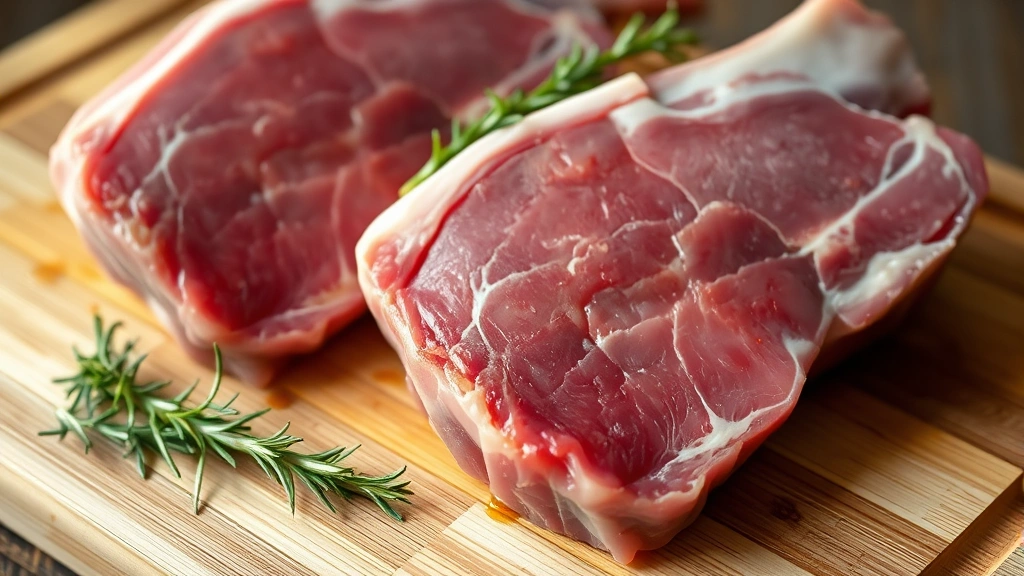
Rib chops are widely considered the gold standard for grilling. They contain more intramuscular fat than their loin counterparts, which means they’re naturally more forgiving during cooking and stay juicier longer. A quality rib chop should be at least 1 to 1.5 inches thick—this thickness allows you to develop a beautiful crust while keeping the interior perfectly cooked. Thinner chops, under three-quarters of an inch, dry out quickly and don’t allow enough time for proper browning.
Loin chops are leaner and cook faster, making them ideal if you prefer a more delicate cut. However, they require more careful attention during grilling since they lack the fat buffer of rib chops. If you choose loin chops, consider brining them to help retain moisture during the cooking process. Shoulder chops are thicker, fattier, and excellent for low-and-slow grilling methods, though they’re less common in standard grocery stores.
When selecting your pork chops, look for meat with good color—a pale pink rather than white—and visible marbling throughout. Avoid chops that appear watery or have excessive liquid in the package, as this indicates poor quality or improper storage. The bone should be clean and white, not brown or discolored. Ask your butcher to cut chops to your exact specifications; most will happily accommodate requests for consistent thickness, which is crucial for even cooking.
Brining and Marinating Techniques
One of the most effective methods professional BBQ experts use to ensure juicy grilled pork chops is brining. This centuries-old technique involves submerging meat in a saltwater solution that penetrates the muscle fibers, allowing them to retain more moisture during cooking. Unlike marinades that primarily add surface flavor, brining actually changes the meat’s structure at a cellular level.
A basic brine solution requires just three ingredients: water, salt, and sugar. The standard ratio is one-quarter cup of salt and one-quarter cup of sugar per quart of water. You can enhance this base with aromatics like bay leaves, peppercorns, garlic cloves, and fresh thyme. Submerge your pork chops completely in this solution and refrigerate for 4 to 12 hours. The longer brining time results in more moisture retention, though diminishing returns occur after 12 hours.
If you’re short on time, a quick 2-hour brine still provides noticeable benefits. After brining, remove the chops and pat them completely dry with paper towels—this step is critical for achieving a proper crust. Any excess moisture on the surface will steam rather than sear, preventing that desirable caramelization.
Marinades work differently than brines, adding flavor through acidic components like vinegar, citrus juice, or wine. A good marinade for pork includes an acid (vinegar or lemon juice), oil, and seasonings. The acid helps tenderize the meat while the oil adds richness. Marinate your chops for 30 minutes to 4 hours in the refrigerator. Longer marinades can actually make the exterior mushy, so resist the urge to let them sit overnight. For best results, combine brining and marinating: brine for moisture retention, then marinate briefly before grilling for added flavor.
Temperature and Heat Management
Temperature control separates mediocre grilled pork chops from exceptional ones. Understanding both the grill temperature and the internal temperature of your meat is essential for consistent success. Professional pitmasters emphasize that a meat thermometer is your most valuable tool—far more reliable than visual cues or the touch test.
For grilled pork chops, aim for a grill temperature of 400 to 450 degrees Fahrenheit. This range is hot enough to create a flavorful crust through the Maillard reaction (the chemical process that creates browning and complex flavors) while allowing the interior to cook through without drying out. If your grill runs hotter, you can increase the surface temperature, but maintain at least 400 degrees for proper searing.
The target internal temperature for pork has been updated by food safety guidelines. Modern standards recommend cooking pork to an internal temperature of 145 degrees Fahrenheit, followed by a 3-minute rest. This temperature is significantly lower than older recommendations of 160 degrees, which often resulted in dry, overcooked meat. At 145 degrees, pork maintains its natural juices while remaining completely safe to eat.
Use an instant-read meat thermometer inserted into the thickest part of the chop, away from bone if possible. Check the temperature in the final minutes of cooking to avoid overcooking. Remember that carryover cooking will raise the internal temperature 3 to 5 degrees after you remove the chops from heat, so remove them when they reach 140 to 142 degrees for a final temperature of 145 degrees after resting.
Gas grills offer easier temperature control, while charcoal grills require more skill to maintain consistent heat. For charcoal grilling, arrange coals in a two-zone setup: high heat on one side for searing, medium heat on the other for finishing. This flexibility allows you to move chops around as needed to prevent flare-ups or excessive charring.
Grilling Methods and Timing
Two primary grilling methods work exceptionally well for pork chops: direct heat searing followed by indirect heat finishing, or a reverse sear approach. The direct-then-indirect method is most forgiving for home cooks and consistently produces excellent results.
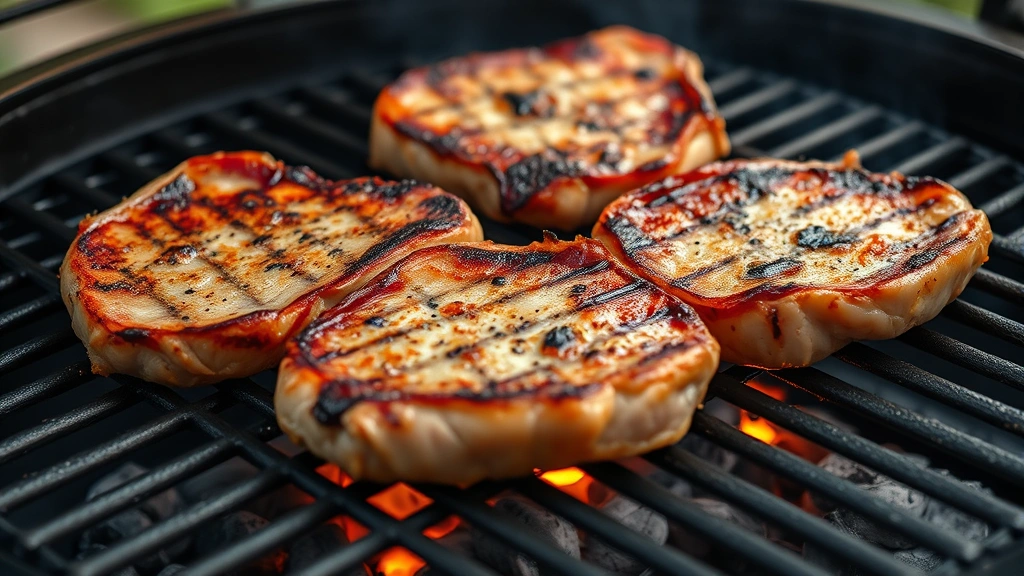
Direct Heat Searing Method: Place your room-temperature pork chops directly over the hottest part of the grill. Sear for 3 to 4 minutes per side for 1.5-inch-thick chops, developing a golden-brown crust. Resist the urge to move or flip the chops constantly; they need contact with the hot grate to brown properly. After searing both sides, move the chops to a cooler zone of the grill (indirect heat) to finish cooking. This zone should be around 300 to 350 degrees. Continue cooking for 4 to 8 minutes, depending on thickness, until the internal temperature reaches 140 to 142 degrees.
Reverse Sear Method: This approach starts with low-temperature cooking and finishes with a hot sear. Place room-temperature chops in the cooler zone of the grill set to 275 to 300 degrees. Cook for 15 to 20 minutes, monitoring internal temperature until it reaches 130 degrees. Then move the chops to the hottest part of the grill for a 1 to 2-minute sear per side to develop color and crust. This method gives you more control over the final internal temperature and is excellent for thicker chops.
Timing varies based on thickness, grill temperature, and ambient conditions. A 1-inch chop might take 10 to 12 minutes total, while a 1.5-inch chop takes 15 to 20 minutes. Always use a thermometer rather than relying on timing alone—external factors like wind and humidity affect cooking speed considerably.
Seasoning Strategies for Maximum Flavor
While brining adds moisture, proper seasoning delivers flavor that makes your grilled pork chops memorable. The timing and type of seasoning application significantly influence the final result. Many home cooks make the mistake of seasoning too early, which can draw moisture out of the meat through osmosis—a counterintuitive effect of salt on raw meat.
For optimal results, season your pork chops immediately before grilling, right after you pat them dry from brining. A simple combination of kosher salt, freshly ground black pepper, and garlic powder creates a classic flavor profile that lets the quality of the meat shine through. Don’t underestimate the power of fresh cracked pepper; pre-ground pepper loses volatile oils and provides less vibrant flavor.
If you’re using a dry rub, apply it just before cooking. Excellent dry rubs for pork include combinations with brown sugar, smoked paprika, cumin, and cayenne for a southwestern profile, or a simpler blend of salt, pepper, and fresh herbs like rosemary and thyme. The sugar in dry rubs caramelizes beautifully on the grill, creating complex flavor layers.
Fresh herbs deserve special mention—they provide brightness that complements rich pork beautifully. Consider rubbing chops with fresh herb pastes made from parsley, sage, and thyme mixed with garlic and olive oil. Apply these right before grilling so the herbs don’t burn excessively. You can also finish cooked chops with fresh herb garnishes for vibrant color and fresh flavor.
Resting and Serving Your Pork Chops
The resting period after grilling is absolutely critical and often overlooked by home cooks. When meat cooks, the muscle fibers contract and squeeze out moisture toward the center. Resting allows these fibers to relax and reabsorb that moisture, resulting in a noticeably juicier final product. This is why your perfectly grilled chop seems dry if you cut into it immediately—you’re releasing all those precious juices.
Remove your pork chops from the grill when they reach 140 to 142 degrees internal temperature. Place them on a clean plate or cutting board and tent loosely with aluminum foil. Let them rest for 5 to 10 minutes—this isn’t just a suggestion, it’s essential. During this time, the internal temperature rises to 145 degrees through carryover cooking, and the muscle fibers complete their relaxation process.
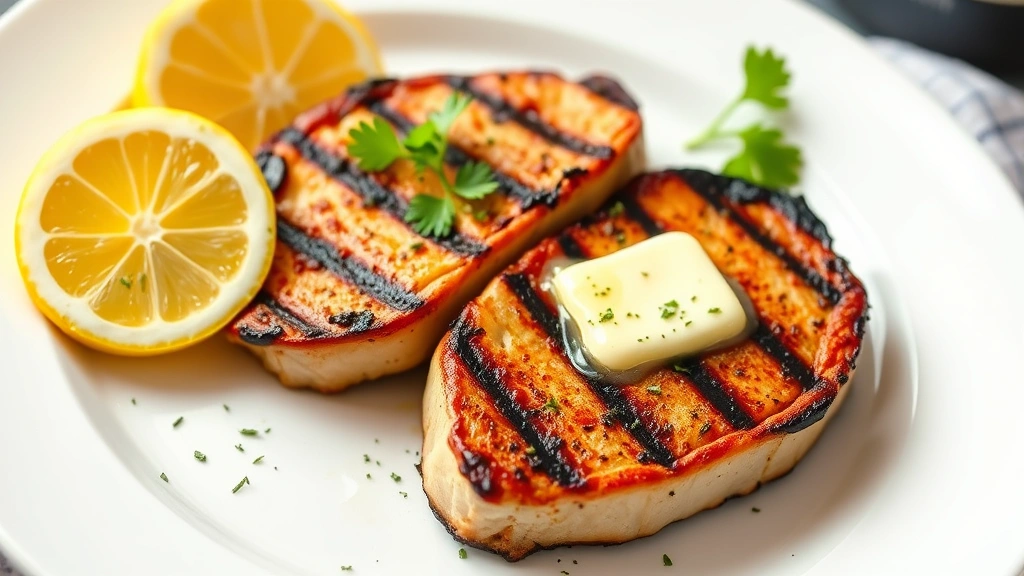
After resting, you can serve the chops as-is or top them with finishing touches. A pat of compound butter (butter mixed with fresh herbs and garlic) melts over the hot chops, adding richness and flavor. A squeeze of fresh lemon juice brightens the dish and cuts through the richness of the pork. Consider pairing your grilled pork chops with fresh summer salads or vegetable sides for a balanced meal.
Flavor Variations and Marinades
Once you master the basic technique for juicy grilled pork chops, exploring flavor variations keeps your cooking exciting and prevents menu fatigue. Different marinades and seasoning approaches can transform the same basic ingredient into entirely different dishes.
Asian-Inspired Marinade: Combine soy sauce, rice vinegar, sesame oil, minced ginger, and garlic. The umami from soy sauce deeply flavors the pork while the ginger provides warmth. Marinate for 2 to 4 hours, then grill as usual. Finish with sesame seeds and sliced green onions.
Mediterranean Style: Mix olive oil, lemon juice, oregano, thyme, garlic, and red pepper flakes. This classic combination works beautifully with pork and pairs well with simple pasta dishes or grain salads. The acidity from lemon helps tenderize while adding brightness.
Spicy Chipotle Glaze: Blend chipotle peppers in adobo sauce with honey, lime juice, and cumin. Brush this glaze onto your chops during the final minutes of cooking. The heat from chipotle balanced with sweetness from honey creates addictive flavor complexity.
Maple and Bourbon: Combine pure maple syrup, bourbon, Dijon mustard, and Worcestershire sauce. This marinade creates a sophisticated profile perfect for entertaining. The bourbon adds depth while the maple provides caramelization on the grill.
Herb Brined Approach: Instead of a plain brine, add fresh rosemary, thyme, sage, and bay leaves to your brining liquid. This infuses the meat with herbal notes throughout, not just on the surface. Pair with a simple salt and pepper seasoning before grilling to let the brined herb flavors shine.
For any marinade, reserve a portion before adding raw pork to use as a finishing sauce. Heat this reserved portion to food-safe temperatures (160 degrees for 15 seconds) before serving to avoid foodborne illness concerns. This technique adds intense flavor without requiring additional cooking steps.
FAQ
How thick should pork chops be for grilling?
Aim for 1 to 1.5 inches thick. This thickness allows proper browning while keeping the interior juicy. Thinner chops dry out quickly; thicker chops take longer to cook through and may char before the center reaches the proper temperature. Ask your butcher to cut chops to consistent thickness for even cooking across multiple chops.
Can I grill frozen pork chops?
It’s possible but not recommended. Frozen chops cook unevenly—the exterior overcooks while the interior remains underdone. Thaw chops in the refrigerator overnight for best results. If you’re short on time, use the cold water method: seal chops in a bag and submerge in cold water for 30 to 60 minutes, changing the water every 15 minutes.
Why are my grilled pork chops always dry?
Dryness usually results from overcooking. Modern pork is safe at 145 degrees internal temperature—cooking beyond this removes precious moisture. Additionally, skipping the brining step means less moisture retention. Always use a meat thermometer to avoid guessing, and consider brining your chops before grilling. Also ensure you’re resting the meat after cooking.
Should I marinate pork chops before or after brining?
Brine first for 4 to 12 hours, then marinate for 30 minutes to 4 hours before grilling. Brining handles moisture retention while marinating adds surface flavor. If time is limited, you can skip brining and just marinate, though you’ll lose the moisture-retention benefits of brining.
What’s the best way to prevent flare-ups?
Trim excess fat from the edges of your chops to reduce dripping. Have a cooler zone on your grill to move chops if flames flare up. Keep a spray bottle of water nearby for minor flare-ups, but use it sparingly as excessive water creates steam that prevents proper browning. If flare-ups are persistent, it usually indicates too much charcoal or gas heat—reduce heat slightly.
Can I use pork chops in healthy meal planning?
Absolutely. Pork chops are excellent protein sources that fit well into nutritious meal planning. Grilling without added fats makes them lean and healthy. Pair with vegetable sides and whole grains for balanced nutrition. A 3-ounce serving of cooked pork contains about 26 grams of protein and is rich in B vitamins and minerals.
How do I know when pork chops are done without a thermometer?
While a meat thermometer is most reliable, you can use the touch test: compare the firmness of the meat to the fleshy area between your thumb and forefinger. When relaxed, this feels like rare meat; when you touch your thumb to your index finger, it feels like medium; touch your thumb to your middle finger for medium-well. However, this method is less reliable than using a thermometer, especially for beginners.
Mastering grilled pork chops requires understanding the fundamentals: proper cut selection, moisture retention through brining, precise temperature management, and adequate resting. These techniques, combined with creative marinades and seasoning approaches, transform simple pork chops into restaurant-quality dishes. Whether you’re preparing weeknight dinners or impressing guests at your next gathering, these expert tips ensure consistently juicy, flavorful results. Start with the basics, practice your technique, and soon you’ll be known as the person who makes the best grilled pork chops on the block.


