Ground Lamb Recipes: Chef-Approved Selections for Every Occasion
Ground lamb is one of the most versatile and flavorful proteins available to home cooks, yet it remains underutilized in many kitchens. Unlike ground beef or chicken, lamb brings a distinctive richness and depth that transforms ordinary dishes into restaurant-quality meals. Whether you’re looking to expand your weeknight dinner repertoire or impress guests at a dinner party, ground lamb recipes offer endless possibilities that span Mediterranean, Middle Eastern, Indian, and European cuisines.
Professional chefs have long recognized ground lamb’s potential. Its higher fat content compared to leaner proteins ensures moist, tender results, while its natural flavor profile requires minimal seasoning adjustments. From classic meatballs to contemporary grain bowls, ground lamb adapts beautifully to both traditional techniques and modern interpretations. This comprehensive guide explores chef-approved ground lamb recipes that deliver exceptional taste and texture, complete with detailed techniques and expert tips to ensure your success in the kitchen.
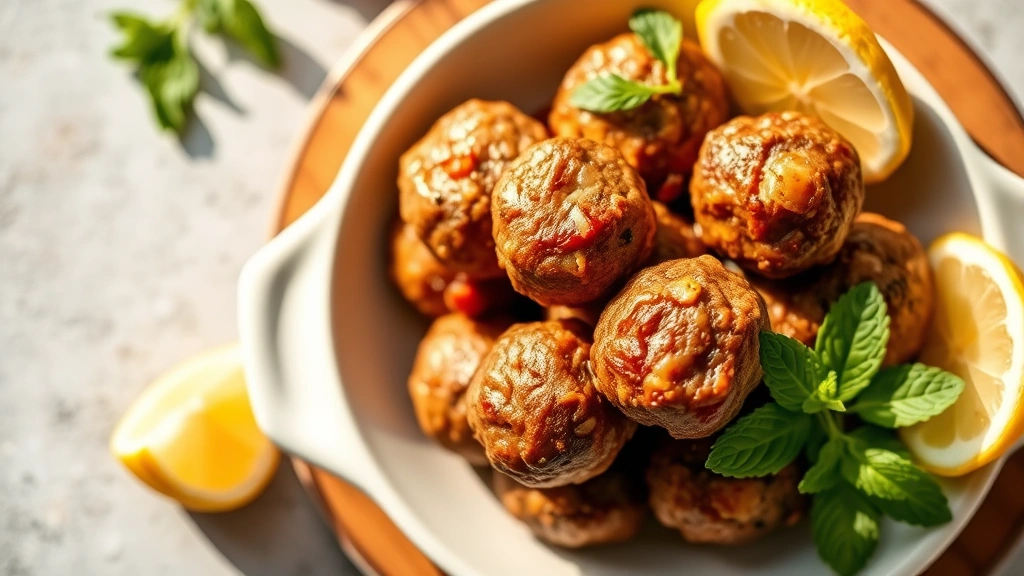
Classic Mediterranean Meatballs
Mediterranean meatballs represent the foundation of ground lamb cooking. These tender spheres combine ground lamb with breadcrumbs, fresh herbs, and aromatic spices, creating a dish that works equally well as an appetizer, main course, or sandwich filling. The Mediterranean approach emphasizes bright flavors from lemon, oregano, and mint rather than heavy cream sauces.
Begin by selecting quality ground lamb with approximately 20% fat content. This ratio ensures your meatballs remain juicy throughout cooking. In a large mixing bowl, combine one pound of ground lamb with half a cup of panko breadcrumbs that you’ve soaked in a quarter cup of whole milk. Add minced garlic, fresh oregano, fresh mint, grated lemon zest, and finely chopped red onion. Season generously with sea salt and freshly ground black pepper. The key to tender meatballs lies in gentle handling—mix until just combined, avoiding overworking the meat which develops gluten in the breadcrumbs and creates dense results.
Shape the mixture into one-inch balls and refrigerate for at least thirty minutes. This resting period allows the breadcrumbs to fully hydrate and helps the meatballs hold their shape during cooking. Heat a cast iron skillet (see our guide on how to cook with cast iron) over medium-high heat with a light coating of olive oil. Working in batches to avoid crowding, sear the meatballs until deeply browned on all sides, approximately eight to ten minutes total. The caramelized exterior develops complex flavors through the Maillard reaction, essential for restaurant-quality results.
Finish cooking in a four-hundred-degree oven for eight minutes until the internal temperature reaches one hundred sixty-five degrees Fahrenheit. Serve immediately with homemade yogurt sauce made from Greek yogurt, fresh dill, minced garlic, and lemon juice. These meatballs also work beautifully in easy dinner recipes for weeknight meals.
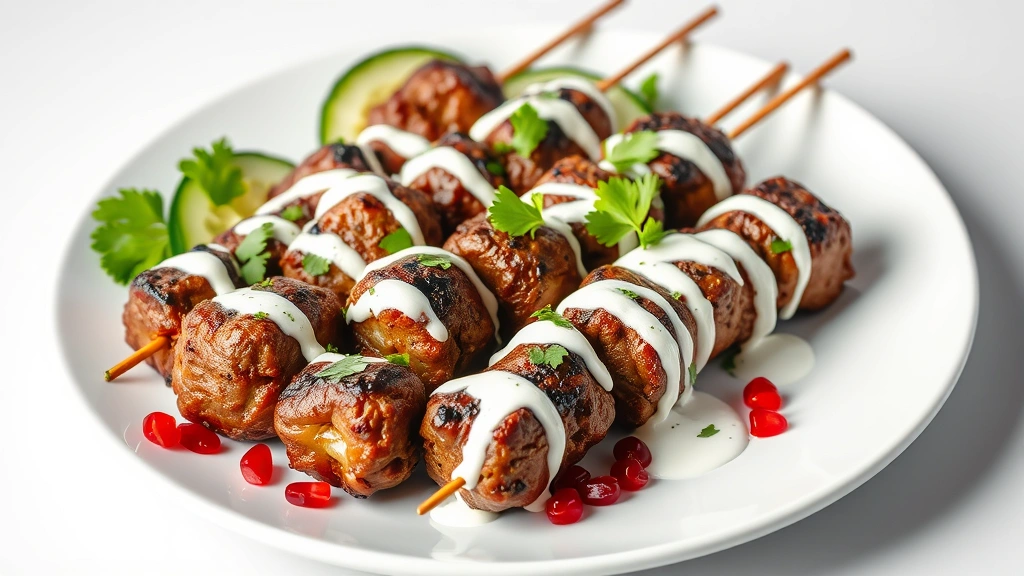
Fragrant Lamb Kofta with Yogurt Sauce
Kofta represents ground lamb at its most aromatic and complex. This Middle Eastern preparation showcases spices like cumin, coriander, cinnamon, and allspice alongside fresh herbs, creating layers of flavor that evolve with each bite. Professional cooks appreciate kofta’s adaptability—the same mixture works for grilled skewers, baked patties, or crumbled preparations.
Combine two pounds of ground lamb with finely minced onion, fresh cilantro, fresh parsley, and minced garlic in a food processor. Add ground cumin, ground coriander, cinnamon, allspice, cayenne pepper, and salt. Pulse until the mixture becomes uniform but not pasty—you’re looking for a texture where herbs remain visible. The food processor approach differs from hand-mixing because it helps distribute aromatics evenly while the friction generates enough heat to begin developing flavors.
For skewered kofta, wet your hands and mold the mixture around flat metal skewers, creating elongated patties approximately one-half inch thick. The wetting prevents sticking while creating a slight surface moisture that promotes browning. Grill over medium-high heat for four to five minutes per side, or broil in your oven on a lined sheet pan for six to eight minutes. The exterior should char slightly, creating textural contrast against the tender interior.
The yogurt sauce elevates kofta from good to exceptional. Whisk together one cup of Greek yogurt, minced cucumber, fresh mint, minced garlic, lemon juice, and salt. The cooling properties of yogurt and cucumber balance the warm spices beautifully. Serve kofta in warm pita bread with the yogurt sauce, sliced tomatoes, red onion, and fresh herbs. This preparation exemplifies how ground lamb recipes can deliver authentic global flavors in your home kitchen.
Elevated Shepherd’s Pie
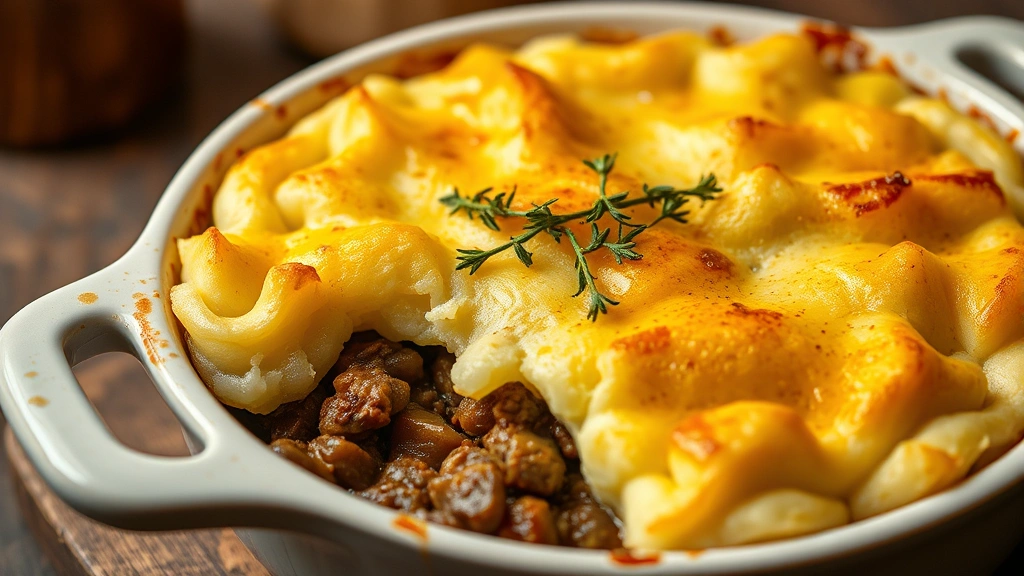
Shepherd’s pie represents comfort food elevated to fine dining standards when prepared with ground lamb and thoughtful technique. This layered casserole combines savory lamb filling with vegetables and creamy potato topping, creating textural variety and deep satisfaction in every spoonful.
Begin the filling by heating two tablespoons of butter in a large Dutch oven over medium heat. Add diced onions, carrots, and celery—the holy trinity of aromatics—cooking until softened, approximately five minutes. Increase heat to medium-high and add one and one-half pounds of ground lamb, breaking it into small pieces as it cooks. Continue cooking until the meat browns deeply, approximately eight to ten minutes. This browning step develops savory depth through the Maillard reaction, distinguishing excellent versions from mediocre ones.
Deglaze the pan with one-half cup of red wine, scraping up browned bits from the bottom. Add tomato paste, beef stock, fresh thyme, bay leaves, and Worcestershire sauce. Simmer gently for fifteen minutes until the sauce reduces and flavors meld. Add frozen peas and corn during the final minutes of cooking. Season carefully with salt and pepper, tasting as you go.
While the filling cooks, prepare the potato topping. Boil two pounds of russet potatoes until fork-tender, approximately fifteen minutes. Drain thoroughly and return to the pot. Add butter, whole milk, and salt, mashing until you achieve your preferred consistency—some prefer smooth and silky, others like a slightly chunky texture with rustic appeal. The starch content in russet potatoes creates a naturally fluffy result without overworking.
Transfer the lamb filling to a baking dish and top with the mashed potatoes, spreading evenly and creating peaks with the back of a spoon. These peaks brown beautifully in the oven, adding visual appeal and textural interest. Brush the surface with melted butter and bake at four hundred twenty-five degrees Fahrenheit for fifteen to twenty minutes until the top turns golden brown. Let rest five minutes before serving. This dish demonstrates how ground lamb recipes transform simple ingredients into elegant presentations.
Rich Lamb Bolognese
Lamb bolognese offers a sophisticated alternative to traditional beef versions, with the meat’s natural richness creating an exceptionally complex sauce. This preparation rewards slow cooking and patience, as extended simmering allows flavors to develop and intensify. The resulting sauce coats fresh pasta beautifully while maintaining enough body to satisfy.
Heat three tablespoons of olive oil in a large, heavy-bottomed pot over medium heat. Add diced onions, carrots, and celery, cooking until very soft, approximately ten minutes. This extended cooking breaks down cell walls and releases natural sugars, creating a sweet foundation for the sauce. Add minced garlic and tomato paste, cooking for two minutes to develop the paste’s depth.
Increase heat to medium-high and add one and one-half pounds of ground lamb, breaking it into small pieces. Cook until deeply browned, approximately ten to twelve minutes, stirring occasionally. The browning process is crucial—resist the urge to stir constantly, as undisturbed meat develops better color and flavor.
Deglaze with one cup of whole milk, scraping up all browned bits. Let the milk reduce by half, approximately five minutes. This step might seem unusual, but milk tenderizes the meat while adding subtle sweetness. Add one cup of dry white wine and let reduce by half again. Finally, add two cans of crushed San Marzano tomatoes, beef stock, bay leaves, and fresh thyme.
Reduce heat to low and simmer gently for at least two hours, stirring occasionally. The extended cooking allows the meat to break down further, creating a sauce with almost creamy texture despite containing no cream. Season with salt and pepper toward the end of cooking. The sauce should reduce to approximately three cups and coat a wooden spoon thickly. Serve over fresh egg pasta or pappardelle, finishing with grated Pecorino Romano and fresh basil. This elevated preparation shows why ground lamb recipes deserve a prominent place in any cook’s rotation.
Nourishing Lamb Grain Bowls
Modern ground lamb recipes increasingly feature grain bowls that combine seasoned lamb with vegetables, grains, and flavorful dressings. These compositions offer nutritional balance while showcasing lamb’s versatility. The bowl format appeals to contemporary diners seeking customizable, balanced meals.
Prepare seasoned ground lamb by heating two tablespoons of olive oil in a skillet over medium-high heat. Add one pound of ground lamb along with minced garlic, ground cumin, ground coriander, paprika, and cayenne pepper. Cook until the meat browns completely, approximately six to eight minutes, stirring occasionally to break into small pieces. Season with salt and pepper, then finish with fresh lemon juice and chopped cilantro or parsley. The acidity from lemon brightens the rich meat while herbs add freshness.
Build bowls by layering cooked grains like quinoa, farro, or brown rice with roasted vegetables such as sweet potatoes, Brussels sprouts, and bell peppers. Add fresh greens like arugula or spinach, creamy components like avocado or tahini, and the warm seasoned lamb. Drizzle with a tahini-lemon dressing made by whisking together tahini, lemon juice, minced garlic, water, and salt until pourable. The combination of warm and cool elements creates appealing contrast, while the tahini dressing provides richness that ties components together.
These bowls work beautifully for meal preparation—store components separately and assemble when ready to eat. The adaptability means you can use whatever vegetables and grains you have available, making ground lamb recipes perfect for food waste reduction strategies. The nutritional density of these bowls also aligns with foods rich in antioxidants when you include colorful vegetables.
Herb-Stuffed Vegetables
Stuffed vegetables represent an elegant presentation for ground lamb, transforming simple components into visually striking dishes. Bell peppers, tomatoes, eggplants, and zucchini all work beautifully as vessels for seasoned lamb filling.
For classic stuffed bell peppers, halve four large bell peppers lengthwise and remove seeds and membranes. Lightly brush cut sides with olive oil and roast cut-side down at four hundred degrees for ten minutes until slightly softened but still holding shape.
While peppers roast, prepare the filling. Heat two tablespoons of olive oil in a skillet and sauté diced onion until softened. Add one pound of ground lamb, cooking until browned. Stir in minced garlic, fresh mint, fresh parsley, ground cinnamon, and pine nuts. Add cooked rice or bulgur, diced tomatoes, and tomato paste. Season generously with salt and pepper, cooking until the mixture becomes cohesive, approximately five minutes.
Remove peppers from the oven and flip cut-side up. Divide the lamb filling evenly among pepper halves, mounding slightly. Return to the oven and bake for twenty to twenty-five minutes until peppers become tender and filling heats through. The peppers should show some caramelization at the edges. Serve warm or at room temperature with a dollop of yogurt and fresh herbs. This preparation demonstrates how ground lamb recipes create restaurant-quality presentations suitable for entertaining.
Cooking Techniques and Pro Tips
Selecting Quality Ground Lamb: Purchase ground lamb from reputable sources and use within two days of purchase. If buying pre-ground lamb, check the color—it should be bright pink to red, not brown or gray. For superior flavor and texture control, ask your butcher to grind lamb shoulder for you. Shoulder contains the ideal fat-to-meat ratio for tender, flavorful results in ground lamb recipes.
Temperature Control: Ground lamb cooks quickly due to its small particle size. Use medium to medium-high heat for browning, allowing proper caramelization without drying the meat. A meat thermometer ensures doneness—lamb reaches safe temperature at one hundred sixty degrees Fahrenheit for ground applications. However, many chefs prefer slightly pink centers in lamb preparations, which occurs around one hundred forty-five degrees Fahrenheit. Always consider food safety guidelines and your comfort level.
Flavor Development: Bloom spices in fat before adding meat. This technique, common in professional kitchens, releases aromatic compounds and distributes flavors evenly. Toast whole spices in a dry pan before grinding for maximum flavor intensity in ground lamb recipes.
Moisture Management: Ground lamb’s higher fat content means dishes rarely become dry, unlike ground chicken or turkey. However, avoid overcooking, which toughens the meat and renders out too much fat. Cook just until done, then remove from heat immediately.
Resting Periods: Allow cooked ground lamb dishes to rest for five to ten minutes before serving. This resting period allows residual heat to distribute evenly and juices to redistribute throughout the meat, ensuring tender, juicy results. For shaped items like meatballs or patties, refrigerating the mixture before cooking helps them hold together better.
Fat Considerations: Ground lamb’s fat content makes it self-basting during cooking. When browning, you may not need additional oil—the meat releases sufficient fat for proper caramelization. Drain excess fat if desired, but some fat contributes to flavor and mouthfeel, so don’t remove all of it.
Sauce Integration: Ground lamb benefits from cooking in sauces that complement its richness. Acidic elements like wine, vinegar, or tomatoes balance the meat’s fattiness, while warm spices enhance its natural flavors. This understanding informs why traditional ground lamb recipes pair so well with Mediterranean and Middle Eastern flavor profiles.
For best breakfast food recipes, consider ground lamb in savory breakfast preparations like shakshuka or seasoned hash—a creative application that showcases the meat’s versatility beyond traditional dinner contexts.
FAQ
Can I substitute ground lamb for ground beef in recipes?
Yes, though results will differ noticeably. Ground lamb brings stronger flavor and higher fat content than most ground beef, so you may need to adjust seasonings. Reduce aromatic ingredients slightly to prevent overpowering dishes. The richer flavor of lamb works beautifully in Mediterranean and Middle Eastern applications but may dominate in recipes designed for milder beef flavors.
How should I store ground lamb?
Store ground lamb in the coldest part of your refrigerator and use within two days of purchase. For longer storage, freeze in airtight containers or freezer bags for up to three months. Thaw overnight in the refrigerator before cooking. Properly stored ground lamb maintains quality throughout its freezer life.
What’s the best way to brown ground lamb?
Use medium-high heat and allow the meat to sit undisturbed for two to three minutes before stirring. This develops better browning through the Maillard reaction. Break the meat into small pieces as it cooks rather than stirring constantly. Once browned, you can add aromatics and continue with your recipe.
Is ground lamb expensive compared to other ground meats?
Ground lamb typically costs more than ground beef or chicken, but its intense flavor means smaller portions satisfy. One pound of ground lamb often serves four to six people in richly flavored dishes, providing good value despite higher per-pound pricing.
What spices pair best with ground lamb?
Cumin, coriander, cinnamon, allspice, oregano, mint, thyme, and rosemary all enhance ground lamb beautifully. Warm spices complement its richness, while fresh herbs brighten heavy flavors. Experiment with combinations from different cuisines to discover your preferences in ground lamb recipes.
Can I make ground lamb recipes ahead?
Most ground lamb dishes improve with time as flavors meld and develop. Prepare sauces and filled dishes up to two days ahead, storing in the refrigerator. Reheat gently over low heat, adding liquid if needed. Shaped items like meatballs or patties can be prepared through the shaping stage, refrigerated overnight, then cooked the next day.


