
Healthy Ground Turkey Meals: Nutritionist-Approved Recipes & Tips
Ground turkey has become a cornerstone ingredient for health-conscious cooks everywhere. This lean protein powerhouse delivers exceptional nutritional benefits without the heaviness of beef or pork, making it ideal for anyone seeking to maintain a balanced diet without sacrificing flavor or satisfaction. Whether you’re managing your weight, building muscle, or simply prioritizing whole-food nutrition, ground turkey offers remarkable versatility that spans from quick weeknight dinners to meal-prep champions.
What makes ground turkey so nutritionally superior? A 3-ounce serving of ground turkey contains approximately 20 grams of protein while remaining remarkably low in fat compared to other ground meats. It’s also an excellent source of B vitamins, selenium, and niacin—nutrients essential for energy metabolism and immune function. Beyond the numbers, ground turkey absorbs flavors beautifully, adapting to Mediterranean spices, Asian seasonings, or classic American comfort food preparations with equal aplomb.
This comprehensive guide walks you through the science of cooking with ground turkey, explores proven nutritionist-approved recipes, and reveals professional techniques that transform this humble ingredient into memorable meals your entire family will love.
Nutrition Benefits of Ground Turkey
Ground turkey stands apart in the protein landscape due to its exceptional nutritional profile. Unlike ground beef, which can contain up to 20 grams of fat per 3-ounce serving, ground turkey delivers substantial protein with minimal saturated fat. This distinction matters significantly for cardiovascular health and weight management goals.
The B-vitamin complex in ground turkey plays a crucial role in converting food into energy. Niacin, in particular, supports cholesterol metabolism and DNA repair, while vitamin B12 ensures proper nerve function and red blood cell formation. Selenium, another key micronutrient present in ground turkey, functions as a powerful antioxidant protecting cells from oxidative stress.
For those following specific dietary approaches, ground turkey proves remarkably accommodating. It fits seamlessly into keto soup recipes and low-carb meal plans, supports muscle-building protocols, and aligns with Mediterranean diet principles when prepared with olive oil and fresh herbs.
According to research from the USDA Nutrition Database, ground turkey contains approximately 150-170 calories per 3-ounce serving depending on fat content, making it ideal for calorie-conscious meal planning without nutritional compromise.
Selection & Storage Guide
Selecting quality ground turkey begins at the meat counter. Look for packages displaying bright pink color without any gray or brown discoloration. The meat should smell fresh and clean—any sour or off-putting odors indicate spoilage or improper handling.
Ground turkey comes in various fat percentages: 93/7 (leanest), 90/10, and 85/15. The leanest options work best for health-focused cooking, though slightly higher fat content (90/10) retains moisture better during cooking, resulting in more tender preparations. Choose based on your specific recipe requirements and dietary goals.
Storage best practices: Keep ground turkey in the coldest section of your refrigerator and use within 1-2 days of purchase. For extended storage, freeze in airtight containers or vacuum-sealed bags for up to three months. Thaw frozen ground turkey overnight in the refrigerator rather than at room temperature to prevent bacterial growth.
Buy ground turkey from reputable sources with high product turnover. Farmers’ markets and specialty butchers often provide superior quality and can inform you about the birds’ diet and farming practices, adding another layer of nutritional confidence to your purchase.
Essential Cooking Techniques
Mastering ground turkey cooking techniques separates mediocre meals from exceptional ones. The key lies in understanding how ground turkey’s lean nature affects cooking dynamics compared to fattier proteins.
Browning Method: Heat a skillet to medium-high temperature before adding ground turkey. Break the meat into small pieces using a wooden spoon or spatula, resisting the urge to stir constantly. Allow each piece to develop a golden-brown crust through contact with the hot surface—this creates complex flavors through the Maillard reaction. Brown for 5-7 minutes total, stirring occasionally, until no pink remains.
Moisture Retention: Because ground turkey contains minimal fat, it can become dry if overcooked. Cook to an internal temperature of 165°F (74°C) measured with a meat thermometer, then remove from heat immediately. Continued cooking after reaching this temperature causes moisture loss and toughness.
Flavor Enhancement: Since ground turkey is relatively neutral in flavor, seasoning matters tremendously. Toast whole spices in the pan before adding meat to intensify their aromatic compounds. Add aromatics like garlic, onions, and ginger early in cooking to develop deep flavor foundations. Use chicken pad thai recipe techniques with soy sauce, lime, and fresh herbs for Asian-inspired preparations.
Slow Cooking Application: Ground turkey excels in slow cooker preparations when combined with adequate liquid and acid. Healthy crock pot recipes featuring ground turkey benefit from tomato-based sauces, broths, or wine that keep the meat tender during extended cooking. Layer vegetables and seasonings strategically to maximize flavor development over 4-6 hours on low heat.
Nutritionist-Approved Recipes
These recipes have been evaluated by nutrition professionals for balanced macronutrient ratios, whole-food ingredients, and practical preparation methods suitable for busy lifestyles.
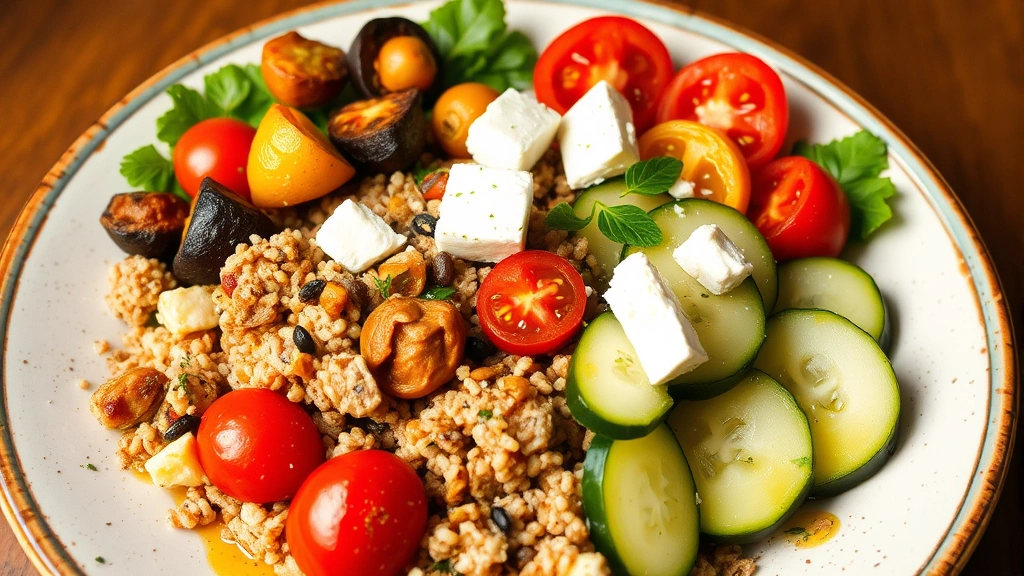
Mediterranean Ground Turkey Bowls: Combine browned ground turkey seasoned with oregano, cumin, and garlic with quinoa, roasted vegetables, cucumber, cherry tomatoes, and a drizzle of olive oil with lemon juice. Top with crumbled feta cheese and fresh parsley. This bowl delivers complete protein, complex carbohydrates, and healthy fats in a single dish. Prepare the components separately and assemble throughout the week for varied flavor experiences.
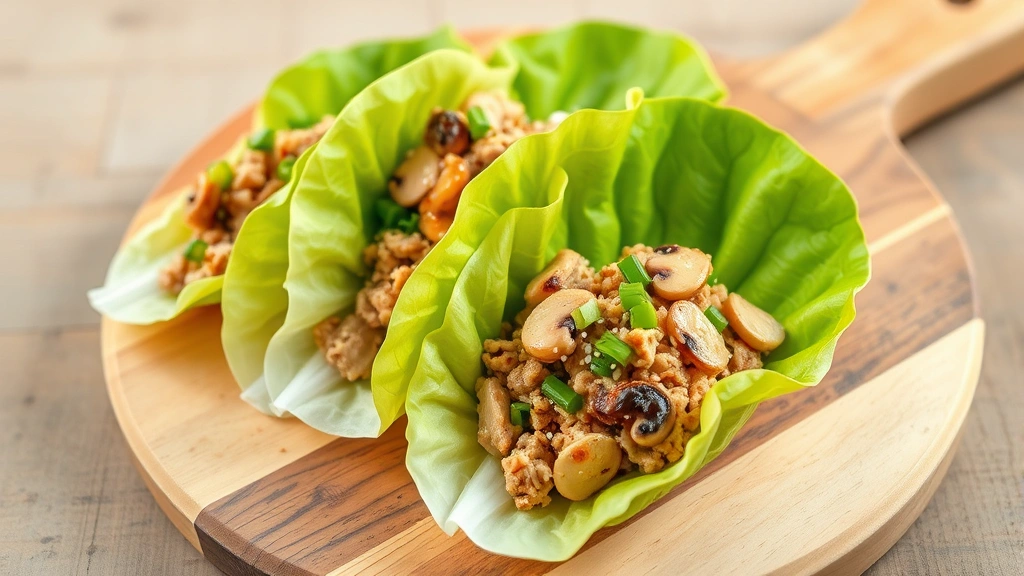
Asian-Inspired Ground Turkey Lettuce Wraps: Cook ground turkey with minced ginger, garlic, and low-sodium soy sauce. Stir in diced water chestnuts, mushrooms, and green onions. Serve in crisp butter lettuce or romaine leaves with sriracha sauce and sesame seeds. This preparation provides substantial protein and vegetables with minimal carbohydrates, making it perfect for those monitoring intake.
Ground Turkey Stuffed Bell Peppers: Mix cooked ground turkey with brown rice, diced tomatoes, black beans, and southwestern spices. Stuff into halved bell peppers and bake at 375°F (190°C) for 25-30 minutes. This recipe offers visual appeal, complete nutrition, and makes excellent meal-prep components that reheat beautifully.
Turkey Meatballs with Herb Sauce: Combine ground turkey with whole wheat breadcrumbs, egg, minced herbs, and grated parmesan. Form into balls and bake at 400°F (204°C) for 18-20 minutes. Serve with a light tomato-herb sauce or Greek yogurt-based sauce for protein-boosting creaminess without excessive calories.
Ground Turkey Chili: Layer ground turkey with kidney beans, black beans, diced tomatoes, and aromatic vegetables in a chili recipe crockpot for hands-off cooking. This nutrient-dense preparation combines lean protein with fiber-rich legumes and provides a warming, satisfying meal perfect for batch cooking.
Turkey Taco Tuesday: Brown ground turkey with cumin, chili powder, and garlic powder. Serve in corn tortillas with shredded cabbage, salsa, lime crema made from Greek yogurt, and cilantro. This lighter taco version maintains traditional flavors while reducing calories and sodium compared to beef versions.
Ground Turkey Soup: Create a hearty soup by simmering ground turkey with low-sodium broth, diced vegetables including green beans recipe ingredients, diced tomatoes, and herbs. Add whole grains like farro or barley for additional fiber and satiety. This one-pot meal simplifies weeknight cooking while delivering complete nutrition.
Meal Prep Strategies
Ground turkey’s versatility makes it an ideal foundation for weekly meal preparation. Strategic planning maximizes efficiency while maintaining nutritional variety throughout the week.
Batch Cooking Foundation: Brown 2-3 pounds of ground turkey with basic aromatics (onion, garlic) and store in the refrigerator for up to four days. Divide into portions and freeze for longer storage. This prepared base eliminates daily cooking steps while ensuring fresh protein availability. Use portions throughout the week in different recipes—one portion becomes taco filling, another joins a grain bowl, a third incorporates into a soup.
Component Preparation: Cook grains, roast vegetables, and prepare sauces separately, then combine strategically based on daily preferences and nutritional goals. This approach prevents meal fatigue while maintaining flexibility. Prepare five different vegetable combinations and three sauce options, then mix and match with your prepared ground turkey base.
Freezer-Friendly Preparations: Ground turkey recipes like meatballs, stuffed peppers, and patties freeze exceptionally well. Prepare double batches when cooking, reserving half for freezing. Label containers with contents and dates, creating an accessible frozen meal library for unexpected busy days.
Complementary Recipes: Prepare banana smoothie recipe components alongside savory preparations for balanced daily nutrition. This ensures you’re nourishing your body comprehensively throughout the week rather than relying solely on one food category.
Container Strategy: Invest in quality glass containers that transition seamlessly from refrigerator to microwave. Prepare five identical containers with ground turkey, grain, and vegetables in proper portions. This approach requires minimal decision-making during busy weekdays while maintaining nutritional consistency.
FAQ
Is ground turkey healthier than ground chicken?
Ground turkey and ground chicken offer comparable nutritional profiles, both providing lean protein with minimal fat. Ground turkey contains slightly more B vitamins and selenium, while ground chicken may have marginally less saturated fat. The choice depends on personal preference and recipe application. Both work beautifully in identical preparations.
Can I substitute ground turkey for ground beef in recipes?
Yes, with minor adjustments. Use 93/7 ground turkey in place of 90/10 ground beef for similar moisture content. Ground turkey cooks slightly faster than beef, so reduce cooking time by 10-15%. Add a small amount of olive oil when browning if the recipe calls for beef’s inherent fat content. Flavor profiles remain compatible across most cuisines.
How much ground turkey should I eat per serving?
Nutritionists recommend 3-4 ounces of cooked ground turkey per serving, providing 20-27 grams of protein. This portion aligns with standard protein recommendations and allows room for vegetables, grains, and healthy fats in balanced meals.
What seasonings pair best with ground turkey?
Ground turkey’s neutral flavor accepts virtually any seasoning profile. Mediterranean herbs (oregano, basil, thyme), Asian spices (ginger, soy sauce, sesame), Mexican seasonings (cumin, chili powder, cilantro), and Indian spices (garam masala, turmeric, cumin) all enhance ground turkey beautifully. Toast whole spices before cooking to intensify flavor.
Can I cook ground turkey from frozen?
Yes, but thawing first produces superior results. Frozen ground turkey requires 50% longer cooking time and may cook unevenly. For best texture and moisture retention, thaw overnight in the refrigerator before cooking. In emergencies, separate frozen ground turkey into chunks and cook over medium heat, breaking apart as it thaws.
Does ground turkey require different cooking temperatures than other poultry?
Ground turkey reaches food safety at 165°F (74°C) internal temperature, identical to all poultry preparations. Use a meat thermometer to verify doneness, ensuring the thickest portion reaches this temperature. Don’t rely on color alone, as ground turkey can appear cooked before reaching safe temperatures.
What’s the best way to prevent dry ground turkey?
Avoid overcooking by removing ground turkey from heat the moment it reaches 165°F. Don’t press or stir constantly during browning. Add moisture through sauces, broths, or cooking methods like slow cooking that maintain humidity. Choose 90/10 ground turkey rather than 93/7 for slightly better moisture retention.
How should I store cooked ground turkey?
Cool cooked ground turkey to room temperature, then transfer to airtight containers and refrigerate immediately. Properly stored cooked ground turkey keeps for 3-4 days. Freeze in portion-sized containers for up to three months. Thaw frozen portions overnight in the refrigerator before reheating.
Ground turkey represents an exceptional choice for health-conscious cooks seeking nutritional excellence without complexity. By mastering fundamental cooking techniques, understanding nutritional benefits, and exploring diverse recipes, you’ll transform this lean protein into memorable meals that support your wellness goals while delighting your palate. Start with simple preparations, gradually expanding your repertoire as confidence builds, and soon ground turkey will become your go-to protein foundation.


