Easy Haddock Recipe: Chef’s Favorite Technique for Perfectly Flaky Fish
Haddock is one of the most versatile and beginner-friendly fish you can cook at home. With its delicate, slightly sweet flavor and naturally flaky texture, this white fish deserves a place on your dinner table more often. Whether you’re looking to impress guests or simply want a quick weeknight meal, mastering a few essential techniques will transform how you prepare haddock. Professional chefs have long celebrated this fish for its ability to shine with minimal intervention—no fancy sauces required.
In this guide, we’ll explore the chef’s favorite technique for cooking haddock that guarantees moist, tender results every single time. You’ll discover why this method works, how to execute it flawlessly, and creative variations that keep your meals exciting. This approach works beautifully whether you’re preparing comfort food recipes for the family or crafting something special for dinner guests.
Why Haddock Is the Perfect Fish for Home Cooks
Haddock stands out among white fish varieties because it bridges the gap between delicate and forgiving. Unlike more expensive options like halibut, haddock remains affordable and widely available year-round at most grocery stores and fish markets. Its mild flavor makes it approachable for those hesitant about seafood, while its firm texture appeals to experienced cooks seeking quality ingredients.
The fish’s natural fat content keeps it moist during cooking, meaning you have a wider margin for error than with leaner fish like cod. This characteristic makes haddock ideal for easy dinner recipes for beginners who are still building confidence in the kitchen. Professional chefs appreciate haddock for these exact reasons, often using it as their go-to fish when they want reliable, consistent results without fussy technique requirements.
Beyond nutrition, haddock offers sustainability advantages. When sourced responsibly, this fish comes from well-managed fisheries, making it an environmentally conscious choice. Look for certifications from organizations like the Marine Stewardship Council to ensure you’re purchasing sustainable haddock.
The Chef’s Favorite Pan-Sear Technique
The pan-sear method represents the gold standard for cooking haddock at home. This technique, favored by professional chefs worldwide, delivers a golden, crispy exterior while maintaining a tender, moist interior. The beauty of pan-searing lies in its simplicity and speed—most haddock fillets cook through in under ten minutes, making this perfect for busy weeknights.
Pan-searing works through the Maillard reaction, a chemical process that occurs when proteins and sugars in the fish reach high heat. This reaction creates complex, savory flavors and appealing browning on the surface. Simultaneously, the fish’s interior cooks gently, preserving its delicate structure and natural moisture. The technique requires only a hot skillet, a small amount of fat, and proper timing.
What separates this method from casual home cooking is understanding the importance of preparation and heat management. Chefs dry their fish thoroughly before cooking, use properly heated fat, and avoid moving the fillets excessively during the searing process. These seemingly small details create dramatically different results.
Essential Equipment and Ingredients
Equipment You’ll Need:
- A heavy-bottomed stainless steel or cast-iron skillet (10 to 12 inches)
- Paper towels for drying fish
- A fish spatula or thin metal spatula for flipping
- An instant-read thermometer (optional but recommended)
- A sharp knife for trimming
Ingredient Shopping Tips:
Quality begins at the fish counter. Choose haddock fillets that smell like the ocean—fresh and clean, never ammonia-like. The flesh should appear bright white or slightly translucent, with no browning or dull patches. Ideally, purchase fish the day you plan to cook it. If that’s impossible, store it in the coldest part of your refrigerator on a bed of ice.
For the cooking fat, select between butter, olive oil, or a combination. Butter imparts richness and golden color; olive oil offers versatility and pairs well with Mediterranean flavors. Many chefs use a blend of both for optimal flavor and smoke point. You’ll also need kosher salt and freshly ground black pepper—these simple seasonings let the fish’s natural flavor shine.
This approach aligns perfectly with organic vs non-organic food considerations, as choosing quality, fresh ingredients makes a tangible difference in your final dish.
Step-by-Step Cooking Instructions
Preparation Phase (5 minutes):
- Remove haddock fillets from the refrigerator 10 to 15 minutes before cooking. This allows them to come closer to room temperature, promoting even cooking throughout.
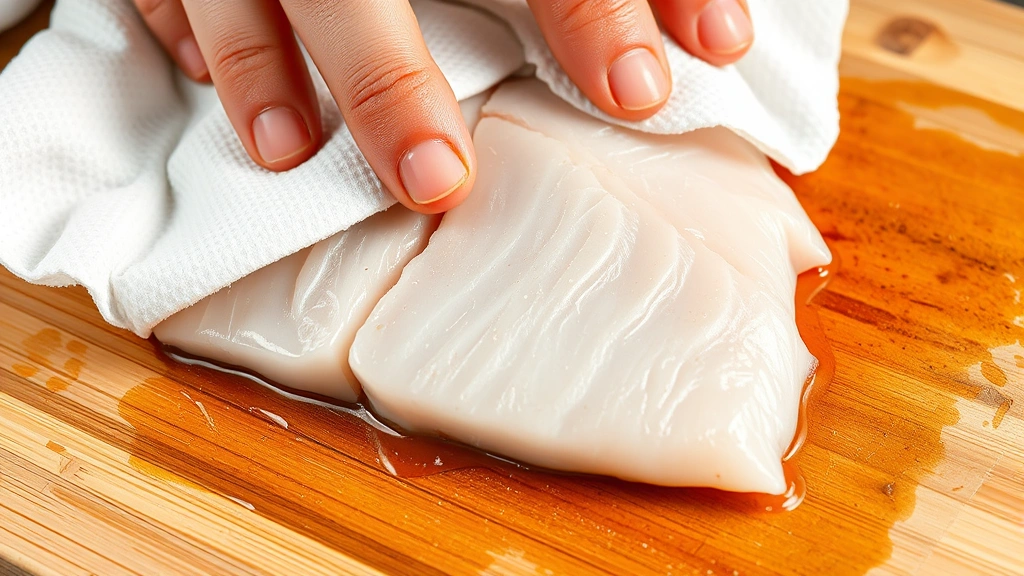
- Pat the fillets completely dry using paper towels. Moisture on the surface prevents browning and creates steam, which inhibits the Maillard reaction.
- Season both sides generously with kosher salt and freshly ground black pepper. Use more salt than you might initially think—fish requires adequate seasoning to taste its best.
- Allow the seasoned fillets to sit for 5 minutes. This permits salt to begin dissolving and penetrating the flesh.
Cooking Phase (8-10 minutes):
- Place your skillet over medium-high heat. Let it heat for 2 to 3 minutes until it’s thoroughly hot. You can test readiness by holding your hand above the pan—you should feel significant heat.
- Add your chosen fat (approximately 2 tablespoons) and let it heat until shimmering. For butter, wait until the foam subsides and the pan is hot but not smoking.
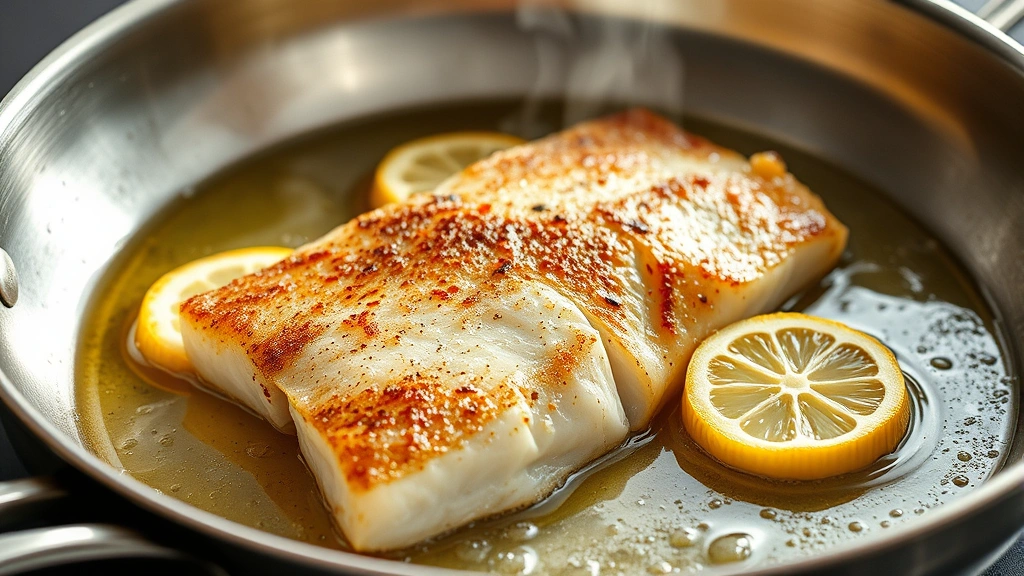
- Carefully place haddock fillets skin-side up in the hot pan. They should sizzle immediately upon contact. If they don’t, your pan isn’t hot enough—remove them and wait longer.
- Resist the urge to move the fillets. Leave them undisturbed for 3 to 4 minutes. This allows the bottom surface to develop that desirable golden-brown crust.
- Flip the fillets gently using a fish spatula, supporting the fillet from underneath. Cook for an additional 2 to 3 minutes until the flesh is opaque and flakes easily with gentle pressure.
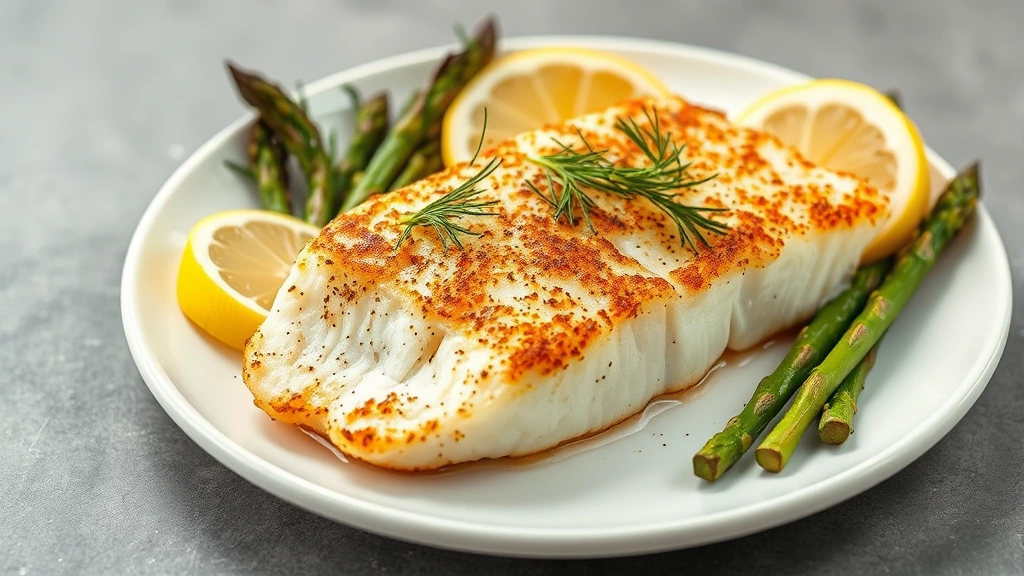
- Transfer cooked fillets to a serving plate. If you prefer, add a squeeze of fresh lemon juice over the top immediately—the acid brightens the fish’s subtle flavors.
Temperature and Doneness Tips
Determining when your haddock is perfectly cooked comes down to understanding its structure. Unlike meat, fish doesn’t benefit from resting or carryover cooking to the same degree. You want to remove it from heat at precisely the right moment.
The most reliable indicator is the fish’s appearance and texture. Properly cooked haddock will be opaque throughout, with flesh that flakes easily when pressed gently with a fork. The thickest part of the fillet should look moist but not translucent or raw.
If you prefer certainty, use an instant-read thermometer. Insert it into the thickest part of the fillet without touching the pan. Haddock reaches food-safe doneness at 145°F (63°C) according to FDA guidelines. Most chefs remove fish from heat at 140°F (60°C) to account for carryover cooking during the brief plating time.
Overcooking represents the primary mistake home cooks make with fish. Even a minute or two beyond the proper point can transform moist, delicate flesh into dry, rubbery texture. When in doubt, undercook slightly—the residual heat will continue cooking the fillets as they rest on the plate.
Flavor Variations and Sauce Ideas
While simply prepared haddock with lemon and butter represents pure elegance, this versatile fish welcomes creative flavor combinations. Professional chefs rotate through several preparations to keep their menus fresh while maintaining the core technique.
Lemon Butter Sauce: The classic pairing. After removing cooked fish, add another tablespoon of butter to the hot pan along with minced garlic and fresh lemon juice. Swirl until emulsified, then spoon over the fillets. This simple sauce takes two minutes to prepare.
Herb Crust Variation: Before cooking, coat fillets lightly with olive oil, then press a mixture of panko breadcrumbs, fresh parsley, dill, and lemon zest onto the top surface. Pan-sear as usual, protecting the herb crust by cooking skin-side down first.
Caper and Brown Butter: After removing fish, brown the remaining butter in the pan (it will turn nutty and golden), then add capers and a splash of white wine. This Mediterranean-inspired sauce complements haddock beautifully.
Tomato-Based Preparations: Pan-sear your haddock, then transfer to a baking dish and bake at 400°F (200°C) for 5 minutes while you prepare a quick tomato sauce with garlic, basil, and quality canned tomatoes. This bridges the gap between comfort food recipes and Mediterranean cuisine.
Remember that delicate fish benefits from equally delicate sauces. Heavy, rich preparations can overwhelm haddock’s subtle flavor. Acidic elements like lemon, wine, or vinegar brighten the fish and cut through any richness beautifully.
Common Mistakes to Avoid
Mistake #1: Inadequate Drying – Wet fish steams rather than sears. This is the single most common reason home cooks achieve disappointing results. Invest time in thorough drying with paper towels.
Mistake #2: Insufficient Heat – A pan that isn’t hot enough prevents proper browning and causes the fish to stick. Your skillet should be quite hot before the fish makes contact.
Mistake #3: Moving the Fish Too Much – Constant flipping or adjusting prevents crust formation and can break delicate flesh. Resist this urge and trust the process.
Mistake #4: Overcooking – Fish cooks quickly. Set a timer and check early rather than cooking by guesswork. Overcooked haddock becomes dry and loses its appeal.
Mistake #5: Using Poor-Quality Fish – Excellent technique can’t salvage mediocre ingredients. Build a relationship with your fish counter and ask questions about freshness and sourcing.
Mistake #6: Skipping Seasoning – Many home cooks under-season fish, fearing they’ll overwhelm its delicate flavor. Proper salt actually enhances fish flavor rather than masking it.
Pairing Suggestions and Side Dishes
Pan-seared haddock works wonderfully with numerous accompaniments. Consider what flavors and textures create balance on your plate.
Vegetable Sides: Roasted asparagus with garlic, sautéed spinach with lemon, or steamed broccoli complement the fish’s delicate nature without competing for attention. Roasted root vegetables like carrots and parsnips add earthiness that grounds lighter fish preparations.
Starch Options: Easy homemade bread recipes provide an excellent vehicle for soaking up any pan sauces. Alternatively, creamy mashed potatoes, fluffy rice pilaf, or simple pasta tossed with olive oil and herbs round out the meal satisfyingly.
Grain-Based Accompaniments: Quinoa, farro, or couscous offer modern alternatives to traditional starches. Prepare them with vegetable broth and fresh herbs to create complementary flavor profiles.
Wine Pairings: Haddock pairs beautifully with white wines like Sauvignon Blanc, Pinot Grigio, or Albariño. These wines’ acidity and minerality echo the fish’s clean flavors. For lighter red wine preferences, try a chilled Pinot Noir.
Complete Meal Ideas: Serve pan-seared haddock atop a bed of vintage grandma recipes like creamed peas or buttered corn. This nostalgic pairing celebrates classic comfort while maintaining modern technique.
FAQ
Can I cook frozen haddock using this technique?
While fresh fish always produces superior results, you can cook frozen haddock. Thaw it completely in the refrigerator (not at room temperature) before proceeding. Frozen fish often releases more moisture, so extra thorough drying becomes even more critical. The cooking time may extend slightly if the fillet is thicker than typical fresh fillets.
What’s the difference between haddock and cod?
Both are white fish with mild flavors, but haddock tends to be slightly sweeter and more delicate. Cod is marginally firmer and more forgiving of overcooking. This haddock technique works beautifully for cod as well, though cooking times may vary slightly depending on fillet thickness.
How do I know if my haddock is truly fresh?
Fresh haddock should smell clean and oceanic, never fishy or ammonia-like. The flesh should appear bright white or slightly translucent, never dull or browning. Ask your fishmonger when the fish arrived—ideally within the last 24 hours. If possible, purchase on the day you plan to cook.
Can I bake haddock instead of pan-searing?
Absolutely. Bake seasoned fillets at 400°F (200°C) for 10 to 12 minutes until cooked through. However, you’ll miss the golden crust that pan-searing creates. For best results, pan-sear briefly for color, then finish in the oven if you prefer less stovetop time.
What should I do if my fish breaks apart during cooking?
This usually indicates the fish was moved too early or the pan wasn’t hot enough. If it happens, simply plate the pieces and serve—they’ll still taste delicious. For future attempts, ensure your pan is sufficiently hot and resist moving the fillet until it’s fully seared.
How far in advance can I season the haddock?
You can season haddock up to 30 minutes before cooking. Salt begins penetrating the flesh immediately, which improves flavor. However, don’t season more than 30 minutes ahead, as excessive salt can begin breaking down the proteins and creating an unpleasant texture.
Is there a vegetarian alternative to fish sauce for flavor depth?
If you’re serving this to vegetarians, focus on the fish’s natural flavors with bright acids like lemon or white wine. You don’t need fish sauce for haddock—the fish itself provides umami richness. Herbs like dill, parsley, and tarragon enhance rather than mask this natural flavor.
Can I cook multiple haddock fillets at once?
Yes, but don’t overcrowd the pan. Space fillets so they don’t touch—overcrowding drops the pan temperature and causes steaming rather than searing. If cooking more than two fillets, use a larger skillet or work in batches. Your results improve significantly when each fillet has adequate space.
What’s the best way to store leftover cooked haddock?
Place cooled haddock in an airtight container and refrigerate for up to two days. Reheat gently in a 300°F (150°C) oven to avoid further drying. Alternatively, flake the fish and incorporate into fish tacos, salads, or pasta dishes for a different presentation.
Why does my haddock sometimes taste fishy?
A strong fishy taste usually indicates the fish wasn’t fresh. Purchase from reputable sources and use within 24 hours. Alternatively, soak haddock briefly in milk before cooking—this neutralizes any strong flavors while keeping the fish moist. Some cooks also find that proper seasoning and bright acids like lemon minimize any fishiness.


