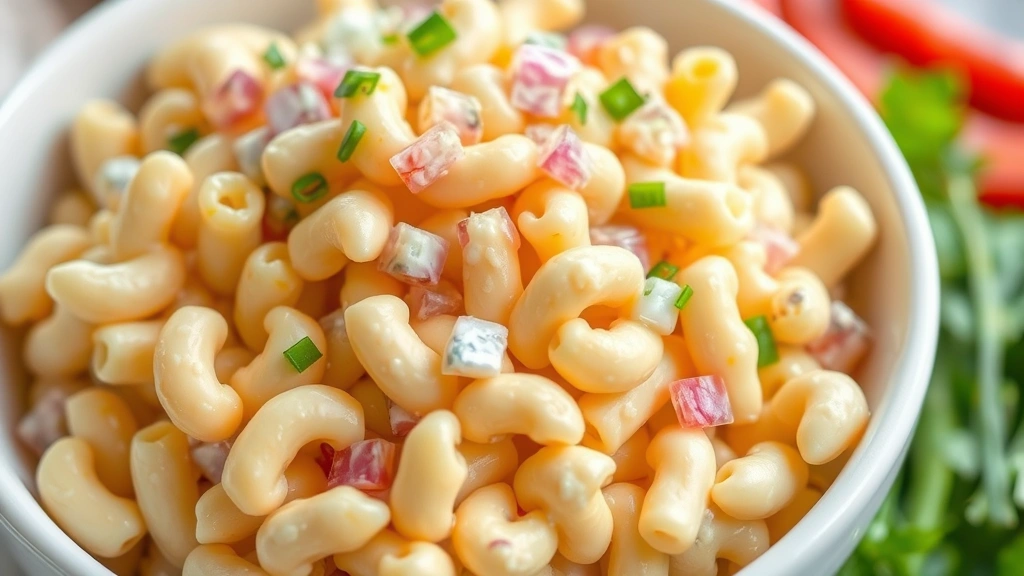
Authentic Hawaiian Mac Salad Recipe: Island Chef Tips
Hawaiian mac salad represents one of the most beloved comfort foods in island cuisine, yet many home cooks struggle to capture that authentic, creamy texture and perfectly balanced flavor that defines the real deal. This isn’t just any pasta salad—it’s a cultural staple that appears at every luau, potluck, and family gathering across Hawaii, with roots tracing back to plantation-era cuisine where Japanese, Portuguese, and Hawaiian influences merged into something uniquely delicious.
What makes authentic Hawaiian mac salad different from mainland versions is the specific mayo-based dressing, the type of pasta used, and the careful balance of sweetness, creaminess, and subtle tang. Island chefs have perfected this dish over generations, and in this guide, we’ll reveal their time-tested techniques to help you create restaurant-quality Hawaiian mac salad in your own kitchen.
What Makes Hawaiian Mac Salad Authentic
The defining characteristic of authentic Hawaiian mac salad recipe is its creamy, almost homogeneous texture where the pasta absorbs the dressing rather than sitting in a pool of mayo. Unlike traditional American mac salad served cold, Hawaiian versions often feature a slightly warm or room-temperature component that helps the pasta soak up flavors more effectively. This technique comes directly from island culinary traditions where simplicity and ingredient quality reign supreme.
Traditional Hawaiian mac salad includes elbow macaroni, Japanese-style mayo (which has a higher fat content than American brands), onions, and sometimes pineapple or ham. The key difference from summer salad recipes found on the mainland is the ratio of dressing to pasta—island versions use significantly more mayo, creating that signature creamy coating. Island chefs understand that the mayo isn’t just a binder; it’s the foundation of the entire dish’s personality.
The history of this dish reveals interesting cultural intersections. When Japanese immigrants arrived in Hawaii during the plantation era, they brought their love of mayo-based sides. This merged with Portuguese influences and local Hawaiian preferences, creating something entirely new. Understanding this heritage helps explain why authentic versions taste different from improvised recipes.
Essential Ingredients for the Perfect Recipe
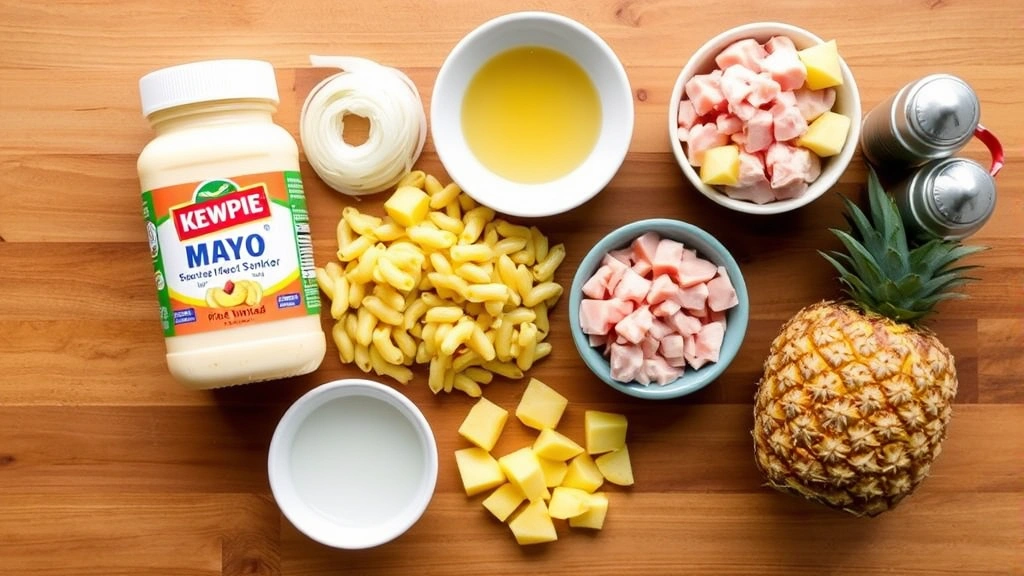
Creating an authentic Hawaiian mac salad starts with understanding each ingredient’s role. Here’s what you’ll need:
- Elbow macaroni: Use 1 pound of quality pasta—this is your foundation
- Japanese mayo: Kewpie brand is the gold standard; use 1.5 to 2 cups for proper creaminess
- Sweet onion: One large Maui onion or Vidalia, finely diced
- Rice vinegar: 2-3 tablespoons for subtle tang
- Sugar: 2-3 tablespoons to balance acidity
- Salt and white pepper: To taste, about 1 teaspoon each
- Optional ham or Spam: Diced into small cubes for authentic island flavor
- Optional pineapple: Fresh or canned, diced into small pieces
The choice of mayo is absolutely critical. Japanese Kewpie mayo contains egg yolks and lacks the sour taste of American mayo, creating a richer, more luxurious texture. This single ingredient swap elevates your dish from good to authentically Hawaiian. If you’re exploring quick and easy pasta recipes, this one delivers impressive results with minimal complexity.
When selecting your sweet onion, quality matters tremendously. Maui onions are traditional, but Vidalia onions work beautifully as a substitute. The sweetness of these onions creates a natural balance against the mayo’s richness. Dice them finely—small pieces distribute better throughout the salad and provide consistent flavor in every bite.
Step-by-Step Preparation Method
Step 1: Cook the pasta correctly. Bring a large pot of salted water to a rolling boil. Add your elbow macaroni and cook until just shy of al dente—about 1-2 minutes less than package directions. The pasta will continue to soften as it absorbs the dressing, so slightly undercooked pasta prevents mushiness. Drain thoroughly in a colander and set aside.
Step 2: Prepare the dressing base. In a large mixing bowl, combine your Kewpie mayo with rice vinegar and sugar. Whisk until completely smooth and well-integrated. This creates your dressing foundation. Some island chefs add a tablespoon of apple cider vinegar for extra depth, though traditional recipes rely solely on rice vinegar.
Step 3: Combine pasta while warm. This is the crucial technique many home cooks miss. Add your still-warm pasta to the dressing and fold gently but thoroughly. The warmth helps the pasta absorb the mayo more effectively, creating that signature creamy texture. If your pasta has cooled, you can briefly warm it under hot water, then drain completely before combining.
Step 4: Add the onions and seasonings. Fold in your finely diced sweet onions, salt, and white pepper. White pepper is preferred over black because it blends invisibly into the creamy dressing. Taste and adjust seasonings—you want a balance of creaminess, slight sweetness, and subtle tang.
Step 5: Incorporate optional ingredients. If using ham or Spam, briefly pan-fry the cubes until slightly crispy, then fold into the salad. If adding pineapple, drain it thoroughly to prevent excess moisture from diluting your dressing. Fresh pineapple provides better texture than canned.
Step 6: Rest and refine. Cover and refrigerate for at least 2 hours, preferably overnight. This resting period allows flavors to meld and the pasta to fully absorb the dressing. Before serving, taste again and add more mayo, vinegar, or seasonings as needed—flavors can seem muted when cold.
Dressing Secrets from Island Chefs
Island chefs guard their dressing techniques carefully, but several key principles emerge from traditional Hawaiian cooking. The ratio of mayo to pasta should be generous—approximately 1.5 cups of mayo per pound of pasta creates that signature creamy coating without appearing wet. This generous proportion distinguishes Hawaiian mac salad from lighter versions.
The sweetness balance is another closely guarded secret. Rather than relying on sugar alone, some island chefs incorporate a small amount of pineapple juice or even a splash of condensed milk for subtle sweetness and richness. This adds complexity that plain sugar cannot achieve. The vinegar component—whether rice vinegar, apple cider vinegar, or a combination—provides brightness that prevents the dish from becoming cloying.
Temperature management during preparation affects final results significantly. Combining warm pasta with dressing allows better absorption, but you must ensure all components are properly drained first. Excess moisture from pasta water or vegetable prep dilutes your dressing and creates a watery final dish. Island chefs understand that precision in these details separates authentic recipes from mediocre attempts.
Some traditional recipes include a small amount of mirin or sweet rice wine, adding depth that plain sugar cannot match. If you’re exploring organic vs non-organic food considerations for your ingredients, quality mayo and fresh vegetables make the biggest difference in final results.
Pro Tips for Texture and Flavor
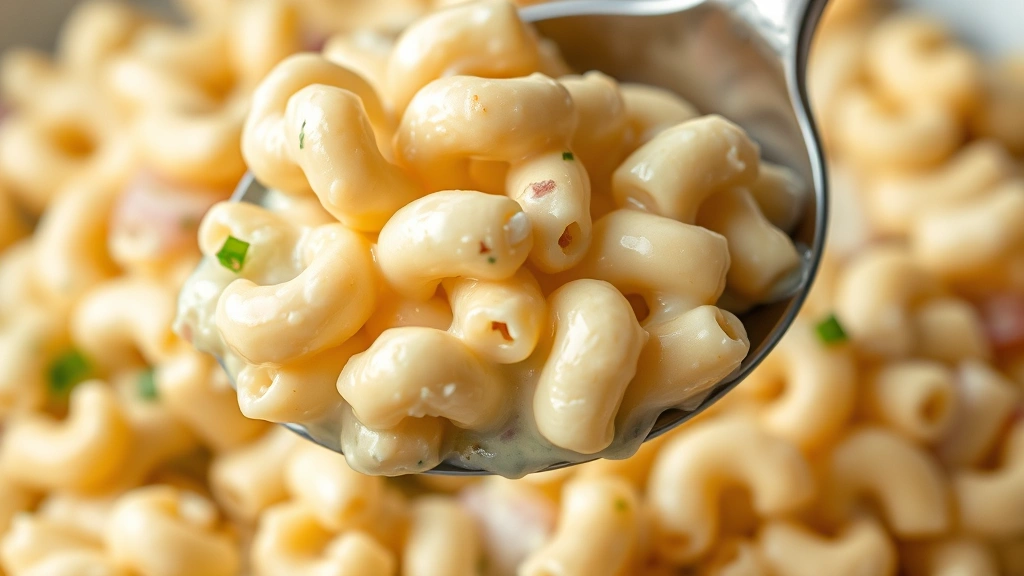
Texture perfection: The ideal Hawaiian mac salad should coat your spoon like a creamy sauce, not sit in a pool of liquid. If your salad appears too wet after refrigeration, fold in additional mayo a tablespoon at a time. Conversely, if it seems dry, add mayo and a small splash of rice vinegar together to maintain balance.
Onion intensity management: Some people find raw onions overpowering. To mellow the flavor, briefly soak your diced onions in ice water for 15 minutes before adding to the salad. This reduces the sharp bite while maintaining their texture and sweetness.
Preventing browning: If preparing the salad hours ahead, toss the pasta with a small amount of mayo immediately after cooking. This prevents the pasta from oxidizing and developing brown edges, which can occur when pasta sits exposed to air.
Flavor development over time: Unlike some salads that deteriorate overnight, Hawaiian mac salad actually improves as it sits. The flavors meld and deepen, and the pasta continues absorbing dressing. Prepare it a full day ahead for optimal results.
Customization while honoring tradition: While staying true to authentic recipes, you can incorporate variations. Some families add crispy bacon, roasted macadamia nuts, or grilled pineapple. The key is maintaining the creamy dressing foundation and balance of flavors that define the dish.
Storage and Make-Ahead Strategies
Hawaiian mac salad stores beautifully in the refrigerator for 3-4 days in an airtight container. The flavors actually improve as ingredients meld, making it an ideal dish for meal prep or entertaining. When storing, keep it covered to prevent the dressing from drying out and the pasta from absorbing unwanted refrigerator odors.
For potlucks or large gatherings, prepare the salad the night before and transport it in a covered container. If it seems dry after sitting, fold in additional mayo mixed with a teaspoon of rice vinegar to restore creaminess without adding excess liquid.
You can also prepare components separately and assemble shortly before serving. Cook and cool pasta ahead, prepare the dressing, dice vegetables, and combine everything 2-3 hours before eating. This approach works well if you’re concerned about texture changes during extended storage.
Freezing is not recommended—the mayo-based dressing separates and the pasta texture deteriorates upon thawing. Stick with refrigeration for best results. If you have leftovers, enjoy them within 4 days for peak quality and food safety.
For those interested in expanding their recipe collection, explore our easy vegan breakfast ideas or healthy dessert recipes for complementary dishes. You might also enjoy learning how to make granola bars for complete meal planning.
FAQ
Can I use regular American mayo instead of Kewpie?
While you can substitute American mayo, the results won’t be authentically Hawaiian. Kewpie contains more egg yolks and lacks the sour tang of American brands, creating superior creaminess and richness. The flavor difference is noticeable, so investing in the correct mayo is worthwhile.
How do I prevent my mac salad from becoming watery?
Ensure pasta is thoroughly drained before combining with dressing, dice vegetables finely, and drain canned pineapple completely. Use the proper mayo-to-pasta ratio (approximately 1.5 cups per pound of pasta), and store in airtight containers. If watering occurs during storage, fold in additional mayo to restore texture.
Can I make this salad vegan?
Traditional Hawaiian mac salad relies on mayo as its foundation, making strict vegan versions challenging. However, vegan mayo has improved significantly and can work as a substitute. Use brands with higher fat content for best results, and follow the same preparation techniques.
What type of pasta works best?
Elbow macaroni is traditional, but small pasta shapes like ditalini or small shells work well. Avoid thin pastas like spaghetti or large shapes like rigatoni, which don’t absorb dressing effectively. The goal is pasta that captures and holds the creamy dressing.
How far ahead can I prepare this dish?
Prepare Hawaiian mac salad up to 24 hours ahead for best results. The flavors improve as they meld, and the pasta continues absorbing dressing. Beyond 4 days, quality deteriorates and food safety becomes a concern.
Is Spam traditional in Hawaiian mac salad?
Spam appears in some Hawaiian recipes but isn’t universal. It’s a popular addition that reflects the dish’s plantation-era heritage. Use it if you enjoy the flavor, but authentic versions work beautifully with just pasta, mayo, and onions.


