High Protein, Low Calorie Meals? Nutritionist Approved
Building lean muscle, losing weight, or simply maintaining a healthier lifestyle doesn’t mean sacrificing flavor or satisfaction. The secret lies in understanding how to balance macronutrients—specifically, loading your plate with protein while keeping calories in check. High protein, low calorie meals have become the gold standard for fitness enthusiasts, busy professionals, and anyone serious about their nutritional goals.
Protein is the building block of muscle tissue, helps keep you feeling fuller longer, and requires more energy to digest than carbohydrates or fats. When you combine protein-rich foods with smart cooking techniques and calorie-conscious choices, you unlock the potential for meals that are simultaneously delicious, satisfying, and aligned with your health objectives. This guide walks you through everything you need to know about creating nutritionist-approved high protein, low calorie recipes that actually taste good.
Understanding Protein and Caloric Balance
Before diving into recipes, it’s essential to understand the science behind high protein, low calorie meals. Protein contains 4 calories per gram, the same as carbohydrates, but it affects your body differently. When you consume protein, your body enters a state called the thermic effect of food (TEF), burning approximately 20-30% of those calories just to digest it. This means eating 100 calories of chicken breast doesn’t equal 100 calories of white bread in terms of metabolic impact.
Nutritionists recommend consuming between 0.7 to 1 gram of protein per pound of body weight daily, depending on your activity level and fitness goals. For someone weighing 150 pounds aiming for muscle development, this translates to roughly 105-150 grams of protein daily. The beauty of high protein, low calorie meals is that you can achieve these targets without exceeding your daily caloric needs.
A typical high protein, low calorie meal contains at least 25-35 grams of protein while staying under 400-500 calories. This ratio ensures you’re getting substantial nutrition without excessive caloric intake. The remaining calories come from nutrient-dense vegetables, healthy fats in moderation, and complex carbohydrates that fuel your body effectively.
Best Protein Sources for Low Calorie Cooking
Selecting the right protein foundation is crucial for creating meals that deliver maximum nutrition with minimal calories. Not all protein sources are created equal, and understanding their nutritional profiles helps you make smarter choices.
Lean Poultry: Chicken breast and turkey are nutritional powerhouses, offering approximately 31 grams of protein per 100 grams with only 165 calories. These versatile proteins work in virtually any cuisine and cooking method. When preparing poultry, removing the skin eliminates unnecessary fat while maintaining tender, juicy meat when cooked properly.
Fish and Seafood: Salmon, cod, tilapia, and mahi mahi recipes provide complete proteins with omega-3 fatty acids. Mahi mahi contains 26 grams of protein per 100 grams with just 97 calories. These options are perfect for creating restaurant-quality meals at home while maintaining nutritional integrity.
Lean Beef: Choose cuts like sirloin, tenderloin, or 93% lean ground beef. These contain approximately 26 grams of protein per 100 grams with 180-200 calories. Beef provides iron, B vitamins, and creatine, making it invaluable for muscle development.
Egg Whites: With 11 grams of protein and only 17 calories per white, eggs offer unmatched protein-to-calorie efficiency. Whole eggs add beneficial fats, but whites alone are perfect for high protein, low calorie preparations.
Greek Yogurt: Non-fat Greek yogurt delivers 10 grams of protein per 100 grams with minimal calories. It’s excellent for smoothies, marinades, and creamy sauces without the guilt.
Legumes: Chickpeas, black beans, and lentils provide plant-based protein (15-25 grams per cooked cup) alongside fiber that promotes satiety. While slightly higher in calories than animal proteins, their nutritional density makes them invaluable.
Meal Prep Strategies That Actually Work
The difference between maintaining a high protein, low calorie lifestyle and abandoning it often comes down to preparation. Meal prepping removes the barrier of convenience and decision fatigue, ensuring nutritious meals are always accessible.
Batch Cooking Proteins: Dedicate 2-3 hours weekly to cooking large quantities of protein. Grill 10 chicken breasts, bake salmon fillets, and prepare ground turkey in bulk. Store them in airtight containers, properly refrigerated for up to four days. This foundation makes assembling meals throughout the week remarkably simple.
Vegetable Preparation: Wash, chop, and store vegetables in glass containers. Steamed broccoli, roasted Brussels sprouts, grilled zucchini, and raw bell peppers maintain quality for days when stored properly. Having vegetables ready encourages you to include them in every meal.
Sauce and Seasoning Blends: Create flavor-packed sauces using Greek yogurt, hot sauce, vinegar, and spices. Store these separately so you can customize meals without adding calories. This approach maintains meal variety while keeping preparation simple.
Portion Control Tools: Invest in quality food scales and measuring containers. Consistency in portions ensures you’re hitting your protein targets and caloric goals without guesswork.
Explore our best healthy food recipes for comprehensive meal planning inspiration across all seasons and occasions.
5 Delicious High Protein Recipes
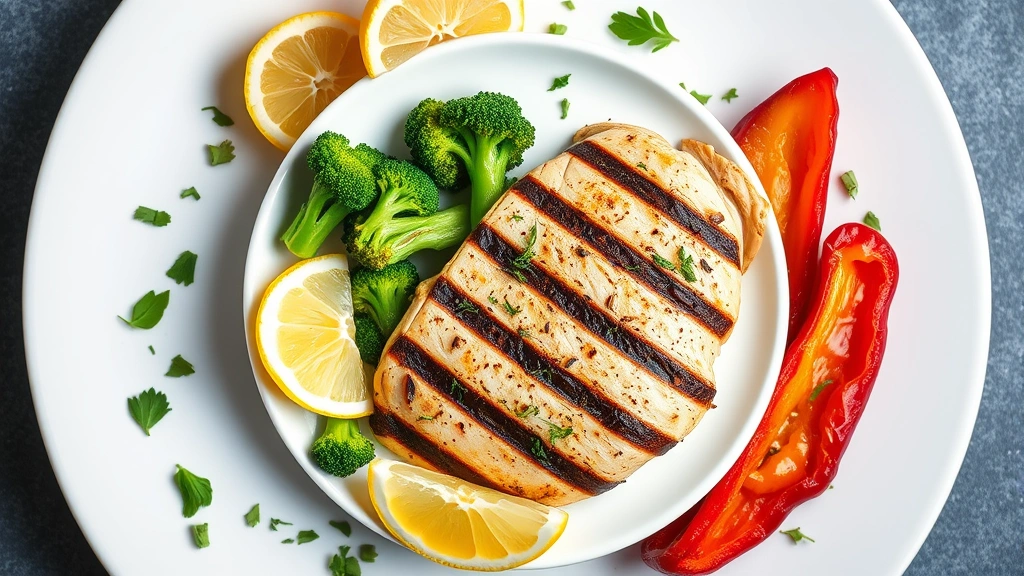
Recipe 1: Grilled Lemon Herb Chicken with Roasted Vegetables
This straightforward preparation delivers 38 grams of protein in just 380 calories. Season a 6-ounce chicken breast with lemon juice, garlic, rosemary, and thyme. Grill for 6-7 minutes per side until cooked through. Pair with roasted broccoli and bell peppers drizzled lightly with olive oil. The natural juices from the chicken eliminate the need for heavy sauces, keeping calories minimal while maximizing flavor.
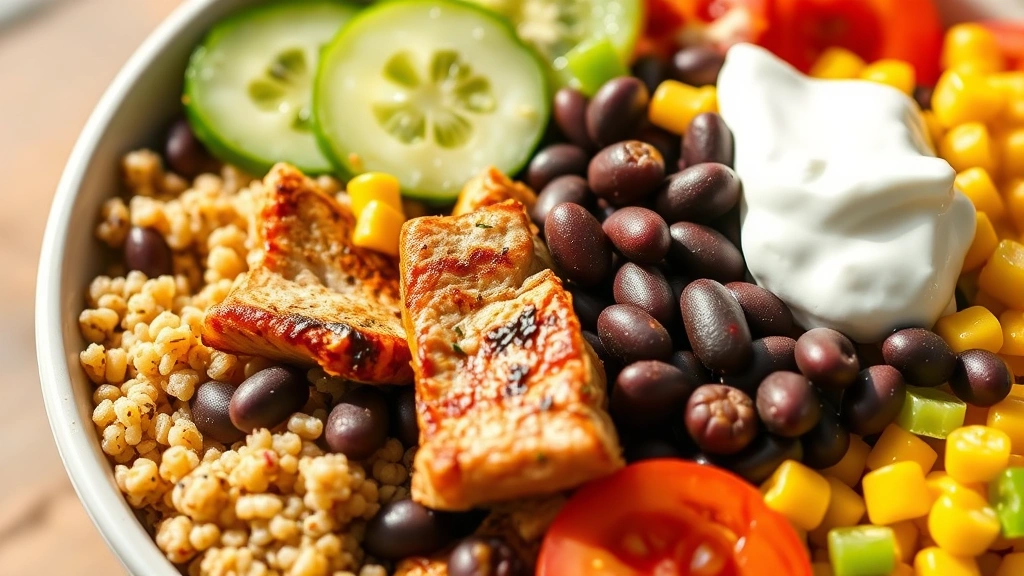
Recipe 2: Spiced Turkey and Quinoa Bowl
Ground turkey (93% lean) forms the base of this 420-calorie, 35-gram protein bowl. Brown 4 ounces of turkey with cumin, paprika, and garlic powder. Mix with ½ cup cooked quinoa, black beans, corn, and salsa. Top with a dollop of non-fat Greek yogurt. Quinoa provides complete amino acids, complementing the turkey’s protein profile perfectly.
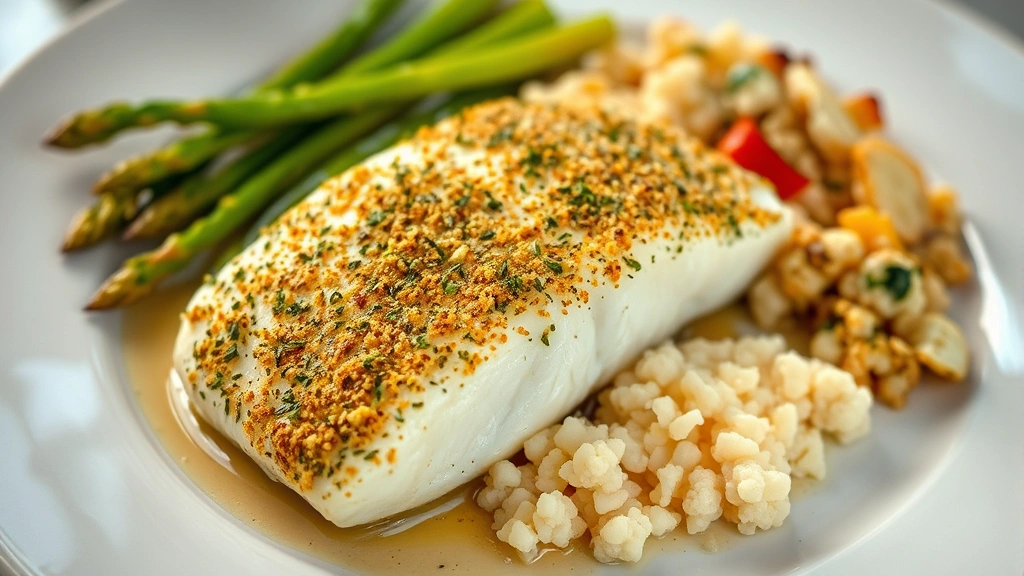
Recipe 3: Baked Cod with Herb Crust
Coat a 5-ounce cod fillet with Dijon mustard, then press a mixture of panko breadcrumbs, parmesan, and fresh herbs onto the surface. Bake at 400°F for 12-15 minutes. This delivers 30 grams of protein in just 240 calories. The crispy coating satisfies textural cravings without deep frying.
Recipe 4: Egg White Scramble with Vegetables
Whisk 6 egg whites and pour into a non-stick skillet with cooking spray. Add diced bell peppers, mushrooms, spinach, and onions. Season with everything bagel seasoning. This high protein, low calorie meal contains 28 grams of protein in approximately 180 calories. It works equally well for breakfast, lunch, or dinner.
Recipe 5: Shrimp Stir-Fry with Cauliflower Rice
Sauté 5 ounces of shrimp in a wok with minimal oil. Add cauliflower rice, broccoli, snap peas, and carrots. Season with ginger, garlic, and low-sodium soy sauce. This 290-calorie meal packs 28 grams of protein and demonstrates how simple Asian-inspired cooking creates satisfaction without excess calories.
Cooking Techniques to Maximize Nutrition
How you prepare food matters as much as what you prepare. Strategic cooking methods preserve nutrients while keeping calories low.
Grilling: Grilling allows fats to drip away from proteins naturally. The high heat creates flavorful crusts through the Maillard reaction, enhancing taste without added sauces. This technique works beautifully for chicken, fish, lean beef, and vegetables.
Steaming: Steaming preserves water-soluble vitamins that boiling leaches away. Steamed vegetables maintain vibrant colors and crisp textures while losing zero nutritional value. Use a bamboo steamer or metal steaming basket to prepare vegetables in under 10 minutes.
Baking: Baking proteins at moderate temperatures (375-400°F) ensures even cooking without drying. Combined with parchment paper and minimal added fats, baking produces tender, juicy results consistently.
Air Frying: This modern technique circulates hot air around food, creating crispy exteriors with minimal oil. Air-fried chicken wings, fish, and vegetables achieve fried-food satisfaction with a fraction of the calories.
Poaching: Gently simmering proteins in broth infuses flavor while keeping them moist. Poached chicken becomes incredibly tender and absorbs savory notes from aromatics in the cooking liquid.
Seasonings and Flavor Without Calories
Many people assume low-calorie eating means bland food. This couldn’t be further from the truth. Herbs, spices, and strategic flavor-building techniques create restaurant-quality meals without caloric penalties.
Dry Spice Blends: Create custom blends combining paprika, cumin, garlic powder, onion powder, cayenne, and black pepper. These add zero calories while building complex flavor profiles. Different combinations work for various cuisines—Mediterranean, Asian, Mexican, or Middle Eastern.
Fresh Herbs: Cilantro, parsley, basil, dill, and chives cost virtually nothing calorically but transform ordinary dishes. Add fresh herbs at the end of cooking to preserve their bright, fresh flavors.
Acid and Umami: Lemon juice, vinegar, and hot sauce add depth without calories. Soy sauce, miso paste, and nutritional yeast provide savory umami notes that satisfy the palate. A squeeze of lemon juice makes grilled chicken taste restaurant-quality.
Marinades and Rubs: Create low-calorie marinades using vinegar, citrus juice, garlic, and herbs. Marinate proteins for 30 minutes to several hours, infusing flavor while keeping calories negligible.
For additional inspiration, check out our fall recipes for seasonal high protein options that embrace autumn’s flavors through herbs and roasting techniques.
Understanding how to build nutrition-dense, satisfying meals opens doors to sustainable healthy eating. High protein, low calorie recipes aren’t restrictive or punishing—they’re strategic, delicious, and backed by nutritional science. Whether you’re preparing chicken carbonara recipe modifications or exploring feta pasta recipe variations with added protein, the principles remain consistent: prioritize protein, choose whole foods, and use cooking techniques that preserve nutrition.
FAQ
How much protein do I need daily for high protein meals?
Most fitness professionals recommend 0.7-1 gram per pound of body weight. For a 150-pound person, this means 105-150 grams daily. Your specific needs depend on activity level, age, and fitness goals. Consulting a registered dietitian provides personalized guidance.
Can I eat high protein, low calorie meals every day?
Absolutely. These meals are nutritionally complete and sustainable long-term. They provide sustained energy, promote muscle maintenance, and support weight management. However, variety matters—rotate different proteins and vegetables to ensure diverse micronutrient intake.
What’s the best high protein, low calorie snack?
Non-fat Greek yogurt with berries, hard-boiled egg whites, protein shakes, and turkey jerky offer excellent protein-to-calorie ratios. String cheese and almonds work for those including slightly more fat. Aim for snacks containing 10-15 grams of protein with under 150 calories.
How do I prevent high protein meals from becoming boring?
Rotate proteins (chicken, fish, beef, turkey, plant-based options), vary vegetables seasonally, and experiment with different cuisine styles. International seasonings prevent palate fatigue. Meal prepping multiple proteins simultaneously ensures variety throughout your week.
Are plant-based proteins as effective as animal proteins?
Most plant-based proteins are incomplete, lacking one or more essential amino acids. However, combining complementary proteins (beans with rice, lentils with quinoa) creates complete amino acid profiles. While slightly higher in calories, plant-based proteins offer fiber and micronutrients valuable for overall health.
Can I build muscle on high protein, low calorie meals?
Yes, when combined with progressive resistance training. Adequate protein supports muscle protein synthesis, while a slight caloric deficit or maintenance level prevents excess fat gain. This approach, called body recomposition, builds muscle while reducing body fat simultaneously.


