
Easy Homemade Bagels? Proven Recipe for Perfect Results Every Time
Making bagels at home might seem intimidating, but this proven homemade bagel recipe proves that anyone can master this classic New York staple in their own kitchen. The secret lies in understanding the fundamental technique: a simple dough, proper shaping, and boiling before baking. Unlike bread baking, bagels don’t require extensive rising times or complicated lamination methods. With just a few essential ingredients and about three hours of your time (mostly hands-off), you’ll produce bagels that rival your local bagel shop.
The beauty of homemade bagels is that you control every element—from the flour quality to the toppings and fillings. Whether you prefer classic plain bagels, sesame-studded varieties, or creative flavors like everything seasoning or poppy seed, this recipe serves as your foundation. Once you understand the dough structure and boiling process, customization becomes effortless. Let’s explore how to create bakery-quality bagels that will impress your family and friends.
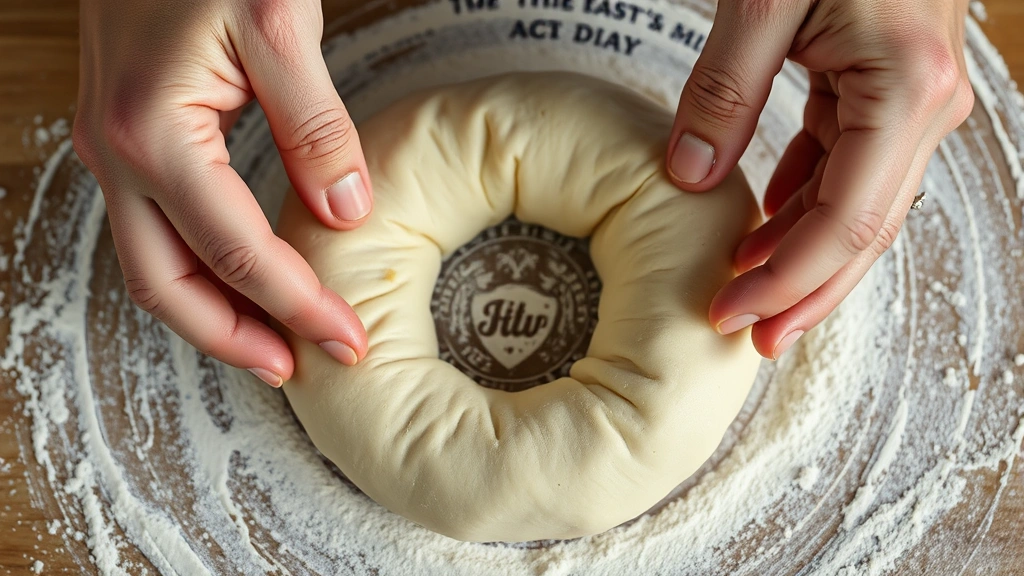
Essential Ingredients for Perfect Homemade Bagels
Before diving into the technique, let’s discuss the ingredients that make this homemade bagel recipe work so effectively. You’ll need surprisingly few items, which is part of what makes this recipe so accessible for home bakers.
Flour: Bread flour is essential for bagels—it contains higher protein content (around 12-14%) compared to all-purpose flour. This protein develops gluten networks that give bagels their characteristic chewy texture. If you only have all-purpose flour available, you can substitute it, though your bagels will be slightly less chewy.
Water: Use filtered or tap water at room temperature. The water quality matters more than you might think—hard water can affect gluten development, while chlorinated water in excess can inhibit yeast activity.
Yeast: Instant yeast (also called bread yeast) works perfectly for this recipe. One packet contains about 2¼ teaspoons. Avoid using active dry yeast, which requires longer hydration, or fresh yeast, which has different measurements.
Salt: Kosher salt strengthens gluten and controls fermentation. Table salt works but contains anti-caking agents, so measure slightly less if using it.
Honey or Malt Syrup: This ingredient is crucial for boiling water. It creates a slightly alkaline environment that helps bagels develop their distinctive chewy exterior and golden-brown color. You can use honey, barley malt syrup, or even baking soda as alternatives.
Complete Ingredient List:
- 4 cups bread flour (500g)
- 1½ teaspoons salt (9g)
- 1 tablespoon instant yeast (one packet)
- 1½ tablespoons honey or malt syrup
- 1⅓ cups water (320ml), room temperature
- Additional honey or malt syrup for boiling water
- Toppings of your choice (optional)
Equipment You’ll Need for Bagel Making
This homemade bagel recipe doesn’t require specialized equipment, but having the right tools makes the process significantly easier and more enjoyable.
- Stand mixer with dough hook: While you can knead by hand, a stand mixer saves considerable effort and produces more consistent results. A handheld mixer won’t work for this thick dough.
- Large pot or Dutch oven: For boiling bagels, you need a pot deep enough to allow bagels to float freely without crowding.
- Slotted spoon or spider strainer: Essential for removing boiled bagels from water without damaging them.
- Baking sheets: Two sheets allow you to bake bagels in batches. Line them with parchment paper to prevent sticking.
- Instant-read thermometer: Helpful for monitoring water temperature and dough temperature, which affects fermentation speed.
- Kitchen scale: While not absolutely necessary, weighing ingredients produces more consistent bagels than measuring by volume.
Making the Bagel Dough: Step-by-Step Instructions
The dough-making process for this homemade bagel recipe is straightforward and very forgiving. Unlike bread dough, bagel dough is intentionally stiff and dense.
Step 1: Combine Dry Ingredients
In your stand mixer bowl, combine 4 cups bread flour and 1½ teaspoons salt. These two ingredients form the foundation of your bagel dough. The salt is distributed throughout the flour at this stage, ensuring even distribution when mixed with water and yeast.
Step 2: Activate the Yeast
In a small bowl, combine 1 tablespoon instant yeast with 1⅓ cups room-temperature water. Let this mixture sit for 2-3 minutes. You’ll notice the yeast beginning to hydrate. Some bakers skip this step and add yeast directly to the dry ingredients, but pre-hydrating yeast ensures better distribution and more reliable fermentation.
Step 3: Mix the Dough
Add the yeast mixture and 1½ tablespoons honey to your flour and salt mixture. Attach the dough hook to your stand mixer and mix on low speed for about 5 minutes. The dough will be quite stiff—this is correct. If the dough seems too dry and won’t come together, add water one tablespoon at a time. Conversely, if it seems too wet and sticky, add flour in small increments.
Step 4: Knead the Dough
Increase mixer speed to medium and knead for an additional 8-10 minutes. The dough should become smooth and elastic. You’ll notice it pulling away from the bowl’s sides slightly. This kneading develops the gluten network that creates bagels’ chewy texture. If kneading by hand, this will take 15-20 minutes of vigorous kneading.
Step 5: First Rise
Form the dough into a ball and place it in a lightly oiled bowl. Cover with a damp kitchen towel or plastic wrap. Let it rise at room temperature for 1-2 hours until it increases by about 50% in volume. This isn’t a dramatic rise like bread dough—bagel dough rises much less because it’s denser.
Shaping and Proofing Your Bagels
Shaping is where your homemade bagel recipe truly comes alive. Proper shaping technique creates the iconic bagel form and affects how they cook.
Dividing the Dough
Turn your risen dough out onto a lightly floured work surface. Divide it into 8 equal pieces. You can use a bench scraper or knife, but a kitchen scale ensures each piece weighs approximately 90 grams. This consistency means all bagels bake in roughly the same time.
Pre-shaping
Roll each piece into a tight ball. This creates surface tension that helps maintain shape during proofing and boiling. Let these balls rest for 10 minutes—this relaxes the gluten slightly, making the next shaping step easier.
Creating the Bagel Shape
Take one ball and poke a hole in the center with your thumb. Gradually stretch the dough to create a ring approximately 3 inches in diameter with a hole about 1½ inches wide. The bagel should be uniform in thickness. You can also roll the dough into a rope and connect the ends, but the thumb-hole method is faster once you practice.
Second Rise (Cold Proof)
Place shaped bagels on parchment-lined baking sheets. Here’s where this homemade bagel recipe differs from most bread recipes: cover the bagels and refrigerate them overnight (8-24 hours) or freeze them for later use. This cold proofing develops flavor through slow fermentation and makes boiling easier because cold dough holds its shape better. If you’re in a hurry, you can do a room-temperature proof for 2-4 hours, but the flavor won’t be as complex.
For frozen bagels, you can bake them directly without thawing—just add an extra 2-3 minutes to the boiling time.
Boiling and Baking: Creating the Bagel’s Signature Exterior
The boiling step is what distinguishes bagels from other bread products. This is crucial to your homemade bagel recipe’s success.
Preparing the Boiling Water
Fill a large pot with about 3 quarts of water and bring it to a rolling boil. Add 1-2 tablespoons of honey or malt syrup (or 1 teaspoon baking soda). This ingredient creates a slightly alkaline environment that gelatinizes the dough’s exterior, creating that signature shiny, chewy crust.
Boiling Process
Working in batches to avoid crowding, carefully place bagels into the boiling water. They should sink initially, then float to the surface within 30 seconds to 1 minute. Once they float, boil them for 1 minute on each side (2 minutes total). Use a slotted spoon to flip them gently. Remove bagels with a slotted spoon and place them back on your parchment-lined baking sheets.
Baking Your Bagels
Preheat your oven to 425°F (220°C). If you’re adding toppings, do so immediately after boiling while the surface is still tacky. Bake bagels for 20-25 minutes until they’re golden brown. They should sound hollow when tapped on the bottom. The internal temperature should reach about 205°F (96°C).
Let bagels cool on a wire rack for at least 30 minutes before slicing. This cooling period allows the crumb structure to set properly.
Creative Topping Ideas for Your Homemade Bagels
One of the best aspects of making a homemade bagel recipe is customizing toppings exactly to your preferences. Apply toppings immediately after boiling while the surface is still moist.
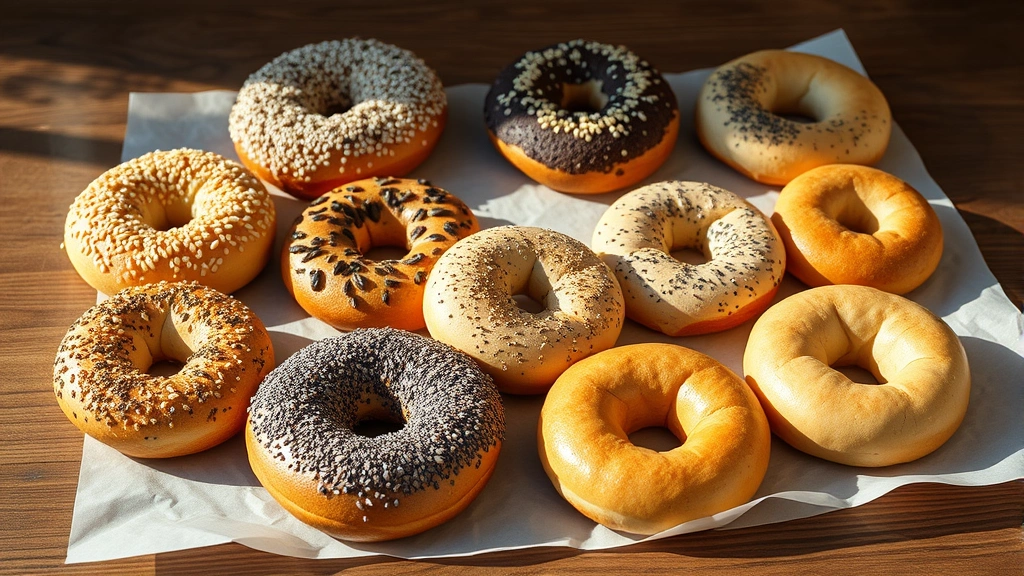
- Everything Bagel: Mix sesame seeds, poppy seeds, dried garlic, dried onion, and coarse salt. This versatile topping pairs beautifully with cream cheese or lox.
- Sesame or Poppy Seed: Classic choices that add nutty flavor and visual appeal. Use about 1 tablespoon per bagel.
- Sea Salt and Herb: Combine coarse sea salt with dried oregano, thyme, or Italian seasoning for a savory twist.
- Cinnamon Sugar: Mix cinnamon with granulated sugar for a sweet bagel perfect for breakfast. Add a drizzle of honey for extra sweetness.
- Everything Seasoning Variations: Create your own blend with fennel seeds, caraway seeds, or crushed red pepper flakes.
You might also consider filling your bagels with ingredients like shredded cheese, caramelized onions, or jalapeños before boiling. Some bakers prefer to stuff bagels after baking by slicing and adding fillings like cream cheese mixed with gochujang for a Korean-inspired bagel sandwich.
Troubleshooting Common Bagel Issues
Even experienced bakers occasionally encounter challenges with homemade bagel recipes. Here’s how to solve common problems:
Dense, Gummy Interior: This typically indicates under-baking. Ensure your oven temperature is accurate (use an oven thermometer), and bake until bagels are properly golden. Also, avoid slicing bagels until they’ve cooled completely.
Bagels Are Too Cakey: Your dough might be too wet or over-proofed. Ensure you’re using bread flour (not cake flour), and don’t let bagels rise too long before boiling. Cold proofing helps prevent over-proofing.
Pale Bagels Without Shine: This suggests your boiling water wasn’t hot enough or you didn’t add honey/malt syrup. Always use vigorously boiling water and ensure you’ve added the alkaline ingredient.
Bagels Are Tough and Chewy (Unpleasantly): You might be over-kneading or using too much salt. Follow measurements carefully, and don’t extend kneading time significantly beyond recommendations.
Bagels Lost Their Shape During Boiling: Your dough might have been over-proofed or too warm. Cold-proofing helps maintain shape. Alternatively, your boiling water temperature might be too high, cooking the exterior too quickly before the interior sets.
Holes Closing During Baking: Make the center hole slightly larger than you think necessary—it will shrink. Alternatively, place a skewer or wooden spoon handle through the hole before baking to keep it open.
Storage and Serving Your Homemade Bagels
Proper storage extends your homemade bagel recipe’s enjoyment for days or weeks.
Room Temperature Storage: Keep bagels in a paper bag or bread box for up to 2 days. Paper allows air circulation, preventing them from becoming overly soft while maintaining some moisture. Plastic bags trap steam and can make bagels soggy.
Freezer Storage: Wrap cooled bagels individually in plastic wrap, then place them in a freezer bag. They’ll keep for up to 3 months. Thaw at room temperature for 1-2 hours or reheat directly from frozen by slicing and toasting.
Refrigerator Storage: While not ideal, refrigerated bagels stay fresh for about 5 days. They may become slightly stale more quickly than room-temperature storage.
Reheating: The best way to refresh bagels is slicing them and toasting until the exterior is crispy. This restores their texture. You can also wrap them in foil and warm in a 350°F oven for 10 minutes.
Serving Suggestions: Serve your homemade bagels with classic cream cheese and lox, or get creative with toppings. Consider pairing them with roasted vegetables for a lunch option, or create bagel sandwiches with your favorite proteins and spreads.
Frequently Asked Questions About Homemade Bagels
Can I Make This Homemade Bagel Recipe Without a Stand Mixer?
Yes, absolutely. Mix the ingredients in a bowl, then knead by hand for 15-20 minutes. The dough is stiff, so it requires more effort than bread dough, but it’s entirely doable. Many bakers find hand-kneading meditative and enjoy the tactile connection to their baking.
What’s the Difference Between This Homemade Bagel Recipe and Bread?
Bagels use a much stiffer dough with higher hydration ratios relative to their volume. They’re boiled before baking, which gelatinizes the exterior and creates their signature chewy crust. Bread dough is softer and rises more dramatically. The boiling step is what fundamentally distinguishes bagels from bread.
How Long Does This Homemade Bagel Recipe Actually Take?
Active time is about 30-40 minutes. However, total time depends on your proofing method. With overnight cold-proofing, total time spans 2 days. With room-temperature proofing, plan for 4-5 hours. Most of this is hands-off waiting time.
Can I Use All-Purpose Flour Instead of Bread Flour?
You can, though results will be slightly less chewy. Bread flour’s higher protein content creates stronger gluten networks. If using all-purpose flour, add an extra tablespoon of water since it absorbs slightly less liquid.
What If I Don’t Have Malt Syrup or Honey?
Baking soda works as an alkaline alternative—use 1 teaspoon per quart of water. Some bakers use diastatic malt powder (a specialty ingredient available online). In a pinch, even brown sugar or regular sugar will work, though they won’t create the same alkaline environment.
Can I Make This Homemade Bagel Recipe Vegan?
Yes! The recipe is already vegan-friendly—it contains no eggs, dairy, or animal products. All ingredients are plant-based. The only consideration is ensuring your yeast is vegan (most commercial instant yeast is).
How Do I Know When My Bagels Are Done Baking?
Bagels should be deep golden brown on top and bottom. They should sound hollow when tapped on the bottom. An instant-read thermometer inserted into the center should read about 205°F (96°C). Err on the side of slightly longer baking rather than shorter—under-baked bagels have a gummy texture.
Why Did My Bagels Spread During Boiling?
This usually indicates over-proofing. Your dough was too warm or rose too long before boiling. Cold-proofing helps prevent this issue. Alternatively, your boiling water might not have been hot enough, causing the dough to soften and spread instead of setting.
Can I Add Flavors to This Homemade Bagel Recipe’s Dough?
Absolutely! Try adding 1-2 tablespoons of instant coffee powder for coffee bagels, or 1 teaspoon of vanilla extract for subtle sweetness. Whole wheat flour can replace up to 25% of bread flour. Cinnamon (2 teaspoons) creates delicious cinnamon bagels. Keep in mind that significant additions may affect hydration and fermentation timing.
What’s the Best Cream Cheese Spread for Homemade Bagels?
Classic plain cream cheese is timeless, but consider flavored spreads. Mix cream cheese with sautéed ingredients or herbs. Everything bagels pair beautifully with dill and caper-infused cream cheese. Cinnamon sugar bagels work wonderfully with honey-sweetened cream cheese.
Can I Prepare Bagels in Advance for a Breakfast Party?
Yes! Shape bagels, cold-proof them overnight, then freeze them. On your event day, boil and bake them fresh. This approach ensures warm, delicious bagels without morning stress. You can also bake them the day before and reheat them by slicing and toasting.
Is This Homemade Bagel Recipe Gluten-Free?
Not in its current form, as it relies on bread flour’s gluten network. However, you can experiment with high-protein gluten-free flour blends designed for bread baking. Results won’t be identical, but many bakers report success. Add xanthan gum (1 teaspoon) if your blend doesn’t contain it.
How Do I Make Mini Bagels?
Divide your dough into 16 pieces instead of 8. Reduce boiling time to 30 seconds per side and baking time to 15-18 minutes. Mini bagels are perfect for serving at brunch gatherings or creating petite sandwiches.
Mastering this homemade bagel recipe opens a world of baking possibilities. Once you understand the fundamental technique, you’ll confidently create variations and troubleshoot any issues. The reward—fresh, warm bagels made in your own kitchen—is absolutely worth the minimal effort required.


