Table of Contents
Introduction
Here’s something you’ve probably noticed: herbal teas are everywhere these days. Coffee shops, grocery stores, your friend’s kitchen counter—they’re becoming the go-to choice for people who want something warm and comforting without the caffeine jitters. Maybe you’re curious about them too? Whether you’re looking to unwind after a crazy day or just want to try something that actually tastes good AND might boost your health, herbal teas offer this amazing escape from your usual drink routine. The thing is, making a truly great cup isn’t as simple as dunking a tea bag in hot water. There’s an art to it—and we’re going to figure it out together.
What makes herbal teas so appealing isn’t just their variety (though wow, there’s a lot to choose from). It’s the fact that each one tells a different story. Think about it—chamomile flowers, peppermint leaves, lavender buds. Each brings its own personality to your cup. Unlike regular tea that all comes from the same plant, herbal infusions can be made from practically anything that grows. Pretty cool, right? Now, if you want these flavors to really shine, freshness is everything. Learning how to preserve herbs can be a game-changer here. Because nothing’s worse than opening your herb stash to find it’s lost all its punch. Trust me—fresh, properly stored herbs make all the difference between a mediocre cup and one that makes you go “wow.”
But let’s talk about why people are really falling in love with herbal teas. Sure, they taste great, but the health benefits? That’s where things get interesting. Your grandmother probably knew this already—certain herbs can help settle your stomach, calm your nerves, or give your immune system a little boost. Modern research backs up a lot of what traditional wisdom has been saying for centuries. If you’re curious about diving deeper into this side of things, checking out the benefits of drinking herbal tea will open your eyes to just how much these little plants can do. It’s like having a natural pharmacy in your kitchen cabinet.
There’s also something beautifully cultural about herbal teas. They connect us to traditions from around the world—think about it, every culture has its own healing brews and comforting cups. If you’re into food culture (and honestly, who isn’t?), watching some top food documentaries might spark some inspiration for your tea experiments. Plus, making herbal teas shares that same creative spirit as other kitchen adventures. Maybe you’re already making homemade sauces from scratch? Same energy. It’s all about taking simple ingredients and turning them into something special with your own hands.
What You’ll Learn in This Guide
We’re going to walk through everything you need to know to make incredible herbal teas at home. No fluff, just practical advice that actually works—whether you’re starting from zero or you’ve been experimenting and want to level up your game.
- Selecting the Right Herbs: Learn about popular herbs like chamomile, peppermint, and lavender including how to pick fresh versus dried herbs. You’ll understand flavor profiles and storage tips to maximize freshness and potency.
- Preparation Techniques: Master the step-by-step process to brew herbal tea, including measuring herbs, controlling water temperature, and ideal steeping times. These tips ensure your tea tastes perfect every time.
- Flavor and Health Benefits: Discover the health advantages associated with various herbs and how combining them can enhance both taste and wellbeing. Understand common benefits such as soothing digestion and boosting immunity.
- Safety and Moderation: Understand important safety considerations, allergies, and moderation guidelines. Learn how to avoid common mistakes and enjoy herbal teas responsibly for the best results.
Here’s what’s coming up: we’re going to get into the nitty-gritty of creating amazing herbal tea blends from scratch. You’ll learn how to choose herbs that actually complement each other (hint: it’s not just throwing random plants together), nail the perfect brewing technique, and create combinations that hit both your taste buds and your health goals. And since we’re talking about keeping things fresh, understanding preserving herbs properly means your tea stash will stay aromatic and potent through all seasons. Because there’s nothing quite like opening a jar of perfectly preserved mint in the middle of winter.
We’re not just covering the how-to stuff either. You’ll discover how herbal teas fit into a wellness routine that actually makes sense for real life. Look, I’m going to be straight with you about safety too—while these plants are generally gentle, some people have allergies, and yes, you can overdo it with certain herbs. Knowledge is power here, and knowing the guidelines means you can enjoy your teas with confidence instead of worry.
Ready to dive in? We’re about to explore something that’s part tradition, part science, and completely delicious. Whether you’re planning quiet evening wind-downs or looking for a natural energy boost, these skills will become part of your daily routine in the best way possible. Thousands of people are already discovering what makes herbal teas so special—the incredible flavors, the genuine health benefits, and honestly? The simple satisfaction of making something wonderful with your own hands. Let’s jump in and learn how to make herbal teas that will actually nourish your body and make your taste buds happy.
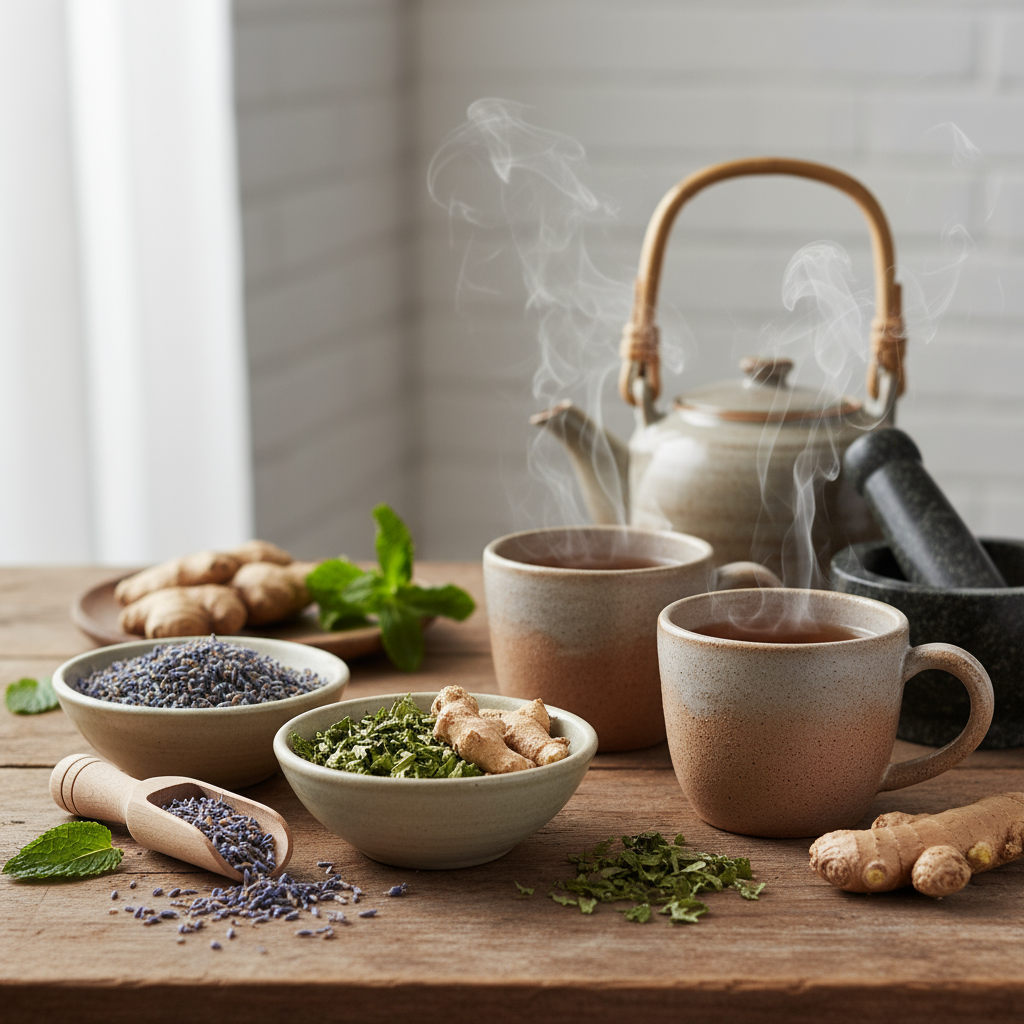
There’s something magical about herbal teas, isn’t there? Beyond just tasting amazing, they connect us to centuries of wellness traditions—and honestly, that’s pretty cool. Whether you’re sipping chamomile before bed or reaching for ginger when your stomach’s acting up, these natural brews offer way more than your average cup of tea. But here’s the thing: making truly great herbal tea isn’t just about dunking a tea bag in hot water. It’s an art form that involves picking the right herbs and knowing how to treat them properly. Master these basics, and you’ll unlock flavors and benefits that’ll make every cup feel like a small celebration. Ready to become the herbal tea maker you’ve always wanted to be? Let’s dive in.
Selecting Herbs for Herbal Tea
Here’s where it all starts: choosing your herbs. Think of this as the foundation of your tea game—get this right, and everything else falls into place. You’ve probably heard of the classics like chamomile, peppermint, ginger, and lavender. There’s a reason they’re everywhere: they taste great and actually work. But should you go fresh or dried? That’s the million-dollar question. Fresh herbs bring this vibrant, almost electric flavor that’s hard to beat. (I swear my first cup of fresh mint tea was a revelation.) The downside? They don’t stick around long, and good luck finding fresh lemon balm in January. Dried herbs are your reliable friend—they’re there when you need them, store forever, and deliver consistent results every single time.
Now, let’s talk personality. Each herb brings its own vibe to the party. Chamomile? It’s like a warm hug that whispers “time to relax.” Peppermint kicks things up a notch—it’ll wake up your digestive system and clear your head. Ginger brings the heat (literally) and gets your blood moving, while lavender floats in with these dreamy floral notes that instantly calm your nerves. The real fun starts when you begin mixing them together. Some combinations are magic—like pairing chamomile with a touch of lavender for the ultimate bedtime blend. Storage matters more than you’d think, though. Keep dried herbs in cool, dark spots (think pantry, not windowsill), and fresh ones need proper refrigeration. Whether you’re growing your own or buying from the store, quality makes a huge difference in both taste and potency. For a detailed dive into herb preservation techniques, you may find this guide on how to preserve herbs very useful.
Popular Herbs for Herbal Tea
Let me introduce you to the all-stars of the herbal tea world. These are the herbs that consistently deliver on both flavor and benefits:
- Chamomile: This gentle giant tastes like apples had a baby with honey. Perfect for winding down after a crazy day, and it actually helps you sleep better—no kidding.
- Peppermint: The wake-up call your taste buds didn’t know they needed. Great for upset stomachs and that post-meal sluggish feeling. Plus, instant fresh breath!
- Ginger: Spicy, warming, and seriously powerful. Your go-to when you’re feeling queasy or want to give your immune system a boost. Warning: it packs a punch.
- Lavender: Pure relaxation in plant form. The floral notes might seem fancy, but this herb means business when it comes to stress relief and better sleep.
- Rosemary and thyme: The savory wildcards that add depth and complexity. They’re like the herbs that make you think “hmm, what IS that?” in the best possible way.
Start with these, and you’ll have enough variety to keep things interesting for months. Want to get fancy with blending? That’s where the real experimentation begins—and trust me, it’s addictive.
Once you’ve got your herb game down, it’s time to master the brewing part. Because even the best herbs in the world won’t save you from bad technique.
How to Prepare Herbal Tea
Okay, let’s get serious about brewing. Making herbal tea isn’t rocket science, but there are definitely right and wrong ways to do it. Get it right, and you’ll extract all those amazing flavors and beneficial compounds without any of the bitter, “why did I do this to myself?” aftertaste. The secret? Pay attention to the details. How much herb you use, your water temperature, timing, and how you strain—each step matters more than you might think. Too little herb and you’re basically drinking hot water. Too much and you’ll pucker like you bit into a lemon.
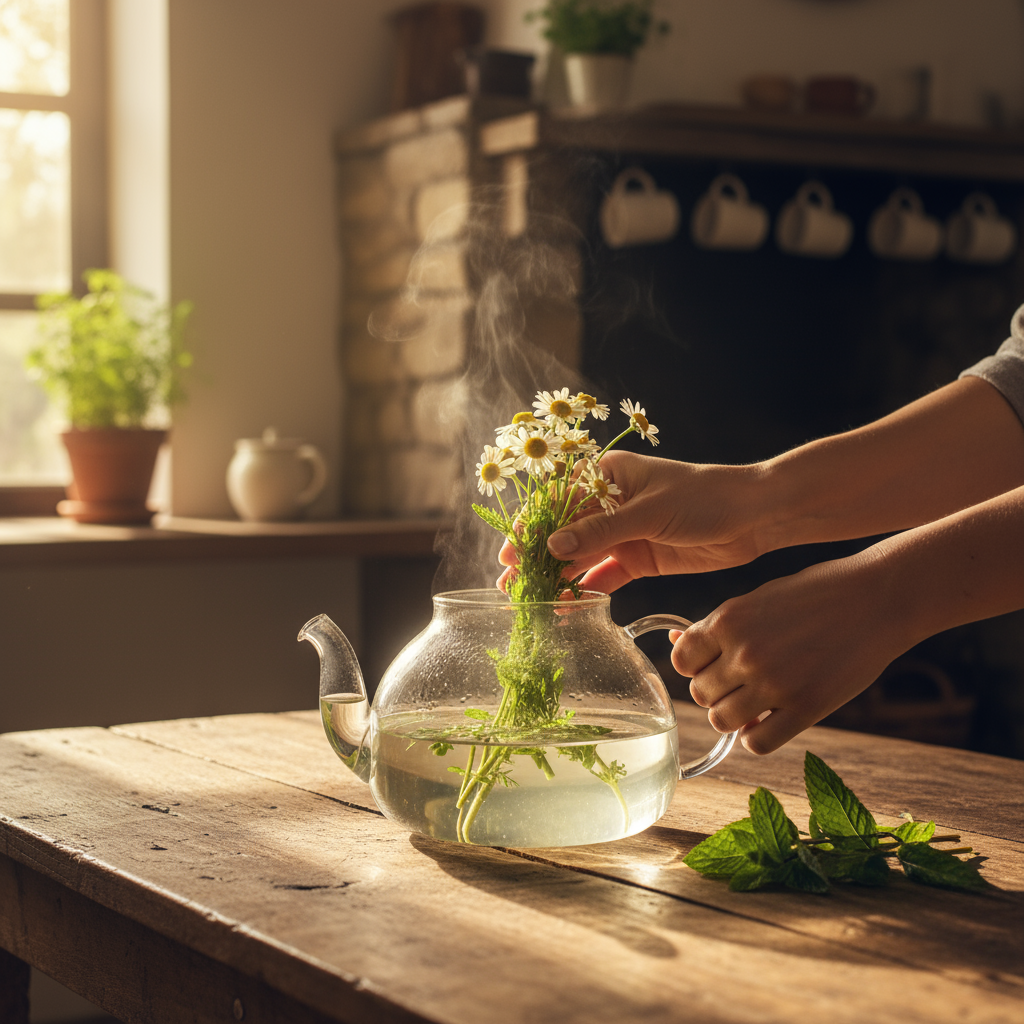
Here’s what most people get wrong: they assume all herbs are the same. Nope. Those delicate chamomile flowers need a gentle touch—think 5-7 minutes max. But that tough ginger root? It needs time to release its magic, sometimes up to 15 minutes. Water temperature is another game-changer. Most herbs love water that’s just hit boiling (around 200-212°F), but don’t let it keep bubbling away—that’ll destroy the good stuff. And please, for the love of good tea, strain it properly. Nobody wants to chew their way through herb bits. Some people like to jazz things up with honey, lemon, or even a splash of milk alternative, but honestly? Start simple and let the herbs shine. For a detailed explanation on preparation steps, this resource on homemade tea techniques can offer additional insights.
Preparation Steps for Herbal Tea
Ready to nail this every single time? Here’s your foolproof method:
- Measuring Herbs: One teaspoon of dried herbs per cup is your starting point—but taste as you go. Some herbs are gentle, others will knock your socks off. Fresh herbs? Go with about a tablespoon.
- Boiling Water: Heat fresh, filtered water until it’s just about to boil or hits a rolling boil. Don’t overthink this part, but definitely don’t use water that’s been sitting around all day.
- Steeping Time: This is where patience pays off. Light, flowery herbs get 5-7 minutes. Roots, barks, and the tougher stuff? Give them 10-15 minutes to work their magic.
- Straining: Use a fine mesh strainer or a proper tea infuser. Your goal is crystal-clear tea without any floaty bits. Trust me, your taste buds will thank you.
Follow these steps, and you’ll be making tea that would impress even the pickiest tea snob. The best part? Once you get the hang of it, you can start experimenting with your own blends and really make this practice your own.

There’s something magical about herbal teas, isn’t there? More than just a warm drink, they’re like liquid history—carrying centuries of wisdom, healing traditions, and comfort in every single cup. Now that we’ve covered everything from picking the perfect herbs to nailing that ideal brewing technique, you’re ready to create teas that’ll make your taste buds (and your body) thank you.
Think about it: you’ve got chamomile for those restless nights, peppermint when your stomach’s acting up, ginger to warm you from the inside out, and lavender when life gets a bit too hectic. Pretty amazing how nature packages all this goodness, right? And here’s the thing—understanding whether to go fresh or dried, how to store your herbs properly, getting those measurements just right, watching your water temperature, and timing that steep perfectly? These aren’t just technical details. They’re the difference between a “meh” cup and one that makes you close your eyes and sigh with satisfaction.
We’ve talked about smart combinations that boost both flavor and health benefits, plus those safety basics you absolutely need to know. (Because nobody wants a surprise allergic reaction with their evening tea!) Armed with all this knowledge, you can now craft blends that aren’t just delicious—they’re exactly what your body needs. It’s about reconnecting with those ancient wellness rituals while enjoying a naturally caffeine-free alternative that won’t leave you wired at bedtime.
Want to take this even further? Learning how to preserve herbs means you’ll have vibrant, potent ingredients year-round—even when your garden’s buried under snow. Trust me, future you will appreciate having that herb stash ready to go. And since we’re talking about wholesome living, pairing your tea ritual with healthy food recipes creates this beautiful foundation for overall wellness. Plus, if you’re feeling adventurous in the kitchen, exploring how to make homemade sauces opens up flavor combinations that complement your herbal drinks perfectly. For the science-minded folks who want to dive deeper into the “why” behind herbal tea benefits, this comprehensive guide breaks down everything from antioxidants to stress relief—because understanding the magic makes it even more special.
Here’s my advice: embrace this journey with curiosity and confidence. Every cup you brew is a small act of self-care, a moment to pause and be present. Whether you’re winding down after a crazy day or gently easing into your morning, these herbal infusions offer something beautiful—a simple, natural way to nurture yourself. Keep experimenting with new combinations, stay mindful about safety, and let this practice become one of those daily rituals that genuinely makes life better. One warm, fragrant cup at a time.
Frequently Asked Questions
-
What herbs are best for beginners?
- Chamomile and peppermint are gentle and easy to brew, making them perfect starting points for anyone new to herbal teas.
-
Can I use fresh herbs for herbal tea?
- Yes, fresh herbs provide vibrant flavors but may require more careful storage. Dried herbs offer convenience and longer shelf life.
-
How long should I steep herbal tea?
- Steeping times vary by herb. Light flowers like chamomile steep around 5-7 minutes, while tougher roots like ginger may need up to 15 minutes.
-
Are there any side effects of drinking herbal tea?
- Some herbs can cause allergies or interact with medications, so it’s important to consume herbal teas in moderation and know your sensitivities.
-
Can I combine different herbs in one tea?
- Yes, combining herbs can enhance flavors and benefits if chosen thoughtfully and balanced properly.