Table of Contents
Introduction
Picture this: you’re twirling fresh pasta around your fork, and that first bite hits—rich, aromatic sauce that tastes like it came straight from an Italian grandmother’s kitchen. That’s the magic of homemade pasta sauce. And honestly? Once you make it yourself, those jarred sauces start tasting like sugary afterthoughts.
Here’s what I love about making sauce from scratch—you’re the boss. Want it garlicky? Go for it. Prefer less salt? You got it. No weird preservatives or high fructose corn syrup sneaking into your dinner. Just real ingredients doing what they do best. Fresh tomatoes, good olive oil, garlic that makes your kitchen smell incredible—these aren’t just ingredients, they’re the foundation of something special. If you’re ready to dive deeper into sauce-making techniques, check out this guide on how to make homemade sauces for some serious inspiration.
But making great sauce isn’t just about following a recipe. It’s about understanding how flavors work together. How garlic mellows when you cook it low and slow. How good tomatoes practically melt into silky perfection. Whether you’re planning to pair it with store-bought pasta or you want to go all-in with fresh noodles (and trust me, homemade pasta takes this to another level), the skills you learn here will change how you think about cooking. Plus, vegetarian? Meat lover? Somewhere in between? Homemade sauce adapts to whatever you’re craving.
Let’s talk practical stuff for a second. You know how you always end up with leftover sauce? Good news—homemade sauce actually keeps better than you’d think, and reheating it properly can make it taste even better the next day. Getting the texture just right, knowing when to add salt, figuring out storage—these little details matter. And if you’re someone who cares about food waste (we all should), learning about reducing food waste can help you make the most of every tomato and herb.
What You’ll Learn in This Guide
Ready to transform your pasta nights? Here’s exactly what we’re covering:
- Essential Ingredients: We’ll break down everything from choosing the right tomatoes to understanding why good olive oil matters, plus which herbs and spices will make your sauce sing.
- Step-by-Step Preparation: No confusing chef-speak here—just clear, simple steps that take you from chopping garlic to that perfect simmer that fills your kitchen with amazing smells.
- Variations of Pasta Sauce: Whether you want classic marinara, a hearty meat sauce, something creamy, or plant-based options that actually taste incredible—we’ve got you covered.
- Tips for Perfection: The insider tricks for getting that ideal consistency, how to taste and adjust seasoning like a pro, and the best ways to store and reheat your sauce so it tastes fresh every time.
Coming up, we’ll start with the ingredients—and I mean really understanding them, not just buying them. Because when you know why certain tomatoes work better than others, or how different olive oils can change your sauce’s personality, that’s when the magic happens.
By the time you finish reading this, you’ll have everything you need to make sauce that has people asking for your secret. (Spoiler alert: the secret is caring about what you’re doing and using good ingredients.) Want to take it even further? Pair your homemade sauce with fresh pasta—it’s like the difference between a good meal and a memorable one.
So grab your apron and let’s do this. Your kitchen’s about to smell amazing, and your pasta nights are about to get a serious upgrade. Trust me—once you taste the difference, there’s no going back.
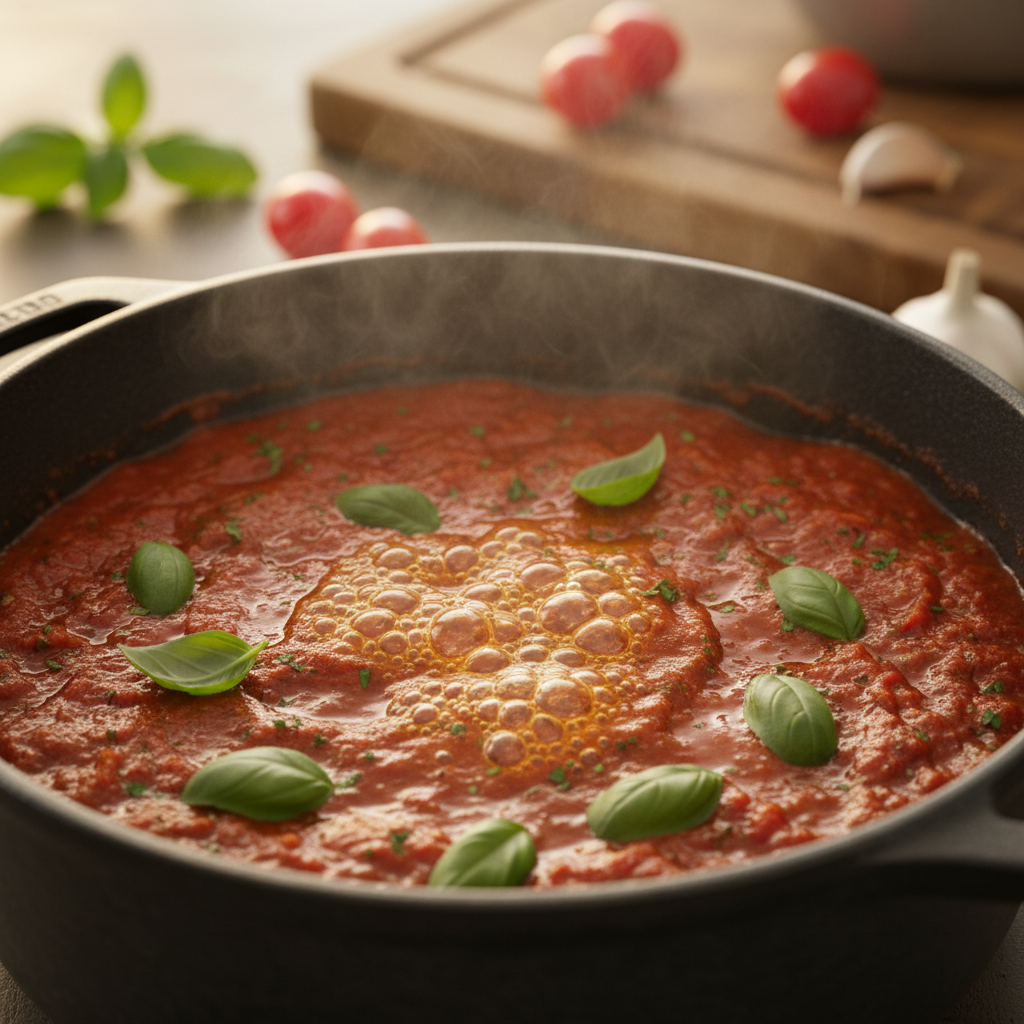
There’s something magical about making your own pasta sauce from scratch. Maybe it’s the way your kitchen fills with the smell of garlic and fresh basil, or how satisfying it feels to create something completely your own. Whatever it is, homemade pasta sauce beats anything you’ll find in a jar—and here’s the best part: you get to control every single ingredient that goes into it. Want it spicier? Add more red pepper flakes. Prefer it sweeter? A pinch of sugar does the trick. Unlike those store-bought versions loaded with preservatives and mystery ingredients, your sauce will be exactly what you want it to be. We’re going to walk through everything you need to know about making incredible pasta sauce at home, from choosing the right tomatoes to storing your masterpiece for later. Whether you’ve been cooking for years or you’re just getting comfortable in the kitchen, these tips will help you create sauces that’ll make your pasta dishes absolutely unforgettable.
Essential Ingredients and Step-by-Step Preparation for Homemade Pasta Sauce
Here’s the thing about great pasta sauce—it all starts with quality ingredients. You don’t need a dozen exotic items, just a few really good ones. Ripe tomatoes (fresh when they’re in season, quality canned when they’re not), garlic, olive oil, and onions form the heart of most traditional sauces. These aren’t just random ingredients thrown together; each one plays a specific role. The garlic and onions? They’re your flavor builders, creating that aromatic base that makes your mouth water. The olive oil brings everything together with its smooth richness. And the tomatoes? Well, they’re the star of the show. Getting to know these ingredients—really understanding what they bring to the party—makes all the difference in your final result. If you want to see exactly how this comes together, check out this guide on homemade sauces step by step that walks you through everything from peeling tomatoes to getting those aromatics just right.
Now, let’s talk about the supporting cast. Fresh herbs like basil and oregano aren’t just garnishes—they’re flavor powerhouses that transform a good sauce into something spectacular. Salt and pepper might seem obvious, but knowing when and how much to add makes a huge difference. And those little extras like red pepper flakes or a tiny bit of sugar? They’re your secret weapons for balancing flavors and adding that personal touch. The key is understanding that great cooking happens in layers. You don’t just dump everything in a pot and hope for the best. There’s an art to building these flavors, and once you get the hang of it, you’ll never want to go back to jarred sauce again. The detailed techniques in these expert pasta sauce guides will show you exactly how to chop, sauté, and simmer your way to sauce perfection.
Key Aspects of Ingredients and Preparation
Ready to get your hands dirty? Here’s what you need to focus on to make your sauce shine:
- High-quality Tomatoes: This is where it all begins. Fresh, ripe tomatoes are incredible when they’re in season, but don’t feel guilty about using good canned tomatoes year-round—they’re often better than out-of-season fresh ones. Peeling fresh tomatoes gives you that silky smooth texture, while whole peeled canned tomatoes pack serious flavor. Know which to use when, and your sauce will thank you.
- Aromatics Preparation: Here’s where patience pays off. Chop your onions evenly and mince that garlic fine—you want those essential oils released without overwhelming everything else. Gently sautéing them in olive oil (no rushing this step!) builds the foundation that everything else sits on. Get this right, and you’re halfway to sauce heaven.
- Herbs and Seasoning: Fresh herbs are game-changers, but dried ones work too—just use them differently. Add fresh herbs near the end to keep their bright flavor, while dried herbs can go in earlier to meld with everything else. And here’s a pro tip: taste as you go. That balance of salt, pepper, and maybe a touch of sugar helps tame any harsh acidity and brings all the flavors into harmony.
- Simmering to Develop Flavor: This is where the magic happens. Low and slow simmering lets all those ingredients get to know each other, deepens the flavors, and naturally thickens your sauce. Don’t rush this part—good sauce takes time. Keep the heat gentle to avoid burning, and let those delicate flavors develop the way they’re meant to.
Think of these as your basic rules for sauce success. Once you’ve got the fundamentals down, you can start getting creative. Speaking of which, let’s talk about how to take your basic sauce and turn it into something completely your own.
Variations, Tips, and Best Practices for Perfecting and Storing Pasta Sauce
Once you’ve mastered the basics, the real fun begins. This is where you can let your personality shine through your cooking. Want a classic marinara that’s bright and fresh? Keep it simple with tomatoes, garlic, and basil. Craving something heartier? Brown some ground beef or Italian sausage and let those flavors meld into the sauce. Feeling fancy? Try a creamy tomato sauce that’s rich and indulgent. The beauty of making your own sauce is that you’re in complete control. Vegetarians can load up on roasted vegetables and fresh herbs for incredible depth. Meat lovers can experiment with different proteins. The base technique stays the same, but the possibilities are endless. For some seriously inspiring ideas, take a look at these best sauce recipes for pasta that’ll show you just how creative you can get with step-by-step instructions for each variation.
Now, let’s talk about the finishing touches that separate good sauce from great sauce. Getting the consistency right is crucial—you want something that coats your pasta beautifully without being too thick or too thin. Tasting and adjusting as you cook isn’t just recommended, it’s essential. Sometimes your sauce needs a pinch more salt, sometimes a splash of pasta water to loosen things up. And if you want that restaurant-smooth texture, a quick buzz with an immersion blender works wonders. Don’t forget about storage either—making a big batch means you can enjoy great sauce all week long. The trick is knowing how to store it properly and reheat it without losing any of that fresh flavor you worked so hard to create. You’ll find all the insider tips you need in these expert homemade sauce tips that cover everything from texture tweaks to the best storage methods.
Key Aspects of Sauce Variations and Perfection Techniques
Ready to take your sauce game to the next level? Focus on these key areas:
- Creative Sauce Options: Don’t be afraid to experiment! Classic marinara is wonderful, but so is a rich meat sauce with ground beef or spicy Italian sausage. Creamy tomato sauces bring luxury to weeknight dinners. The secret is understanding how different ingredients play together, so you can adapt your base recipe to fit any craving or dietary need.
- Consistency Adjustment: This is where you become the artist. Longer cooking time naturally thickens your sauce, while a quick blend with an immersion blender smooths things out. Need to thin it? A splash of pasta cooking water or good broth does the trick. The goal is a sauce that hugs your pasta perfectly—not too thick, not too thin, but just right.
- Seasoning Fine-tuning: Great cooks taste constantly and adjust as they go. Start conservative with salt and build up. Balance acidity with a tiny bit of sugar if needed. Layer in herbs throughout the cooking process for complex, satisfying flavors. Trust your palate—it’s your best tool in the kitchen.
- Storage and Reheating: Make a big batch and you’ll thank yourself later. Store your sauce in airtight containers in the fridge for up to a week, or freeze it for months. When reheating, do it gently on the stove rather than the microwave—your sauce will taste fresher and won’t separate. Low heat and a little patience preserve all those beautiful flavors you created.

There’s something magical about making your own pasta sauce from scratch. Really. Sure, you could grab a jar from the store, but where’s the fun in that? When you start with fresh tomatoes, good olive oil, garlic that actually smells like garlic, and herbs that make your kitchen smell like heaven—that’s when the real magic happens. You get to control everything: how much garlic (always more), how chunky or smooth, how much heat. It’s your sauce, your rules.
Here’s what I’ve learned after years of sauce-making: consistency is everything, but it’s not as scary as it sounds. Too thick? Let it simmer a bit longer or give it a quick blend. Too thin? Just keep cooking—time is your friend here. And don’t even get me started on storage. (Okay, I will get started.) Proper storage isn’t just about keeping your sauce fresh—it’s about having that moment three weeks later when you open your freezer and find liquid gold waiting for you. Trust me, future you will thank present you.
Ready to take your sauce game to the next level? You’ve got options. Check out our guide on how to make homemade sauces if you want to branch out beyond tomato-based goodness. Need something quick for tonight’s dinner? Our quick and easy pasta recipes will save your weeknight sanity. Looking to eat a bit healthier without sacrificing flavor? Our collection of best healthy food recipes proves you can have both. And if you’re like me and hate throwing away perfectly good ingredients, these food waste reduction tips will change how you think about cooking.
Look, making homemade pasta sauce isn’t just about the food—though the food is pretty amazing. It’s about that confidence you feel when you know you can create something delicious from basic ingredients. It’s about the way your house smells when that sauce is bubbling away. It’s about watching people take that first bite and seeing their face light up. Keep experimenting, keep tasting (obviously), and most importantly, keep having fun with it. Your pasta nights are about to become legendary.
Frequently Asked Questions
-
Can I use fresh tomatoes instead of canned?
- Yes, fresh tomatoes can be used and often result in a fresher-tasting sauce.
-
How long does homemade pasta sauce last?
- Generally, it lasts up to 4-5 days in the refrigerator.
-
Can I freeze homemade pasta sauce?
- Yes, freezing is an excellent way to preserve the sauce for several months.
-
What can I do if my sauce is too acidic?
- Adding a pinch of sugar or longer cooking time can reduce acidity.
-
Do I need to peel tomatoes for the sauce?
- Peeling is optional but can improve texture for a smoother sauce.