Table of Contents
Introduction
Picture this: you’re standing in your kitchen, about to create something that seemed impossible just a few years ago—creamy, tangy, absolutely delicious cheese that happens to be completely plant-based. Sound too good to be true? It’s not. And trust me, once you taste homemade vegan cheese, you’ll wonder why you waited so long to try making it yourself.
The plant-based movement isn’t just a trend anymore—it’s become a way of life for millions of people. Some folks make the switch for health reasons, others for the environment, and many simply because they’re curious about what’s possible without dairy. Whatever brought you here, you’re in for a treat. Vegan cheese isn’t just some sad dairy substitute (we’ve all had those rubbery store-bought versions). When done right, it’s a completely unique food category with flavors and textures that’ll surprise you. If you’re already exploring plant-based cooking, checking out vegan meal prep recipes can give you tons of ideas for pairing your homemade cheese with complete, satisfying meals.
Now, let’s talk ingredients—because this is where the magic happens. Cashews and almonds are your best friends here. They’re the creamy foundation that makes everything work. But here’s what’s cool: you’re not limited to nuts. Coconut milk adds richness that’ll make you swoon, while tofu brings body and substance. And nutritional yeast? That’s your secret weapon for getting that authentic cheesy flavor that makes people do a double-take. Each ingredient you choose shapes the final result, so understanding these building blocks will take your cheese game from “pretty good” to “how did you make this?!” For more inspiration on plant-based ingredients that pack serious nutritional punch, take a look at plant-based protein sources—many of these overlap with what makes great vegan cheese.
Here’s something that might surprise you: making your own vegan cheese isn’t just about avoiding dairy. (Though if that’s your goal, you’re definitely on the right track.) When you go plant-based, you’re often signing up for some pretty impressive health benefits—think lower cholesterol, better heart health, and more energy. Plus, there’s the environmental angle, which honestly feels pretty good when you’re enjoying something delicious that also happens to be kinder to the planet. Making cheese at home means less packaging waste, fewer preservatives, and complete control over what goes into your food. Speaking of reducing waste, if you’re interested in making your kitchen more sustainable overall, these food waste reduction tips are gold for anyone who wants to cook more mindfully.
What You’ll Learn in This Guide
Ready to become a vegan cheese wizard? This guide will take you from complete beginner to confident cheese maker, covering everything you need to know to create restaurant-quality results in your own kitchen.
- Ingredients for Vegan Cheese: We’ll explore the nuts, plant milks, nutritional yeast, and probiotics that form the foundation of amazing vegan cheese—plus how to choose the right combination for different styles.
- Step-by-Step Preparations: From soaking your nuts to getting the perfect blend, fermentation timing, and setting techniques that deliver that perfect creamy texture every single time.
- Types of Vegan Cheese: Discover everything from soft, spreadable varieties perfect for crackers to firm, aged cheeses that slice beautifully—and how to customize recipes to match your taste preferences.
- Tips for Best Results: Learn the insider tricks that separate good vegan cheese from great vegan cheese, including how to nail the texture, boost the flavor, and store your creations so they stay fresh and delicious.
By the end of this guide, you’ll have all the knowledge and confidence you need to experiment, innovate, and create cheeses that’ll have everyone asking for your secrets. Whether you’re making them for yourself, your family, or to impress friends at your next gathering, you’ll be amazed at what’s possible with the right techniques and a little creativity.
We’ll also share some fantastic resources along the way to help you expand your plant-based cooking skills beyond cheese. Because once you start down this path, you’ll probably want to explore more healthy, delicious options that complement your new cheese-making hobby. For instance, these healthy food recipes are perfect for showcasing your homemade vegan cheeses in complete, satisfying meals.
So grab your apron and get ready for one of the most rewarding kitchen adventures you’ll ever embark on. We’re about to turn simple plant-based ingredients into something truly special—creamy, flavorful, absolutely irresistible vegan cheese that you made with your own two hands. Ready? Let’s make some magic happen.
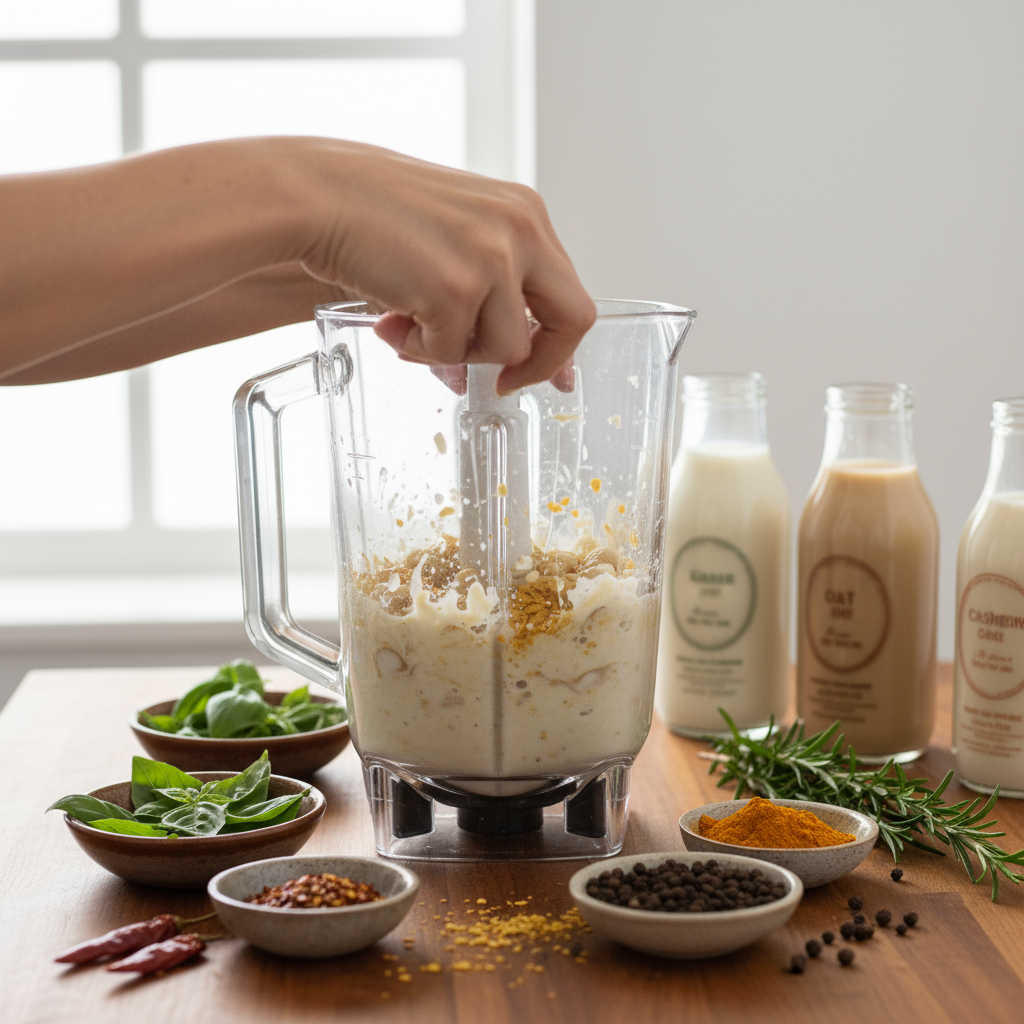
So we’ve talked about how vegan cheese has taken off, but now comes the fun part—let’s dig into what actually goes into making these delicious dairy-free creations at home. When you know your ingredients inside and out, you can tweak flavors and textures until they’re exactly what you’re craving. New to the vegan kitchen? No worries. Looking to nail that perfect cheese consistency? We’ve got you covered. The secret lies in mixing nuts, plant milks, and some clever flavor boosters to create something that’ll make you forget all about dairy.
Essential Ingredients for Vegan Cheese
Here’s where the magic starts—with your base ingredients. These are what give your cheese that creamy, satisfying texture we all love. Cashews and almonds? They’re absolute game-changers. Rich, creamy, and they blend like a dream into that perfect cheese-like consistency. Then you’ve got plant milks—coconut, almond, you name it—providing that liquid foundation your recipes need.
And don’t sleep on tofu. I know, I know—it doesn’t sound exciting, but it brings protein and structure to the party. But here’s the real star: nutritional yeast. This golden, flaky wonder delivers that cheesy, umami punch that makes your taste buds think “cheese!” without a single cow involved.
Want to take things up a notch? Herbs, spices, and acids like lemon juice or apple cider vinegar are your best friends here. They add layers of complexity that transform your cheese from good to absolutely incredible. Speaking of herbs, keeping them fresh can make or break your cheese game—check out our guide on how to preserve herbs to keep those flavors popping. And if you’re thinking about boosting the nutritional value (because why not?), loading up on antioxidant-rich ingredients is a smart move. Our article on foods rich in antioxidants has some great ideas for that.
But wait—there’s more to flavor layering than just herbs and spices. Think sauces and fermented goodies that bring that tangy depth your cheese craves. Homemade sauces? Total game-changer for customization. Our resource on how to make homemade sauces will open up a world of possibilities. When you combine all these flavoring elements, you’re not just making vegan cheese—you’re creating something that rivals the complex flavors of traditional dairy cheese, all while keeping it completely plant-based.
Key Aspects of Ingredients for Vegan Cheese
Ready to experiment? Here’s what each ingredient brings to your cheese-making adventure:
- Nut Bases like Cashews and Almonds: These powerhouses give you that rich, creamy texture that works whether you’re making a spreadable cheese or going for something firmer. Their natural fats blend beautifully and actually help with fermentation when you’re feeling ambitious.
- Plant Milks including Coconut and Almond: It’s not just about adding liquid—these milks totally change your cheese’s personality. Coconut brings richness, almond adds a subtle sweetness. Choose wisely!
- Flavor Enhancers such as Nutritional Yeast and Acids: Here’s your flavor duo. Nutritional yeast serves up that essential cheesy umami, while acids like lemon juice provide the bright tang that makes your taste buds sing.
- Herbs, Spices, and Fermented Ingredients: This is where you get creative. Fresh herbs plus fermented elements like probiotics? That’s how you go from homemade to gourmet-level cheese that’ll impress everyone.
Now that you know what ingredients can do, it’s time to roll up your sleeves and start creating. Making vegan cheese is honestly one of the most rewarding kitchen adventures you can embark on—it rewards creativity and patience in equal measure. Ready for the hands-on part? Let’s walk through the actual process step by step, so you can make incredible vegan cheese with confidence, whether you’re a total beginner or someone who’s been at this for a while.
Step-by-Step Guide to Making Vegan Cheese
Okay, let’s get real for a second—making vegan cheese at home is way easier than you think. The whole process basically comes down to soaking, blending, flavoring, and sometimes a bit of fermentation or setting time. Each step matters, but none of them are complicated once you know what you’re doing.
First things first: soaking your nuts properly. This isn’t optional—it’s what prevents that gritty texture nobody wants. Think of it like the prep work you’d do for making fresh pasta (which, by the way, requires the same kind of careful ingredient handling and patience—our detailed guide on homemade pasta has some great tips on that front). When you’re experimenting with flavors, you might find inspiration in unexpected places. Our easy vegan breakfast ideas could spark some interesting cheese combinations that work perfectly with plant-based eating.
The blending stage is where precision matters—you want that silky smooth consistency that makes people go “wow.” Then comes the fun part: adding your thickening agents and letting flavors develop. Some cheeses need fermentation time to develop that deep, complex taste. Others just need some chill time to set properly. The beauty of doing this yourself? You control everything. Want it mild and spreadable? You’ve got it. Craving something strong and sliceable for your next cheese board? That’s totally doable too. The process is genuinely enjoyable, and the results? Absolutely worth it.
Key Aspects of Making Vegan Cheese
Master these steps and you’ll be turning out perfect vegan cheese every single time:
- Soaking Nuts Adequately: Don’t rush this step. Properly soaked nuts mean smooth, creamy cheese without any grittiness. Your blender (and your taste buds) will thank you.
- Blending to Smooth Consistency: High-powered blenders or food processors are your friends here. That velvety texture is non-negotiable for spreads and soft cheeses—it’s what separates the pros from the amateurs.
- Adding Flavor and Thickening Agents: This is your flavor-building moment. Nutritional yeast for that cheesy punch, lemon juice for brightness, and natural thickeners like agar or tapioca starch for the perfect firmness.
- Fermentation or Setting Process: Want that aged cheese vibe? Fermentation develops incredible depth and tanginess. For other styles, it’s all about the chill time or culturing process that gives you the texture you’re after.

Here’s the thing about vegan cheese—it’s not just a substitute anymore. It’s become this incredible culinary playground where cashews, almonds, tofu, and nutritional yeast team up with herbs, spices, and probiotics to create something genuinely amazing. Want a soft, spreadable cheese for your morning toast? Easy. Craving something firm and aged-tasting for your charcuterie board? Totally doable. The best part? With a little experimenting (and yes, some happy accidents along the way), you can create flavors and textures that’ll make you forget all about dairy.
Making vegan cheese at home is surprisingly straightforward once you get the hang of it. Start by soaking your nuts—this step matters more than you’d think because it removes any bitterness and gives you that creamy base you’re after. Then comes the fun part: blending everything until it’s silky smooth. Add your thickening agents and flavor enhancers, and watch the magic happen. Some recipes need fermentation time (which sounds fancy but really just means patience), while others just need a good chill in the fridge. Trust me, after a few batches, you’ll start developing that intuitive feel for getting the balance just right.
The secret to consistently great results? Pay attention to the little things. How long you soak matters. Getting your seasoning balance right is crucial. And proper storage? That’s what keeps your cheese fresh for weeks (or months if you freeze it). Taking this thoughtful approach doesn’t just guarantee better flavor—it also means you’re reducing all that packaging waste from store-bought alternatives. Plus, you know exactly what’s going into your food. No weird preservatives, no mystery ingredients.
Ready to dive deeper? Start experimenting with those soaking and blending techniques we talked about. For amazing flavor combinations, check out our detailed guide on how to preserve herbs—fresh herbs can absolutely transform your cheese game. And if you want to create complete, restaurant-worthy meals, our step-by-step homemade pasta recipe pairs beautifully with homemade cheese. For even more flavor possibilities, our comprehensive tutorial on how to make homemade sauces will give you tons of creative ideas. And because we’re all about that sustainable kitchen life, our practical food waste reduction tips will help you make the most of every ingredient.
If you’re embracing the whole plant-based lifestyle (and honestly, why wouldn’t you?), it’s worth understanding the bigger picture. Learn about diverse plant-based protein sources to keep your energy up and nutrition on point. For the full story on why this way of eating rocks, discover the benefits of a plant-based diet—spoiler alert: your body and the planet will thank you.
Look, making your own vegan cheese is one of those skills that just keeps giving back. Every batch you make is proof that delicious, nourishing food doesn’t have to compromise your values or your health. It’s satisfying in a way that goes beyond just taste—you’re creating something with your own hands that supports a cleaner planet and a healthier you. So grab those ingredients, fire up that blender, and let your creativity run wild. Your future self (and dinner guests) will be seriously impressed.
Frequently Asked Questions
-
What ingredients make the best vegan cheese?
- Common ingredients include nuts, plant milks, nutritional yeast, and probiotics for flavor and texture.
-
Can I make vegan cheese without nuts?
- Yes, alternatives like tofu, coconut milk, and tapioca starch can be used to create delicious nut-free vegan cheeses.
-
How long does vegan cheese last?
- Typically, refrigerated vegan cheese lasts 1 to 2 weeks, and freezing can extend its shelf life further.
-
Is fermentation necessary when making vegan cheese?
- Fermentation adds depth of flavor and improves texture but is optional depending on the specific recipe and desired cheese style.