Hugo Spritz Recipe: Bartender’s Favorite Mix!
The Hugo Spritz has become a beloved aperitif across Europe and beyond, captivating cocktail enthusiasts with its refreshing, herbaceous profile and elegant simplicity. This Italian-Austrian hybrid drink combines the best of both worlds: the sophistication of a classic spritz with the aromatic complexity of elderflower liqueur. Whether you’re hosting a summer gathering or looking to impress guests with bartender-quality cocktails at home, mastering the Hugo Spritz recipe is an essential skill that transforms any occasion into something special.
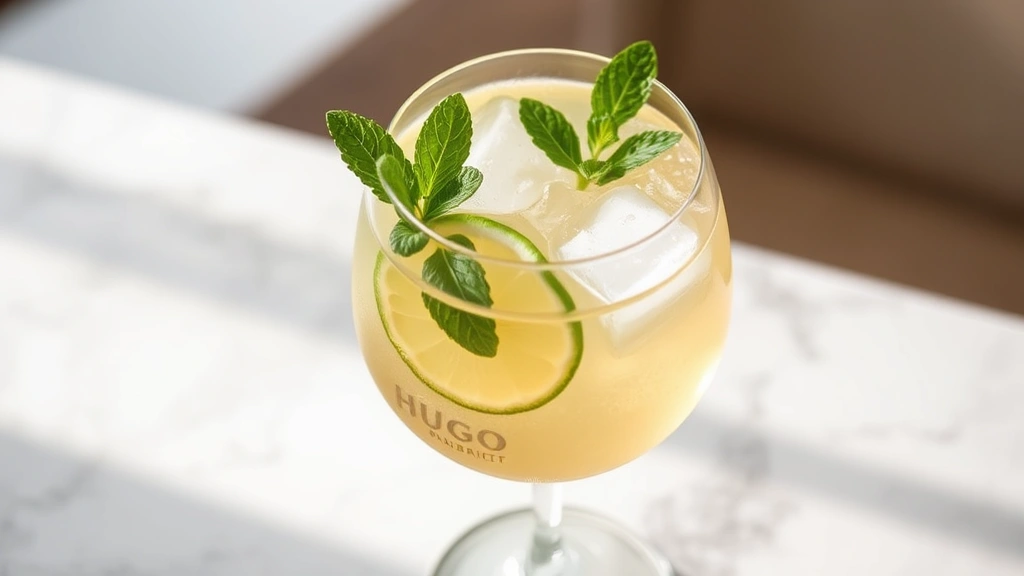
What makes this cocktail truly remarkable is its accessibility paired with its refined taste. Unlike many complex mixed drinks that require multiple ingredients and advanced techniques, the Hugo Spritz achieves sophistication through the quality of its components and precise proportions. The drink’s popularity surged in the early 2000s when Italian bartenders began experimenting with St-Germain elderflower liqueur, creating what has become one of the most requested summer cocktails in bars worldwide. Its pale golden hue, delicate bubbles, and aromatic mint garnish make it as visually appealing as it is delicious.
This comprehensive guide will walk you through everything you need to know about crafting the perfect Hugo Spritz, from understanding each ingredient to mastering the technique that bartenders use to achieve consistent excellence.
What is a Hugo Spritz?
The Hugo Spritz is a light, refreshing cocktail that emerged from the vibrant bar scene of Northern Italy and Austria during the early 2000s. It represents the evolution of the traditional Spritz, which dates back to the Austro-Hungarian Empire when soldiers would dilute wine with water for longer-lasting refreshment. The Hugo variation introduces St-Germain elderflower liqueur, fresh mint, and lime, creating a more complex and aromatic version of this classic aperitif.
This drink belongs to the category of long drinks or aperitifs, meaning it’s designed to be enjoyed slowly, often before a meal to stimulate appetite. The Hugo Spritz’s relatively low alcohol content (around 9-11% ABV depending on proportions) makes it perfect for daytime entertaining or casual social gatherings. Its popularity has grown exponentially, with bartenders around the world claiming their own signature versions while maintaining the drink’s fundamental character.
The beauty of the Hugo Spritz lies in its balance: the effervescence of prosecco provides brightness, the elderflower liqueur contributes floral sweetness, fresh mint adds herbaceous freshness, and a touch of lime brings tartness that prevents the drink from becoming cloying. This harmonious combination creates a sophisticated yet approachable cocktail that appeals to both seasoned cocktail enthusiasts and casual drinkers.
Essential Ingredients Explained
Understanding each ingredient in your Hugo Spritz recipe is crucial for achieving bartender-quality results. Every component serves a specific purpose in creating the drink’s signature flavor profile and texture.
Prosecco or Sparkling Wine: This Italian sparkling wine forms the foundation of your Hugo Spritz, typically comprising about 50% of the drink’s volume. Prosecco is preferred because of its light body, subtle fruit notes, and fine carbonation. When selecting prosecco, choose a quality bottle that you would enjoy drinking on its own—avoid the cheapest options, as they often taste thin and overly sweet. Look for prosecco labeled “Brut” or “Extra Dry” for a drier profile that balances the sweetness of the elderflower liqueur. The wine’s effervescence is essential for creating that characteristic lightness and the visual appeal of the cocktail.
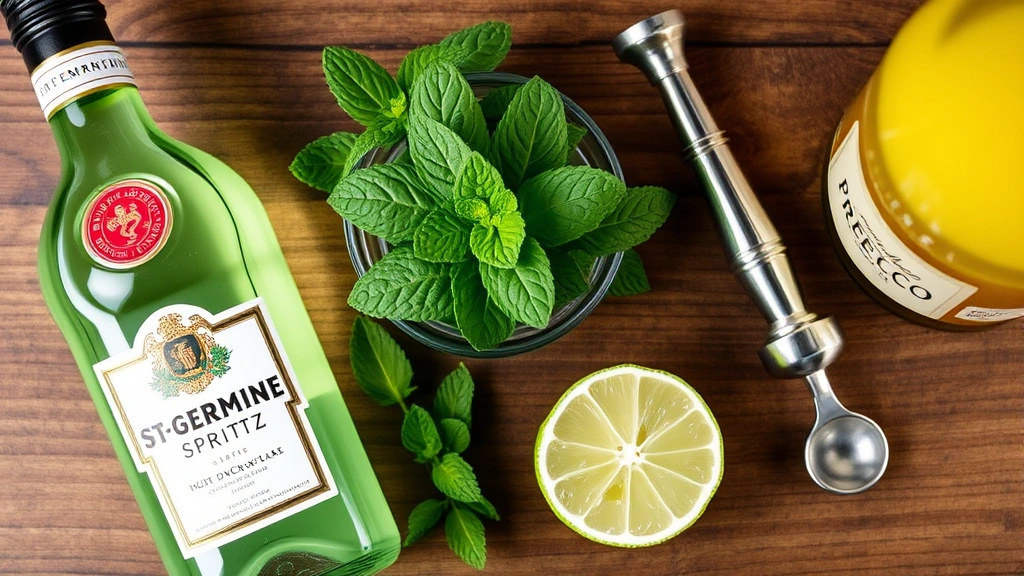
St-Germain Elderflower Liqueur: This French liqueur is the signature ingredient that distinguishes a Hugo Spritz from other aperitifs. St-Germain is made from fresh elderflowers harvested in the Loire Valley, combined with other botanicals and alcohol. It contributes a delicate, floral sweetness with subtle herbal undertones that complement the mint and lime beautifully. Typically, you’ll use 0.5 to 1 ounce (15-30ml) per drink. If you cannot find St-Germain specifically, some bartenders use other elderflower liqueurs, though the flavor profile may differ slightly. The liqueur’s pale golden color is also responsible for the Hugo Spritz’s distinctive appearance.
Fresh Mint: Beyond its role as a garnish, fresh mint is a working ingredient in the Hugo Spritz. Gently muddling or slapping a few mint leaves releases their essential oils, infusing the drink with bright, herbaceous notes that elevate the entire flavor experience. Always use fresh, vibrant mint leaves rather than dried varieties. Spearmint works well, though some bartenders prefer peppermint for a more pronounced cooling effect. The mint should be added to the glass before other ingredients and handled with care to avoid over-bruising, which can create bitter flavors.
Fresh Lime: A fresh lime squeeze provides the acidity necessary to balance the drink’s sweetness and adds brightness to the overall flavor profile. Fresh lime juice is non-negotiable—bottled lime juice cannot replicate the vibrant acidity and aromatic qualities of fresh-squeezed juice. You’ll typically need about half a lime per drink, yielding approximately 0.25 to 0.5 ounces (7-15ml) of juice. The lime also contributes a subtle citrus aroma that complements both the elderflower and mint.
Soda Water or Club Soda: While not always included in traditional recipes, many bartenders add a splash of soda water to extend the drink and add extra effervescence. This addition is optional and depends on personal preference and the desired alcohol content. Some purists argue that prosecco alone provides sufficient carbonation, while others appreciate the extra lightness that soda water provides.
Ice: Quality ice is essential for any cocktail. Use large ice cubes or chunks rather than small crushed ice, as larger ice melts more slowly, preventing your drink from becoming diluted. If you’re serious about cocktails, investing in an ice maker that produces clear, large cubes is worthwhile. The ice should be clean and free from any off-flavors.
Step-by-Step Recipe Instructions
Now that you understand the ingredients, let’s walk through the process of making a perfect Hugo Spritz. This straightforward recipe is designed to be executed quickly and consistently, whether you’re making one drink or several.
Classic Hugo Spritz Recipe (Single Serving)
Ingredients:
- 6-8 fresh mint leaves
- 0.5 ounce (15ml) fresh lime juice
- 0.75 ounce (22ml) St-Germain elderflower liqueur
- 3 ounces (90ml) prosecco or dry sparkling wine
- 0.5 ounce (15ml) soda water (optional)
- Large ice cubes
- Lime wheel for garnish
- Additional mint sprig for garnish
Instructions:
- Prepare Your Glass: Select a large wine glass or spritz glass (around 10-12 ounces). Fill it with large ice cubes, allowing them to stack naturally rather than packing them tightly. This creates proper chilling while minimizing dilution.
- Add Mint: Gently place 6-8 fresh mint leaves into the glass. Using the back of a bar spoon or muddler, lightly slap the mint against the side of the glass just enough to release the aromatic oils. Avoid aggressive muddling, which bruises the leaves and creates bitter flavors. You want a subtle release of fragrance, not a pulverized herb.
- Add Lime Juice: Squeeze fresh lime juice directly into the glass. If you’re making multiple drinks, consider pre-juicing your limes using a citrus juicer for consistency. Pour approximately 0.5 ounce into the glass.
- Pour St-Germain: Measure out 0.75 ounce of St-Germain elderflower liqueur using a jigger and pour it into the glass. This amount provides the characteristic floral sweetness without overwhelming the other ingredients.
- Add Prosecco: Pour 3 ounces of chilled prosecco into the glass. Pour slowly to preserve the carbonation and create a pleasant visual effect as the bubbles rise through the drink.
- Top with Soda Water (Optional): If desired, add 0.5 ounce of soda water for extra effervescence and a lighter feel.
- Stir Gently: Using a bar spoon, stir the drink gently for about 3-4 seconds. This distributes the ingredients evenly while maintaining carbonation. Avoid over-stirring, which causes excessive ice melting.
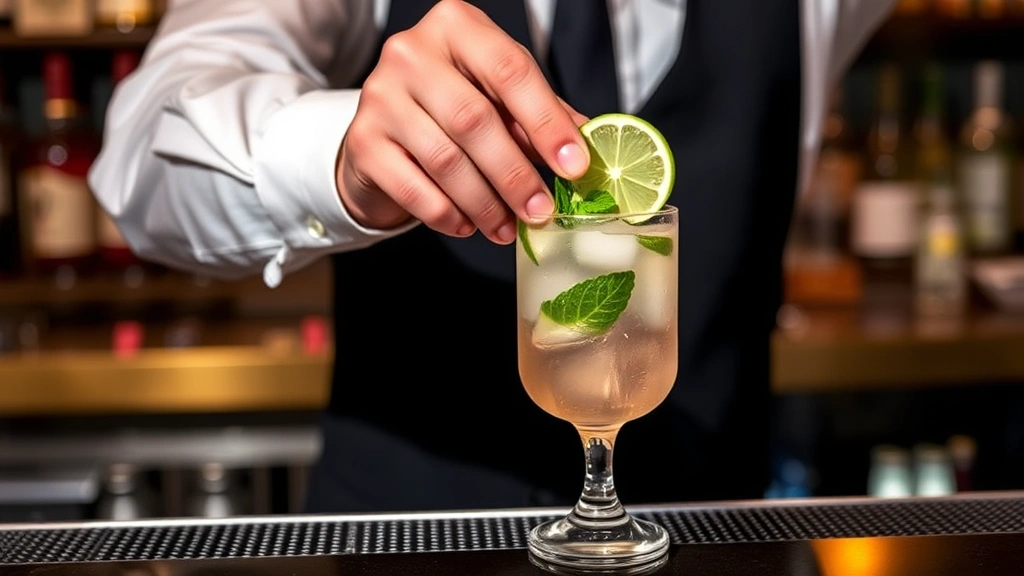
- Garnish: Place a lime wheel on the rim or float it on the surface of the drink. Add a fresh mint sprig, positioning it so that it’s both visually appealing and positioned for the drinker to enjoy its aroma with each sip.
- Serve Immediately: Present the drink right away while the ice is solid and carbonation is at its peak. The Hugo Spritz is best enjoyed fresh.
The entire preparation process should take no more than 60 seconds from start to finish, making this an efficient cocktail for busy bartenders or home entertaining.
Bartender Techniques for Perfect Results
Professional bartenders employ several techniques to ensure consistency and excellence when crafting Hugo Spritz cocktails. Understanding these methods will elevate your home bartending skills significantly.
Temperature Control: The key to an exceptional Hugo Spritz is serving it ice-cold without over-dilution. Chill your glasses in the freezer for at least 15 minutes before use, or fill them with ice water while you prepare other drinks, then discard the water and refill with fresh ice just before serving. This pre-chilling means less ice melt is needed to bring the drink to the proper temperature. Additionally, ensure your prosecco is properly chilled—ideally stored at 45-50°F (7-10°C).
Precise Measurements: Use a jigger to measure St-Germain and lime juice accurately. Bartenders understand that consistency comes from precise measurements, not free-pouring. Even small variations can shift the drink’s balance. Some bartenders prefer a ratio-based approach: for every part St-Germain, use approximately 0.33 parts fresh lime juice and 4 parts prosecco.
Mint Handling: The way you treat mint significantly impacts the final drink. Select the youngest, most tender mint leaves from the top of the plant—they’re more flavorful and less bitter. Never muddle mint before adding other ingredients; instead, add it to the glass first, then gently slap it just before pouring the liquid. Some bartenders prefer to simply place the mint in the glass without muddling at all, allowing the drinker to release the aroma as they drink.
Lime Juice Freshness: Always use fresh-squeezed lime juice. The Culinary Institute of America emphasizes that fresh citrus juice should be used within 15 minutes of squeezing for optimal flavor. If you’re making multiple drinks, juice your limes just before service rather than preparing juice in advance.
Carbonation Preservation: Pour prosecco slowly and at the end of preparation to minimize carbonation loss. Some bartenders pour the prosecco down the side of a bar spoon to slow its descent and reduce bubble agitation. Never stir vigorously—gentle stirring for 3-4 seconds is sufficient to blend ingredients while maintaining effervescence.
Proportion Flexibility: While the classic recipe is well-established, bartenders recognize that individual preferences vary. Some guests prefer a drier drink with less St-Germain, while others enjoy a sweeter version. Learn to adjust proportions based on feedback: reduce elderflower liqueur for a drier profile, or increase it for those preferring more floral sweetness.
Variations and Creative Twists
Once you’ve mastered the classic Hugo Spritz recipe, exploring variations allows you to customize the drink to different occasions and preferences. These creative twists maintain the spirit of the original while introducing new flavor dimensions.
Hugo Spritz with Cucumber: Add thin cucumber slices to the glass alongside mint for a cooling, garden-fresh variation. Some bartenders muddle a small piece of cucumber with the mint to infuse the drink with subtle vegetable notes. This version is particularly refreshing on hot summer days and pairs beautifully with light appetizers.
Berry-Infused Hugo: Muddle a few fresh raspberries or blackberries with the mint before adding other ingredients. The berries add subtle fruity notes and create an attractive pink hue. This variation works particularly well when served at brunches or garden parties. Strain the drink carefully to remove berry pulp if you prefer a clearer presentation.
Herbal Hugo: Experiment with different herbs like basil, thyme, or rosemary instead of or alongside mint. A basil-mint combination creates an herbaceous, almost savory profile that appeals to cocktail enthusiasts seeking complexity. Remember that herbal variations should be treated delicately—overuse of strong herbs can overpower the elderflower liqueur’s delicate flavors.
Hugo Spritz with Edible Flowers: Garnish with edible flowers such as elderflowers (if in season), violets, or pansies for a sophisticated presentation. These additions are purely visual but enhance the drink’s aesthetic appeal, making it perfect for special occasions or upscale entertaining.
Sparkling Wine Substitutions: While prosecco is traditional, other sparkling wines work beautifully. Try Cava from Spain for a slightly drier profile, Franciacorta from Italy for more complexity, or even Champagne for a luxurious version. Each wine brings its own character while maintaining the drink’s fundamental appeal.
Low-ABV or Alcohol-Free Options: Create a lighter version by increasing soda water and reducing prosecco slightly, or make a completely alcohol-free version by replacing prosecco with sparkling apple cider or white grape juice and substituting a non-alcoholic elderflower syrup for the liqueur.
Serving and Presentation Tips
The presentation of your Hugo Spritz contributes significantly to the overall experience. Bartenders understand that cocktails are enjoyed with the eyes first, making visual appeal paramount.
Glassware Selection: The traditional serving vessel for a Hugo Spritz is a large wine glass or spritz glass, typically holding 10-12 ounces. These glasses showcase the drink’s pale golden color and allow room for ice, ingredients, and a proper head of foam. Some bartenders prefer an old-fashioned glass for a more casual presentation, while others use flute glasses for a more elegant appearance. Choose glassware that suits your occasion and aesthetic preferences.
Garnish Presentation: Position your lime wheel and mint sprig thoughtfully. A lime wheel can rest on the rim of the glass or float on the surface of the drink. The mint sprig should be positioned so it’s visible and positioned for the drinker to enjoy its aroma. Some bartenders create a mint bouquet by tying several leaves together with a thin piece of lime zest.
Ice Aesthetics: Use large, clear ice cubes that look visually appealing as they melt slowly in the drink. If you have access to a high-quality ice maker, these cubes demonstrate attention to detail and enhance the drink’s premium appearance.
Serving Temperature and Timing: Serve the Hugo Spritz immediately after preparation while ice is solid and carbonation is at its peak. The drink should be served at approximately 35-40°F (2-4°C) for optimal flavor and refreshment.
Batch Preparation for Groups: When serving multiple guests, prepare a large batch by combining prosecco, St-Germain, lime juice, and mint in a pitcher filled with ice. Stir gently, then pour into prepared glasses and top with soda water if desired. This method maintains consistency while allowing you to serve guests simultaneously.
Common Mistakes to Avoid
Even with the best intentions, certain mistakes can compromise your Hugo Spritz. Understanding these pitfalls helps you maintain consistency and quality in every drink you prepare.
Over-Muddling Mint: One of the most common errors is aggressively muddling mint, which bruises the leaves and releases bitter compounds. Mint should be gently slapped or barely muddled—the goal is to release aromatic oils, not to pulverize the leaves. If you notice brown or damaged areas on your mint leaves, you’ve over-muddled.
Using Bottled Lime Juice: Bottled lime juice cannot replicate the bright acidity and aromatic qualities of fresh-squeezed juice. The drink loses its vibrant character and may taste flat or artificial. Always squeeze fresh limes immediately before use, even if it requires slightly more effort.
Insufficient Chilling: A warm or lukewarm Hugo Spritz is unpleasant and fails to refresh. Ensure your glasses, prosecco, and all ingredients are properly chilled before preparation. Pre-chill glasses in the freezer and keep prosecco in a wine cooler or ice bucket between drinks.
Poor Quality Prosecco: While the Hugo Spritz doesn’t require premium prosecco, choosing the cheapest option often results in an unpleasant drink with excessive sweetness and thin body. Invest in a quality mid-range prosecco that tastes good on its own.
Incorrect Proportions: Deviating significantly from established proportions can throw off the drink’s balance. Too much St-Germain creates an overly sweet, cloying drink, while too little makes it taste thin and one-dimensional. Stick to the classic proportions until you understand the drink well enough to adjust intentionally.
Improper Ingredient Sequence: The order in which you add ingredients matters. Adding prosecco first, for example, causes excessive carbonation loss before you’ve combined other elements. Always add prosecco toward the end of preparation to preserve its effervescence.
Weak or Wilted Garnishes: A droopy mint sprig or dried-out lime wheel diminishes the drink’s visual appeal. Use fresh, vibrant garnishes that demonstrate quality and attention to detail. Store mint in water like flowers to keep it fresh throughout your service period.
For more cocktail inspiration and techniques, explore resources like the International Bartenders Association, which provides guidelines for classic and contemporary cocktails.
If you’re interested in complementary beverages and entertaining, consider exploring best healthy food recipes that pair beautifully with aperitifs, or learn about easy dinner recipes for beginners to create a complete entertaining experience. Understanding how to coordinate drinks with food elevates your hosting abilities significantly.
Many home bartenders also benefit from understanding broader beverage principles. Resources like Imbibe Magazine offer comprehensive information about spirits, mixing techniques, and cocktail history that deepen your appreciation for drinks like the Hugo Spritz.
FAQ
What is the difference between a Hugo Spritz and a regular Spritz?
The primary difference is the addition of St-Germain elderflower liqueur in the Hugo Spritz, which creates a more complex, floral flavor profile. A traditional Spritz typically consists of just prosecco, Aperol or Campari, and soda water. The Hugo’s inclusion of fresh mint and lime juice also distinguishes it from simpler spritz variations.
Can I make a Hugo Spritz without St-Germain?
While you can create a similar drink using other elderflower liqueurs or even elderflower cordial mixed with vodka, the result won’t be authentic. St-Germain’s specific flavor profile is integral to the Hugo Spritz experience. If St-Germain is unavailable in your area, consider ordering it online or exploring local liquor stores with broader selections.
What prosecco should I use for a Hugo Spritz?
Choose a quality prosecco labeled “Brut” or “Extra Dry” from a reputable producer. Avoid the cheapest options, which tend toward excessive sweetness and thin body. Mid-range proseccos from regions like Valdobbiadene or Cartizze in Northern Italy typically offer excellent quality-to-price ratios. Prosecco should be stored properly and chilled to 45-50°F before use.
How much alcohol is in a Hugo Spritz?
A classic Hugo Spritz contains approximately 9-11% ABV (alcohol by volume), depending on exact proportions and the ABV of your prosecco and St-Germain. This relatively low alcohol content makes it suitable for daytime entertaining and longer drinking sessions without excessive intoxication.
Can I prepare Hugo Spritz in advance for a party?
While you can batch-prepare the non-carbonated components (mixing St-Germain, lime juice, and mint in a pitcher), you should add prosecco and soda water immediately before serving to preserve carbonation. Prepare the batch mixture ahead of time, then add the sparkling components and pour into glasses just before service.
What foods pair well with a Hugo Spritz?
The Hugo Spritz’s light, refreshing character pairs beautifully with appetizers and light fare. Consider pairing it with fresh seafood, light pasta dishes, fresh cheeses, cured meats, or vegetable-based appetizers. Its acidity and herbaceous notes complement Mediterranean flavors particularly well. Avoid heavy, rich foods that might overwhelm the drink’s delicate balance.
Is it possible to make a non-alcoholic Hugo Spritz?
Yes, create an alcohol-free version by replacing prosecco with sparkling apple cider, white grape juice, or ginger ale, and substitute a non-alcoholic elderflower cordial or syrup for St-Germain. While the flavor profile differs from the alcoholic version, it maintains the drink’s refreshing, herbaceous character and works well for non-drinking guests.
How long does a Hugo Spritz stay fresh?
A Hugo Spritz should be consumed immediately after preparation for optimal flavor and carbonation. As it sits, ice melts and dilutes the drink, while carbonation gradually dissipates. If you must prepare drinks ahead, do so no more than 5-10 minutes before service, and consider adding prosecco and soda water just before serving.
What’s the best technique for squeezing fresh lime juice?
Use a manual citrus juicer or reamer for best results. Roll the lime on a hard surface with firm pressure before cutting it in half, which breaks down cell walls and increases juice yield. Squeeze slowly to extract maximum juice without forcing bitter pith oils into the liquid. For multiple drinks, juice your limes just before use rather than preparing juice in advance.
Can I use bottled lime juice instead of fresh?
While bottled lime juice is convenient, it cannot replicate the bright acidity and aromatic qualities of fresh-squeezed juice. The drink will taste noticeably flat and one-dimensional with bottled juice. For a Hugo Spritz that truly shines, fresh lime juice is non-negotiable.


