Authentic Jamaican Curry Chicken: Chef’s Secret Recipe
Jamaican curry chicken is one of the Caribbean’s most beloved dishes, combining aromatic spices, tender chicken, and a rich, flavorful sauce that tells the story of Jamaica’s multicultural heritage. This iconic recipe blends Indian curry traditions with Caribbean ingredients and cooking techniques, creating a dish that’s both comforting and intensely flavorful. Whether you’re cooking for family dinner or impressing guests, mastering this authentic preparation will elevate your culinary skills and transport your kitchen straight to the islands.
The secret to exceptional Jamaican curry chicken lies in understanding the balance of spices, the importance of proper seasoning techniques, and the slow-cooking method that allows flavors to meld beautifully. Unlike quick weeknight curries, traditional Jamaican curry chicken requires patience and attention to detail. The chicken becomes incredibly tender, the potatoes absorb the aromatic sauce, and every bite delivers layers of warmth from Scotch bonnet peppers, turmeric, and Caribbean spices that make this dish distinctly island-inspired.
Essential Ingredients for Authentic Jamaican Curry Chicken
Creating an authentic Jamaican curry chicken starts with gathering quality ingredients. The foundation includes three to four pounds of bone-in, skin-on chicken pieces—thighs and drumsticks work best because they remain juicy during the long cooking process. You’ll also need three to four tablespoons of Caribbean curry powder, which differs from Indian curry powder in its specific blend of spices and heat level.
The vegetable base includes four to five medium potatoes (yellow or russet, cut into chunks), two large onions (diced), six to eight cloves of garlic (minced), and two to three Scotch bonnet peppers (whole or sliced, depending on heat preference). Fresh ginger—about a two-inch piece, minced—adds warming spice and aids digestion. You’ll need two to three tablespoons of vegetable oil or coconut oil, two cups of chicken broth, one can of coconut milk, and essential seasonings including salt, black pepper, thyme, and allspice.
Optional ingredients that enhance authenticity include scallions, fresh cilantro, and a splash of lime juice added at the end. Some cooks incorporate chickpeas for added protein, making this dish similar to high protein low calorie recipes that don’t sacrifice flavor. The beauty of this curry is its versatility—you can adjust heat levels, add more vegetables, or experiment with different proteins.
Understanding the Spice Profile
The soul of Jamaican curry chicken lives in its spice blend. Caribbean curry powder is the star ingredient, but understanding what makes it unique helps you select or create the perfect version. Unlike mild Indian curry powders, Caribbean blends emphasize warmth and depth, typically containing turmeric, coriander, fenugreek, cumin, and sometimes roasted chickpea flour for body.
Turmeric provides the golden color and earthy base notes, while coriander offers citrusy brightness. Cumin adds warmth and slightly nutty undertones. Fenugreek, often underutilized in Western cooking, brings a distinctive maple-like sweetness that’s characteristic of Caribbean curries. The heat comes not from the curry powder itself but from fresh Scotch bonnet peppers, which deliver intense fruity heat with floral notes.
Thyme and allspice are crucial Caribbean seasonings that distinguish this dish from other curry preparations. Thyme adds herbal complexity, while allspice—native to Jamaica—provides warming notes reminiscent of cinnamon, cloves, and nutmeg combined. Fresh ginger contributes sharp, peppery heat that complements the deeper spice notes. These ingredients work together to create a harmonious blend where no single spice dominates, but rather they create a symphony of Caribbean flavors.
For those interested in vegetarian crockpot recipes, this curry adapts beautifully using chickpeas, lentils, or extra vegetables as the protein base while maintaining the same spice profile.
Step-by-Step Cooking Instructions
Preparation Phase: Begin by patting your chicken pieces dry with paper towels—this crucial step allows for better browning and develops deeper flavors. Season the chicken generously with salt and black pepper on all sides. Dice your onions into medium pieces, mince your garlic and ginger separately, and cut potatoes into uniform chunks about two inches in size. Whole Scotch bonnet peppers should be left intact if you prefer milder heat, or sliced if you want more heat distribution throughout the dish.
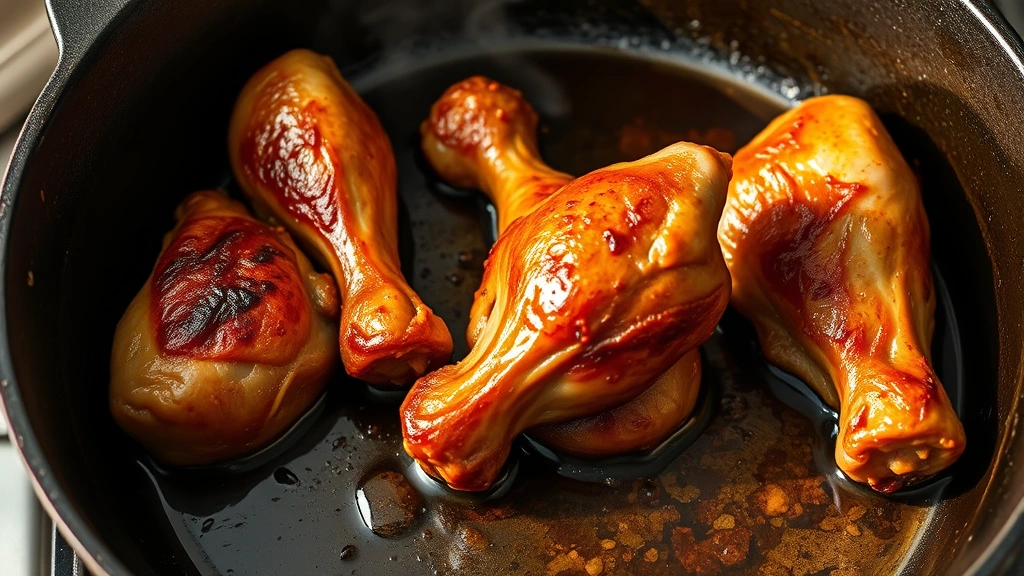
Browning the Chicken: Heat your oil in a large heavy-bottomed pot or Dutch oven over medium-high heat. Working in batches to avoid overcrowding, brown the chicken pieces on all sides until golden brown, approximately three to four minutes per side. This browning step develops fond—the flavorful brown bits stuck to the pan—which adds depth to your final sauce. Remove browned chicken and set aside on a clean plate.
Building the Flavor Base: In the same pot with the remaining oil and fond, add your diced onions and cook for three to four minutes until they begin to soften and become translucent. Add minced garlic and ginger, stirring constantly for about one minute until fragrant. This aromatic base is critical—these ingredients release their essential oils when heated, distributing flavor throughout the dish. Reduce heat to medium before adding your curry powder, stirring constantly for thirty seconds to one minute. This brief cooking of the curry powder “blooms” the spices, intensifying their flavors.
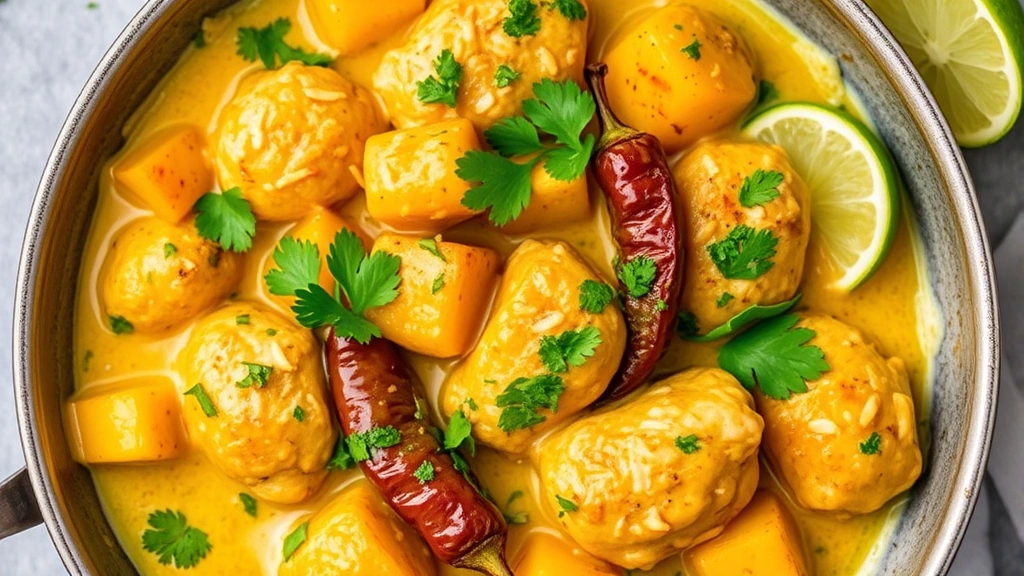
Deglazing and Braising: Pour in your chicken broth, scraping the bottom of the pot with a wooden spoon to release all the flavorful fond. Add the coconut milk, stirring well to combine. Return the browned chicken to the pot, nestling the pieces into the liquid. Add your potato chunks and whole Scotch bonnet peppers. Bring the mixture to a gentle simmer, then reduce heat to low, cover with a lid, and cook for forty-five minutes to one hour.
Final Adjustments: After forty-five minutes, check that the chicken is tender and the potatoes are cooked through—a fork should pierce them easily. Taste the sauce and adjust seasonings: add more salt if needed, squeeze in fresh lime juice for brightness, and stir in fresh thyme and allspice to taste. If you prefer a thicker sauce, simmer uncovered for the final ten minutes. The curry should coat the back of a spoon but remain saucy enough to serve over rice.
Tips from Professional Chefs
Professional Caribbean chefs emphasize several techniques that elevate home cooks’ results. First, invest in quality curry powder from specialty spice retailers or reputable spice merchants rather than grocery store brands that may have lost potency. Freshness matters tremendously—curry powder older than six months loses its aromatic compounds.
Second, never skip the browning step. This Maillard reaction creates complex flavors that can’t be replicated by simply simmering. Professional chefs spend extra time ensuring even browning, sometimes working in smaller batches to maintain proper heat levels. This technique applies to other hamburger beef crockpot recipes as well, where browning meat first creates superior depth.
Third, taste constantly throughout cooking. Caribbean cuisine values bold, well-seasoned food, and your curry should taste slightly over-seasoned on its own—the potatoes and rice will absorb flavors and balance the intensity. Professional cooks also emphasize the importance of using bone-in chicken; the bones contribute gelatin and collagen that create a silky, luxurious sauce that boneless chicken cannot achieve.
Fourth, respect the Scotch bonnet pepper. These small, wrinkled peppers pack serious heat—up to 350,000 Scoville units. Leave them whole if you want milder heat, or carefully slice them if you want more distribution. Remove them before serving if you prefer, or leave them for adventurous eaters. Many chefs recommend wearing gloves when handling them and never touching your face.
Finally, consider making this dish a day ahead. The flavors meld and deepen overnight, making it perfect for meal planning or entertaining. This practice aligns with chicken and biscuits recipe preparations where advance cooking enhances results.
Serving Suggestions and Pairings
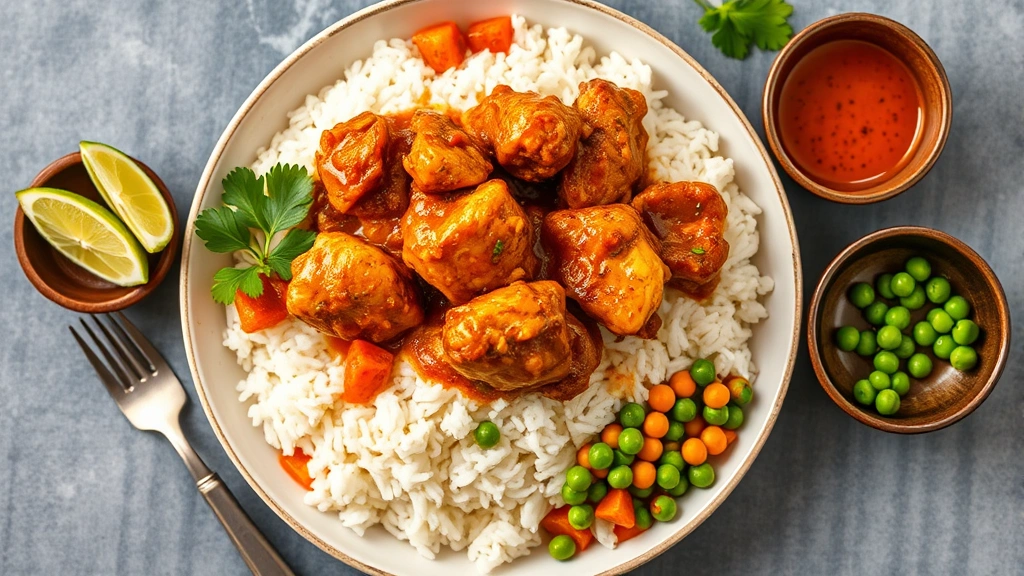
Authentic Jamaican curry chicken pairs beautifully with several traditional accompaniments. Rice and peas—made with kidney beans and coconut milk—is the classic pairing, providing a neutral base that absorbs the curry’s rich sauce. Plain white rice, jasmine rice, or even yellow rice with turmeric also work wonderfully.
Fried dumplings (a Caribbean staple made from flour dough) offer textural contrast with their crispy exterior and fluffy interior. Some cooks serve this curry with hard dough bread, a dense, slightly sweet bread that soaks up sauce beautifully. For a lighter option, steamed vegetables like callaloo (similar to spinach) or boiled green bananas provide authentic Caribbean sides.
Condiments elevate the dining experience: fresh lime wedges for squeezing, sliced fresh onions, hot pepper sauce for those wanting more heat, and fresh cilantro for garnish. A simple cucumber and tomato salad with lime vinaigrette provides refreshing contrast to the rich, warming curry. Consider serving this alongside beef pot pie recipe preparations if feeding a crowd with varied preferences.
Beverage pairings matter too. Traditional choices include ginger beer, sorrel (a tart hibiscus drink), or fresh fruit juices like mango or passion fruit. For alcoholic options, Caribbean rum punch or a crisp lager beer complement the warm spices beautifully. Coffee or strong tea works well after dinner, helping with digestion of the rich, spiced dish.
Storage and Make-Ahead Options
Jamaican curry chicken stores exceptionally well, making it ideal for meal prep. In an airtight container, properly stored curry keeps in the refrigerator for four to five days. The flavors actually improve as they meld, making day-two curry often superior to day-one. To reheat, gently warm on the stovetop over low heat, adding a splash of chicken broth or water if the sauce has thickened too much.
For freezing, cool the curry completely before transferring to freezer-safe containers or bags. Remove as much air as possible to prevent freezer burn. Properly frozen curry maintains quality for up to three months. Thaw overnight in the refrigerator before reheating. Note that potatoes may become slightly softer after freezing, but this doesn’t significantly impact the dish’s quality.
Make-ahead preparation offers several options. You can brown the chicken and prepare your aromatics the day before, storing them separately in the refrigerator. You can also prepare the complete curry through the braising stage, then refrigerate and finish cooking the next day. This flexibility makes Jamaican curry chicken perfect for entertaining—complete most work ahead, then simply reheat and serve.
For those exploring diverse recipes, this curry complements cream cheese dip recipes as part of a Caribbean-themed entertaining menu, offering guests both appetizers and a substantial main course.
Frequently Asked Questions
Can I use chicken breast instead of thighs and drumsticks?
While possible, boneless skinless chicken breast isn’t ideal for this curry. Breast meat dries out more easily during the long braising process, and it lacks the gelatin from bones that creates the curry’s silky sauce. If you must use breast meat, reduce cooking time to thirty to thirty-five minutes and check frequently for doneness to prevent overcooking. Bone-in chicken thighs remain the superior choice.
What’s the best substitute for Scotch bonnet peppers?
If Scotch bonnets are unavailable, habaneros offer similar heat and fruity flavor, though slightly less intense. Thai chilies provide comparable heat but different flavor notes. For milder versions, use jalapeños or serranos. Remember that heat levels vary significantly between varieties, so adjust quantities based on your preference and the specific peppers’ intensity.
Can I make this curry vegetarian?
Absolutely. Substitute chicken with chickpeas, kidney beans, lentils, or a combination of hearty vegetables like sweet potatoes, eggplant, and bell peppers. Use vegetable broth instead of chicken broth. Follow the same spice and cooking techniques, reducing braising time to twenty to thirty minutes since vegetables cook faster than chicken. The curry remains deeply flavorful and satisfying.
How spicy is authentic Jamaican curry chicken?
Traditional versions are moderately spicy, with heat building gradually rather than hitting immediately. The curry powder provides warmth, while Scotch bonnets deliver fruity, lingering heat. You control intensity by adjusting pepper quantity and preparation—whole peppers create milder heat than sliced ones. Most recipes are family-friendly but with noticeable spice.
Should I use canned or fresh coconut milk?
Both work well. Canned coconut milk offers convenience and consistency, though you should shake the can before opening to combine separated coconut cream and liquid. Fresh coconut milk, if available, provides superior flavor and texture. Avoid “lite” coconut milk, which dilutes the rich, authentic taste. Full-fat coconut milk is essential for proper flavor development.
What if my curry sauce is too thin or too thick?
If too thin, simmer uncovered for ten to fifteen minutes to reduce and concentrate flavors. If too thick, add chicken broth or water gradually, stirring well and tasting between additions. The sauce should coat the back of a spoon but remain pourable. Adjusting consistency at the end ensures perfect texture without compromising flavor.
Can I use a slow cooker for this recipe?
Yes, with modifications. Brown the chicken and prepare aromatics on the stovetop, then transfer everything to a slow cooker with broth and coconut milk. Cook on low for six to eight hours or high for three to four hours. Add curry powder and spices during the last thirty minutes to preserve their aromatic qualities. Slow-cooking produces tender chicken and well-developed flavors, though you’ll miss the fond development from stovetop cooking.


