How to Use Japanese Pink Salt? Expert Tips
Japanese pink salt, also known as Himalayan pink salt or sakura salt, has become increasingly popular among home cooks and professional chefs alike. This delicate mineral-rich salt offers a subtle complexity that elevates dishes beyond what standard table salt can achieve. Whether you’re seasoning a delicate fish fillet or finishing a gourmet dessert, understanding how to properly use Japanese pink salt transforms your cooking and brings authentic Japanese culinary techniques into your kitchen.
The distinctive pale pink hue comes from naturally occurring minerals like potassium, magnesium, and calcium, making it more than just a flavor enhancer. Unlike harsh white table salt, Japanese pink salt dissolves smoothly and provides a refined taste that professionals rely on. This guide explores the expert techniques for incorporating this premium salt into your recipes, from basic seasoning methods to advanced culinary applications.
Understanding Japanese Pink Salt Characteristics
Japanese pink salt differs significantly from common table salt in both composition and application. The mineral content creates a more complex flavor profile that enhances rather than overpowers. When exploring how to use Japanese pink salt in recipes, you must first understand its unique properties.
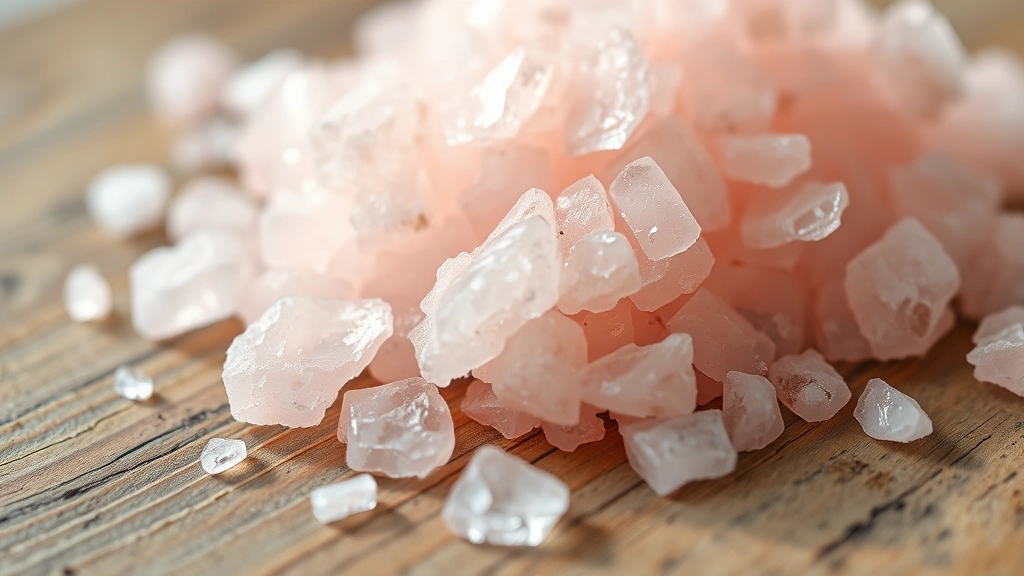
The crystal structure of Japanese pink salt is larger than refined table salt, which means it dissolves more slowly. This characteristic makes it ideal for finishing dishes where you want visible salt crystals and bursts of flavor. The mineral composition includes trace amounts of iron oxide, which gives it the distinctive pink coloring. Professional chefs appreciate this salt because it doesn’t leave the metallic aftertaste associated with iodized table salt.
The solubility rate matters significantly when cooking. If you’re preparing a marinade or brine, Japanese pink salt dissolves adequately when warm, but maintains its crystalline structure at room temperature. This property makes it perfect for garnishing and finishing applications. Understanding these characteristics helps you decide whether to use it during cooking or as a final flourish.
Mineral content analysis shows Japanese pink salt contains approximately 98% sodium chloride, with the remaining 2% consisting of beneficial minerals. These trace minerals enhance bioavailability and create subtle flavor notes. Many culinary professionals recommend using quality salt sourcing guides to verify authenticity and mineral content before purchasing.
Essential Techniques for Salt Application
Proper application technique determines whether Japanese pink salt enhances or detracts from your dish. The three primary methods include dissolving, sprinkling, and incorporating into preparations. Each technique serves different culinary purposes and requires specific execution.
Dissolving technique works best for brines, marinades, and cooking liquids. When heating water or stock, Japanese pink salt dissolves completely around 140°F (60°C). For cold applications, dissolve the salt in warm water first, then cool before using. This ensures even distribution without crunchy surprises. A standard ratio is one tablespoon per cup of liquid for seasoning purposes.
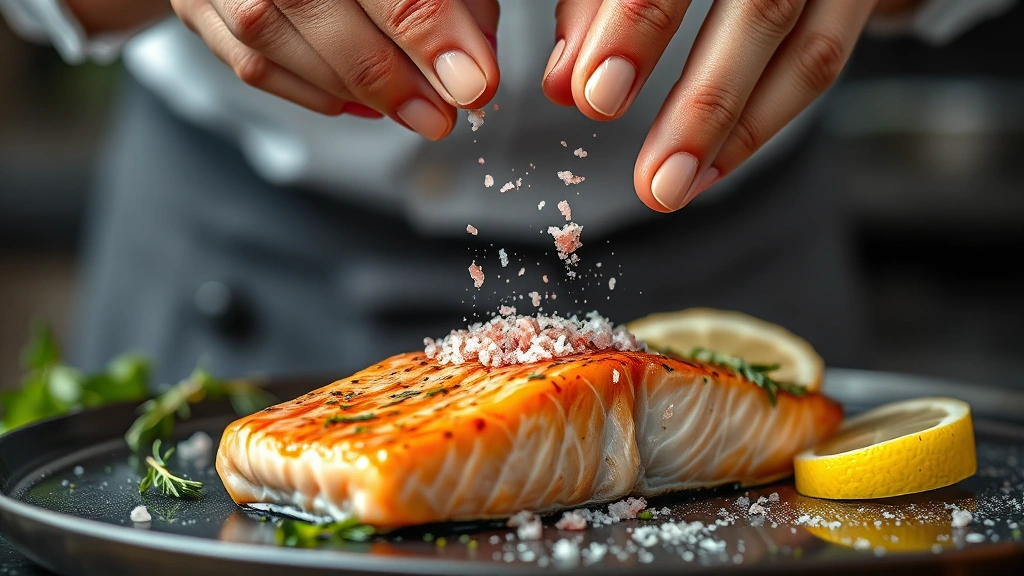
Sprinkling as finishing salt requires precision and timing. Apply Japanese pink salt in the final moments before serving, when the dish reaches optimal temperature. Use your fingertips to distribute crystals evenly, creating a professional appearance. The coarser crystals provide textural contrast and concentrated flavor bursts. This method works exceptionally well on grilled proteins and roasted vegetables.
Incorporating into mixtures involves crushing the salt crystals before adding to dry rubs, spice blends, or compound butters. A mortar and pestle breaks down the larger crystals into finer particles suitable for even distribution. For dry rubs on meats, mix crushed Japanese pink salt with complementary spices like black pepper, garlic powder, and paprika.
Temperature control affects how the salt interacts with food. At high temperatures, salt penetrates deeper into proteins, creating better seasoning throughout. When finishing dishes, apply salt when heat is no longer being applied, preserving the crystal structure and maximizing visual presentation. Professional kitchens maintain separate containers of Japanese pink salt for cooking and finishing to maintain quality standards.
Japanese Pink Salt in Seafood Dishes
Seafood represents the most refined application for Japanese pink salt, honoring traditional Japanese culinary practices. The delicate mineral profile complements fish and shellfish without masking their natural flavors. Whether preparing sushi-grade tuna or simple grilled shrimp, this salt enhances without overwhelming.
Raw fish preparation benefits significantly from Japanese pink salt. When curing fish for sashimi or crudo, create a salt crust using equal parts salt and sugar. The salt draws out excess moisture while the sugar balances the sodium intensity. Apply the mixture generously, refrigerate for 30 minutes to 2 hours depending on thickness, then rinse thoroughly. The result is firmer texture and cleaner flavor.
For grilled or pan-seared fish, salt the protein 40 minutes before cooking. This timing allows salt to penetrate the muscle tissue through osmosis, seasoning throughout rather than just the surface. Use approximately 1/4 teaspoon per pound of fish. When the fish hits the hot pan, the exterior develops a flavorful crust while the interior remains moist and perfectly seasoned.
Shellfish applications vary by type. For shrimp, create a simple brine using 1 tablespoon Japanese pink salt per cup of water. Soak shrimp for 15-20 minutes before cooking to improve texture and moisture retention. The salt denatures proteins slightly, creating a firmer bite that maintains juiciness. For oysters and clams, a light sprinkle of finishing salt on the half shell provides elegant presentation and enhanced flavor.
Seafood broths and dashi stocks benefit from Japanese pink salt’s mineral content. Traditional dashi uses kombu and bonito, with salt added toward the end of cooking. Japanese pink salt dissolves smoothly into hot liquid and contributes subtle mineral notes that enhance umami flavors. Use approximately 1/2 teaspoon per quart of finished broth.
Vegetable and Salad Applications
Vegetables present diverse opportunities for Japanese pink salt application. From simple salads to roasted preparations, proper salting technique brings out natural sweetness and deepens flavors. The key lies in timing and understanding how salt affects different vegetable types.
Salad preparation requires strategic salt application. Rather than salting greens directly, which causes wilting, salt the dressing components instead. When making vinaigrettes, dissolve finely crushed Japanese pink salt in vinegar or citrus juice before adding oil. The acidity helps dissolve the salt completely, creating an emulsified dressing. For leafy greens, apply finished salt immediately before serving to maintain crispness and texture.
Roasted vegetables benefit from salt applied before cooking. Toss vegetables with oil and finely ground Japanese pink salt, allowing the salt to absorb into the outer layers. As vegetables roast, the salt creates a seasoned crust while the interior remains tender. For root vegetables, use 1/2 teaspoon per pound. For delicate vegetables like asparagus or green beans, use 1/4 teaspoon per pound to prevent over-salting.
Raw vegetable preparations like slaws or quick pickles require salt at least 15 minutes before serving. The salt draws out excess moisture, creating crisp texture and concentrating flavors. For a simple vegetable slaw, salt shredded vegetables and let sit 20 minutes, then squeeze gently to remove excess liquid before dressing.
Grilled vegetables need salt applied after cooking to preserve the exterior texture. The high heat of the grill creates a charred crust that holds flavors beautifully. Apply Japanese pink salt finishing salt immediately after removing from heat, while the surface remains slightly moist. This timing ensures the salt adheres and distributes evenly.
Finishing Salt Methods
Finishing salt application elevates dishes from good to exceptional, and Japanese pink salt excels in this role. The visible crystals provide visual appeal and concentrated flavor bursts that enhance the eating experience. Professional plating relies heavily on finishing salt techniques.
Precise crystal application requires understanding salt grain size. Japanese pink salt typically comes in medium crystals, larger than table salt but smaller than Maldon sea salt. Using your fingertips rather than salt shakers allows controlled distribution. Pinch the salt between thumb and forefinger, allowing crystals to fall gently across the dish surface. This technique prevents clumping and creates professional presentation.
Timing is critical for finishing salt success. Apply salt in the final 30 seconds before serving, after all plating elements are in place. If salt sits too long on warm food, it begins to dissolve and loses its textural impact. For cold dishes, salt can be applied up to 2 minutes before serving without significant degradation.
Consider the dish’s moisture content when applying finishing salt. Dry preparations like grilled meats or roasted vegetables hold finishing salt beautifully. Moist dishes like soups or sauced preparations should receive salt just before serving to prevent premature dissolution. For sauced proteins, apply salt to the protein itself rather than the sauce.
Layering salt throughout a dish creates complexity. Begin with salt during cooking for foundational seasoning, then add another pinch of finishing salt just before serving. This technique ensures thorough seasoning while maintaining the visual and textural benefits of finishing salt. Professional chefs often use this layered approach for restaurants serving best healthy food recipes where presentation matters equally to flavor.
Incorporating Into Sauces and Condiments
Sauces and condiments provide excellent opportunities to showcase Japanese pink salt’s mineral complexity. From cocktail sauce recipe variations to bang bang sauce recipe creations, salt integration affects both flavor and texture development.
Vinaigrette preparation benefits from dissolving Japanese pink salt in acid before emulsification. The salt helps stabilize the emulsion while distributing evenly throughout. For a basic vinaigrette, whisk together 1 tablespoon vinegar with 1/4 teaspoon finely crushed Japanese pink salt until dissolved. Slowly whisk in 3 tablespoons oil to create a smooth, stable emulsion. The mineral content of the salt enhances the dressing’s mouthfeel and complexity.
Mayonnaise and aioli preparations require salt at specific stages. When making aioli, add salt to the garlic paste before adding egg yolk. The salt helps break down garlic cell walls, releasing more flavor while preventing harsh bitterness. Use approximately 1/4 teaspoon per clove of garlic. When emulsifying oil, the salt contributes to stability and prevents the mixture from breaking.
Compound butter applications showcase Japanese pink salt beautifully. Mix softened butter with finely crushed salt and fresh herbs, then roll in parchment and refrigerate. The salt dissolves slightly into the butter fat, creating a seasoned medium that melts across hot proteins. For compound butter, use 1/4 teaspoon salt per stick of butter, adjusting based on herb intensity.
Marinades and brines benefit from dissolved Japanese pink salt’s penetrating power. Create a basic marinade by dissolving salt in warm liquid before cooling. The salt helps denature proteins slightly, allowing other flavors to penetrate deeper. For a simple marinade, dissolve 1 tablespoon salt in 1 cup warm liquid with herbs and aromatics, cool, then submerge proteins for 2-4 hours.
Advanced Culinary Uses
Advanced applications of Japanese pink salt extend beyond basic seasoning into molecular gastronomy, fermentation, and specialized preservation techniques. These methods require precision and understanding of salt’s chemical properties.
Fermentation applications rely on salt’s antimicrobial and flavor-developing properties. When fermenting vegetables like cucumber pickles or kimchi, Japanese pink salt creates the proper osmotic environment for beneficial bacteria development. Use 3-5% salt by weight of vegetables, adjusting based on desired fermentation speed and final saltiness. The mineral content supports probiotic development and adds subtle complexity to fermented products.
Curing and preservation benefit from Japanese pink salt’s mineral profile. When dry-curing meats or fish, the salt draws out moisture while creating an environment hostile to harmful bacteria. For a simple cure, combine equal parts Japanese pink salt and sugar with spices, apply generously to protein, and refrigerate. The mineral content aids in proper curing chemistry and develops more complex flavors than refined salt.
Salt-baked preparations represent a dramatic presentation technique. Create a salt crust by mixing Japanese pink salt with egg white and herbs, then encase fish or poultry completely. As it bakes, the salt forms a hard shell that insulates the protein, cooking it gently while infusing subtle mineral flavors. Break open at the table for theatrical presentation. Use approximately 4 cups salt per two-pound fish.
Molecular gastronomy applications include salt caviar and salt foams. These advanced techniques require specialized equipment and understanding of salt’s behavior at different temperatures and concentrations. Salt caviar involves spherifying concentrated salt solutions, creating delicate spheres that burst with flavor. These techniques are best explored through culinary institute programs offering molecular gastronomy courses.
Sous-vide cooking benefits from precisely controlled salt concentrations. When vacuum-sealing proteins with salt, the precise measurement ensures even seasoning without over-salting. The low-temperature cooking environment allows salt to penetrate thoroughly without creating harsh, dried exteriors. For vacuum-sealed proteins, use 1/2 teaspoon per pound, dissolved in any accompanying liquid.
Dough and bread applications showcase salt’s strengthening properties. When making pasta dough, dissolve Japanese pink salt in the liquid component before incorporating into flour. The salt strengthens gluten development, creating more elastic dough with better texture. For bread, add salt near the end of mixing to prevent interfering with yeast activation. The mineral content contributes subtle complexity to finished bread.
Dessert applications represent salt’s most delicate use. A tiny pinch of Japanese pink salt in chocolate desserts enhances cocoa flavor and balances sweetness. When making caramel, add salt toward the end of cooking to heighten caramel notes without creating perceived saltiness. For chocolate ganache, dissolve a small amount of finely crushed salt in the cream before pouring over chocolate, creating sophisticated flavor complexity.
Frequently Asked Questions
Can I substitute Japanese pink salt for regular table salt in all recipes?
While Japanese pink salt can replace table salt in most applications, consider the differences in crystal size and mineral content. Japanese pink salt’s larger crystals dissolve more slowly, making it less suitable for applications requiring instant dissolution like baking or precise chemical reactions. For cooking, substitute using slightly less Japanese pink salt by volume since larger crystals create more space between them. In baking, measure by weight rather than volume for consistency, or use finely ground Japanese pink salt.
How should I store Japanese pink salt to maintain quality?
Store Japanese pink salt in an airtight container away from direct sunlight and moisture. Glass containers with tight-sealing lids work best, protecting the salt from humidity that causes clumping. Keep separate containers for finishing salt and cooking salt to prevent cross-contamination and maintain crystal quality. Properly stored Japanese pink salt maintains quality indefinitely, as salt doesn’t spoil. Avoid storing near heat sources or in damp environments like above stoves or sinks.
What’s the difference between Japanese pink salt and Himalayan pink salt?
Japanese pink salt and Himalayan pink salt come from different sources, though both contain similar mineral compositions. Himalayan salt comes from ancient sea deposits in Pakistan’s salt mines, while Japanese pink salt typically originates from Japanese coastal salt production. The processing methods differ slightly, with Japanese salt often using traditional evaporation techniques that preserve mineral content. Both offer similar culinary properties, though sourcing and sustainability practices may differ. Choose based on availability, sustainability practices, and personal preference.
Can Japanese pink salt improve the texture of meat dishes?
Yes, Japanese pink salt significantly improves meat texture when applied correctly. Salting meat 40 minutes before cooking allows salt to penetrate muscle tissue through osmosis, seasoning throughout and improving moisture retention. The salt denatures proteins slightly, creating a firmer texture while maintaining juiciness. This technique works for all meat types from delicate fish to robust beef. Avoid salting immediately before cooking, as this draws out moisture that evaporates before the salt can penetrate.
Is Japanese pink salt healthier than regular table salt?
Japanese pink salt contains trace minerals absent in refined table salt, including potassium, magnesium, and calcium. These minerals contribute to mineral balance and bioavailability, though the quantities are minimal. However, Japanese pink salt is still primarily sodium chloride, so health benefits shouldn’t justify increased consumption. The main advantage lies in superior flavor and culinary properties rather than nutritional differences. Use it for its culinary excellence, not as a health supplement.
What’s the proper ratio for using Japanese pink salt in brines and marinades?
A standard brine uses 1 tablespoon Japanese pink salt per cup of liquid. For marinades, dissolve salt in warm liquid before cooling to ensure even distribution. The ratio depends on desired final saltiness and marinating duration. Quick marinades (under 1 hour) can use slightly more salt since penetration is limited. Longer marinades (4+ hours) can use slightly less since salt penetrates deeper. Always taste the liquid before using to ensure proper saltiness.
How does Japanese pink salt perform in high-heat cooking applications?
Japanese pink salt performs excellently in high-heat applications like grilling and searing. The mineral content doesn’t break down at high temperatures, maintaining flavor integrity. For best results, salt proteins 40 minutes before cooking to ensure even seasoning. The larger crystals don’t burn or become bitter at high temperatures like some refined salts. After searing, apply finishing salt just before serving to enhance the crust and add textural contrast. This technique works beautifully for rotel dip recipe components and other cooked ingredients requiring finishing touches.
Can I use Japanese pink salt in fermentation projects?
Japanese pink salt works excellently for fermentation projects. Use 3-5% salt by weight of vegetables, adjusting based on desired fermentation speed. The mineral content supports beneficial bacteria development and creates complex flavors during fermentation. Avoid using iodized salt, which inhibits fermentation, but Japanese pink salt’s mineral profile actively supports the process. The salt creates the proper osmotic environment for vegetables to release their liquid, creating brine naturally.


