Authentic Kalua Pork Recipe: Island Tradition Made Easy
Kalua pork stands as one of Hawaii’s most iconic dishes, representing centuries of culinary tradition rooted in the islands’ indigenous cooking methods. This slow-cooked masterpiece, traditionally prepared in an underground oven called an imu, delivers tender, smoky meat that practically melts on your tongue. The beauty of kalua pork lies in its simplicity—just a few quality ingredients transform into something extraordinary through patience and proper technique.
Whether you’re planning a luau, hosting a casual gathering, or simply craving authentic Hawaiian flavors, this kalua pork recipe brings the spirit of the islands directly to your kitchen. Modern home cooks can achieve restaurant-quality results using conventional ovens or slow cookers, making this traditional dish accessible to everyone. The meat’s rich, complex flavor comes from the combination of salt, smoke, and extended cooking time rather than complicated seasonings.
Understanding the cultural significance and cooking methodology behind kalua pork elevates your appreciation for this beloved dish. Let’s explore how to create authentic kalua pork that honors Hawaiian traditions while fitting seamlessly into your cooking routine.
What Is Kalua Pork
Kalua pork represents one of Hawaii’s most fundamental dishes, with roots stretching back to pre-contact Hawaiian culture. The word kalua literally means “to cook in an underground oven,” describing the traditional preparation method that has been used for generations. This cooking technique was essential to Hawaiian food culture, allowing families and communities to prepare large quantities of meat for celebrations and gatherings.
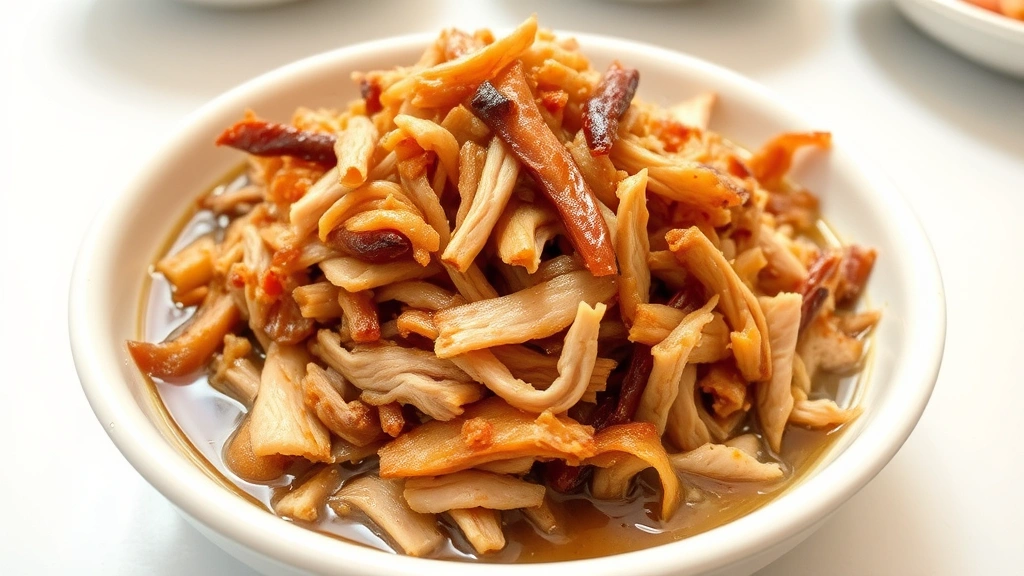
The traditional preparation involves wrapping pork in banana leaves and cooking it in an imu—a pit lined with heated rocks and wood. This method imparts a distinctive smoky flavor and incredibly tender texture that’s difficult to replicate using modern appliances, yet entirely possible to approximate. The meat becomes so tender that it shreds effortlessly with minimal pressure, creating the characteristic pulled texture that defines authentic kalua pork.
What makes kalua pork special isn’t exotic spices or complicated techniques, but rather the marriage of quality pork, salt, and time. The extended cooking period allows collagen in the meat to break down into gelatin, creating that luxurious mouthfeel. The salt draws out moisture initially, then allows it to reabsorb, seasoning the meat thoroughly from the inside out.
Essential Ingredients
Creating authentic kalua pork requires minimal ingredients, allowing the quality of the pork itself to shine. Here’s what you’ll need:
- Pork shoulder (pork butt): 8-10 pounds is ideal for most home preparations. Look for bone-in cuts when possible, as they add flavor and help the meat cook evenly.
- Sea salt: 3-4 tablespoons of quality sea salt. This is crucial—avoid iodized table salt, which imparts a metallic flavor.
- Liquid smoke (optional): 1-2 teaspoons if using an oven or slow cooker method. This ingredient approximates the smoky flavor from traditional imu cooking.
- Banana leaves: Optional but traditional. They impart subtle flavor and help retain moisture during cooking.
- Water: 1-2 cups for oven or slow cooker methods to maintain moisture.
Some cooks add complementary ingredients like garlic cloves, ginger, or Hawaiian chili peppers, though traditional recipes keep things simple. The focus remains on the pork’s natural flavors enhanced by salt and time. If you’re interested in exploring other Hawaiian-inspired proteins, check out our Miso Salmon Recipe for another island-influenced preparation.
Traditional Imu Method
Understanding the traditional imu method provides insight into why kalua pork tastes the way it does and helps you appreciate modern adaptations. Creating an authentic imu requires significant preparation and outdoor space, but the results are incomparable.
Preparing the imu: Begin by digging a pit approximately 3-4 feet deep and 4-5 feet in diameter. Line the bottom with rocks that can withstand high heat—avoid river rocks, which may contain moisture and crack explosively. Arrange wood in the pit and ignite it, allowing it to burn down to coals. This process takes several hours.
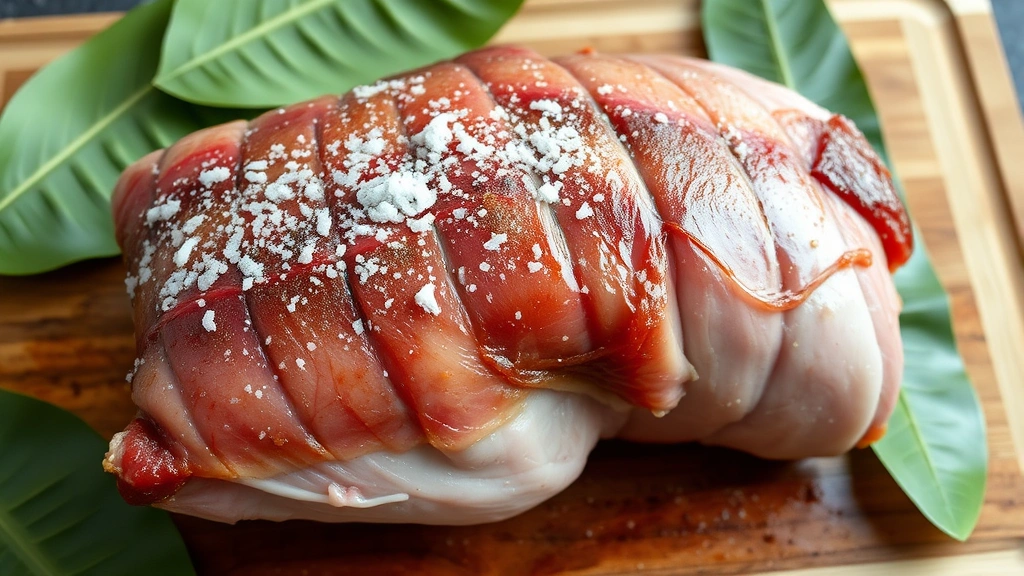
Preparing the pork: While coals develop, rub your pork shoulder generously with sea salt, working it into crevices and across all surfaces. Wrap the seasoned pork in banana leaves, securing them with kitchen twine. Some traditional preparations include ti leaves or additional layers of banana leaves for extra insulation and flavor contribution.
Cooking process: Once coals reach proper temperature (around 400°F), place banana leaf-wrapped pork directly on the coals. Cover with additional banana leaves, burlap sacks, and soil to trap heat and smoke. The pork cooks for 6-8 hours, depending on size and heat intensity. The underground environment creates a unique combination of steam, smoke, and radiant heat that transforms the meat.
Finishing: Carefully excavate the cooked pork, unwrap it, and shred the tender meat. The exterior may appear charred, but this protective layer has kept the interior moist and flavorful. Reserve all pan drippings and combine them with the shredded meat.
Oven Cooking Technique
For home cooks without access to imu-building space, oven cooking produces excellent kalua pork with minimal fuss. This method requires patience but delivers authentic flavors.
Preparation steps: Remove your pork shoulder from refrigeration 1-2 hours before cooking, allowing it to reach closer to room temperature for even cooking. Pat the surface dry with paper towels. Using a sharp knife, score the skin in a crosshatch pattern, cutting through fat but not into the meat. This allows salt to penetrate deeply and helps render the fat.
Seasoning: Rub sea salt generously across all surfaces, paying special attention to scored areas and any crevices. If using liquid smoke, mix it with a small amount of water and brush it onto the meat. Some cooks prefer sprinkling smoke flavoring directly onto the surface. Wrap the pork in banana leaves if available, securing with twine, then wrap the entire package in heavy-duty aluminum foil.
Cooking process: Preheat your oven to 325°F. Place the wrapped pork in a large roasting pan with 1-2 cups of water added to the bottom of the pan. This creates steam that keeps the meat moist during the long cooking period. Cover the roasting pan with additional foil to trap moisture.
Timing and monitoring: Calculate approximately 45 minutes per pound. An 8-pound pork shoulder requires roughly 6 hours of cooking. Check the pan every 2 hours, adding water if necessary to maintain moisture in the bottom of the pan. The meat is done when it shreds easily with a fork and reaches an internal temperature of 190-205°F.
Resting and shredding: Remove the pork from the oven and let it rest for 15-20 minutes before unwrapping. Using two forks, shred the meat into bite-sized pieces, discarding any large pieces of fat or gristle. Combine shredded pork with all pan drippings, which provide essential moisture and flavor. Taste and adjust seasoning as needed.
Slow Cooker Approach
The slow cooker method offers ultimate convenience, producing kalua pork with minimal hands-on time. This approach works beautifully for busy cooks or those planning ahead.
Preparation: Trim any excess external fat from your pork shoulder, leaving a thin layer for flavor. Cut the pork into 2-3 large chunks if necessary to fit your slow cooker. Pat the meat dry and rub generously with sea salt on all exposed surfaces.
Slow cooker setup: Add 1 cup of water to your slow cooker’s bottom. If using liquid smoke, add 1-2 teaspoons to the water. Place the salted pork chunks into the cooker, arranging them as compactly as possible. You can line the slow cooker with banana leaves first if desired, placing pork on top.
Cooking: Cover and cook on LOW for 10-12 hours, or on HIGH for 6-8 hours. The low and slow method produces more tender results. Avoid lifting the lid frequently, as this releases steam and extends cooking time. The meat is ready when it shreds easily and reaches 190°F internally.
Finishing: Carefully remove cooked pork and shred using two forks or meat shredders. Pour all cooking liquid into a measuring cup. Skim excess fat from the surface if desired, though some fat adds authentic flavor. Return shredded meat to the slow cooker and mix thoroughly with the cooking liquid. This creates a moist, flavorful final product.
Keeping warm: Leave the slow cooker on the WARM setting for serving, where kalua pork holds perfectly for several hours without drying out. This works wonderfully for parties and gatherings.
Serving Suggestions
Authentic kalua pork shines in numerous applications, from casual weeknight dinners to special occasion celebrations. Here are versatile serving ideas:
- Traditional plate lunch: Serve kalua pork with white rice, macaroni salad, and pickled vegetables for an authentic Hawaiian plate lunch experience.
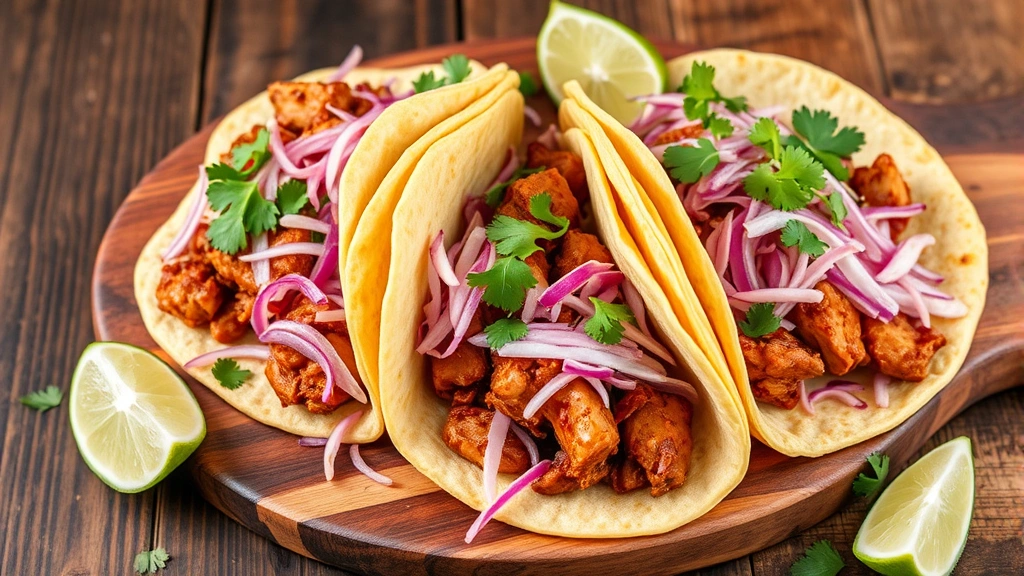
- Kalua pork tacos: Fill warm flour or corn tortillas with shredded kalua pork, cabbage slaw, and a drizzle of spicy aioli for a fusion appetizer.
- Kalua pork sliders: Pile tender pork onto small buns with coleslaw and pickled onions for easy handheld eating.
- Kalua pork nachos: Layer tortilla chips with kalua pork, cheese, jalapeños, sour cream, and guacamole for a crowd-pleasing appetizer.
- Breakfast hash: Combine diced kalua pork with roasted potatoes, eggs, and peppers for a hearty morning meal.
- Fried rice: Stir kalua pork into day-old rice with vegetables and soy sauce for quick, flavorful lunch bowls.
For additional inspiration with Asian-influenced proteins, explore our Eel Sauce Recipe to complement kalua pork preparations. The sauce’s sweet-savory profile pairs beautifully with the pork’s smokiness.
Storage and Leftovers
Refrigeration: Store cooled kalua pork in an airtight container for up to 4 days. The meat actually improves as flavors meld together, making it perfect for advance preparation. Include some of the cooking liquid with the stored pork to maintain moisture.
Freezing: Kalua pork freezes beautifully for up to 3 months. Divide into meal-sized portions before freezing to allow easy thawing. Freeze the meat with its cooking liquid to prevent drying. Thaw overnight in the refrigerator before reheating.
Reheating: Gently warm kalua pork in a covered skillet over medium-low heat with a splash of the reserved cooking liquid, or reheat in a 325°F oven covered with foil. Microwave reheating is possible but less ideal, as it can dry out the meat. The slow cooker’s WARM setting works perfectly if you’re preparing for a gathering.
Creative leftover uses: Transform kalua pork into new dishes throughout the week. Create sandwiches with pickled vegetables, incorporate it into soups and stews, or combine with rice and vegetables for quick stir-fries. The versatility of this protein makes it an excellent candidate for meal prep.
FAQ
Can I make kalua pork without liquid smoke?
Absolutely. Traditional imu-cooked kalua pork relies on smoke from the fire rather than liquid smoke. If you’re using an oven or slow cooker without liquid smoke, you’ll still achieve delicious, authentic-tasting kalua pork—it simply won’t have quite as pronounced a smoky flavor. The salt, extended cooking time, and rendered pork fat create plenty of flavor complexity on their own.
What’s the best cut of pork for kalua pork?
Pork shoulder (also called pork butt) is ideal because it contains significant fat and connective tissue that breaks down during long cooking, creating tenderness and flavor. Bone-in cuts are preferable to boneless, as the bone adds additional flavor and helps the meat cook evenly. Avoid lean cuts like tenderloin, which dry out during extended cooking.
How much kalua pork should I prepare?
Plan on approximately 0.5 pounds of raw pork per person when accounting for cooking loss. An 8-pound pork shoulder typically yields 4-5 pounds of cooked meat. For gatherings, prepare slightly more than you think you’ll need—leftover kalua pork is never a problem.
Can I use a different cooking vessel?
Yes. Dutch ovens, large covered roasting pans, and even a grill with indirect heat all work well. The key is maintaining consistent low heat and adequate moisture during the long cooking period. Whatever vessel you use should be able to retain steam and heat evenly.
Is banana leaf wrapping necessary?
While traditional, banana leaf wrapping is optional. The leaves add subtle flavor and help retain moisture, but aluminum foil accomplishes the same moisture-retention function. If you can find banana leaves at Asian markets or specialty grocers, they’re worth trying for authentic flavor, but the pork will still be delicious without them.
How do I know when kalua pork is done?
Properly cooked kalua pork reaches an internal temperature of 190-205°F and shreds easily with minimal pressure from a fork. Don’t stop cooking at 165°F (safe serving temperature)—the extended cooking to 190°F+ is what transforms tough connective tissue into gelatin, creating the characteristic tender texture.
Can I partially cook kalua pork and finish later?
This isn’t recommended. Partial cooking followed by a delay creates food safety concerns, as the meat may spend too long in the temperature danger zone. If you need to plan ahead, fully cook the pork, cool it quickly, refrigerate, and reheat gently when ready to serve.
What pairs well with kalua pork?
Traditional Hawaiian plate lunch sides include white rice, macaroni salad, and pickled vegetables. For a lighter approach, serve with fresh pineapple, coconut rice, or steamed greens. If you’re creating Asian fusion plates, try pairing with the How to Make Homemade Sushi components for an interesting contrast of flavors and textures.
Is kalua pork gluten-free?
Yes, traditional kalua pork made with salt and pork is naturally gluten-free. However, always verify any added ingredients or liquid smoke for hidden gluten. When serving kalua pork as part of a larger meal, ensure all accompaniments are also gluten-free if necessary.


