Kentucky Mule Recipe: Mixologist’s Guide
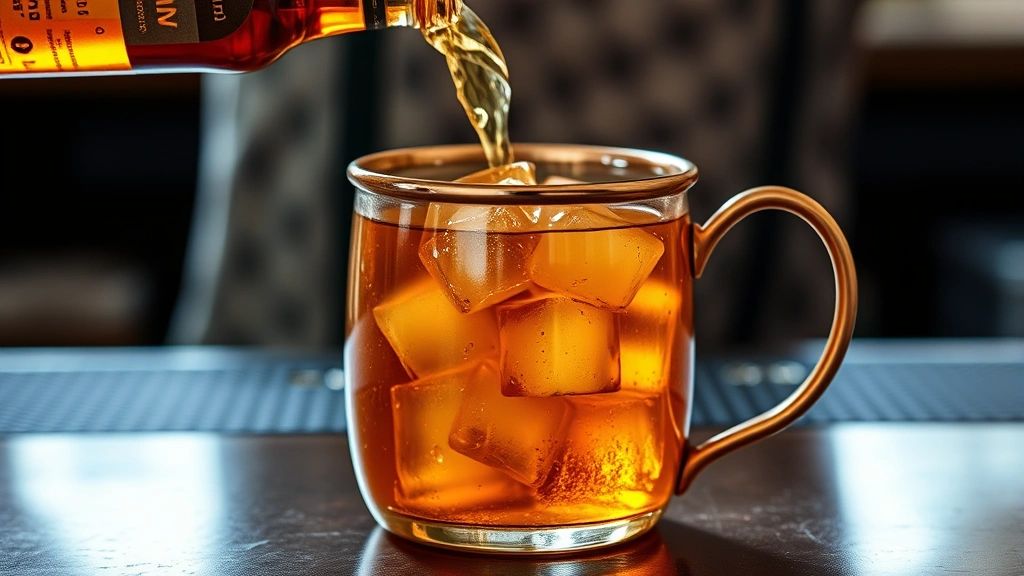
The Kentucky Mule is a sophisticated twist on the classic Moscow Mule, replacing vodka with premium Kentucky bourbon to create a drink that perfectly captures the essence of American whiskey culture. This cocktail has gained tremendous popularity among mixologists and home bartenders who appreciate the rich, warming notes that bourbon brings to the ginger beer and lime foundation. Whether you’re hosting a dinner party or crafting drinks for a special occasion, mastering the Kentucky Mule recipe will elevate your bartending skills and impress your guests with its smooth, complex flavor profile.
What makes the Kentucky Mule particularly special is how the bourbon’s vanilla, oak, and caramel notes harmonize with the spicy kick of ginger beer and the bright acidity of fresh lime juice. This recipe guide will walk you through everything you need to know to create the perfect Kentucky Mule, from selecting the right ingredients to mastering professional mixing techniques. Whether you’re a seasoned mixologist or exploring craft cocktails for the first time, you’ll discover that this drink is both approachable and rewarding to prepare.
Understanding the Kentucky Mule
The Kentucky Mule represents a beautiful evolution in American cocktail culture. Born from the Moscow Mule’s iconic formula, this bourbon-forward variation honors the spirit’s heritage while introducing drinkers to the complexity that quality whiskey can bring to mixed drinks. The drink’s popularity surged as craft cocktail bars began experimenting with bourbon substitutions, recognizing that the spirit’s natural sweetness and depth complemented ginger beer’s peppery notes in unexpected ways.
Understanding the history and philosophy behind the Kentucky Mule helps you appreciate each ingredient’s role. The Moscow Mule, created in the 1940s as a marketing tool for American vodka, established the foundational template: spirit, ginger beer, lime juice, and ice. The Kentucky Mule honors this tradition while introducing bourbon’s warming character, creating a drink that feels simultaneously classic and innovative. This cocktail pairs exceptionally well with easy dinner recipes for beginners or sophisticated appetizers at upscale gatherings.
The beauty of the Kentucky Mule lies in its versatility. While the core recipe remains consistent, experienced mixologists find endless opportunities for creative expression through ingredient selection, garnish choices, and presentation techniques. This flexibility makes it an ideal drink for both casual entertaining and professional bar settings.
Essential Ingredients and Selection
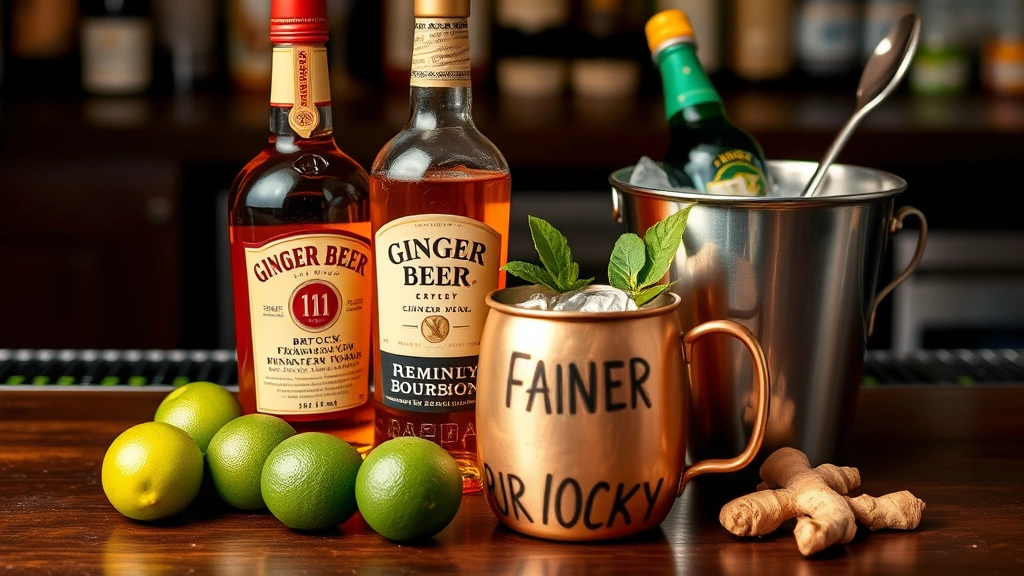
Creating an exceptional Kentucky Mule begins with understanding and selecting quality ingredients. Each component plays a crucial role in the final flavor profile, and choosing premium products will significantly impact your results.
Bourbon Selection: The foundation of your Kentucky Mule depends entirely on bourbon quality. Look for straight bourbon whiskeys aged at least 4 years, with a proof between 90 and 100. Premium options like Buffalo Trace, Woodford Reserve, and Four Roses offer excellent characteristics for cocktails. Avoid bottom-shelf bourbons that may taste harsh or overly woody. The bourbon should showcase vanilla, caramel, and subtle spice notes that complement rather than overpower the ginger beer. Consider exploring distillery resources to understand bourbon production methods and flavor profiles.
Ginger Beer Quality: This is where many home bartenders make mistakes. Ginger beer is not ginger ale—it’s a spicier, more assertive ingredient that provides the drink’s signature kick. Quality matters tremendously. Brands like Fever-Tree, Q Ginger Beer, and Regatta Ginger Beer offer superior flavor compared to supermarket alternatives. The ginger beer should taste fresh, with pronounced ginger spice and subtle sweetness. Avoid brands that taste overly sugary or artificial. Proper ginger beer selection transforms your Kentucky Mule from ordinary to exceptional.
Fresh Lime Juice: Never use bottled lime juice. Fresh lime juice is non-negotiable for cocktail excellence. Persian limes are ideal, offering the perfect balance of acidity and flavor. Squeeze limes immediately before mixing to preserve their bright, citric qualities. A standard lime yields approximately 0.5 ounces of juice. The acidity in fresh lime juice brightens the entire drink and prevents it from tasting too heavy or sweet.
Ice Quality: Clear, dense ice cubes prevent rapid dilution and maintain the drink’s temperature without watering it down. Consider investing in specialty ice-making equipment or purchasing pre-made clear ice from craft cocktail suppliers. Large, single ice cubes or dense ice spheres work beautifully in Kentucky Mules, offering both aesthetic appeal and practical benefits.
Optional Ingredients: Some mixologists add a small splash of fresh ginger juice for intensified spice, or incorporate bitters to add complexity. A dash of Angostura bitters can deepen the drink’s character, while a splash of simple syrup helps balance particularly spicy ginger beers. Experiment cautiously with these additions to develop your signature version.
Equipment You’ll Need
Professional bartending requires proper tools. While you don’t need an extensive collection, certain equipment ensures consistency and quality in your Kentucky Mule preparation.
- Jigger: A 2-ounce jigger with measurement markings ensures accurate pours. Consistency in measurements produces reliable, repeatable results.
- Mixing Glass: A sturdy mixing glass or cocktail pitcher holds ingredients while you stir or shake the drink.
- Bar Spoon: A long-handled bar spoon with a twisted handle allows proper stirring technique and reaches deep into mixing glasses.
- Strainer: A Hawthorne or julep strainer separates liquid from ice when pouring into the serving glass.
- Citrus Juicer: A hand juicer or citrus press efficiently extracts lime juice while filtering seeds and pulp.
- Muddler: Though not essential for Kentucky Mules, a muddler helps if you’re adding fresh ginger or other botanicals.
- Copper Mule Mug: Traditional Moscow Mule mugs are copper, but any insulated glass or copper vessel works beautifully for serving.
Step-by-Step Preparation Guide
Now that you’ve assembled your ingredients and equipment, let’s create the perfect Kentucky Mule. This method produces a balanced, professional-quality cocktail.
Step 1: Prepare Your Glass Fill your copper mule mug or cocktail glass with fresh ice. If possible, chill the glass beforehand by filling it with ice water and letting it sit for 30 seconds before emptying. A chilled glass maintains the drink’s temperature longer and enhances the overall experience.
Step 2: Measure Bourbon Using your jigger, carefully measure 2 ounces of bourbon into the glass. This measurement provides the proper spirit-to-mixer ratio without overwhelming the ginger beer and lime. Some prefer 1.5 ounces for a lighter version, while others prefer 2.5 ounces for a more spirit-forward drink. Find your preference through experimentation.
Step 3: Add Lime Juice Squeeze fresh lime juice directly into the glass, measuring approximately 0.75 ounces. The lime juice provides essential acidity and brightness. If using a juicer, strain the juice to remove pulp and seeds. This step is crucial for achieving the Kentucky Mule’s signature balance.
Step 4: Top with Ginger Beer Pour 4 to 5 ounces of quality ginger beer into the glass, filling it nearly to the rim. The ginger beer should be chilled but not necessarily ice-cold, as the ice in your glass will chill it further. Pour slowly to preserve carbonation and create a visually appealing drink with visible bubbles.
Step 5: Stir Gently Using your bar spoon, gently stir the drink for 5 to 10 seconds. This combines the ingredients while maintaining carbonation. Avoid vigorous stirring, which will release excess bubbles and flatten the drink.
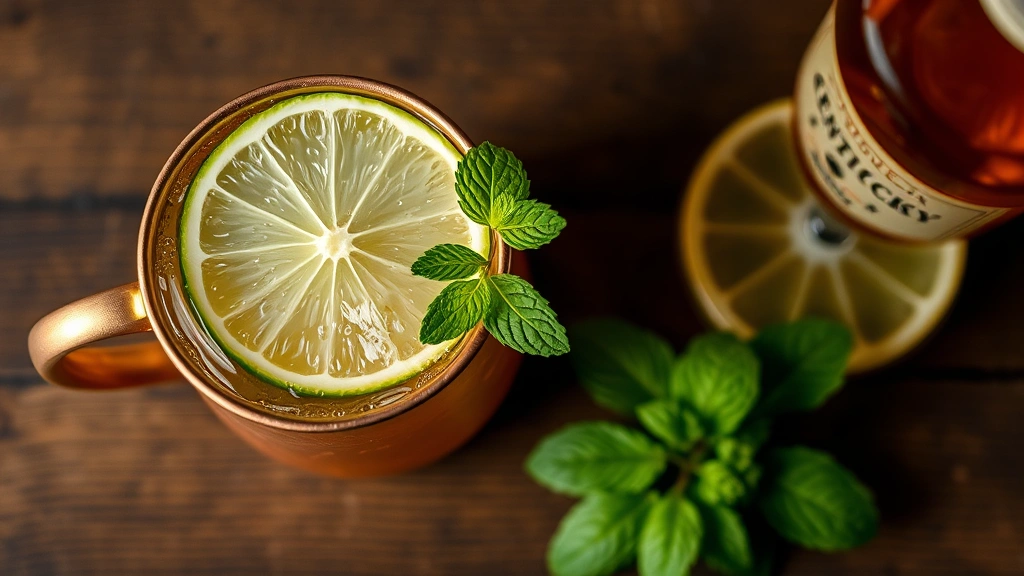
Step 6: Garnish Fresh lime wheels or thin lime slices make traditional garnishes. Some bartenders add a candied ginger slice for visual interest and additional spice notes. A sprig of fresh mint or a thin slice of fresh ginger adds aromatic complexity.
Professional Mixing Techniques
Elevating your Kentucky Mule from good to exceptional requires understanding professional mixing techniques. These methods, developed by craft bartenders over decades, optimize flavor extraction and presentation.
Stirring vs. Shaking: The Kentucky Mule is traditionally stirred rather than shaken. Stirring gently combines ingredients while maintaining the drink’s crisp, refreshing quality. Shaking, by contrast, introduces air bubbles and dilution that can muddy the bourbon’s subtle flavors. Stir with purpose and intention, using smooth, controlled motions.
Temperature Management: The ideal serving temperature for a Kentucky Mule is around 35-40 degrees Fahrenheit. This temperature range preserves the bourbon’s complexity while keeping the drink refreshing. Pre-chilling your glass and using quality ice ensures proper temperature maintenance throughout consumption.
Dilution Control: Proper dilution enhances cocktail flavor by opening up the spirit’s characteristics. However, excessive dilution from melting ice can ruin the drink. Use large, dense ice cubes that melt slowly. Stir briefly to achieve proper dilution without over-watering the cocktail.
Carbonation Preservation: Ginger beer’s carbonation is essential to the Kentucky Mule’s character. Pour ginger beer gently and avoid vigorous stirring. Some professional bartenders use a technique called “layering,” pouring ginger beer last and stirring minimally to preserve bubbles. This technique requires practice but produces noticeably crisper results.
Variations and Customizations
Once you’ve mastered the classic Kentucky Mule recipe, exploring variations expands your mixology repertoire. These creative adaptations honor the original while introducing new flavor dimensions.
Spiced Kentucky Mule: Add a small splash of fresh ginger juice or a dash of Angostura bitters to intensify spice complexity. This variation appeals to those who appreciate bolder, more assertive flavors. The additional spice creates a warming sensation that complements bourbon beautifully.
Herbal Kentucky Mule: Muddle fresh mint or basil into the glass before adding spirits. This creates an herbaceous variation with aromatic complexity. The herbal notes complement bourbon’s vanilla and oak characteristics while adding freshness.
Smoked Kentucky Mule: Use a smoking gun to infuse bourbon with applewood or hickory smoke before mixing. This technique requires special equipment but produces a sophisticated, campfire-inspired drink that impresses guests. The smoke adds depth and complexity to the bourbon’s natural character.
Spicy Jalapeño Variation: Muddle thin jalapeño slices into the glass for heat and green pepper notes. This contemporary variation appeals to those seeking bold, adventurous flavors. Balance the heat with adequate lime juice to prevent overwhelming spiciness.
Honey-Sweetened Version: Add 0.5 ounces of honey syrup (equal parts honey and warm water, cooled) for additional sweetness and body. This variation creates a rounder, more dessert-like profile while maintaining the drink’s refreshing qualities.
Serving and Presentation
Professional presentation elevates the Kentucky Mule experience beyond mere consumption. Visual appeal and thoughtful service create memorable moments for your guests.
Glassware Selection: Traditional copper mule mugs offer visual appeal and practical insulation benefits. However, coupe glasses, rocks glasses, or specialty cocktail vessels work beautifully. Choose glassware that complements your home’s aesthetic while accommodating proper ice and ingredient volumes.
Garnish Techniques: Fresh lime wheels, cut thin and placed on the drink’s rim, provide classic elegance. Candied ginger slices add color and visual interest. Fresh mint sprigs or thin ginger slices introduce aromatic elements that enhance the drinking experience. Consider your presentation carefully—garnishes should look intentional and professional.
Serving Temperature: Serve Kentucky Mules immediately after preparation while carbonation remains active and temperature is optimal. Delay between preparation and service allows ice to melt excessively and carbonation to dissipate. If serving multiple drinks, prepare them in quick succession to ensure consistent quality.
Pairing with Food: Kentucky Mules pair exceptionally well with spicy appetizers, grilled meats, and cheese boards. The drink’s spice and acidity complement rich foods while refreshing the palate. Consider serving Kentucky Mules alongside strawberry sauce recipe applications or savory appetizers for sophisticated entertaining. The bourbon’s warmth pairs beautifully with smoked salmon, aged cheddar, and spiced nuts.
Batch Preparation: When serving multiple guests, prepare a batch by multiplying ingredient quantities. Mix bourbon, lime juice, and a small amount of ginger beer in a pitcher, then top individual glasses with additional ginger beer and ice immediately before serving. This technique maintains quality while simplifying service logistics.
For those interested in broader culinary applications, exploring foods rich in antioxidants and their health benefits provides context for understanding bourbon’s polyphenol content and ginger’s medicinal properties. Understanding ingredients beyond their flavor profile enriches your appreciation for craft cocktails.
FAQ
What’s the difference between a Kentucky Mule and a Moscow Mule?
The primary difference is the spirit base. Moscow Mules use vodka, while Kentucky Mules use bourbon. This substitution creates a warmer, more complex flavor profile with bourbon’s vanilla, caramel, and oak notes replacing vodka’s neutral character. The bourbon transforms the drink from refreshingly simple to sophisticatedly layered.
Can I make Kentucky Mules without fresh lime juice?
While technically possible, using bottled lime juice significantly compromises quality. Fresh lime juice provides brightness and complexity that bottled alternatives cannot match. The investment in fresh limes is minimal compared to the quality improvement they deliver. If fresh limes are unavailable, consider substituting fresh lemon juice rather than using bottled alternatives.
What bourbon works best for Kentucky Mules?
Mid-range bourbons between 90 and 100 proof work beautifully in cocktails. Buffalo Trace, Woodford Reserve, Four Roses, and Maker’s Mark all produce excellent Kentucky Mules. Avoid overly expensive, small-batch bourbons meant for sipping neat, as cocktail mixing somewhat masks their complexity. Conversely, budget bourbons may taste harsh or unbalanced in mixed drinks.
How much ginger beer should I use?
Standard Kentucky Mule recipes call for 4 to 5 ounces of ginger beer, depending on personal preference and glass size. Start with 4 ounces and adjust upward if you prefer less spirit intensity. The ginger beer-to-bourbon ratio should balance spice and warmth without overwhelming either component.
Can Kentucky Mules be prepared in advance?
Kentucky Mules are best consumed immediately after preparation to preserve carbonation and optimal temperature. However, you can prepare the bourbon and lime juice component in advance, then add ginger beer and ice immediately before serving. This technique allows efficient batch preparation for entertaining.
What’s the best way to store bourbon for cocktails?
Store bourbon in a cool, dark cabinet away from direct sunlight and heat sources. Proper storage maintains flavor integrity and prevents premature oxidation. Opened bottles remain fresh for months or years if stored correctly. Avoid refrigerating bourbon, as cold temperatures can mute flavor complexity.
Are there non-alcoholic Kentucky Mule variations?
Yes, create alcohol-free versions by substituting bourbon with additional ginger beer, a touch of honey syrup, and a splash of apple cider vinegar for depth. While not identical to the spirit-forward original, this variation provides a refreshing, sophisticated alternative for non-drinkers.
How do I prevent my Kentucky Mule from becoming watered down?
Use large, dense ice cubes that melt slowly. Pre-chill your glass to reduce initial dilution. Prepare and serve the drink quickly, minimizing time between mixing and consumption. Choose copper mugs or insulated glassware that maintains temperature longer than standard glass.
Can I batch prepare Kentucky Mules for parties?
Absolutely. Multiply ingredient quantities and combine bourbon and lime juice in a pitcher. Add ginger beer and ice to individual glasses immediately before serving. This technique maintains quality while simplifying service. Prepare no more than 30 minutes before serving to preserve carbonation.
What foods pair well with Kentucky Mules?
Kentucky Mules pair beautifully with spicy appetizers, grilled meats, aged cheeses, smoked fish, and cured meats. The drink’s spice and acidity complement rich, savory foods while refreshing the palate. Consider serving with almond cookies recipe variations or savory cheese-based appetizers for sophisticated entertaining experiences.


