Key Lime Cake Delight: Baker Approved Recipe
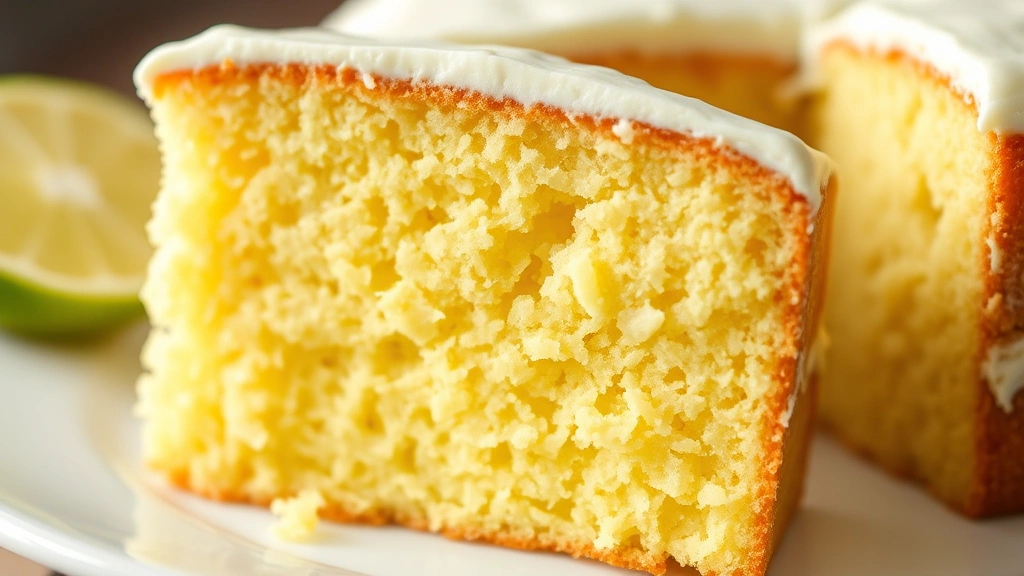
Key lime cake is a showstopping dessert that brings the bright, tangy flavors of the Florida Keys right to your kitchen. This baker-approved recipe combines the iconic tartness of key lime juice with a moist, tender cake crumb and silky cream cheese frosting that will impress even the most discerning dessert lovers. Whether you’re baking for a special occasion or simply craving something citrusy and delicious, this key lime cake recipe delivers professional-quality results every single time.
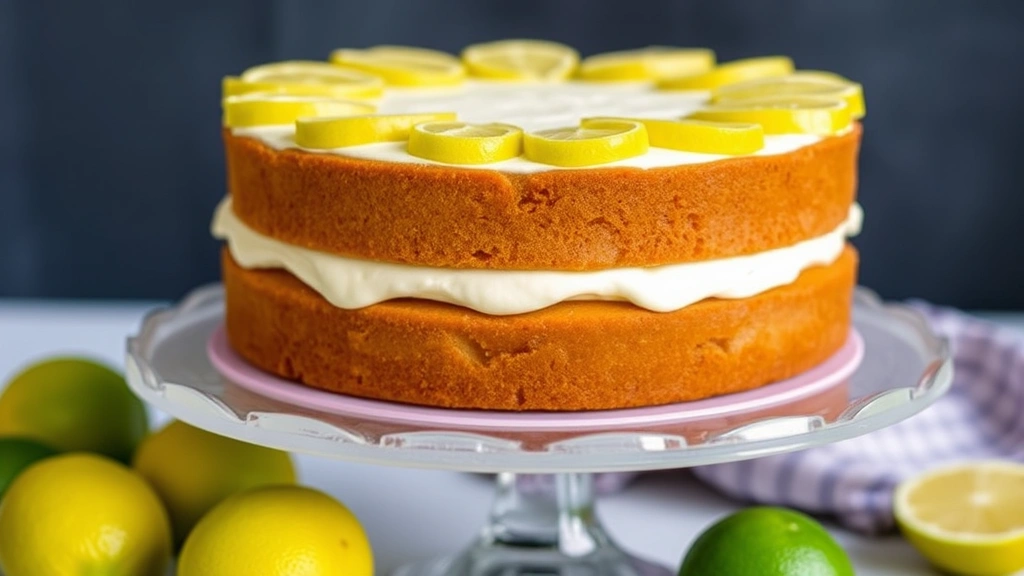
What makes this recipe truly special is the balance between sweetness and that distinctive key lime tang. Unlike other citrus cakes that can taste one-dimensional, this version uses both key lime juice and zest to create layers of flavor that develop beautifully throughout the cake. The cream cheese frosting provides a perfect counterpoint to the bright citrus notes, while the optional garnish of candied lime slices adds both visual appeal and an extra burst of flavor.
Ingredients You’ll Need
For the key lime cake layers, gather 2 1/4 cups all-purpose flour, 1 teaspoon baking powder, 1/2 teaspoon baking soda, and 1/2 teaspoon salt. You’ll also need 1/2 cup (one stick) unsalted butter, softened to room temperature, 1 1/2 cups granulated sugar, 3 large eggs at room temperature, 3/4 cup freshly squeezed key lime juice (about 12-15 key limes), 2 tablespoons key lime zest, 1 cup sour cream, and 1 teaspoon vanilla extract.
For the cream cheese frosting, you’ll need 8 ounces cream cheese, softened, 1/4 cup (half a stick) unsalted butter, softened, 2 cups powdered sugar, 1 tablespoon key lime juice, 1/2 teaspoon vanilla extract, and a pinch of salt. Optional garnishes include candied lime slices, fresh lime zest, and graham cracker crumbs for texture.
- Key lime juice: Fresh is always best, but bottled key lime juice works in a pinch. Avoid regular Persian lime juice, as it has a different flavor profile
- Room temperature ingredients: Eggs, butter, and sour cream should be at room temperature for proper emulsification
- Measure flour correctly: Spoon flour into measuring cups and level with a knife rather than scooping directly from the bag
- Quality vanilla: Pure vanilla extract makes a noticeable difference in the final flavor
Step-by-Step Instructions
Prepare your pans and preheat your oven to 350°F (175°C). Grease two 9-inch round cake pans with butter or non-stick baking spray, then line the bottoms with parchment paper. This ensures your cakes release cleanly and gives you flat, even layers. The parchment paper is especially important with acidic batters like this key lime cake, as it prevents sticking.
Combine dry ingredients in a medium bowl. Whisk together the all-purpose flour, baking powder, baking soda, and salt. Set this mixture aside. Whisking the dry ingredients together ensures even distribution of the leavening agents, which is crucial for a uniformly risen cake with a tender crumb.
Cream butter and sugar until light and fluffy. In a large mixing bowl, beat the softened unsalted butter with granulated sugar on medium-high speed for 3-4 minutes. You’re aiming for a pale, voluminous mixture that has increased in size by about one-third. This creaming process incorporates air into the batter, which helps the cake rise properly in the oven.
Add eggs one at a time. With the mixer running on medium speed, add each egg individually, beating well after each addition (about 30 seconds). This gradual incorporation prevents the batter from curdling and ensures a smooth, homogeneous mixture. If your batter looks slightly curdled after adding the eggs, don’t worry—the sour cream will help bring it back together.
Mix in key lime juice and zest. Add the freshly squeezed key lime juice and key lime zest to the batter, mixing on low speed until just combined. The acidity from the lime juice will react with the baking soda, so work efficiently but don’t overmix. The batter may look slightly curdled at this point, which is completely normal.
Alternate dry ingredients and sour cream. Reduce mixer speed to low and add the dry ingredient mixture in three additions, alternating with the sour cream in two additions. Begin and end with the dry ingredients: dry, sour cream, dry, sour cream, dry. Mix until just combined after each addition. Overmixing at this stage will result in a tough, dense cake, so stop as soon as you don’t see any white streaks of flour.
Add vanilla extract. Stir in the vanilla extract with a rubber spatula using a few gentle folds. Your batter should be smooth, creamy, and pourable at this point.
Divide batter between prepared pans. Pour the batter evenly into your two prepared cake pans. Tap the pans gently on the counter a few times to release any large air bubbles. Smooth the tops with a rubber spatula or the back of a spoon.
Bake for 30-35 minutes. Place the pans in your preheated oven and bake until a toothpick inserted into the center comes out with just a few moist crumbs (not wet batter). The cakes should be golden brown and spring back when lightly touched. Baking time can vary based on your oven, so start checking at 28 minutes.
Cool completely before frosting. Remove the cakes from the oven and let them cool in the pans for 15 minutes. Turn them out onto wire cooling racks and cool completely to room temperature, about 2 hours. This is an important step—frosting warm cake will cause the frosting to melt and slide off.
Baker’s Tips for Success
The secret to a truly exceptional key lime cake lies in understanding how the acidic lime juice interacts with your leavening agents. The key lime juice reacts with the baking soda to create lift and tenderness in the crumb. This is why using fresh key lime juice makes such a difference—bottled versions sometimes have additives that can affect this chemical reaction. If you can’t find fresh key limes, Persian limes are an acceptable substitute, though they’re slightly less tart.
Temperature control is everything. Room temperature ingredients mix together more smoothly and incorporate air more effectively than cold ingredients. Set your eggs, butter, and sour cream out for at least 30 minutes before baking. If you’re short on time, place eggs in warm water for 5 minutes and cut butter into small cubes to speed up the softening process.
Don’t skip the zest. While key lime juice provides the primary flavor, the zest adds complexity and aromatic oils that make the flavor more dimensional. Zest your limes before juicing them—it’s much easier. Use a microplane zester for the finest, most flavorful zest.
Leveling your cake layers. For a professional-looking final product, use a serrated knife or cake leveler to remove the domed top from each baked layer. This creates flat surfaces that stack evenly. If you don’t have a cake leveler, wrap a long serrated knife in a damp kitchen towel and carefully saw horizontally through the dome.
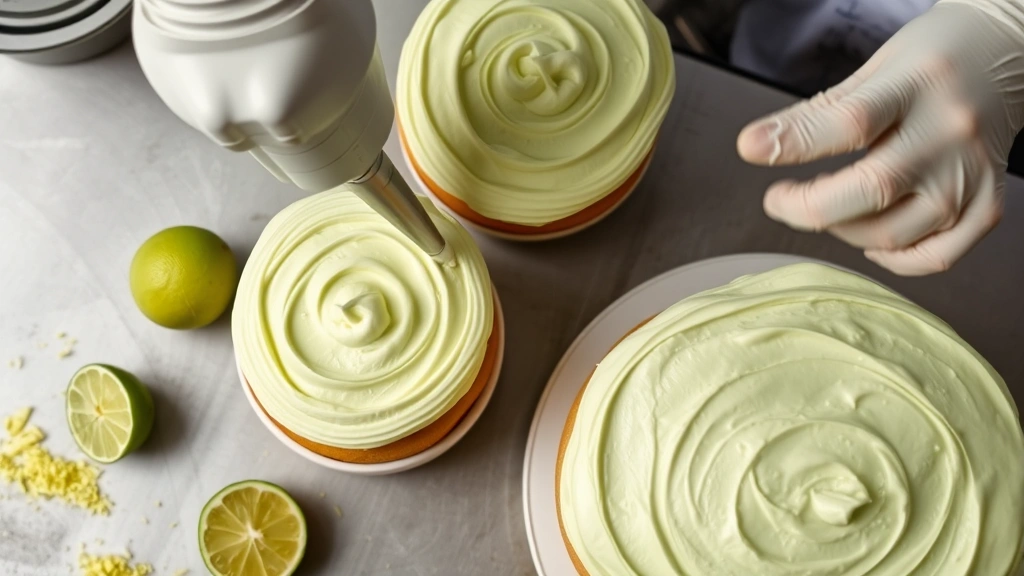
Crumb coat before final frosting. Apply a thin layer of frosting to the entire cake and refrigerate for 30 minutes. This seals in crumbs so your final coat of frosting looks perfectly smooth and professional. It’s an extra step that makes a dramatic difference in appearance.
For other bright, citrus-forward desserts, explore recipes like our refreshing flavor combinations that share similar zesty profiles.
Recipe Variations
Key Lime Cake with Coconut. Add 1 cup shredded coconut (sweetened or unsweetened, depending on preference) to the batter after the final dry ingredients are mixed in. The tropical coconut complements key lime beautifully. You can also toast the coconut before adding for deeper flavor. Toast it in a dry skillet over medium heat for 3-4 minutes, stirring frequently, until fragrant and lightly golden.
Key Lime Layer Cake with Meringue. For a more sophisticated presentation, replace the cream cheese frosting with a Swiss meringue buttercream tinted pale green with a drop of food coloring. Top with fresh whipped cream and candied lime slices. This version is particularly striking at dinner parties and special celebrations.
Mini Key Lime Cakes. Divide the batter among a muffin tin lined with cupcake liners and bake for 18-20 minutes at 350°F. These individual cakes are perfect for entertaining and easier to portion than a full layer cake. Frost with the cream cheese frosting and garnish with a candied lime slice on top.
Key Lime Pound Cake. Reduce the sour cream to 1/2 cup and add an extra 1/4 cup buttermilk for a denser, more tender pound cake texture. Bake in a bundt pan for 50-60 minutes. This version keeps longer and develops even better flavor after a day or two.
Vegan Key Lime Cake. Substitute the butter with vegan butter, eggs with applesauce (1/4 cup per egg), and sour cream with coconut yogurt. The frosting can be made with vegan cream cheese and vegan butter. The results are surprisingly delicious and indistinguishable from the traditional version.
Storage and Make-Ahead Guide
Room temperature storage: Unfrosted cake layers can be stored in an airtight container at room temperature for up to 2 days. The frosted cake is best enjoyed within 24 hours at room temperature, as the frosting can soften. Cover loosely with a cake dome or inverted bowl to prevent it from drying out.
Refrigerator storage: Store the frosted cake in an airtight container on a shelf (not near the back where it’s coldest) for up to 4 days. Remove it from the refrigerator 30 minutes before serving to allow the cake to come to room temperature and the frosting to soften slightly. Cold frosting can taste slightly waxy, so this step really improves the eating experience.
Freezer storage: Unfrosted cake layers wrapped tightly in plastic wrap and placed in a freezer-safe container will keep for up to 3 months. Thaw at room temperature for 2-3 hours before frosting and serving. The frosted cake can also be frozen—wrap it very carefully and freeze for up to 2 months. Thaw overnight in the refrigerator before serving.
Make-ahead strategy: Bake the cake layers up to 2 days in advance and store them in an airtight container. Make the frosting the day you plan to serve the cake, as cream cheese frosting is best used fresh. This approach gives you maximum flexibility while ensuring the best flavor and texture in the finished cake.
Transporting your cake: If you need to transport the cake, freeze it first for at least 4 hours. A frozen cake is much sturdier and less likely to shift or slide during transport. Place it in a sturdy cake box and secure the box in your car with a seatbelt. Allow it to thaw at room temperature for several hours before serving.
FAQ
Can I use regular limes instead of key limes?
While you can substitute Persian limes (the larger, more common limes), the flavor will be slightly different. Key limes are smaller, rounder, and more aromatic with a unique tartness that’s difficult to replicate. If using Persian limes, reduce the juice to 1/2 cup and add 2 tablespoons of additional lime zest to compensate for the flavor difference. The cake will still be delicious, just with a slightly different character.
What if I can’t find fresh key limes?
Bottled key lime juice is your best option and produces excellent results. Look for 100% pure key lime juice with no added sugar or preservatives. It’s usually found in the baking or cocktail mixer section of grocery stores. You can also order fresh key limes online from specialty food suppliers if you want the authentic fresh experience.
Can I make this cake without sour cream?
Sour cream adds moisture and tenderness to the crumb while also balancing the acidity of the lime juice. You can substitute with Greek yogurt in a 1:1 ratio, though the texture will be slightly different. Regular yogurt works too, but the cake may be less dense and moist. Avoid substituting with buttermilk, as it changes the chemical balance of the recipe.
How do I know when the cake is done baking?
The toothpick test is your best indicator. Insert a wooden toothpick into the center of each cake—it should come out with just a few moist crumbs, not wet batter. The cake should also spring back when you gently press the top with your finger, and the edges should be just beginning to pull away from the sides of the pan. If you overbake, the cake will be dry; if you underbake, it will be too moist and fragile to layer.
Can I make a larger or smaller version of this cake?
Yes! You can halve the recipe and bake it in two 6-inch pans for a smaller cake, which bakes for about 25-28 minutes. You can also double the recipe and bake it in three or four 9-inch pans for a taller cake, though you’ll need to increase the baking time slightly. Adjust baking times based on the thickness of your layers—thinner layers bake faster.
What’s the best way to make candied lime slices for garnish?
Slice key limes (or regular limes) into thin rounds, about 1/8-inch thick. In a small saucepan, combine 1 cup sugar with 1 cup water and bring to a boil. Add the lime slices and reduce heat to low. Simmer gently for 45 minutes to 1 hour, until the slices are translucent and the pith is soft. Remove with a slotted spoon and place on parchment paper to dry. Once cool, they can be stored in an airtight container for up to 2 weeks.
Is this cake difficult to make for a beginner baker?
Not at all! While this recipe has several steps, each one is straightforward and manageable. As long as you follow the instructions carefully—especially regarding temperature control and not overmixing—you’ll achieve excellent results. The key to success is patience: don’t rush the creaming step, don’t overmix the batter, and don’t frost the cake until it’s completely cool.
Can I add a lime curd layer between the cake layers?
Absolutely! Homemade lime curd adds wonderful flavor and texture. Make your curd by whisking 4 egg yolks, 1/2 cup key lime juice, 1/2 cup sugar, and a pinch of salt in a double boiler over medium heat for 8-10 minutes until thick. Strain through a fine-mesh sieve, stir in 2 tablespoons butter, and cool completely. Spread a thin layer on each cake layer before frosting for extra flavor complexity.
For inspiration on complementary flavors and sauce pairings that work beautifully with citrus desserts, explore our collection of sauce recipes that can enhance your culinary creations.
This key lime cake recipe has been tested countless times and refined to deliver restaurant-quality results in a home kitchen. The balance of bright citrus flavor, tender crumb, and silky frosting makes it a showstopper dessert that’s sure to impress. Whether you’re celebrating a special occasion or simply treating yourself to something delicious, this baker-approved key lime cake is absolutely worth making.


