Kohlrabi Slaw Recipe: Grandma’s Favorite Crispy Side Dish
Kohlrabi slaw is a timeless vegetable dish that has graced dinner tables for generations, particularly in European and Asian cuisines. This humble yet delicious recipe showcases the tender, slightly sweet flavor of kohlrabi—a cruciferous vegetable that often gets overlooked in modern kitchens. My grandmother’s version combines the crisp texture of freshly shredded kohlrabi with a tangy vinaigrette that brings out the vegetable’s natural delicate notes. Whether you’re looking for a refreshing side to complement grilled meats or a light accompaniment to easy vegan breakfast ideas, this kohlrabi slaw recipe delivers authentic flavor and nutritional benefits in every bite.
What makes this kohlrabi recipe particularly special is its versatility and simplicity. Unlike cabbage slaw, which can become heavy and overpowering, kohlrabi maintains a delicate crunch and subtle sweetness that makes it perfect for pairing with various dishes. The beauty of this grandmother-approved recipe lies in its ability to be prepared ahead of time, making it ideal for meal planning and entertaining. The slaw actually improves as it sits, allowing the flavors to meld together beautifully while maintaining that essential crispy texture that defines a truly exceptional slaw.
Beyond its culinary appeal, kohlrabi is packed with vitamin C, fiber, and antioxidants, making this recipe a nutritious choice for health-conscious cooks. The simplicity of the preparation method ensures that the vegetable’s natural goodness remains intact, providing you with a wholesome side dish that doesn’t compromise on taste. Let’s explore how to create this beloved family recipe in your own kitchen.
Understanding Kohlrabi: The Forgotten Vegetable
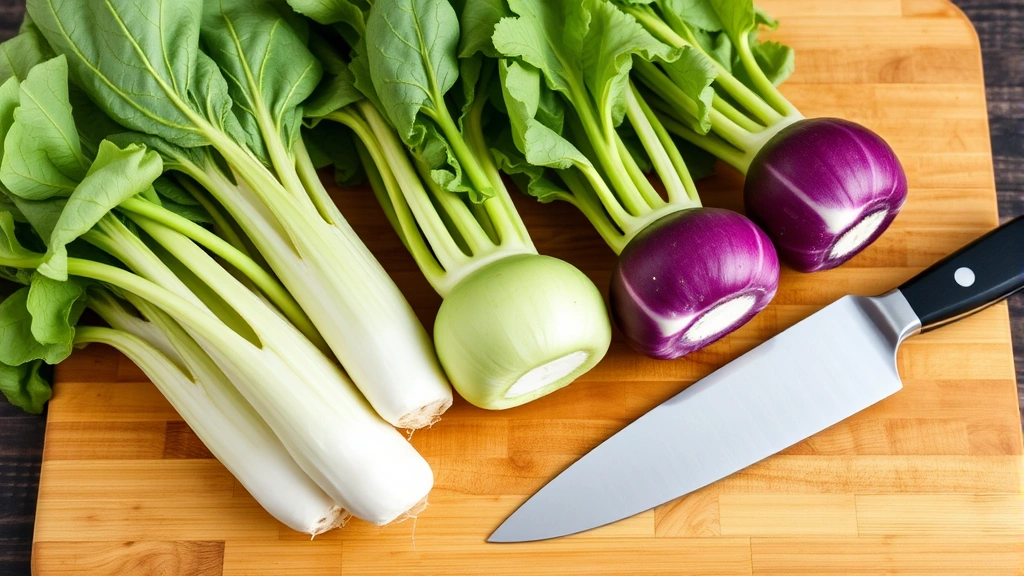
Kohlrabi, scientifically known as Brassica oleracea, is a member of the cabbage family that originated in northern Europe during the Middle Ages. The name comes from German and Italian words meaning “cabbage turnip,” which accurately describes its appearance—a bulbous stem that resembles a turnip with cabbage-like leaves sprouting from the top. What many home cooks don’t realize is that both the bulb and the leaves are entirely edible, making this vegetable remarkably economical.
The flavor profile of kohlrabi is notably different from cabbage. It offers a milder, almost sweet taste with tender flesh that becomes even more delicate when young and small. This makes it the perfect base for a slaw that doesn’t overwhelm the palate. The vegetable’s texture is crisp and juicy, similar to a jicama or water chestnut, which means it holds up beautifully in a vinaigrette-based slaw without becoming soggy or limp.
Choosing the right kohlrabi is crucial for this recipe. Look for specimens that are small to medium-sized, typically two to three inches in diameter. Larger kohlrabi can become fibrous and woody, losing the tender quality that makes this slaw special. The skin should be firm and unblemished, with fresh green leaves still attached if possible. Many farmers’ markets carry kohlrabi during spring and fall, though increasingly you can find it year-round in well-stocked grocery stores.
Ingredients You’ll Need for Perfect Slaw
Creating this grandmother-approved kohlrabi recipe requires quality ingredients, though the list remains refreshingly simple. Here’s everything you’ll need:
- 4 medium kohlrabi bulbs (about 1.5 pounds), peeled and cut into thin strands
- 2 medium carrots, julienned for color and slight sweetness
- 1/2 small red onion, thinly sliced for subtle bite
- 1/4 cup fresh parsley, finely chopped for brightness
- 2 tablespoons fresh dill, optional but recommended
- 1/2 teaspoon kosher salt, for seasoning
- 1/4 teaspoon freshly ground black pepper
- 3 tablespoons apple cider vinegar or white wine vinegar
- 2 tablespoons extra virgin olive oil
- 1 tablespoon honey or maple syrup for balance
- 1 teaspoon Dijon mustard, for depth
- 1 clove garlic, minced very fine
The beauty of this kohlrabi slaw recipe is that you can adjust ingredients based on personal preference and what’s available in your pantry. Some cooks prefer adding a touch of celery seed or caraway seeds for additional complexity. Others incorporate shredded apple or a handful of toasted nuts for textural variety. The core ingredients listed above create the classic version that has pleased families across generations.
Step-by-Step Preparation Instructions
Preparing the Kohlrabi: Begin by washing your kohlrabi bulbs thoroughly under cool running water to remove any soil. Using a sharp vegetable peeler or paring knife, remove the outer skin, which can be slightly tough and fibrous. Work carefully to remove just the outer layer while preserving as much of the tender flesh as possible. Once peeled, cut the kohlrabi in half, then slice thinly before julienning into thin matchstick-sized pieces. A mandoline slicer works beautifully for this task, though a sharp knife and steady hand work equally well. The goal is uniform, thin pieces that will absorb the vinaigrette evenly.
Preparing Additional Vegetables: Julienne your carrots using the same method as the kohlrabi, aiming for pieces of similar size and thickness. This ensures even cooking and consistent texture throughout the slaw. Slice your red onion as thinly as possible using a sharp knife, cutting perpendicular to the layers to create half-moon shapes. Mince your garlic very finely—you want it distributed throughout rather than in noticeable chunks. Chop your fresh herbs, keeping them separate until assembly.
Combining Vegetables: Place your prepared kohlrabi, carrots, and red onion in a large mixing bowl. Sprinkle with kosher salt and black pepper, then toss gently but thoroughly to distribute the seasonings evenly. At this point, you can allow the vegetables to sit for five to ten minutes. This resting period allows the salt to begin drawing out moisture from the vegetables, which helps them absorb the vinaigrette more effectively. However, don’t let them sit too long, as excessive moisture loss can result in a soggy slaw.
Creating the Perfect Vinaigrette
The vinaigrette is truly the soul of this kohlrabi recipe, transforming simple shredded vegetables into something memorable and delicious. In a small bowl, combine your apple cider vinegar with Dijon mustard, whisking together until the mustard is fully incorporated. The mustard serves multiple purposes: it adds subtle flavor, helps emulsify the dressing, and contributes to a silkier mouthfeel.
Add your minced garlic to the vinegar mixture, stirring well. Allow this combination to sit for just a minute, which helps the garlic flavor bloom and become more integrated. Next, whisk in your honey or maple syrup. The sweetness is crucial for balancing the acidity of the vinegar and complementing kohlrabi’s natural delicate sweetness. Finally, slowly whisk in your extra virgin olive oil, creating an emulsified dressing. The oil doesn’t need to be completely incorporated—a slightly rustic vinaigrette with visible oil droplets is actually preferable and more flavorful than a perfectly smooth version.
Taste your vinaigrette and adjust the seasoning as needed. You want a balance of tangy, sweet, and savory notes with no single flavor dominating. If the vinaigrette tastes too acidic, add a touch more honey. If it’s too sweet, add a pinch more salt or a splash of vinegar. This tasting and adjusting step is essential for achieving the perfect result.
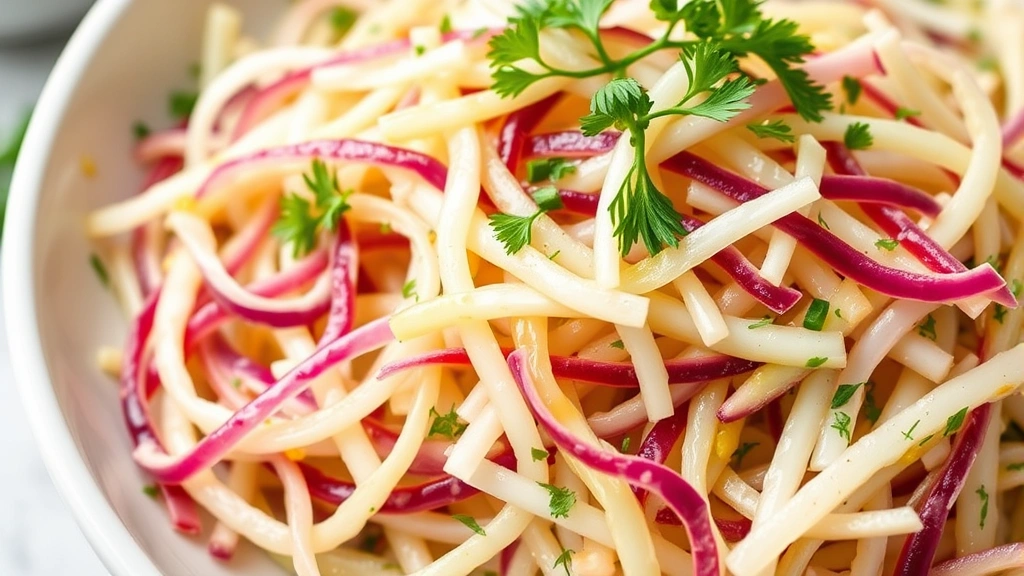
Bringing It All Together: Pour your prepared vinaigrette over the kohlrabi mixture, then add your chopped fresh parsley and dill. Using two forks or salad tongs, toss the slaw gently but thoroughly, ensuring every strand of vegetable is coated with the vinaigrette. The vegetables should glisten and the liquid should be evenly distributed. Allow the slaw to rest at room temperature for at least fifteen minutes before serving, though thirty minutes is ideal. This resting period allows the flavors to meld and the vegetables to soften slightly while maintaining their essential crunch.
Tips for Maximum Crispness and Flavor
Temperature Matters: Serve your kohlrabi slaw chilled or at room temperature, never hot. The cold temperature preserves the crisp texture that makes this dish so appealing. If you’re preparing the slaw ahead of time, keep it refrigerated until shortly before serving. Remove it from the refrigerator about ten minutes before plating to allow the flavors to become more pronounced.
Cutting Technique: The thickness of your vegetable cuts directly impacts the final texture. Aim for pieces approximately 1/8 inch thick—thin enough to absorb the vinaigrette but thick enough to maintain crispness. Using a sharp knife or mandoline prevents crushing the vegetables, which would release excess moisture and result in a soggy slaw. If using a mandoline, exercise caution and always use the guard to protect your fingers.
Vinegar Selection: Different vinegars create different flavor profiles. Apple cider vinegar offers a slightly sweet, fruity note that complements kohlrabi beautifully. White wine vinegar provides a cleaner, more delicate acidity. Rice vinegar creates an even milder dressing. Experiment with different varieties to discover your preferred version of this kohlrabi recipe. Avoid distilled white vinegar, which can taste harsh and one-dimensional.
Freshness of Herbs: Fresh herbs make an enormous difference in the final flavor. If possible, use herbs within a day or two of purchase. If you must use dried herbs, reduce the quantity by two-thirds, as dried herbs are more concentrated. Fresh dill is particularly important for this recipe—it adds an elegant note that dried dill simply cannot replicate.
Salt Timing: Seasoning your vegetables before adding the vinaigrette helps them absorb flavors more effectively. However, avoid over-salting, as the salt will continue drawing out moisture. Start conservatively and adjust at the end if needed.
Storage and Make-Ahead Strategies
One of the greatest advantages of this grandmother-approved kohlrabi recipe is its excellent keeping quality. Properly stored, the slaw maintains its quality for three to five days in the refrigerator, making it ideal for meal preparation and entertaining. Store the slaw in an airtight container, ensuring that the vegetables remain submerged in the vinaigrette as much as possible. This prevents the exposed vegetables from oxidizing and browning.
Interestingly, kohlrabi slaw actually improves over the first day or two as the flavors continue to meld and develop. Many cooks prefer making this dish a day ahead of serving for maximum flavor. However, if you’re concerned about texture, you can prepare the vegetables and vinaigrette separately, then combine them just a couple hours before serving.
For longer storage beyond five days, you can freeze individual portions in freezer bags, though this will soften the kohlrabi somewhat. The slaw works well in this form for cooked applications, such as topping best breakfast food recipes or mixed into grain bowls. Simply thaw in the refrigerator before using.
Serving Suggestions and Pairings
This kohlrabi recipe serves as a versatile accompaniment to numerous main dishes. The crisp texture and tangy flavor make it an ideal complement to rich, fatty proteins. Serve it alongside grilled pork chops, where the acidity cuts through the richness beautifully. It pairs wonderfully with smoked salmon or other fish, adding brightness and textural contrast. The slaw also complements roasted chicken, duck, and game birds, providing a fresh counterpoint to their richness.
For vegetarian applications, consider serving this slaw with hearty grains and legumes. It adds crunch and flavor to grain bowls, lentil dishes, and bean-based preparations. The slaw works beautifully alongside roasted vegetables, particularly root vegetables like beets and turnips, creating a complete, satisfying side dish course.
If you enjoy easy vegan breakfast ideas, consider adding a portion of this slaw to your breakfast plate. Its refreshing quality pairs surprisingly well with eggs, particularly poached or soft-boiled preparations. You can also incorporate it into banana smoothie recipe bowls as a crunchy topping, adding unexpected textural and flavor complexity.
For entertaining, consider pairing this kohlrabi recipe with easy homemade bread recipes to create a complete, restaurant-quality side dish course. The bread provides a vehicle for sopping up the flavorful vinaigrette. You might also serve the slaw alongside how to make herbal teas for a sophisticated, health-conscious meal presentation.
Portion Considerations: This recipe yields approximately six to eight servings as a side dish, or four servings if serving as a light main course with additional components. The slaw keeps well, so don’t hesitate to make a full batch even for smaller gatherings—leftovers are always welcome.
Frequently Asked Questions
Can I use a food processor to shred the kohlrabi?
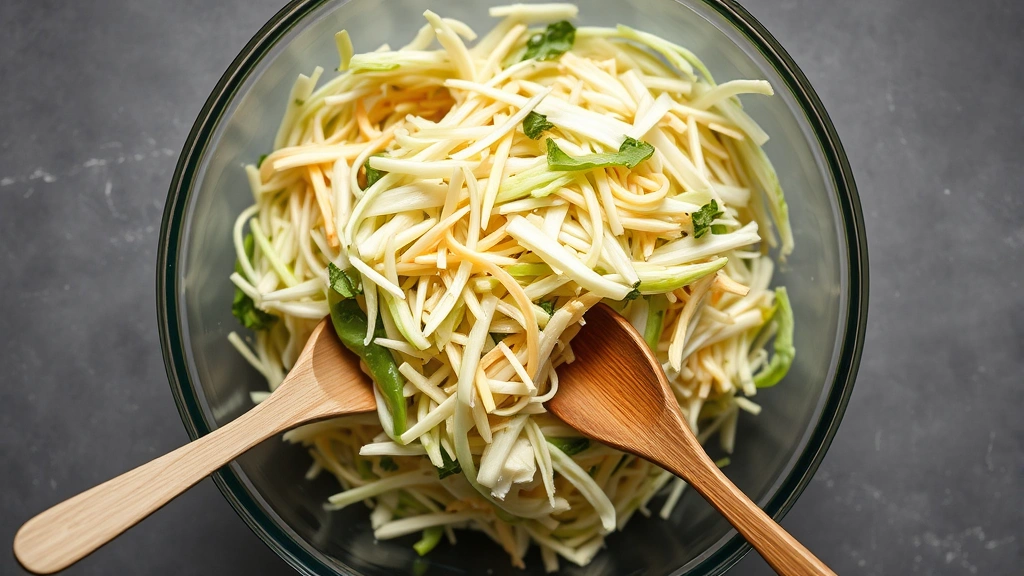
Absolutely. A food processor with a shredding attachment works beautifully for this task, saving considerable time and effort. The result is consistent, uniform pieces that cook and absorb the vinaigrette evenly. Simply cut your peeled kohlrabi into chunks that fit your food processor feed tube, then process using the shredding blade. The texture will be virtually identical to hand-shredded kohlrabi.
What if I can’t find kohlrabi at my local store?
Kohlrabi is increasingly available year-round, but if you cannot locate it, several substitutes work well in this recipe. Jicama provides a similar crisp texture and mild flavor. Daikon radish offers comparable crunch with slightly more assertive flavor. Turnips work in a pinch, though they’re more peppery. You can also use a combination of thinly sliced cabbage and celery root for a result that honors the spirit of the original recipe.
Is this kohlrabi recipe suitable for people with dietary restrictions?
Yes, this recipe is naturally vegan, vegetarian, gluten-free, and paleo-friendly. The only ingredient that might concern those with specific dietary needs is the honey, which vegans can replace with maple syrup or agave nectar. The recipe contains no nuts, dairy, or processed ingredients, making it accessible to people with most common allergies and intolerances.
Can I add other vegetables to this slaw?
Certainly. This kohlrabi recipe serves as an excellent base for experimentation. Thinly sliced fennel adds anise notes. Shredded beets contribute earthiness and vibrant color. Thinly sliced radishes provide additional crunch and peppery flavor. Cucumber adds refreshing quality. Keep in mind that different vegetables have different moisture contents and absorption rates, so you may need to adjust the vinaigrette quantity slightly if making significant additions.
How can I make this recipe less tangy?
If you find the vinegar flavor too assertive, reduce the amount of vinegar by one-quarter to one-half tablespoon and increase the honey slightly. You can also add a splash of water or vegetable broth to dilute the dressing. Alternatively, use a milder vinegar such as rice vinegar instead of apple cider or white wine vinegar. Remember that the slaw’s flavor mellows slightly as it sits, so if you’re tasting it immediately after assembly, it may seem more acidic than it will be after a few hours of resting.
What’s the best way to serve this slaw at a dinner party?
Prepare the slaw several hours or even a day ahead, storing it in an airtight container in the refrigerator. About thirty minutes before serving, remove it from the refrigerator to allow the flavors to become more pronounced and the vegetables to reach a pleasant cool temperature. Transfer to a serving bowl just before plating, garnishing with an additional sprinkle of fresh herbs if desired. This advance preparation allows you to focus on your main course and other components of your meal.
Can I make this kohlrabi recipe without vinegar?
While vinegar is essential to the traditional recipe, you can create a variation using fresh lemon or lime juice instead. Use the same quantity of juice as you would vinegar, though you may need to increase the honey slightly, as citrus juice is typically less acidic than vinegar. The resulting slaw will have a brighter, more citrusy flavor profile while maintaining the essential character of the dish.
How do I know when kohlrabi is perfectly ripe for this recipe?
Choose kohlrabi that feels firm and heavy for its size, with no soft spots or blemishes. The skin should be smooth and unblemished. Size matters significantly—small to medium kohlrabi (two to three inches in diameter) are typically the most tender. If the kohlrabi feels lightweight or hollow when you gently squeeze it, it may be past its prime. The best kohlrabi for this recipe should yield slightly to firm pressure but not feel mushy.
This grandmother-approved kohlrabi slaw recipe represents the essence of traditional, wholesome home cooking. Its simplicity, versatility, and reliable deliciousness have made it a family favorite across generations and cultures. Whether you’re seeking a new side dish to complement your favorite proteins or exploring lesser-known vegetables, this recipe offers a rewarding culinary experience. The combination of crisp kohlrabi, tangy vinaigrette, and fresh herbs creates a dish that’s both comforting and sophisticated, proving that the best recipes often require just a few quality ingredients and proper technique. Start with this classic version, then feel free to adapt and personalize it to suit your preferences and available ingredients. Your family may very well adopt this as their own favorite recipe for years to come.


