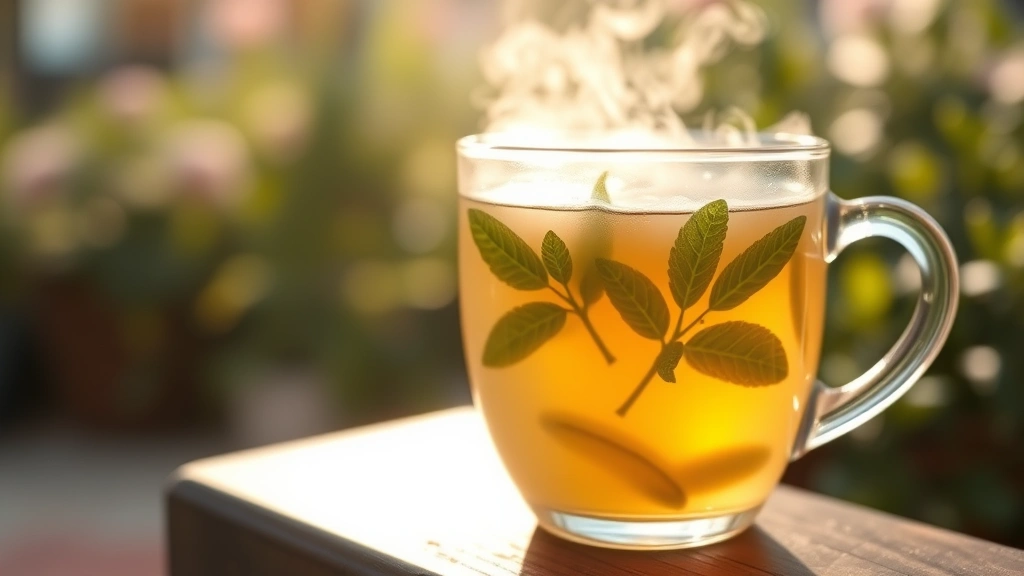
Lemon Balm Tea Recipe: Herbalist’s Secret Brew
Lemon balm tea represents one of the most soothing and accessible herbal remedies available to home brewers. This delicate infusion captures the bright, citrusy essence of lemon balm leaves—a perennial herb from the mint family that has been treasured for centuries across European and Mediterranean cultures. Whether you’re seeking a calming afternoon beverage, a natural remedy for stress, or simply a fragrant cup of warmth, mastering the lemon balm tea recipe opens doors to countless wellness benefits and culinary possibilities.
The beauty of this herbalist’s secret brew lies in its simplicity and versatility. Unlike complex recipes requiring precise measurements and specialized equipment, lemon balm tea demands only fresh or dried leaves, hot water, and a few minutes of your time. Yet despite its straightforward preparation, the depth of flavor and therapeutic properties make it worthy of exploration. This guide walks you through everything from selecting the finest lemon balm to troubleshooting common brewing mistakes, ensuring your tea reaches its full aromatic potential.
What is Lemon Balm and Why Brew It
Lemon balm, scientifically known as Melissa officinalis, belongs to the Lamiaceae family alongside mint, oregano, and basil. The plant produces soft, wrinkled leaves with a distinctive lemon aroma that intensifies when touched or crushed. This herbaceous perennial thrives in temperate climates and has been documented in medicinal texts dating back to the medieval period, when European monks cultivated it in monastery gardens specifically for its calming properties.
The herb’s popularity stems from its multifaceted appeal. Aromatherapists and herbalists recommend lemon balm for its potential to reduce anxiety and promote relaxation. Culinary enthusiasts appreciate its subtle citrus notes that enhance desserts, beverages, and fish dishes. Home gardeners love its hardiness and prolific growth—a single plant can provide abundant leaves throughout the growing season. When you brew lemon balm tea, you’re tapping into centuries of traditional knowledge while creating a genuinely delicious beverage that tastes nothing like medicine.
Understanding the plant’s characteristics helps you select the best material for tea. Lemon balm leaves contain volatile oils including citral, which provides the characteristic lemon scent, and various polyphenols that contribute to its antioxidant properties. These compounds are released most effectively through proper steeping, which is why technique matters as much as ingredient quality.
Fresh vs Dried Lemon Balm Leaves
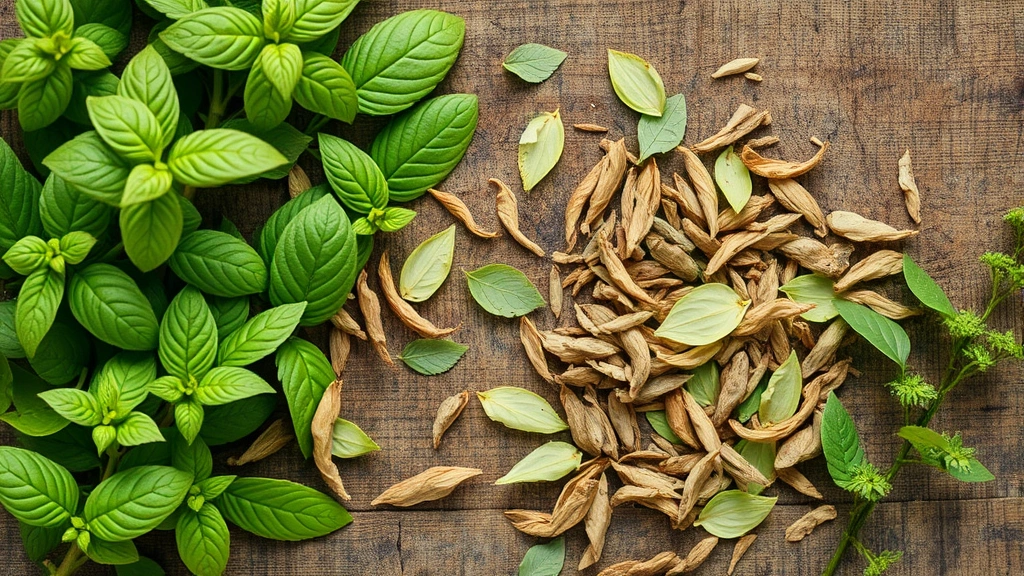
The choice between fresh and dried leaves represents your first critical decision when preparing lemon balm tea. Fresh leaves, harvested at their peak, deliver the most vibrant flavor and aroma. If you grow lemon balm or have access to it from a farmer’s market, fresh leaves create an intensely fragrant tea with bright, complex notes. Fresh preparations work beautifully in warm weather when you might want a chilled version, or when you’re seeking maximum therapeutic impact.
Dried lemon balm offers distinct advantages that shouldn’t be overlooked. The drying process concentrates flavors, allowing smaller quantities to produce satisfying results. Dried leaves store for months when kept in airtight containers away from light and heat, making them practical for year-round brewing. The drying process also makes the leaves more shelf-stable and easier to measure consistently. Most herbalists maintain dried lemon balm in their pantries specifically because it bridges seasonal gaps.
Fresh leaves require approximately three times the quantity of dried leaves to achieve equivalent strength. For example, one teaspoon of dried lemon balm equals roughly three teaspoons of fresh, loosely packed leaves. The water content in fresh leaves means you’re paying for weight that won’t contribute to flavor intensity. However, fresh leaves create a more delicate, nuanced cup that some enthusiasts prefer for its subtle complexity.
To dry your own lemon balm, harvest sprigs in the morning after dew dries but before afternoon heat peaks. Tie bundles loosely and hang them in a warm, well-ventilated space away from direct sunlight. Alternatively, spread leaves on a clean cloth or screen and allow them to air dry for five to seven days. Once completely dry and brittle, strip leaves from stems and store in glass jars with tight-fitting lids.
Basic Lemon Balm Tea Recipe
Ingredients:
- 1 teaspoon dried lemon balm leaves (or 3 teaspoons fresh, loosely packed)
- 8-10 ounces freshly boiled water
- Optional: honey, agave, or your preferred sweetener
- Optional: fresh lemon slice or mint sprig for garnish
Equipment:
- Teapot, mug, or infuser cup
- Kettle for heating water
- Strainer or fine-mesh sieve
- Spoon for stirring
Step-by-Step Instructions:
- Heat water to the proper temperature. Bring fresh, cold water to a rolling boil (212°F). If using an electric kettle, allow it to reach full boil before proceeding. This temperature ensures optimal extraction of lemon balm’s beneficial compounds and aromatic oils.
- Prepare your brewing vessel. Place dried or fresh lemon balm leaves directly into your teapot, infuser basket, or mug. If using a strainer or infuser, ensure it has small enough holes to prevent leaf fragments from escaping into your final cup.
- Pour the hot water. Carefully pour the boiling water over the lemon balm leaves, ensuring all leaves become saturated. Use approximately one teaspoon of dried leaves per eight ounces of water, adjusting based on personal preference for strength.
- Steep for optimal extraction. Cover your brewing vessel and allow the tea to steep for five to seven minutes. This timeframe balances flavor intensity with preventing over-steeping, which can introduce bitter notes. Shorter steeps (three to four minutes) create lighter, more delicate cups, while longer steeps (eight to ten minutes) produce stronger infusions.
- Strain the leaves. After steeping, carefully strain out all leaf material using a fine-mesh sieve, strainer, or by lifting out your infuser basket. Press gently on the leaves to extract maximum flavor without crushing them into fragments.
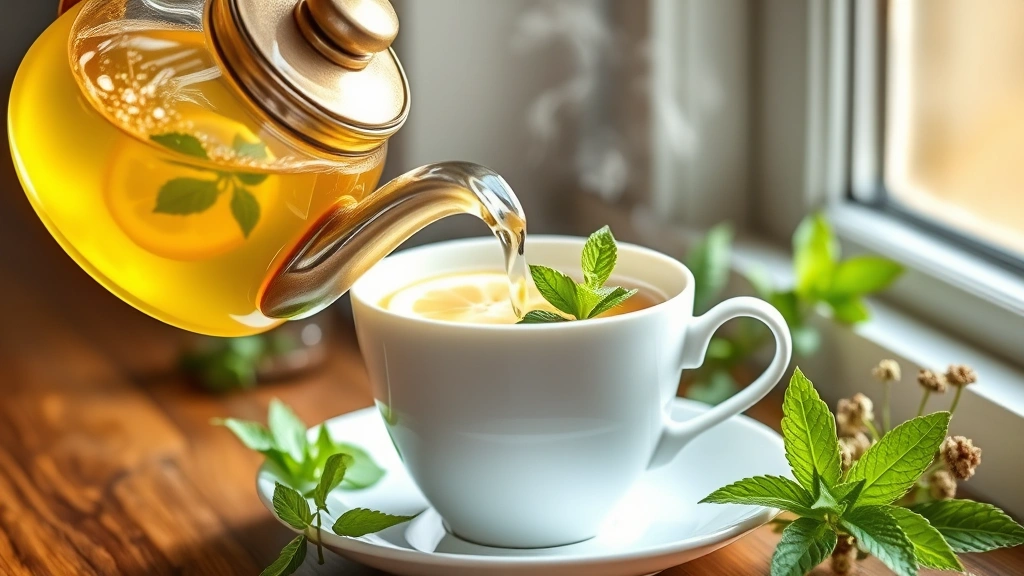
- Sweeten and serve. Pour the strained tea into your favorite cup. Add honey, agave syrup, or your preferred sweetener while the tea remains hot, as these ingredients dissolve more readily in warm liquid. Garnish with a fresh lemon slice or mint sprig if desired.
This foundational recipe creates a clean, aromatic cup that showcases lemon balm’s natural character. The five to seven-minute steep time has been refined through generations of herbal tea practitioners and consistently produces balanced results.
Advanced Brewing Techniques
Once you’ve mastered the basic recipe, exploring advanced techniques elevates your lemon balm tea practice. Cold brewing represents one of the most interesting variations, particularly for warm-weather consumption. This method involves steeping dried or fresh lemon balm in room-temperature or cold water for six to twelve hours, producing a smooth, less astringent infusion. Cold-brewed lemon balm tea develops a naturally sweet quality and requires no heating equipment, making it ideal for batch preparation.
Decoction brewing, traditionally used for roots and woody plant material, can be applied to lemon balm for intensified flavor extraction. Rather than steeping, you gently simmer lemon balm leaves in water for ten to fifteen minutes, maintaining a low, rolling simmer rather than a full boil. This method slightly increases the extraction of beneficial compounds, though it risks developing more pronounced bitter notes if overcooked. Decocted lemon balm works particularly well when combined with other herbs in medicinal tea blends.
Double-steeping involves using the same leaves for two consecutive infusions. After your initial five to seven-minute steep, strain the leaves but retain them. Add fresh boiling water and steep again for an additional five minutes. The second infusion typically tastes lighter but still pleasant, reducing waste and maximizing leaf utility. This technique works best with dried leaves, as fresh leaves may deteriorate in structure after the first steep.
Layered infusions combine lemon balm with other complementary herbs. The Herbal Academy recommends pairing lemon balm with chamomile for enhanced relaxation benefits, or with ginger for warming properties. These combinations require coordinating steep times—add hardy herbs like ginger first, then add more delicate lemon balm and chamomile toward the end of steeping to preserve their subtle aromatics.
Sun tea represents a gentle brewing method that requires patience but minimal equipment. Place fresh lemon balm leaves in a glass jar filled with cold water, cover loosely, and set in direct sunlight for four to six hours. The sun’s gentle warmth slowly extracts flavors while preserving delicate aromatics. This method works beautifully for larger batches and creates an aesthetically pleasing presentation when using clear glass vessels.
Flavor Variations and Combinations
While pure lemon balm tea stands on its own merits, combining it with other ingredients creates sophisticated flavor profiles that rival commercial herbal blends. Understanding which additions complement lemon balm’s citrus notes helps you develop signature tea recipes that reflect your personal taste preferences.
Citrus Combinations: Fresh lemon slices, lime leaves, or dried orange peel enhance lemon balm’s natural brightness. The combination creates a complex citrus experience that feels more vibrant than lemon balm alone. Add these ingredients during the final two minutes of steeping to prevent bitterness from prolonged heat exposure.
Floral Pairings: Rose petals, lavender buds, or chamomile flowers introduce delicate floral notes that soften lemon balm’s herbaceous edge. Floral combinations work particularly well for evening tea, as chamomile and lavender contribute calming properties. Use approximately equal parts lemon balm and floral additions, adjusting based on personal preference.
Spice Enhancements: A small pinch of ground ginger, cinnamon stick fragments, or cardamom pods adds warmth and complexity. These warming spices work especially well in cold-weather preparations, transforming lemon balm tea into a more substantial beverage. Ginger requires slightly longer steeping (eight to ten minutes) to fully release its flavor, so add it to your pot before the more delicate lemon balm.
Mint and Herb Blends: Combining lemon balm with spearmint, peppermint, or other mint varieties creates a refreshingly herbaceous cup. Both lemon balm and mint belong to the same plant family and share compatible flavor profiles. This combination works wonderfully in easy vegan breakfast ideas as a refreshing morning beverage.
Honey and Natural Sweeteners: While sweetening after brewing is standard practice, creating a honey-infused version involves gently warming raw honey with lemon balm tea to create a naturally sweet preparation. This method preserves honey’s delicate enzymes and flavor while creating a soothing beverage. Never boil honey directly, as high heat destroys its beneficial properties.
Health Benefits and Properties
Traditional herbalists have documented lemon balm’s therapeutic applications for over two thousand years, though modern scientific research continues validating these historical claims. Understanding the evidence-based benefits helps you appreciate why this humble herb deserves space in your wellness routine and tea cabinet.
Stress and Anxiety Reduction: Multiple clinical studies have demonstrated lemon balm’s anxiolytic properties. The herb contains compounds that may interact with GABA receptors in the brain, promoting relaxation without the sedation associated with some pharmaceutical alternatives. Regular lemon balm tea consumption has been linked to reduced cortisol levels and improved stress resilience in several peer-reviewed studies published through PubMed Central.
Sleep Quality Improvement: When consumed in the evening, lemon balm tea may support more restful sleep. The herb’s mild sedative properties, combined with its ability to reduce racing thoughts, create ideal conditions for falling asleep naturally. Many herbalists recommend preparing lemon balm tea approximately one hour before bedtime, allowing its calming effects to develop gradually.
Digestive Support: Lemon balm has been traditionally used to support healthy digestion and reduce mild gastrointestinal discomfort. The herb’s volatile oils may help relax smooth muscle in the digestive tract, potentially easing cramping or bloating. This application aligns with similar benefits found in vintage grandma recipes that incorporated herbal infusions as digestive aids.
Antioxidant Activity: Lemon balm contains polyphenols and flavonoids that function as antioxidants, helping neutralize harmful free radicals throughout the body. These compounds contribute to lemon balm’s potential anti-inflammatory properties, supporting overall cellular health and longevity.
Cognitive Function: Emerging research suggests lemon balm may support memory, attention, and mental clarity. Some studies indicate that regular consumption might help maintain cognitive function as we age, though more research is needed to fully establish these connections.
It’s important to note that while lemon balm tea is generally safe for most people, pregnant women should consult healthcare providers before consumption. Individuals taking certain medications should also verify compatibility with their healthcare team, as herbal preparations can occasionally interact with pharmaceutical drugs.
Storage and Preservation Methods
Properly storing lemon balm—whether fresh or dried—preserves its aromatic compounds and therapeutic properties for maximum enjoyment. Poor storage practices lead to flavor degradation and loss of beneficial constituents, wasting both your ingredients and preparation effort.
Dried Lemon Balm Storage: Transfer completely dried lemon balm leaves into dark glass jars with airtight lids. Store these containers in a cool, dark cupboard away from direct sunlight, heat sources, and moisture. Properly stored dried lemon balm maintains optimal quality for six to twelve months, though it remains usable beyond this window with gradually diminishing potency. Label containers with the drying date so you can track freshness. Consider investing in opaque or amber-colored glass jars, as these provide superior light protection compared to clear glass.
Fresh Lemon Balm Refrigeration: Fresh lemon balm sprigs keep for one to two weeks when stored properly. Place stems in a glass of water like a bouquet, cover loosely with a plastic bag, and refrigerate. Alternatively, wrap damp paper towels around the stems, place in a plastic bag, and refrigerate. Change the water every two to three days to prevent bacterial growth and maintain freshness.
Freezing Fresh Leaves: For longer-term preservation of fresh lemon balm, freezing works effectively. Blanch leaves briefly in boiling water (thirty seconds), immediately plunge into ice water, pat dry, and freeze on a baking sheet before transferring to freezer bags. Frozen lemon balm works well in cooked preparations and tea infusions, though it loses some textural quality for fresh applications.
Infused Oil Preservation: Create lemon balm-infused oils by submerging fresh leaves in high-quality olive oil. Store in dark glass bottles away from light and heat. These infusions develop complex flavors over two to three weeks and work beautifully for culinary applications, though they’re less suitable for tea preparation. Always ensure complete dryness before submerging herbs in oil to prevent mold growth.
Vinegar Infusions: Lemon balm vinegar combines fresh leaves with quality vinegar, creating a preservation method that yields a useful culinary ingredient. Pack a clean jar with fresh lemon balm leaves, cover completely with vinegar, seal tightly, and allow to infuse for two to four weeks in a cool, dark location. Strain and store the resulting vinegar in dark bottles. This preparation adds brightness to salad dressings and complements how to cook with cast iron recipes involving vinegar-based preparations.
FAQ
Can I use lemon balm tea while pregnant?
Pregnant women should consult their healthcare provider before consuming lemon balm tea regularly. While generally considered safe in culinary quantities, medicinal concentrations may present risks during pregnancy. Some practitioners recommend limiting consumption to occasional cups rather than daily use.
How much lemon balm tea is safe to drink daily?
Most herbalists consider two to three cups of lemon balm tea daily to be safe for healthy adults. This quantity provides therapeutic benefits without risk of adverse effects. Those sensitive to herbs or taking medications should start with smaller quantities and increase gradually under healthcare supervision.
Does lemon balm tea contain caffeine?
No, lemon balm tea is naturally caffeine-free, making it suitable for evening consumption and those sensitive to caffeine. This characteristic makes it an excellent alternative to caffeinated beverages for afternoon and evening relaxation.
Can I combine lemon balm tea with other herbal infusions?
Yes, lemon balm blends beautifully with numerous herbs. Chamomile, lavender, mint, ginger, and rose petals all complement lemon balm’s flavor profile. However, ensure all ingredients are food-grade and safe for consumption. When combining multiple herbs, adjust steep times based on each ingredient’s requirements.
What’s the difference between lemon balm and lemongrass?
Despite similar names, lemon balm and lemongrass are entirely different plants. Lemon balm (Melissa officinalis) belongs to the mint family and produces soft, wrinkled leaves. Lemongrass is a tropical grass with long, blade-like leaves. While both offer lemon flavor, their aromatic profiles and applications differ significantly. Never substitute one for the other without understanding these distinctions.
How do I know if my lemon balm is fresh enough for tea?
Fresh lemon balm should display vibrant green color and release a strong lemon aroma when crushed. Wilted, brown, or discolored leaves indicate age and reduced potency. Dried lemon balm should maintain its green color and strong aroma; faded color suggests oxidation and loss of beneficial compounds.
Can I make lemon balm tea from lemon balm essential oil?
Never consume essential oils directly or steep them as tea. Essential oils are highly concentrated and can cause serious health issues if ingested. Always use dried or fresh leaves for tea preparation. Essential oils work for aromatherapy applications only.
Does lemon balm tea interact with medications?
Lemon balm may interact with certain medications, particularly sedatives and drugs affecting the central nervous system. Consult your healthcare provider before consuming lemon balm tea regularly if you take prescription medications. This precaution ensures safe, beneficial use without unintended interactions.


