
Best Lemon Cookies Ever? Grandma’s Secret Recipe!
There’s something magical about biting into a lemon cookie that transports you back to childhood kitchen memories. These bright, zesty treats have graced holiday platters and afternoon tea tables for generations, and today we’re unlocking the secrets that make them absolutely irresistible. My grandmother’s lemon cookie recipe has been perfected over decades, combining the perfect balance of tangy lemon flavor with a tender, buttery crumb that melts on your tongue.
What sets these cookies apart from ordinary lemon treats is the layering of lemon flavor throughout—from the zest in the dough to the brightness of fresh juice and a silky lemon glaze finish. Whether you’re baking for a special occasion or simply craving something light and refreshing, these cookies deliver exceptional flavor with a technique that’s surprisingly approachable. Let’s dive into the secrets that make these the best lemon cookies you’ll ever bake.
Essential Ingredients
The foundation of exceptional lemon cookies starts with quality ingredients. Unlike some baking recipes where substitutions work reasonably well, lemon cookies demand fresh, vibrant components to achieve that signature bright flavor. Here’s what you’ll need:
- All-purpose flour (2 cups) – provides structure without being too dense
- Unsalted butter (1 cup, softened) – creates the tender crumb texture
- Granulated sugar (1½ cups) – sweetens and helps achieve proper spread
- Large eggs (2) – binds ingredients and adds richness
- Fresh lemon zest (4 tablespoons) – the secret weapon for intense flavor
- Fresh lemon juice (3 tablespoons) – adds tanginess and moisture
- Baking powder (1½ teaspoons) – provides lift during baking
- Sea salt (½ teaspoon) – enhances sweetness and flavor complexity
- Powdered sugar (1½ cups, for glaze) – creates smooth, glossy coating
- Additional lemon juice (2-3 tablespoons, for glaze) – final flavor layer
The quality of your lemons matters tremendously. Choose firm, bright yellow lemons without soft spots, and avoid those that feel lightweight or dried out. Room-temperature ingredients mix more evenly, so remove your butter and eggs from the refrigerator about an hour before baking. This simple step prevents lumpy dough and ensures smooth, homogeneous mixing.
Preparation Tips for Success
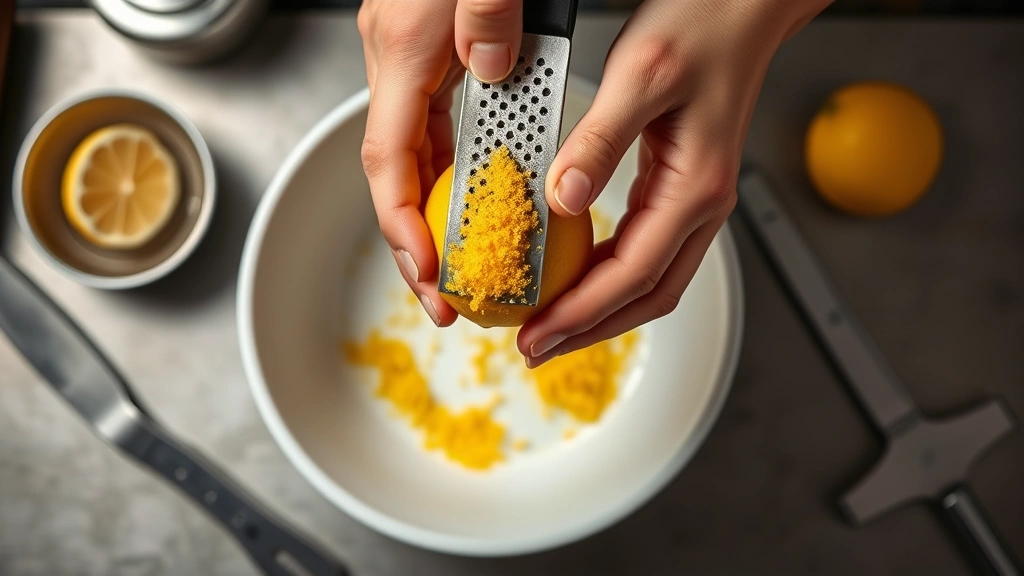
Before you start measuring ingredients, take time to properly prepare your lemon and other components. Zesting requires a microplane zester or fine grater—this tool removes only the flavorful yellow outer layer while leaving behind the bitter white pith. Roll your lemons gently on the counter under your palm before juicing; this breaks down the cell walls and increases juice yield significantly.
Preheat your oven to 350°F (175°C) and line baking sheets with parchment paper. This prevents sticking and ensures even browning on the bottom of your cookies. If you don’t have parchment paper, silicone baking mats work beautifully as well. Room temperature ingredients are non-negotiable for proper emulsification—cold ingredients won’t combine smoothly, resulting in a gritty texture.
Measure your flour by spooning it into your measuring cup and leveling with a knife, rather than scooping directly from the bag. Scooping compacts flour and can result in too much flour in your dough, creating dry, tough cookies. If you have a kitchen scale, weighing ingredients (flour at 240g, sugar at 300g) eliminates guesswork entirely.
Consider separating and sifting your dry ingredients—flour, baking powder, and salt—into a small bowl. This ensures even distribution of leavening agent and prevents pockets of baking powder that could create bitter-tasting spots in your finished cookies. When working with citrus-based doughs, proper mixing technique prevents overdevelopment of gluten, which would make cookies tough rather than tender.
Step-by-Step Instructions
Step 1: Cream Butter and Sugar
Place softened butter in a large mixing bowl and beat on medium speed for 2-3 minutes until pale and fluffy. This aerates the butter, incorporating tiny air pockets that help cookies rise evenly. Add granulated sugar gradually while continuing to beat, allowing each addition to fully incorporate before adding more. The mixture should look light, creamy, and almost mousse-like when finished—this typically takes 3-5 minutes total. This creaming process is fundamental to achieving the tender, melt-in-your-mouth texture that makes these best healthy food recipes so satisfying.
Step 2: Add Eggs and Lemon Components
Crack eggs into a small bowl and beat lightly before adding to the creamed mixture. Add eggs one at a time, beating well after each addition until fully incorporated. Then add your fresh lemon zest and lemon juice. The zest adds concentrated flavor while the juice provides moisture and tang. Beat for another minute to ensure everything combines smoothly. The batter might look slightly curdled at this point—this is normal and will resolve once you add the dry ingredients.
Step 3: Incorporate Dry Ingredients
Add your sifted flour mixture (flour, baking powder, and salt) to the wet ingredients in two additions, mixing on low speed after each addition just until combined. Overmixing at this stage develops gluten, resulting in tough, cake-like cookies rather than tender ones. Stop mixing as soon as you no longer see streaks of flour—the dough should come together but not be overworked. Fold in any remaining dry ingredients by hand with a spatula if needed.
Step 4: Chill the Dough
Cover your cookie dough and refrigerate for at least 30 minutes, though chilling for 1-2 hours is even better. Chilled dough spreads more slowly and evenly, resulting in cookies with better definition and less risk of browning too quickly on the edges. This resting period also allows flavors to develop and meld together.
Step 5: Scoop and Bake
Using a cookie scoop or tablespoon, drop dough onto parchment-lined baking sheets, spacing cookies about 2 inches apart. Lightly flatten each mound with the bottom of a glass. Bake for 12-15 minutes, until edges are set but centers still appear slightly underdone. The cookies will continue cooking on the hot baking sheet after removal from the oven—this carryover cooking ensures a tender center with slightly crisp edges.
Step 6: Cool Properly
Allow cookies to cool on the baking sheet for 5 minutes before transferring to a wire rack. This cooling period allows them to set enough to handle without breaking, but they’re still warm enough to accept the glaze. Cool completely before storing to prevent condensation that could soften them.
Making the Perfect Lemon Glaze
The glaze is where these cookies truly shine, adding a professional bakery finish and an additional layer of lemon brightness. In a medium bowl, whisk together powdered sugar and 2 tablespoons of fresh lemon juice until smooth. Add additional lemon juice one teaspoon at a time until you achieve a consistency that drips slowly from a spoon but still holds its shape—not too thin or it’ll run off, not too thick or it won’t coat smoothly.
For a thinner glaze that pools slightly on the cookie, use 3 tablespoons of lemon juice. For a thicker glaze that sits more on top, use only 1-2 tablespoons. Some bakers add a teaspoon of vanilla extract to the glaze for additional depth, though the lemon flavor should remain the star. A tiny pinch of salt in the glaze enhances sweetness and prevents one-dimensional flavor.
Dip the top of each cooled cookie into the glaze, twisting slightly to ensure even coating. Place on a clean wire rack and allow the glaze to set for at least 30 minutes before serving or storing. For extra elegance, sprinkle a tiny amount of lemon zest or candied lemon peel on top of the glaze while still wet.
If your glaze thickens as it sits, whisk in additional lemon juice a few drops at a time. Conversely, if it’s too thin, add more powdered sugar. A thick glaze will eventually set to a firm coating, while a thinner glaze creates a more delicate, glossy finish. Both approaches work beautifully—choose based on your preference and presentation goals.
Storage and Shelf Life
These lemon cookies maintain excellent quality for up to 5 days when stored properly. Place cooled, glazed cookies in an airtight container with parchment paper between layers to prevent sticking. Store at room temperature away from direct sunlight, heat sources, and humid areas. A dry kitchen cabinet works better than the refrigerator, which can cause cookies to dry out.
For longer storage, freeze unglazed cookies in an airtight freezer container for up to 3 months. Thaw at room temperature for 30 minutes, then apply glaze just before serving for maximum freshness and flavor. This approach also allows you to prepare cookie dough in advance and bake fresh cookies whenever you need them—perfect for busy schedules.
The unglazed dough can be frozen for up to 2 months as well. Simply scoop dough onto a baking sheet, freeze until solid, then transfer frozen scoops to a freezer bag. Bake directly from frozen, adding 2-3 minutes to the baking time. This method lets you enjoy freshly baked cookies without the full preparation time.
Delicious Variations to Try
Once you’ve mastered the basic recipe, explore these creative variations that maintain the lemon essence while adding new dimensions. Lemon Poppy Seed Cookies incorporate 2 tablespoons of poppy seeds into the dough for subtle texture and nutty flavor. Lemon Blueberry Cookies fold in 1 cup of fresh or frozen blueberries (toss frozen berries in flour first to prevent sinking), creating a beautiful speckled appearance and complementary tartness.
Lemon Lavender Cookies add ½ teaspoon of dried culinary lavender buds to the dry ingredients, creating a sophisticated floral note that pairs beautifully with lemon. Lemon Cream Cheese Cookies replace ¼ cup of butter with softened cream cheese, creating a tangier, more tender cookie with deeper complexity. These variations work wonderfully alongside your low carb dinner recipes for balanced meal planning.
White Chocolate Lemon Cookies fold in ¾ cup of chopped white chocolate after mixing the dry ingredients, adding richness and sweetness that balances the lemon’s tartness. Lemon Coconut Cookies incorporate ½ cup of shredded coconut (sweetened or unsweetened based on preference) for tropical flair. For a more decadent option, dip half of each cooled cookie into melted white chocolate before the glaze sets.
Consider experimenting with other citrus zests—lime creates a completely different profile, while combining lemon with orange zest (using 3 tablespoons lemon and 1 tablespoon orange) creates a complex, sophisticated flavor. Each variation maintains the core technique while offering new taste experiences, allowing you to customize these cookies to your preferences and available ingredients.
Common Baking Challenges and Solutions
Even experienced bakers encounter occasional issues, but understanding the causes helps prevent them. Cookies Spread Too Much: This indicates your dough was too warm or you didn’t chill it long enough. Ensure your butter is softened but not melted, and always chill dough before baking. If cookies still spread excessively, your oven temperature might be too low—use an oven thermometer to verify accuracy.
Cookies Turned Out Cake-Like: This typically results from overmixing the dough or using too much flour. Measure flour by spooning rather than scooping, and mix only until dry ingredients are just incorporated. Adding an extra egg yolk also increases richness and tenderness.
Glaze Won’t Set: If your glaze remains sticky after several hours, it contains too much lemon juice. Whisk in additional powdered sugar gradually until you achieve the right consistency. Humidity in your kitchen also affects setting time—allow extra drying time on humid days.
Cookies Taste Bitter: This suggests too much zest or burnt bottoms. Use only the yellow outer layer when zesting, avoiding white pith. Check oven temperature and reduce baking time slightly if bottoms brown too quickly.
Inconsistent Cookie Size: Use a cookie scoop to ensure uniform portions, resulting in even baking and consistent texture throughout your batch. This simple tool prevents some cookies from being overdone while others remain underdone.
The Science Behind Perfect Lemon Cookies
Understanding the chemistry of cookie baking helps you troubleshoot issues and adapt recipes confidently. Butter’s fat content creates the tender crumb structure, while sugar adds sweetness and helps cookies spread slightly for even baking. Eggs provide structure and help ingredients bind together, while leavening agents (baking powder) create lift and a lighter texture.
The Maillard reaction—browning that occurs during baking—develops complex flavors and creates color. This is why properly baked cookies have golden-brown edges; they’ve undergone this flavor-developing reaction. Under-baked cookies won’t develop these flavors, while overbaked cookies develop bitter compounds from excessive browning.
Citric acid from lemon juice lowers the pH of your dough, which affects gluten development and browning rates. This is why lemon cookies often brown slightly faster than vanilla cookies—the acidic environment accelerates the Maillard reaction. Knowing this helps you adjust baking times and temperatures for optimal results. For more information on baking science, Serious Eats offers excellent detailed explanations of chemical reactions in baking.
Perfect Serving Ideas
These versatile cookies pair beautifully with numerous beverages and occasions. Serve them with afternoon tea, coffee, or lemonade for a cohesive flavor experience. They’re equally at home on a holiday platter alongside other cookies, or wrapped individually as homemade gifts. The bright lemon flavor makes them especially welcome during spring and summer gatherings.
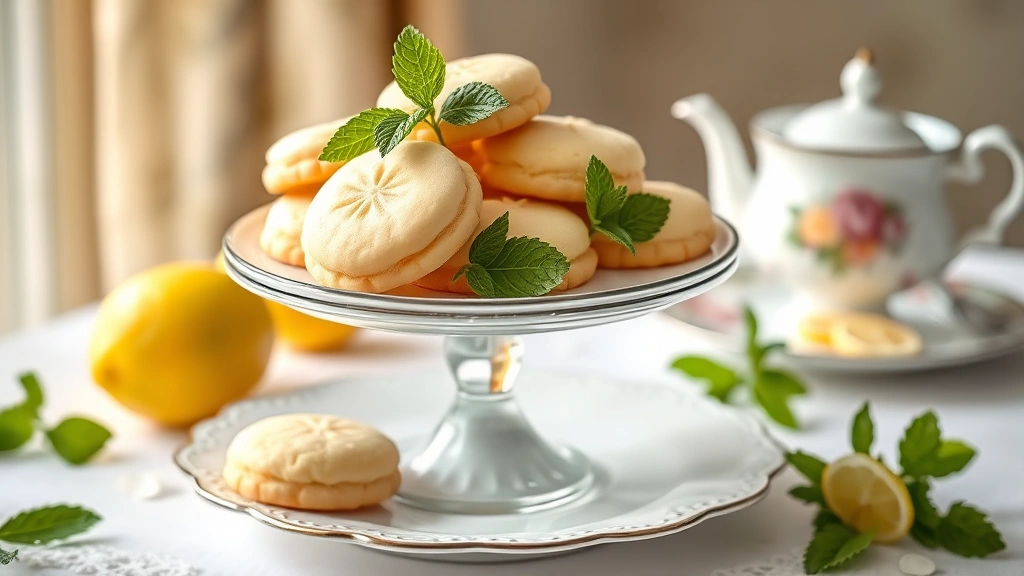
For elegant entertaining, arrange cookies on a tiered cake stand with fresh lemon slices and edible flowers for a stunning presentation. Sandwich two cookies together with lemon curd or whipped cream cheese frosting for a more indulgent treat. These cookies also work wonderfully crumbled into yogurt parfaits or used as a base for lemon icebox pie.
Consider pairing these cookies with complementary desserts or treats. They work beautifully alongside rich chocolate cakes or dense brownies, providing bright contrast. Their tartness cuts through fatty or rich foods, making them perfect palate cleansers between courses at formal dinners.
FAQ
Can I use bottled lemon juice instead of fresh?
Fresh lemon juice is strongly preferred because bottled juice often contains preservatives that affect flavor and can make cookies taste metallic. However, in a pinch, bottled lemon juice works—just use slightly less since it’s more concentrated. Never use artificial lemon flavoring, which creates an unpleasant chemical taste.
What if I don’t have a cookie scoop?
A tablespoon works perfectly for portioning dough, though it takes slightly longer. For more consistent sizing, measure dough using a regular measuring tablespoon and level it off each time. Cookie scoops are inexpensive and worth purchasing if you bake frequently.
Can these cookies be made vegan?
Yes! Replace butter with vegan butter (1:1 ratio), use flax eggs (1 tablespoon ground flaxseed mixed with 3 tablespoons water per egg), and use regular powdered sugar. Most powdered sugars are vegan, but check labels as some contain bone char. The texture and flavor remain excellent with these substitutions.
How do I prevent cookies from browning on the bottom?
Place your baking sheet on the middle oven rack rather than the bottom. Using a light-colored baking sheet instead of dark metal also reduces bottom browning. If bottoms still brown too quickly, double-pan by placing one baking sheet inside another.
Can I make these cookies without eggs?
Eggs provide binding and moisture, making them difficult to replace directly. Applesauce or mashed banana (¼ cup per egg) works reasonably well but produces slightly denser cookies. Flax eggs work better—mix 1 tablespoon ground flaxseed with 3 tablespoons water per egg and let sit 15 minutes before using.
What’s the difference between lemon extract and fresh lemon juice?
Fresh lemon juice provides tartness and moisture, while lemon extract adds intense flavor but no liquid. Never replace fresh juice with extract—the cookies need the liquid for proper texture. You can add ½ teaspoon of lemon extract along with fresh juice for enhanced flavor.
How do I get a shinier glaze?
Add 1 tablespoon of corn syrup to your glaze mixture for increased shine and smoothness. The syrup creates a glossy finish that looks professionally done. Alternatively, brush a thin layer of apricot jam on cookies before applying the glaze for extra shine and a subtle fruity note.
Can I freeze the dough in a log for slice-and-bake cookies?
Yes! Shape dough into a log, wrap in plastic wrap, and freeze for up to 3 months. Slice ¼-inch thick cookies and bake at 350°F for 10-12 minutes. This method is perfect for enjoying fresh cookies whenever you want without full preparation time.
What causes cookies to be too cakey?
Too much flour or overmixing after adding flour causes cakiness. Measure flour carefully by spooning into cups, and mix only until dry ingredients are just incorporated. Using an extra egg yolk instead of a whole egg also increases richness and tenderness. King Arthur Baking Company offers excellent resources on cookie texture science.
Are these cookies naturally dairy-free if I use vegan butter?
Yes, using vegan butter and non-dairy milk in the glaze (if needed for consistency) makes them dairy-free. However, check all ingredient labels—some baking powders and powdered sugars contain trace dairy. Most standard baking ingredients are naturally dairy-free, making substitution straightforward.
These lemon cookies represent the perfect balance of simplicity and sophistication—approachable enough for novice bakers yet impressive enough for seasoned cooks. The combination of fresh lemon zest, bright juice, and silky glaze creates a cookie that’s greater than the sum of its parts. Whether you’re baking for special occasions or simple pleasures, this recipe never disappoints. For additional baking inspiration, explore Bakery Bits and The Perfect Loaf for professional techniques and creative variations.


