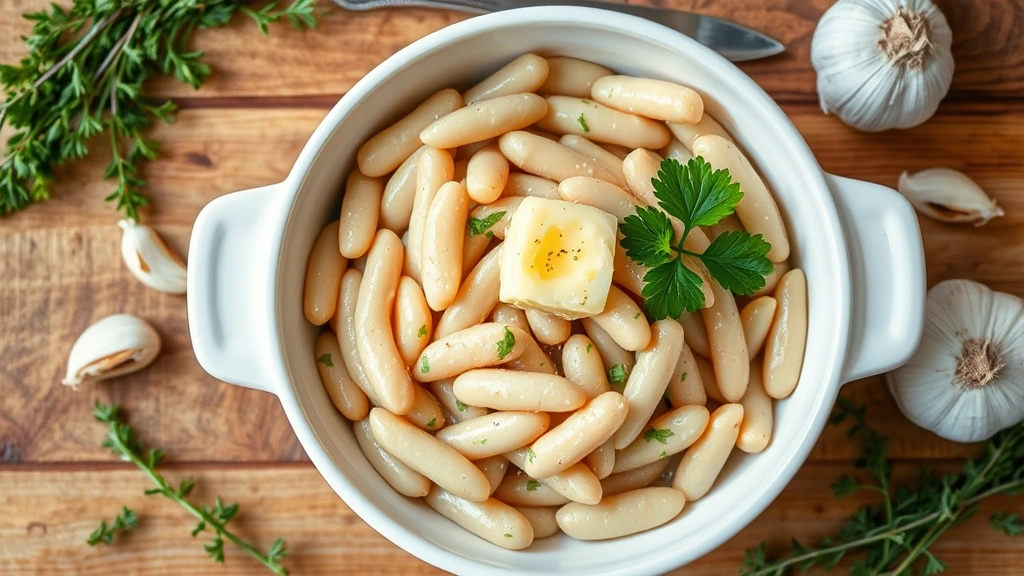
Lima Beans Recipe Worth Trying? Home Cook Approved
Lima beans often get a bad reputation, relegated to frozen side dishes or canned mediocrity that nobody particularly enjoys. But here’s the truth: a well-executed lima beans recipe can be absolutely delicious, versatile, and surprisingly elegant on your dinner table. Whether you’re looking to impress guests or simply want to elevate your weeknight meals, fresh or properly prepared dried lima beans deserve a prominent place in your cooking rotation.
The key to transforming lima beans from forgettable to fantastic lies in understanding their delicate flavor profile and learning the right preparation techniques. These creamy legumes absorb flavors beautifully, making them perfect vehicles for aromatic vegetables, herbs, and bold seasonings. In this guide, we’ll explore why lima beans deserve your attention, share tested recipes that actually taste amazing, and provide you with the confidence to cook them like a pro.
Why Lima Beans Deserve Your Attention
Lima beans pack serious nutritional credentials that make them worthy of regular rotation in your kitchen. They’re an excellent source of plant-based protein, fiber, and essential minerals like iron, magnesium, and potassium. A single cup of cooked lima beans provides roughly 15 grams of protein, making them a fantastic choice for vegetarian and vegan meals. Beyond nutrition, lima beans offer a unique creamy texture that becomes almost buttery when cooked properly, distinguishing them from other legumes.
The flavor of lima beans is delicate and slightly sweet, which means they play well with both Mediterranean and comfort food preparations. This versatility makes them perfect for easy dinner recipes for beginners and more sophisticated dishes alike. When you cook lima beans with intention and quality ingredients, you’ll understand why they’ve been celebrated in cuisines around the world for centuries.
Many home cooks avoid lima beans because of childhood memories of mushy, underseasoned versions. That’s precisely why learning proper technique matters so much. The difference between a disappointing lima bean experience and an amazing one often comes down to cooking time, seasoning, and complementary ingredients.
Selecting and Preparing Lima Beans
Your success with any lima beans recipe begins with proper selection and preparation. You have two main options: dried lima beans and fresh (or frozen) varieties. Dried lima beans require soaking and longer cooking times but offer superior flavor development and are more economical. Fresh lima beans, available during summer months, cook quickly and have a tender texture that’s absolutely sublime when prepared correctly.
Choosing Quality Beans: When selecting dried lima beans, look for beans that are uniform in color without visible cracks or discoloration. Avoid beans that appear shriveled or have holes, which indicate age or pest damage. Fresh lima beans should feel firm in their pods and have a bright green color. Frozen lima beans are excellent alternatives when fresh aren’t available—they’re picked and frozen at peak ripeness, preserving nutrients and flavor.
Soaking Dried Beans: Proper soaking reduces cooking time and improves digestibility. Use the overnight method by covering dried beans with cold water and letting them sit for 8-12 hours, or try the quick-soak method by boiling beans for 2 minutes, then soaking for 1 hour. Always discard the soaking water and rinse beans thoroughly before cooking.
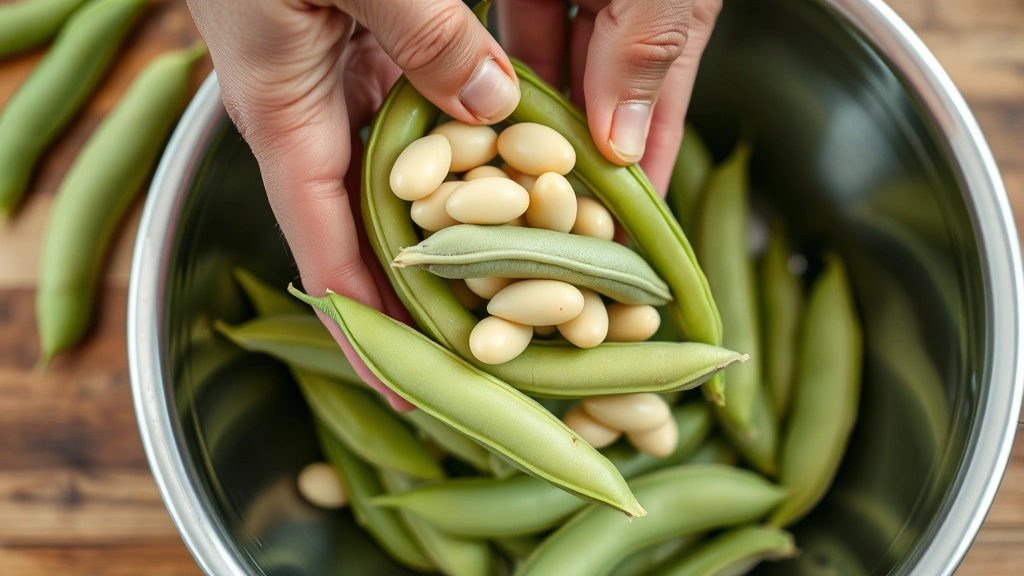
Preparing Fresh or Frozen: Fresh lima beans should be removed from their pods just before cooking. Frozen beans can go directly into your pot without thawing, though they cook slightly faster than fresh. Never add salt to the cooking water initially, as it can toughen the bean skins—season after they’ve softened.
Classic Creamy Lima Bean Recipe
This foundational recipe serves 4-6 people and showcases the natural appeal of lima beans with minimal intervention. The result is a comforting side dish or light main course that works alongside grilled vegetables, roasted chicken, or crusty bread.
Ingredients:
- 1 pound dried lima beans (or 3 pounds fresh lima beans in pods, yielding about 3 cups shelled)
- 4 tablespoons butter, divided
- 1 large yellow onion, finely diced
- 4 cloves garlic, minced
- 2 cups vegetable or chicken stock
- 1 cup heavy cream (or half-and-half for lighter version)
- 2 bay leaves
- 3-4 fresh thyme sprigs (or 1 teaspoon dried)
- Sea salt and freshly ground black pepper to taste
- 2 tablespoons fresh parsley, chopped
- Juice of half a lemon
Instructions:
- If using dried beans, soak overnight or use the quick-soak method, then drain and rinse thoroughly.
- Bring a large pot of unsalted water to boil. Add prepared beans and cook for 25-35 minutes until just tender but not falling apart. Drain well.
- In a separate heavy-bottomed pot, melt 2 tablespoons of butter over medium heat. Add diced onion and cook for 5-7 minutes until softened and translucent, stirring occasionally.
- Add minced garlic and cook for 1 minute until fragrant, being careful not to let it brown.
- Pour in the stock and add bay leaves and thyme sprigs. Bring to a simmer.
- Add the cooked lima beans to the pot and simmer gently for 10 minutes to allow flavors to meld.
- Reduce heat to low and stir in cream slowly, combining thoroughly. Add remaining 2 tablespoons of butter, stirring until melted.
- Season generously with sea salt and freshly ground black pepper. Taste and adjust seasoning as needed.
- Remove from heat, stir in lemon juice, and garnish with fresh parsley before serving.
This recipe demonstrates why proper cooking technique transforms lima beans from mundane to memorable. The slow integration of aromatics and cream creates a sauce that clings beautifully to each bean.
Flavor Variations Worth Trying
Once you’ve mastered the classic preparation, experiment with these delicious variations that showcase lima beans’ versatility.
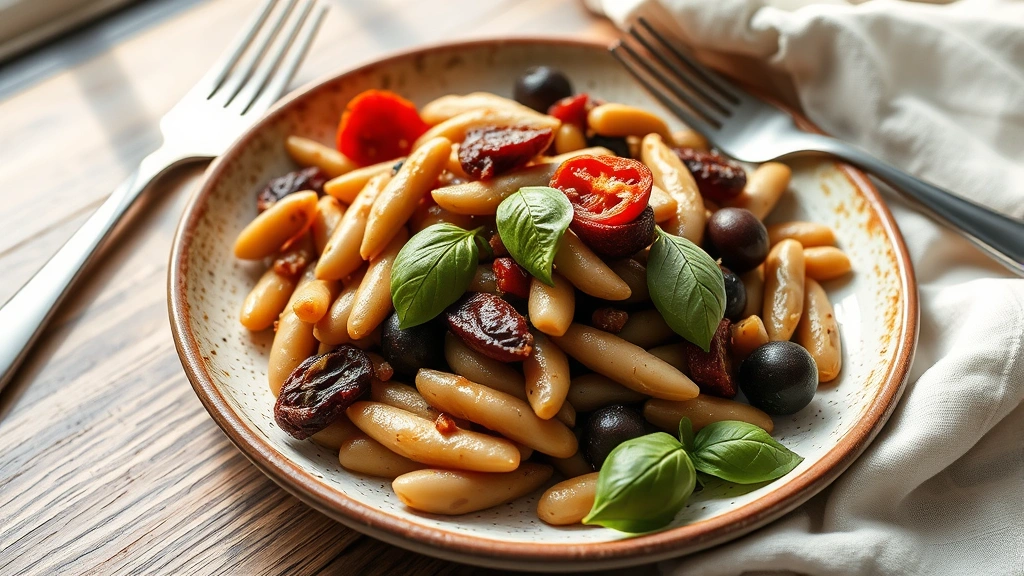
Mediterranean Lima Beans: Replace cream with diced tomatoes, add fresh basil, oregano, and a splash of white wine. Include sun-dried tomatoes and kalamata olives for authentic Mediterranean flavor. This variation works beautifully with grilled fish or as a vegetarian main course.
Spiced Lima Beans with Chorizo: Brown diced Spanish chorizo first, then sauté onions and garlic in the rendered fat. Add cumin, smoked paprika, and a pinch of cayenne before incorporating beans and stock. Finish with cilantro and lime juice for a Spanish-inspired dish that pairs wonderfully with rice.
Herb-Infused Lima Beans: Create a bouquet garni with fresh sage, rosemary, and thyme tied together with kitchen twine. Simmer this with the beans instead of cream for a lighter, more herbaceous preparation. Perfect for easy dinner recipes for beginners that still taste sophisticated.
Creamy Dill and Lemon Lima Beans: Add fresh dill, lemon zest, and a touch of Dijon mustard to the classic cream-based recipe. This bright variation pairs exceptionally well with salmon or delicate white fish.
Roasted Garlic and Sage Lima Beans: Roast an entire head of garlic until soft and sweet, then mash it into the cream base along with crispy sage leaves. This earthy, aromatic version works beautifully as a vegetarian main course or elegant side dish.
Each variation teaches you something new about how lima beans interact with different flavor profiles, building your confidence as a home cook.
Different Cooking Methods
Stovetop Method: The traditional method we’ve detailed offers excellent control over texture and cooking time. Use medium heat and monitor beans carefully during the final minutes of cooking to prevent mushiness. This method works best for both dried and fresh beans.
Slow Cooker Preparation: Combine soaked dried beans with stock, aromatics, and herbs in a slow cooker. Cook on low for 6-8 hours or high for 3-4 hours. This hands-off method develops deep flavors as ingredients meld slowly. Add cream in the last 30 minutes of cooking to prevent curdling.
Pressure Cooker Method: A pressure cooker dramatically reduces cooking time. Sauté aromatics in the pot, add stock and soaked beans, and cook under pressure for 8-10 minutes. Natural pressure release takes another 10-15 minutes, allowing beans to finish cooking gently. This method produces incredibly creamy results.
Oven Braising: Sauté aromatics on the stovetop, combine with beans and stock in a Dutch oven, and braise in a 325°F oven for 1.5-2 hours covered. This method develops exceptional depth of flavor as gentle, even heat surrounds the beans.
One-Pot Skillet Method: Brown aromatics and proteins together, add beans and stock, then simmer until tender. This approach minimizes cleanup and creates a cohesive dish with integrated flavors—perfect for weeknight cooking.
Storage and Make-Ahead Tips
Understanding proper storage maximizes your investment in quality beans and fits perfectly with food waste reduction tips for the home kitchen.
Refrigeration: Cooked lima beans keep well in airtight containers for 3-4 days in the refrigerator. Store them in their cooking liquid to prevent drying out. The flavors actually improve as they sit, making this an excellent make-ahead option.
Freezing: Cool cooked beans completely, then freeze in portions using freezer bags or containers for up to 3 months. Freeze with cooking liquid included for best results. Thaw overnight in the refrigerator before reheating gently on the stovetop.
Dry Bean Storage: Keep dried lima beans in airtight containers in a cool, dark pantry for up to one year. Older beans take longer to cook, so rotate stock regularly and use older beans first.
Make-Ahead Strategy: Cook a large batch of lima beans on Sunday and portion into containers. Use portions throughout the week in different preparations—add to salads, combine with pasta, or serve as a side dish. This approach saves time and ensures you always have quality protein available.
Reheating Tips: Reheat gently over low to medium heat, stirring occasionally. Add a splash of stock or cream if beans seem dry. Avoid high heat, which can cause beans to break apart and cream-based preparations to separate.
FAQ
Why do my lima beans always turn mushy?
Overcooking is the primary culprit. Start checking beans 5 minutes before your recipe indicates they should be done. Older dried beans also cook faster than you’d expect. Additionally, avoid adding salt or acidic ingredients like tomatoes until after beans have softened, as these can prevent proper cooking. Finally, ensure you’re not using extremely old beans, which may never achieve proper texture.
Can I substitute canned lima beans for dried or fresh?
Absolutely. Canned lima beans are already cooked, so add them near the end of your recipe to prevent mushiness. Use about 2 cans (roughly 3 cups drained) to replace 1 pound of dried beans. Drain and rinse canned beans before using to remove excess sodium and starch.
What’s the difference between lima beans and butter beans?
These terms are often used interchangeably, though butter beans are technically larger lima beans with creamier texture. For most recipes, they can be used identically, though butter beans may require slightly longer cooking time due to their size.
Are lima beans safe for people with certain dietary restrictions?
Lima beans are naturally gluten-free, making them excellent for celiac disease and gluten sensitivity. They’re also vegan, dairy-free (if prepared without cream), and low in fat when cooked without added fats. However, some people find beans difficult to digest; soaking and thorough cooking helps reduce potential digestive issues.
How can I reduce the gas-producing effects of lima beans?
Proper soaking and cooking significantly reduces digestive discomfort. Soak dried beans thoroughly, discard soaking water, and rinse well before cooking. Some cooks add a small piece of kombu seaweed during cooking, which contains enzymes that aid digestion. Start with smaller portions if you’re new to eating beans regularly, allowing your digestive system to adapt gradually.
What wines pair well with lima bean dishes?
Crisp white wines like Sauvignon Blanc or Pinot Grigio complement creamy lima bean preparations beautifully. For Mediterranean variations with tomatoes, try rosé or light red wines. When preparing lima beans with herbs like sage and rosemary, fuller-bodied whites like Chardonnay work wonderfully.


