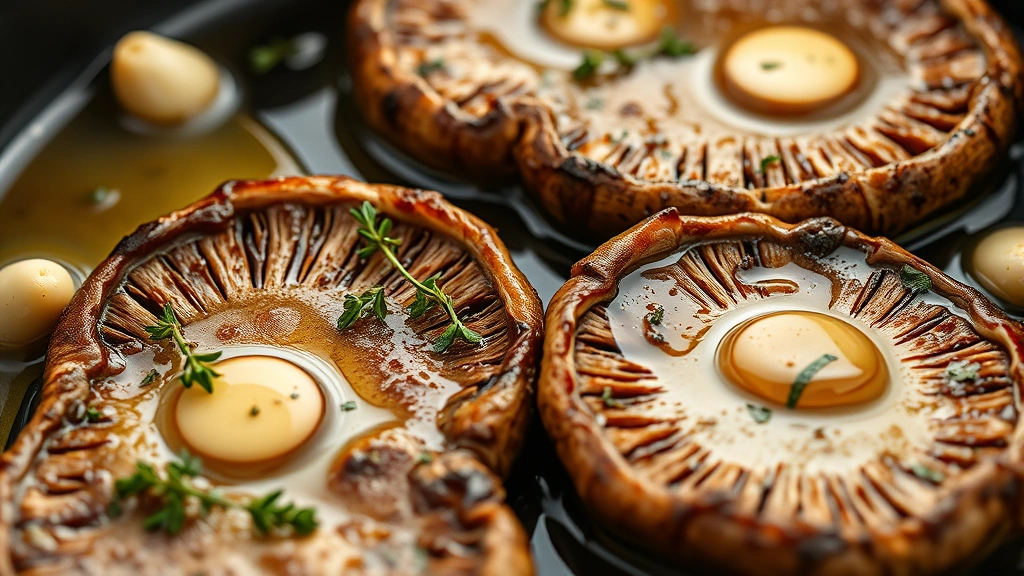
Lion’s Mane Mushroom Recipe: Chef-Approved Techniques & Stunning Dishes
Lion’s mane mushrooms have captured the attention of chefs and home cooks alike, and for good reason. These striking white fungi, with their cascading, delicate tendrils, offer a surprisingly tender texture and subtle seafood-like flavor that transforms any dish into something special. Whether you’re exploring quick breakfast recipes or planning an elegant dinner, lion’s mane brings sophistication to your kitchen without demanding complicated techniques.
What makes lion’s mane truly remarkable is its versatility. Unlike many specialty mushrooms that require extensive preparation, lion’s mane adapts beautifully to sautéing, pan-searing, roasting, and even frying. The mushroom’s natural ability to absorb flavors while maintaining its delicate structure makes it perfect for both bold, assertive seasonings and subtle, refined preparations. Professional chefs have long appreciated this ingredient for its ability to elevate simple meals into restaurant-quality experiences.
In this comprehensive guide, we’ll explore everything you need to know about cooking with lion’s mane mushrooms. From selecting the freshest specimens to mastering essential cooking techniques, you’ll discover why this ingredient deserves a permanent place in your culinary repertoire. We’ll also share chef-approved recipes that showcase the mushroom’s incredible potential, along with practical tips that ensure consistent, delicious results every single time.

Selecting and Preparing Lion’s Mane Mushrooms
The foundation of any great lion’s mane recipe begins with selecting quality mushrooms. When shopping, look for specimens that are creamy white to pale yellow in color, with no browning or dark spots on the delicate tendrils. The mushroom should feel firm but not hard—a slight give when gently pressed indicates freshness. Avoid any that appear slimy or emit an off-putting odor, as these signs indicate deterioration.
Fresh lion’s mane mushrooms are increasingly available at specialty grocers, farmer’s markets, and even some conventional supermarkets. If you can’t find them locally, dried lion’s mane offers excellent quality and can be rehydrated for use in most recipes. Simply soak dried pieces in warm water for 15-20 minutes until they regain their tender texture, then proceed with your chosen recipe.
Preparation is refreshingly simple. Gently rinse the mushroom under cool running water, using your fingers to dislodge any debris caught between the tendrils. Pat dry thoroughly with paper towels—this step is crucial for achieving proper browning during cooking. The mushroom’s structure allows you to easily break it into steaks or florets by hand. For steaks, cut perpendicular to the direction of growth, creating pieces about ½ to ¾ inches thick. For florets, simply break apart along the natural separations in the mushroom’s structure.
Unlike denser mushroom varieties, lion’s mane doesn’t require peeling. The entire fruiting body is edible and contributes to the final dish’s texture and flavor. This quality makes preparation faster and waste-free, another reason professional chefs favor this ingredient in busy kitchen environments.
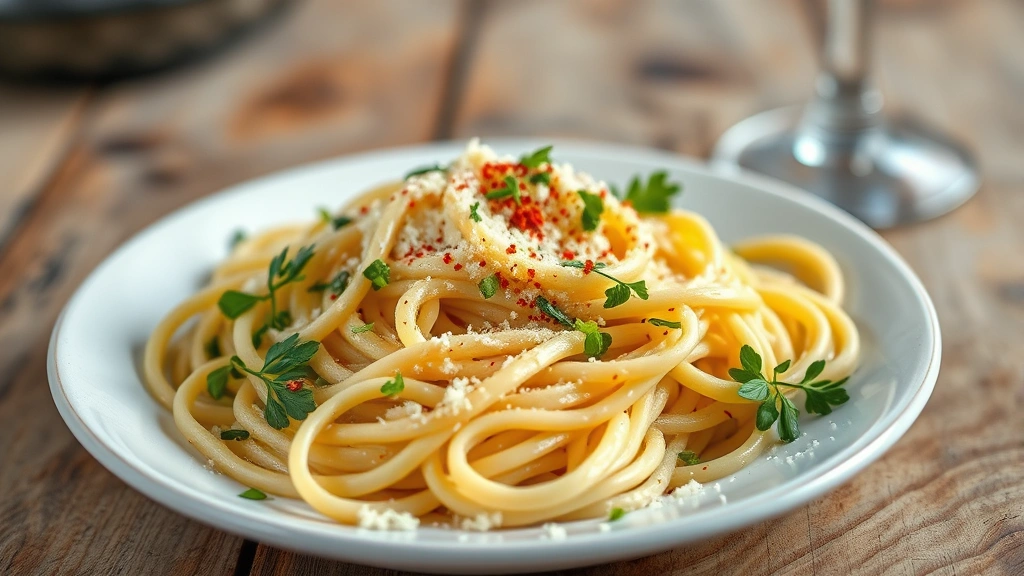
Essential Cooking Techniques
Understanding how lion’s mane responds to different cooking methods is essential for successful preparation. This mushroom’s relatively low water content compared to button or cremini varieties means it browns beautifully and develops complex flavors through proper heat application.
Pan-Searing: This is the gold standard technique for lion’s mane. Heat a cast-iron or stainless steel skillet over medium-high heat until a drop of water sizzles immediately upon contact. Add a thin layer of oil with a high smoke point—avocado oil, refined coconut oil, or clarified butter work beautifully. Place your lion’s mane pieces in the pan without crowding, allowing each piece adequate space. Resist the urge to move them around; let them sit undisturbed for 3-4 minutes until golden brown. Flip and cook the other side for another 2-3 minutes. The mushroom should develop a delicate golden crust while the interior remains tender.
Roasting: For batch preparation or when cooking larger quantities, roasting is ideal. Toss your mushroom pieces with oil, salt, and pepper, then spread in a single layer on a rimmed baking sheet. Roast at 400°F for 15-20 minutes, stirring halfway through. The mushrooms will develop caramelized edges and concentrate their flavors beautifully. This method is perfect when you’re preparing high protein slow cooker recipes components or batch-cooking for meal prep.
Sautéing: Similar to pan-searing but with more frequent stirring, sautéing works well when you want to incorporate the mushrooms into a larger dish. Use medium heat and keep the mushrooms moving to ensure even cooking and prevent sticking. This technique is ideal for building flavor foundations with aromatics like garlic, onions, and shallots.
Frying: For a luxurious preparation, breaded and fried lion’s mane delivers restaurant-quality results. The mushroom’s delicate structure holds coatings beautifully, creating a crispy exterior that contrasts wonderfully with the tender interior. This technique elevates lion’s mane into a vegetable-forward entrée that satisfies even dedicated meat eaters.
Pan-Seared Lion’s Mane with Garlic and Thyme
This elegant preparation showcases the mushroom’s delicate flavor while remaining simple enough for weeknight dinners. The combination of garlic and thyme is a classic pairing that enhances rather than masks the mushroom’s subtle seafood notes.
Ingredients:
- 1 pound fresh lion’s mane mushroom
- 3 tablespoons butter, divided
- 4 cloves garlic, thinly sliced
- 3 sprigs fresh thyme
- 1 tablespoon dry white wine or chicken broth
- Salt and freshly ground black pepper to taste
- Juice of ½ lemon
- Fresh parsley for garnish
Instructions:
- Prepare the mushroom by breaking it into steaks approximately ¾ inches thick. Pat completely dry with paper towels.
- Heat a large cast-iron skillet over medium-high heat for 2-3 minutes until thoroughly preheated.
- Add 1½ tablespoons butter and allow it to foam, tilting the pan to coat evenly.
- Carefully arrange mushroom steaks in the pan without crowding. Season generously with salt and pepper.
- Cook undisturbed for 4 minutes until the bottom develops a golden-brown crust.
- Flip each piece and cook for 3 minutes on the second side.
- Reduce heat to medium. Push mushrooms to the sides of the pan and add remaining butter to the center.
- Add sliced garlic and thyme sprigs, stirring gently until fragrant, about 1 minute.
- Pour in the wine or broth, scraping up any browned bits from the pan bottom.
- Return mushrooms to the center, tilting the pan to coat them with the pan sauce.
- Cook for 2 additional minutes, allowing the sauce to reduce slightly.
- Remove from heat and finish with lemon juice. Taste and adjust seasoning as needed.
- Transfer to a serving platter, drizzle with pan sauce, and garnish with fresh parsley.
This dish pairs beautifully with crusty bread to soak up the pan sauce, or serve alongside grains like farro or quinoa for a more substantial meal. It’s elegant enough for entertaining yet simple enough for solo dinners.
Crispy Fried Lion’s Mane Steaks
For those seeking a more indulgent lion’s mane recipe, crispy fried steaks deliver extraordinary results. The mushroom’s delicate structure holds breadcrumb coatings perfectly, creating a golden exterior that shatters between your teeth while the interior remains impossibly tender.
Ingredients:
- 1 pound fresh lion’s mane mushroom
- 1 cup all-purpose flour
- 2 large eggs
- 1 cup panko breadcrumbs
- 1 teaspoon garlic powder
- 1 teaspoon smoked paprika
- ½ teaspoon cayenne pepper (optional)
- Salt and freshly ground black pepper
- Oil for frying (vegetable, avocado, or peanut oil)
- Lemon wedges for serving
Instructions:
- Break lion’s mane into steaks approximately ½ inch thick. Pat completely dry and season lightly with salt and pepper.
- Set up three shallow bowls for breading: one with flour mixed with salt and pepper, one with beaten eggs, and one with panko combined with garlic powder, paprika, cayenne, and additional salt and pepper.
- Working with one mushroom steak at a time, dredge thoroughly in flour, shaking off excess.
- Dip in egg, allowing excess to drip back into the bowl.
- Press firmly into the panko mixture, coating both sides evenly.
- Place breaded steaks on a clean plate and allow to rest for 5 minutes, which helps the coating adhere during frying.
- Heat ¼ inch of oil in a large skillet over medium-high heat until it reaches 350°F (test with a breadcrumb—it should sizzle immediately and brown in about 60 seconds).
- Carefully place breaded mushroom steaks in the hot oil, working in batches to avoid crowding.
- Fry for 2-3 minutes per side until golden brown and crispy.
- Transfer to a paper towel-lined plate to drain excess oil.
- Serve immediately with lemon wedges and your choice of dipping sauce.
These crispy steaks work wonderfully as a main course, served alongside roasted vegetables or over a fresh salad. They’re also excellent for sandwiches, offering a plant-based alternative that even devoted carnivores appreciate.
Roasted Lion’s Mane with Seasonal Vegetables
Roasting combines lion’s mane with vegetables for a complete, nutritious meal that comes together with minimal effort. This one-pan approach is perfect for busy weeknights or when you’re looking to simplify cleanup.
Ingredients:
- 12 ounces lion’s mane mushroom, cut into florets
- 2 cups Brussels sprouts, halved
- 1 medium red onion, cut into wedges
- 8 ounces baby carrots, halved lengthwise
- 4 tablespoons olive oil
- 2 teaspoons balsamic vinegar
- 1 teaspoon Dijon mustard
- 2 cloves garlic, minced
- 1 teaspoon fresh rosemary, chopped
- Salt and freshly ground black pepper to taste
Instructions:
- Preheat your oven to 400°F and position a rack in the upper third.
- Pat the lion’s mane florets dry and arrange on a large rimmed baking sheet along with Brussels sprouts, red onion, and carrots.
- In a small bowl, whisk together olive oil, balsamic vinegar, Dijon mustard, minced garlic, and fresh rosemary.
- Pour the dressing over vegetables and mushrooms, tossing gently to coat evenly.
- Spread in a single layer, ensuring mushroom pieces aren’t crowded.
- Roast for 15 minutes, then stir and rotate the pan.
- Continue roasting for 10-15 additional minutes until the mushroom edges are caramelized and vegetables are tender.
- Remove from oven and taste, adjusting salt and pepper as needed.
- Serve hot, drizzled with any pan juices.
This preparation stores beautifully in the refrigerator for up to three days, making it perfect for meal prep. Reheat gently in a 350°F oven for 10 minutes to restore the mushroom’s delicate texture.
Creamy Lion’s Mane Pasta
Transform a simple pasta dish into something extraordinary by incorporating sautéed lion’s mane into a silky cream sauce. This lion’s mane recipe demonstrates how the mushroom’s delicate texture complements rich, luxurious preparations.
Ingredients:
- 12 ounces fresh pasta (fettuccine or pappardelle work beautifully)
- 10 ounces lion’s mane mushroom, torn into bite-sized pieces
- 3 tablespoons butter, divided
- 3 cloves garlic, minced
- ½ cup dry white wine
- 1 cup heavy cream
- ½ cup vegetable or chicken broth
- 2 tablespoons fresh lemon juice
- 2 tablespoons fresh tarragon, chopped
- ¼ cup grated Parmesan cheese
- Salt and freshly ground black pepper to taste
- Crushed red pepper flakes (optional)
Instructions:
- Bring a large pot of salted water to a boil. Add pasta and cook according to package directions until al dente. Drain, reserving 1 cup of pasta cooking water, and set aside.
- While pasta cooks, heat 1½ tablespoons butter in a large skillet over medium-high heat.
- Add the lion’s mane pieces and cook, stirring occasionally, until they begin to release their moisture and develop light golden edges, about 5-6 minutes. Transfer to a clean plate.
- In the same skillet, add remaining butter and sauté minced garlic until fragrant, about 30 seconds.
- Pour in the white wine, scraping up any browned bits from the pan bottom. Allow to simmer for 2 minutes until reduced by half.
- Reduce heat to medium and stir in the heavy cream and broth.
- Bring to a gentle simmer and cook for 3-4 minutes, stirring occasionally.
- Return the cooked mushrooms to the pan, along with lemon juice and fresh tarragon.
- Stir in the cooked pasta, adding pasta water gradually until you achieve a silky sauce consistency.
- Remove from heat and stir in Parmesan cheese.
- Taste and adjust seasoning with salt, pepper, and red pepper flakes as desired.
- Divide among serving bowls and serve immediately with additional Parmesan on the side.
This elegant pasta dish is substantial enough for a main course yet refined enough for entertaining. It pairs beautifully with a crisp white wine like Sauvignon Blanc or Pinot Grigio.
Lion’s Mane in Breakfast Dishes
Lion’s mane mushrooms elevate breakfast preparations beyond the ordinary. Their delicate texture and subtle flavor work beautifully in savory morning dishes, making them perfect for those exploring quick breakfast recipes with gourmet appeal.
Sautéed Lion’s Mane and Egg Scramble:
Begin by sautéing torn lion’s mane pieces in butter over medium heat until they develop light golden edges. Add minced garlic, fresh herbs like chives or dill, and a pinch of salt. Push the mushrooms to the sides and crack eggs directly into the pan, stirring gently until just set. The mushroom’s delicate texture combines beautifully with creamy scrambled eggs, creating a dish that feels indulgent yet remains light.
Lion’s Mane Breakfast Sandwich:
Layer crispy fried lion’s mane steaks on toasted sourdough or ciabatta bread with creamy avocado, fresh arugula, and a fried or poached egg. A light smear of aioli brings everything together. This sandwich proves that vegetable-forward breakfast options can satisfy even the most dedicated meat eaters.
Savory Breakfast Hash:
Combine roasted diced potatoes with sautéed lion’s mane florets, caramelized onions, and crispy bacon or sausage. Top with a perfectly cooked egg and fresh herbs. This hearty preparation fuels active mornings while delivering sophisticated flavors that elevate the humble breakfast hash.
Storage and Make-Ahead Tips
Proper storage ensures your lion’s mane mushrooms remain fresh and delicious. Store fresh mushrooms in the refrigerator in a paper bag rather than plastic, as paper allows moisture to escape while preventing complete dehydration. Most fresh lion’s mane stays fresh for 5-7 days when stored this way.
Cooked lion’s mane dishes keep beautifully in the refrigerator for 3-4 days in airtight containers. Reheat gently—either in a 350°F oven for 8-10 minutes or briefly in a skillet over medium heat. Avoid microwaving, which can make the delicate texture rubbery.
For longer storage, freeze cooked dishes in freezer-safe containers for up to two months. Thaw overnight in the refrigerator before reheating. Raw lion’s mane doesn’t freeze well, as the ice crystals damage the delicate cellular structure, so plan to cook before freezing.
Consider preparing components ahead of time: clean and slice mushrooms the morning of cooking, or prepare pan sauces in advance and simply reheat when ready to cook. This approach makes high protein slow cooker recipes and weeknight dinners feel manageable even during busy periods.
FAQ
What does lion’s mane mushroom taste like?
Lion’s mane offers a delicate, slightly sweet flavor with subtle seafood-like notes. The taste is mild and refined, making it versatile enough to pair with bold flavors or delicate preparations. Many describe it as having an almost lobster-like quality when properly cooked, though less intense. The flavor develops and intensifies through proper cooking techniques like pan-searing and roasting.
Can I substitute lion’s mane for meat in recipes?
Absolutely. Lion’s mane’s meaty texture and ability to develop golden, caramelized edges make it an excellent meat substitute. Try it in place of fish in seafood dishes, as a vegetarian main course, or even as a burger patty. The mushroom’s delicate structure means it won’t replicate meat’s chewiness exactly, but it offers a sophisticated alternative that stands on its own merits.
Is lion’s mane expensive?
Lion’s mane typically costs more than common button mushrooms but less than other specialty varieties like matsutake or porcini. Prices vary seasonally and by location, ranging from $12-18 per pound at specialty markets. Dried lion’s mane offers better value and stores longer, making it a practical option for regular use.
Where can I find fresh lion’s mane mushrooms?
Check specialty grocery stores, farmer’s markets, Asian markets, and increasingly, conventional supermarkets. Many regions now have local mushroom foragers who supply restaurants and markets. Online retailers specializing in specialty ingredients ship fresh or dried lion’s mane nationwide. Culinary Cultivation provides resources for sourcing specialty ingredients.
Can I grow lion’s mane at home?
Yes, lion’s mane grows well on hardwood sawdust or straw-based substrates. Kits are available for home growers, though they require consistent moisture and temperature control. For detailed growing instructions, consult Fungi Foundation or specialized mushroom cultivation resources. Home growing eliminates sourcing challenges and ensures consistent supply.
Are there health benefits to eating lion’s mane?
Lion’s mane has been studied for potential cognitive and neurological benefits, containing compounds that may support brain health. It’s also a good source of antioxidants and offers immune-supporting properties. While more research is ongoing, incorporating lion’s mane into your diet adds nutritional value alongside its culinary appeal. Consult NCBI for peer-reviewed research on mushroom nutrition.
How do I know when lion’s mane is cooked through?
Unlike some vegetables, lion’s mane doesn’t have a specific doneness indicator. Instead, cook until it develops golden-brown edges and the interior becomes tender when pierced with a fork. The mushroom should feel soft but not mushy. Most preparations require 5-8 minutes total cooking time, though thicker steaks may need slightly longer.
What wine pairs well with lion’s mane dishes?
The delicate, slightly sweet flavor of lion’s mane pairs beautifully with white wines like Sauvignon Blanc, Pinot Grigio, or unoaked Chardonnay. For creamy preparations, consider Albariño or a dry Riesling. Light reds like Pinot Noir work surprisingly well with roasted preparations, especially when served with earthy vegetables.


