Mango Sago Delight: Tried & True Recipe for Perfect Results Every Time
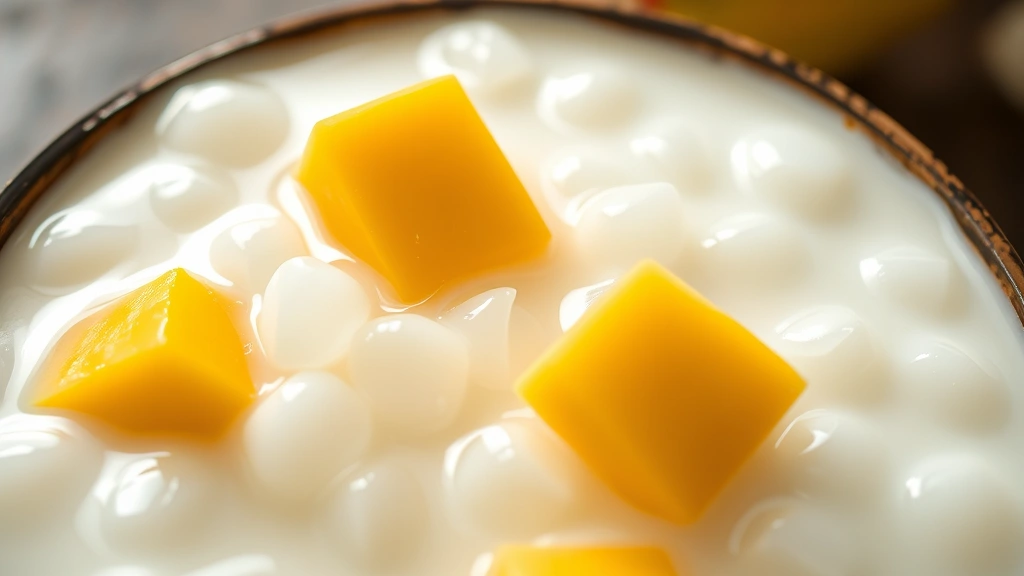
Mango sago is a beloved Southeast Asian dessert that combines creamy coconut milk, chewy sago pearls, and the vibrant sweetness of fresh mango. This refreshing treat has been enjoyed for generations, particularly in the Philippines, Malaysia, and other tropical regions where mangoes thrive. The beauty of this dessert lies in its simplicity—just a handful of quality ingredients transform into an elegant, restaurant-worthy dish that feels both indulgent and light.
If you’ve never made mango sago before, you might wonder what makes it so special. The answer is in the texture contrast: soft, translucent sago pearls suspended in silky coconut cream, topped with fresh mango cubes that burst with natural sweetness. This recipe has been tested countless times and refined to ensure you achieve the perfect consistency every single time. Whether you’re preparing dessert for a family dinner or impressing guests at a gathering, this mango sago recipe delivers consistent, delicious results.
What Is Sago and Why It Works
Sago is a starch extracted from the pith of various tropical palm trees, processed into small spherical pearls. These pearls have a neutral flavor and become translucent and slightly chewy when cooked. Unlike tapioca pearls, which come from cassava root, sago offers a subtly different texture—slightly softer and more delicate. When cooked properly, sago pearls should be tender but still maintain their shape, creating that signature pleasant chewiness that makes mango sago so satisfying.
The genius of using sago in this dessert is that it absorbs the coconut milk’s richness while adding textural interest. The pearls don’t overpower the mango flavor; instead, they complement it perfectly. Sago is also naturally gluten-free, making this dessert suitable for those with dietary restrictions. You’ll find sago pearls in the Asian grocery section of most supermarkets, or you can purchase them from specialty online retailers.
Ingredients You’ll Need
For the Sago Base:
- 1 cup small sago pearls
- 6 cups water (for cooking sago)
- 1 can (14 oz) coconut milk, full-fat preferred
- 1/2 cup brown sugar or white sugar
- 1 teaspoon vanilla extract
- Pinch of salt
- 1 cup water (for the syrup)
For the Mango Topping:
- 3-4 ripe but firm mangoes (about 2 pounds total)
- 2 tablespoons fresh lime juice
- 1 tablespoon honey or simple syrup
Optional Garnish:
- Fresh mint leaves
- Toasted coconut flakes
- Additional coconut milk drizzle
When selecting mangoes, choose varieties that are sweet and fragrant. Ataulfo, Alphonso, or Nam Doc Mai mangoes work beautifully for this dessert. If you’re unfamiliar with choosing quality ingredients, our guide on organic versus non-organic food can help you make informed decisions about produce quality.
Step-by-Step Instructions
Step 1: Prepare the Sago Pearls
Begin by rinsing your sago pearls thoroughly under cold water. This removes excess starch and prevents clumping during cooking. Drain well in a fine-mesh strainer. Bring 6 cups of water to a rolling boil in a large pot. The water should be at a vigorous boil before you add the sago—this prevents the pearls from sticking together.
Slowly pour the rinsed sago into the boiling water while stirring constantly. The pearls will initially sink to the bottom. Continue stirring occasionally to prevent sticking. After about 10-15 minutes, the sago will begin to turn translucent. Test a pearl by removing it with a spoon; it should be mostly clear with just a tiny white dot in the center. The entire cooking process typically takes 15-20 minutes, depending on the size of your pearls.
Step 2: Drain and Cool the Sago
Once the sago reaches the desired consistency, drain it immediately in a fine-mesh strainer. Rinse under cold water while gently stirring to separate the pearls and halt the cooking process. Set aside in a colander to drain thoroughly. This step is crucial—excess water will dilute your final dessert.
Step 3: Prepare the Coconut Syrup
In a medium saucepan, combine 1 cup of water with the brown sugar. Bring to a simmer over medium heat, stirring until the sugar dissolves completely. This should take about 2-3 minutes. Remove from heat and let cool to room temperature. Once cooled, stir in the full-fat coconut milk, vanilla extract, and a pinch of salt. Mix thoroughly to ensure even distribution. The coconut milk should be well-incorporated and the mixture should have a smooth, creamy appearance.
Step 4: Combine Sago with Coconut Mixture
Pour the cooled sago pearls into the coconut syrup and fold gently to combine. Make sure all the pearls are coated with the creamy mixture. Transfer to a large bowl or individual serving glasses. Refrigerate for at least 2 hours, or preferably overnight. The sago will continue to absorb the coconut flavor as it chills, and the texture will set properly.
Step 5: Prepare the Fresh Mango
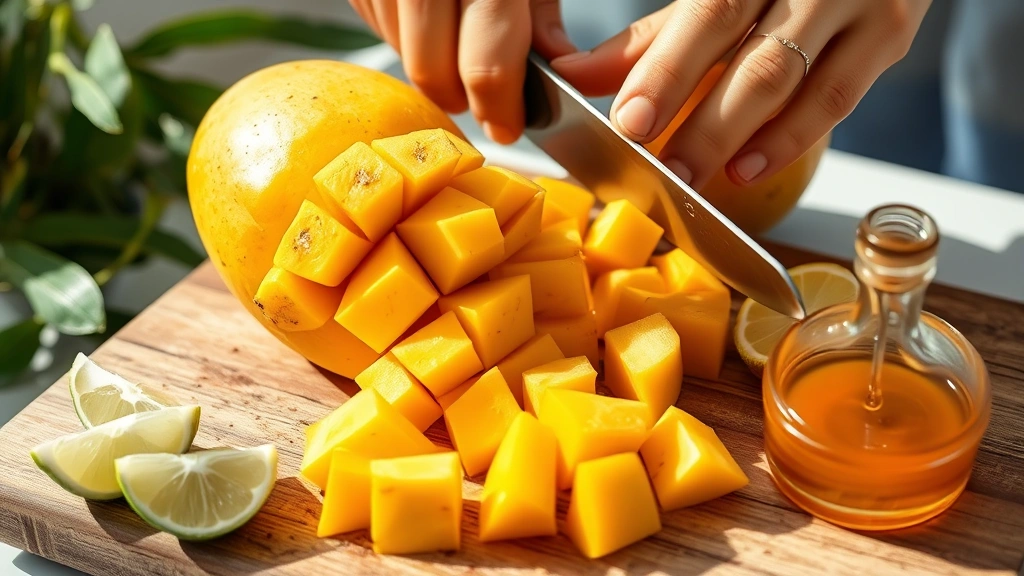
While the sago chills, prepare your mangoes. Wash them under cool water and pat dry. To cut a mango efficiently, hold it vertically and make a vertical cut about 1/3 of the way from the stem end, slicing as close to the flat pit as possible. Repeat on the other side. You’ll have two large cheeks and a narrow section with the pit. Discard the pit section or save it for snacking.
Score the flesh of each mango cheek in a crosshatch pattern, being careful not to cut through the skin. Push the skin gently from underneath to create a “hedgehog” effect, then use a knife to slice the cubes away from the skin. Place all mango cubes in a bowl. Toss with fresh lime juice and honey. The lime juice brightens the mango’s natural sweetness and adds complexity to the flavor profile.
Step 6: Assemble and Serve
Remove the chilled sago from the refrigerator. Divide among serving glasses or bowls. Top generously with the fresh mango cubes and any accumulated juices. For an elegant presentation, drizzle a small amount of additional coconut milk over the top and garnish with fresh mint leaves or toasted coconut flakes. Serve immediately while the mango is fresh and the sago is still cold.
Pro Tips for Perfect Mango Sago
Use Full-Fat Coconut Milk
Light coconut milk will result in a thinner, less luxurious dessert. Full-fat canned coconut milk provides the rich, creamy texture that makes this dessert special. Don’t shake the can before opening—let it sit for a minute so the thick cream rises to the top, which you can scoop out separately if desired.
Don’t Overcook the Sago
Overcooked sago becomes mushy and loses its appealing texture. The pearls should be translucent but still maintain their shape and a slight firmness when bitten. If you prefer chewier sago, cook for the shorter end of the time range. For softer sago, extend cooking by 2-3 minutes maximum.
Chill Thoroughly
Mango sago is best served very cold. Allow at least 2 hours of chilling time, though overnight is ideal. The cold temperature enhances the refreshing quality of the dessert and helps the sago pearls set to the perfect consistency.
Select Peak-Ripeness Mangoes
The mango is the star of this dessert, so quality matters significantly. Choose mangoes that yield slightly to gentle pressure but aren’t mushy. They should have a sweet aroma near the stem end. If your mangoes aren’t perfectly ripe when you’re ready to serve, you can prepare them up to 4 hours ahead and store them in an airtight container in the refrigerator.
Balance Your Sweetness
Taste your coconut syrup before adding the sago. Adjust sugar content based on your preference and the sweetness of your mangoes. Some mango varieties are naturally sweeter than others, so flexibility here ensures your final dessert hits the right sweetness level.
Delicious Variations to Try
Mixed Fruit Sago
While mango is classic, you can create stunning variations using other tropical fruits. Try combining mango with fresh pineapple chunks, rambutan, or dragon fruit. Each fruit brings its own flavor profile while maintaining the dessert’s refreshing character. The key is using fruits that won’t overshadow the delicate sago texture.
Brown Sugar Sago with Pandan
For a more traditional Filipino approach, infuse the coconut syrup with pandan extract or pandan leaves. Pandan adds a subtle vanilla-floral note that pairs beautifully with the brown sugar. This variation creates a slightly earthier flavor that appeals to those who find plain coconut milk too mild.
Chilled Mango Sago Soup
Transform your mango sago into a dessert soup by increasing the coconut milk and adding extra chilled mango juice. This lighter version is perfect for hot weather and can be served in bowls or cups for casual entertaining. Some cooks add a splash of condensed milk for extra richness.
Layered Presentation
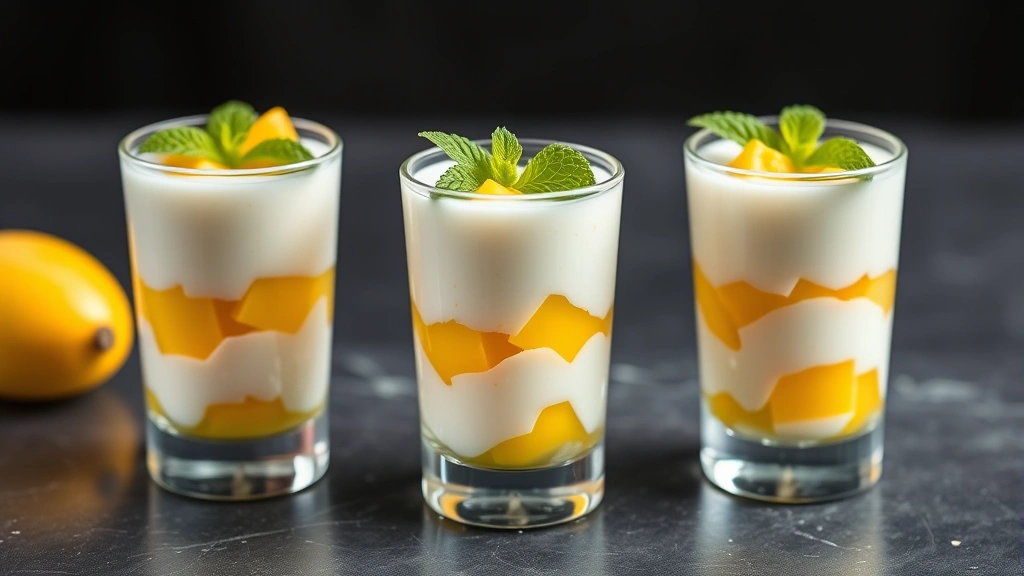
Create a visually stunning dessert by layering the sago, fresh mango, and additional coconut milk in clear glasses. This technique works beautifully for dinner parties and allows guests to see the beautiful contrast of colors and textures. Layer from bottom to top: sago mixture, mango cubes, sago mixture, mango cubes, finishing with a drizzle of coconut milk.
Storage and Make-Ahead Guide
Preparing Components Ahead
You can prepare the sago and coconut syrup mixture up to 3 days in advance. Store it in an airtight container in the refrigerator. The sago will continue to absorb the coconut flavor, actually improving with time. Prepare the fresh mango no more than 4 hours before serving to maintain optimal texture and prevent browning.
Assembled Dessert Storage
Once assembled, mango sago is best consumed within 2 hours. The sago will gradually absorb liquid from the mango, and the mango will soften slightly. If you’re preparing for a gathering, assemble individual portions just before serving for the best presentation and texture.
Freezing Considerations
The sago component can technically be frozen, but the texture will change significantly upon thawing. Frozen sago becomes mushier and loses its appealing chewiness. For best results, keep this dessert chilled rather than frozen. The fresh mango topping should never be frozen if you want to maintain its fresh, crisp quality.
Leftover Sago
If you have leftover sago and coconut mixture without mango, you can repurpose it. Serve it as a standalone dessert with a drizzle of honey, or use it as a base for other fruit toppings like fresh berries or canned lychees. It will keep refrigerated for up to 3 days, making it a convenient dessert component to have on hand.
For other make-ahead dessert ideas and techniques, explore our comprehensive guide on homemade bread baking, which includes similar preparation and timing strategies applicable to many desserts.
FAQ
Can I use instant tapioca instead of sago?
While tapioca pearls are similar, they produce a slightly different texture. Tapioca tends to be stickier and less delicate than sago. If you must substitute, use the same cooking time but watch closely as tapioca often cooks faster. The final result will be acceptable but won’t quite match traditional mango sago.
What if I can’t find sago pearls?
Look in Asian grocery stores, specialty food sections of larger supermarkets, or online retailers. Sago is widely available and reasonably priced. If you’re in a true pinch, small tapioca pearls or even small pasta like orzo can work, though the authenticity and texture will differ.
How do I know when mangoes are ripe enough?
Ripe mangoes yield slightly to gentle pressure when held in your palm, similar to a ripe avocado. They should have a sweet, fragrant aroma near the stem end. Avoid mangoes that are rock-hard or those that are mushy and overly soft. You want that sweet spot of ripeness.
Can I make this dessert without coconut milk?
Coconut milk is integral to authentic mango sago. However, if you have a coconut allergy or preference, you could try heavy cream mixed with sweetened condensed milk, though this creates a different flavor profile entirely. The result will be creamier but less tropical.
Is mango sago suitable for dietary restrictions?
Mango sago is naturally gluten-free, vegan when made with coconut milk and plant-based sweeteners, and dairy-free. It’s an excellent choice for those with multiple dietary restrictions. Always verify that your specific ingredients meet your dietary needs.
Why did my sago turn cloudy instead of translucent?
Cloudy sago usually indicates undercooked pearls. Return them to boiling water for another 3-5 minutes. Alternatively, if you didn’t rinse them thoroughly before cooking, excess starch may have remained, causing cloudiness. For future batches, rinse more vigorously under running water.
Can I prepare this for a crowd?
Absolutely! This recipe scales easily. Multiply the ingredients by the number of servings needed. Prepare the sago mixture in large batches and store in the refrigerator. Prepare fresh mango just before serving or up to 4 hours ahead. Assemble individual portions as guests arrive for the best presentation.
What’s the difference between sago and tapioca?
Sago comes from palm pith while tapioca comes from cassava root. Sago has a slightly softer, more delicate texture and a more subtle flavor. Tapioca is chewier and denser. Both work in desserts, but sago is traditional for mango sago and creates the preferred texture profile.


