5 Authentic Mexican Desserts: Abuela’s Favorites!
Mexican desserts represent centuries of culinary tradition, blending indigenous ingredients with Spanish colonial influences to create some of the world’s most beloved sweet treats. These aren’t just simple confections—they’re expressions of culture, family heritage, and the art of patience passed down through generations of Mexican grandmothers. From the streets of Oaxaca to home kitchens across Mexico, these desserts tell stories of celebration, love, and tradition.
When you taste an authentic Mexican dessert, you’re experiencing flavors that have been perfected over decades. The warm spices, the rich caramel notes, the delicate textures—all of these elements come together to create something truly magical. Whether you’re planning a special dinner or simply want to reconnect with your heritage, these five recipes from abuela’s kitchen will transport your palate straight to Mexico.
Flan: The Silky Custard Classic
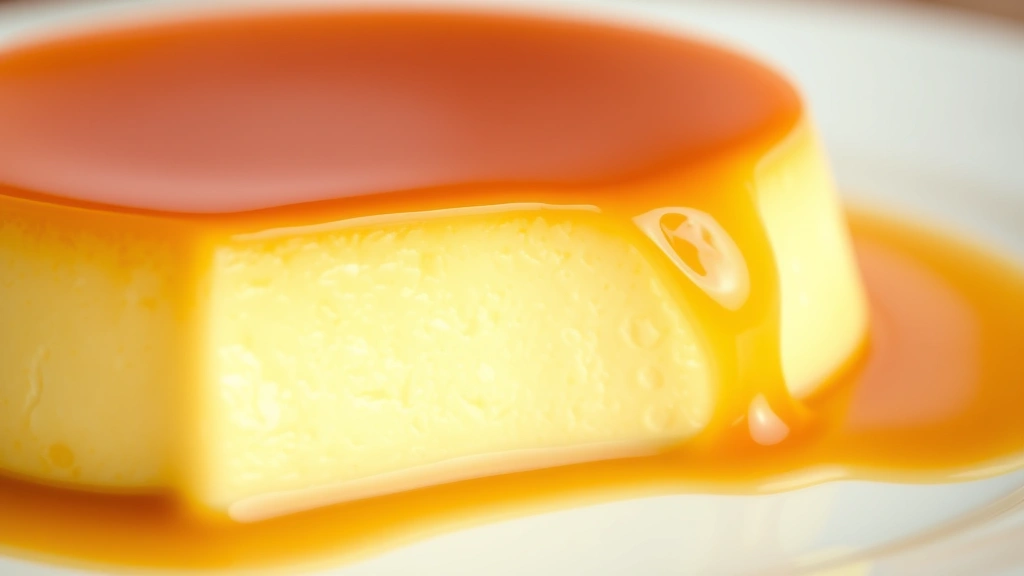
Flan stands as one of the most iconic Mexican desserts, a creamy custard topped with a shimmering caramel layer that has graced family tables for generations. This elegant dessert requires patience and precision, but the reward is a perfectly silky texture that melts on your tongue. The combination of sweetened condensed milk, evaporated milk, and eggs creates the signature creamy consistency that makes flan so irresistible.
To prepare authentic flan, you’ll need to master the caramel first. Melt one cup of sugar in a heavy-bottomed saucepan over medium heat, watching carefully as it transforms from white crystals to golden amber. This is where many home cooks struggle—the sugar can burn quickly, so you must remain attentive. Once the caramel reaches the perfect color, quickly pour it into a round baking dish, tilting to coat the bottom and sides evenly. Work fast because caramel hardens rapidly.
The custard mixture itself is straightforward: blend one can of sweetened condensed milk, one can of evaporated milk, five eggs, one tablespoon of vanilla extract, and a pinch of cinnamon. Strain this mixture through a fine sieve to ensure a completely smooth texture without any egg white fragments. Pour the mixture over your caramel base and place the dish in a water bath—this crucial step ensures even, gentle cooking that prevents the custard from cracking or developing a rubbery texture.
Bake your flan at 350°F for about 50 minutes. You’ll know it’s done when the edges are set but the center still jiggles slightly when you gently shake the pan. This residual cooking continues as the flan cools, resulting in that perfect creamy consistency. Allow it to cool completely, then refrigerate for at least four hours, though overnight is ideal. When you’re ready to serve, run a thin knife around the edges and invert onto a serving plate, letting that caramel cascade over the top.
Churros: Crispy Fried Perfection
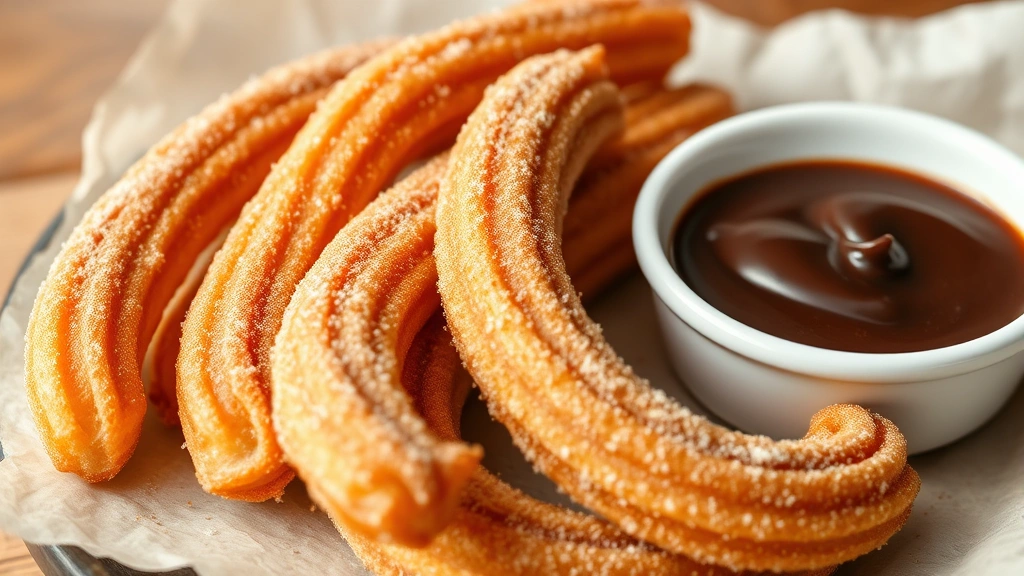
Churros represent the joy of Mexican street food transformed into a dessert that’s equally at home at a festival or your family dinner table. These elongated fried pastries, dusted with cinnamon sugar, offer that perfect contrast of crispy exterior and soft, airy interior. Making churros at home might seem intimidating, but the process becomes manageable once you understand the technique.
The dough itself is simple: combine one cup of water, two and one-half cups of all-purpose flour, one teaspoon of salt, and one tablespoon of sugar. Heat the water until it’s steaming, then gradually whisk in the flour to create a thick paste. This dough is different from bread dough—it should be smooth and pliable, resembling thick cake batter. Some cooks add a touch of anise seed or vanilla for extra flavor, though traditional recipes keep it simple.
Heat at least two inches of oil in a deep pan to 375°F. Using a churrera (a special churro-making tool) or a pastry bag fitted with a large star tip, pipe six-inch lengths of dough directly into the hot oil. Fry until golden brown on both sides, about two minutes total. Remove with a slotted spoon and drain on paper towels immediately. While still warm, dust generously with a mixture of cinnamon and sugar.
For dipping, prepare a rich chocolate sauce by melting four ounces of dark chocolate with one cup of heavy cream and one tablespoon of butter, stirring until smooth. Some versions include a pinch of cayenne pepper—a nod to the spiced chocolate traditions of colonial Mexico. Serve your churros immediately while they’re still warm and crispy, with the chocolate sauce for dunking. This is when they’re at their absolute best, though they can be reheated in a 350°F oven for a few minutes if needed.
Tres Leches: The Three-Milk Cake
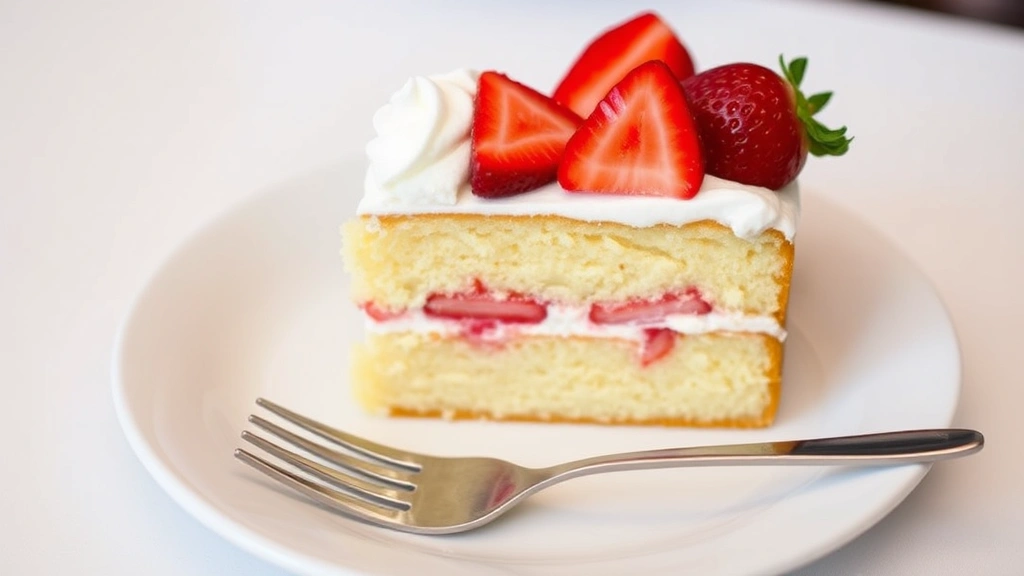
Tres leches cake represents modern Mexican dessert innovation while honoring traditional flavor profiles. This sponge cake soaked in three types of milk—sweetened condensed, evaporated, and heavy cream—creates an incredibly moist, luxurious dessert that’s become a staple at celebrations throughout Latin America. The beauty of tres leches lies in its simplicity and its ability to feed a crowd while impressing even the most discerning palates.
Begin by preparing a light sponge cake. Whisk five eggs until they reach soft peaks, then gradually add three-quarters cup of sugar while continuing to beat until stiff peaks form. Gently fold in one cup of cake flour and one teaspoon of vanilla extract. Pour into a greased nine-by-thirteen-inch baking pan and bake at 350°F for about 25 minutes until a toothpick comes out clean. Allow the cake to cool completely—this step is crucial because you’ll be pouring liquid over it.
While the cake cools, prepare your three-milk mixture. Combine one can of sweetened condensed milk, one can of evaporated milk, and one cup of heavy cream in a bowl, whisking until well combined. Some recipes add a tablespoon of rum or Kahlúa for depth. Once the cake has cooled, pierce it all over with a fork—this allows the milk mixture to penetrate evenly. Slowly pour the three-milk mixture over the entire surface, allowing it to absorb gradually. The cake will seem very wet initially, but don’t worry; it will set as it cools.
Refrigerate the cake for at least four hours, preferably overnight. Before serving, prepare a topping of freshly whipped cream sweetened with a tablespoon of sugar and a splash of vanilla. Spread or pipe this over the cooled cake and garnish with fresh strawberries or maraschino cherries. You can also make your own strawberry sauce to drizzle over the top for extra elegance.
The magic of tres leches happens during refrigeration when the flavors meld and the texture becomes uniformly creamy throughout. This dessert actually improves after a day or two, making it perfect for advance preparation. It’s also naturally forgiving—unlike some cakes that dry out, this one becomes better as it sits.
Pan de Muerto: Bread of the Dead
Pan de muerto, or bread of the dead, holds deep cultural significance in Mexican tradition, particularly during Día de Muertos celebrations. Despite its solemn name, this sweet bread is a celebration of life and remembrance, featuring a distinctive shape with a round base and three or four oval pieces on top representing bones. The bread itself is lightly sweet with hints of orange and anise, making it more sophisticated than typical sweet breads.
Creating pan de muerto requires yeast, time, and patience—three things that traditional bakers understand well. Begin by dissolving one and one-half teaspoons of active dry yeast in one-quarter cup of warm milk with one teaspoon of sugar. Let this bloom for about five minutes until foamy. In a large bowl, combine three cups of all-purpose flour, one-half cup of sugar, one teaspoon of salt, one teaspoon of anise seed, and the zest of one orange.
Create a well in the center of your dry ingredients and add the yeast mixture along with four egg yolks and one whole egg. Begin mixing, gradually incorporating the flour. Once a shaggy dough forms, add one-third cup of softened butter in small pieces, continuing to mix until the butter is fully incorporated. The dough will be sticky—this is normal. Knead for about ten minutes until smooth and elastic, then place in a greased bowl, cover with a damp towel, and let rise for two hours until doubled in size.
Divide the dough into portions: one large piece for the base and three or four smaller pieces for the “bones.” Shape the large piece into a round ball and place on a parchment-lined baking sheet. Attach the smaller pieces to the top, pressing gently to secure. Cover and let rise for another hour. Brush with an egg wash and bake at 375°F for about 30 minutes until golden brown. While still warm, brush with a mixture of melted butter and sugar, creating that characteristic glossy finish.
Pan de muerto is best served slightly warm, perhaps with hot chocolate or coffee. The texture is tender and slightly crumbly, and the flavors of orange and anise become more pronounced as the bread cools. It keeps well for several days, making it ideal for the multi-day Día de Muertos celebrations.
Conchas: Sweet Shell Bread
Conchas, named for their shell-like appearance, represent the everyday magic of Mexican panadería culture. These sweet rolls feature a tender, slightly sweet dough topped with a crunchy, decorative shell made from a simple sugar-flour paste. You’ll find conchas in bakeries throughout Mexico, available in various colors and flavors, but the classic vanilla version remains the most beloved.
The dough for conchas is enriched with butter, eggs, and milk, creating a tender crumb that’s slightly sweet but not overpowering. Dissolve one and one-half teaspoons of yeast in one-quarter cup of warm milk with one teaspoon of sugar, and let it bloom. Combine three and one-half cups of flour, one-third cup of sugar, one teaspoon of salt, and one tablespoon of vanilla extract in a large bowl. Add the yeast mixture along with one egg and one egg yolk, mixing until a shaggy dough forms.
Incorporate one-third cup of softened butter gradually, kneading until the dough becomes smooth and elastic. Place in a greased bowl, cover, and let rise for two hours until doubled. Divide into twelve equal pieces and shape each into a ball. Place on parchment-lined baking sheets, cover, and let rise for another hour.
While the dough rises, prepare the concha topping. Mix one-half cup of flour, one-third cup of powdered sugar, three tablespoons of softened butter, and one-quarter teaspoon of vanilla extract until you achieve a crumbly paste. Divide into twelve portions and press each onto a dough ball, creating a thin, even layer. Using a knife, score the top in a shell or crosshatch pattern.
Bake at 375°F for about 15 minutes until golden brown. The tops should be slightly crispy while the interior remains soft and tender. Conchas are wonderful for breakfast or as an afternoon snack, and they pair beautifully with hot chocolate or coffee. They’re also excellent for exploring quick breakfast recipes when you want something special.
Tips for Authentic Mexican Dessert Success
Creating authentic Mexican desserts requires understanding a few key principles that experienced cooks know well. First, invest in quality ingredients—Mexican vanilla, real cinnamon from Mexico, and fresh eggs make a noticeable difference. Second, don’t rush the process. Many of these desserts benefit from slow cooking, proper resting times, and patience. Third, taste as you go and adjust seasonings to your preference; authentic cooking is about balance and personal touches.
Temperature control matters significantly, especially for custards and caramel-based desserts. Use an instant-read thermometer when called for, and remember that ovens vary. Get to know your oven’s quirks and adjust timing accordingly. Many traditional Mexican cooks also emphasize the importance of using a water bath for custards, as this gentle cooking method prevents curdling and ensures silky texture.
Don’t be intimidated if your first attempt isn’t perfect. Even experienced bakers have flan that cracks or churros that aren’t perfectly golden. Each attempt teaches you something valuable about timing, temperature, and technique. The Mexican culinary tradition values practice and perseverance—qualities that abuela knew well.
Pairing Desserts with Beverages
Mexican desserts shine when paired with complementary beverages. Traditional hot chocolate, made thick and frothy, pairs beautifully with churros and conchas. For custard-based desserts like flan, consider serving with strong coffee or a small glass of sweet dessert wine. Tres leches works wonderfully with champagne or sparkling cider, making it perfect for celebrations.
Coffee culture is deeply rooted in Mexican tradition, and many of these desserts were designed to accompany it. The slight bitterness of good coffee balances the sweetness of most Mexican desserts, creating a harmonious eating experience. Pan de muerto is traditionally served with atole, a warm corn-based beverage, though it’s equally delicious with modern coffee drinks.
Making Mexican Desserts Your Own
While authenticity matters, Mexican cooking tradition also values adaptation and personal expression. Once you’ve mastered the basic recipes, feel free to experiment. Add a splash of rum to your flan, incorporate different extracts into your conchas, or top your tres leches with healthier dessert alternatives if you prefer.
Many modern Mexican bakers have reimagined these classics while maintaining their essential character. The key is understanding the fundamentals so well that you can modify them confidently. Your abuela would approve of innovations made with love and respect for tradition.
FAQ
Can I make these desserts ahead of time?
Most Mexican desserts are excellent for advance preparation. Flan, tres leches, and pan de muerto actually improve when made a day or two ahead. Churros are best served fresh, but conchas can be made ahead and reheated. This makes these recipes perfect for entertaining.
What if I don’t have Mexican vanilla?
While Mexican vanilla has a distinctive flavor, regular vanilla extract works fine if that’s what you have available. You might want to try sourcing Mexican vanilla online from specialty culinary retailers or food science resources that focus on ingredient quality.
How do I prevent my flan from cracking?
The water bath is essential—it ensures gentle, even cooking. Don’t overbake; the center should jiggle slightly when done. Allow the flan to cool gradually at room temperature before refrigerating. Some cooks wrap the baking dish in foil before placing it in the water bath to prevent water from seeping in.
Can I use regular milk instead of condensed and evaporated milk in tres leches?
The three-milk combination creates the specific texture and sweetness that defines this dessert. Regular milk won’t provide the same richness or consistency. However, you can find these canned milks in most grocery stores, including the international or baking aisle.
What’s the difference between pan de muerto and regular sweet bread?
Pan de muerto features specific flavoring from orange zest and anise seed, plus its distinctive shape with the bone-like pieces on top. The crumb is also slightly more tender than typical sweet breads, achieved through the enriched dough and specific technique.
How long do conchas stay fresh?
Conchas are best enjoyed within two days of baking, though they’ll stay fresh for up to four days in an airtight container. You can refresh them by warming in a 300°F oven for five minutes. Some families freeze conchas and reheat them as needed.
Where can I learn more about Mexican baking techniques?
The Culinary School Central offers excellent resources on traditional baking methods. You might also explore King Arthur Baking Company for detailed technique guides, and Serious Eats’ Mexican cooking section for cultural context and recipe variations.
Can I modify these recipes for dietary restrictions?
Some modifications are possible—you can explore healthier dessert recipes for inspiration. Gluten-free versions of these desserts exist but require careful substitution and testing. For dairy-free versions, the results are less traditional but still delicious with appropriate milk alternatives.
These five authentic Mexican desserts represent the heart of family baking traditions that have sustained Mexican culture for generations. When you master these recipes, you’re not just learning to bake—you’re connecting with history, honoring tradition, and creating memories that will last for years. Your abuela’s favorites are now yours to share with the people you love.


