Best Midori Sour Recipe: Bartender-Approved Guide to Crafting the Perfect Cocktail
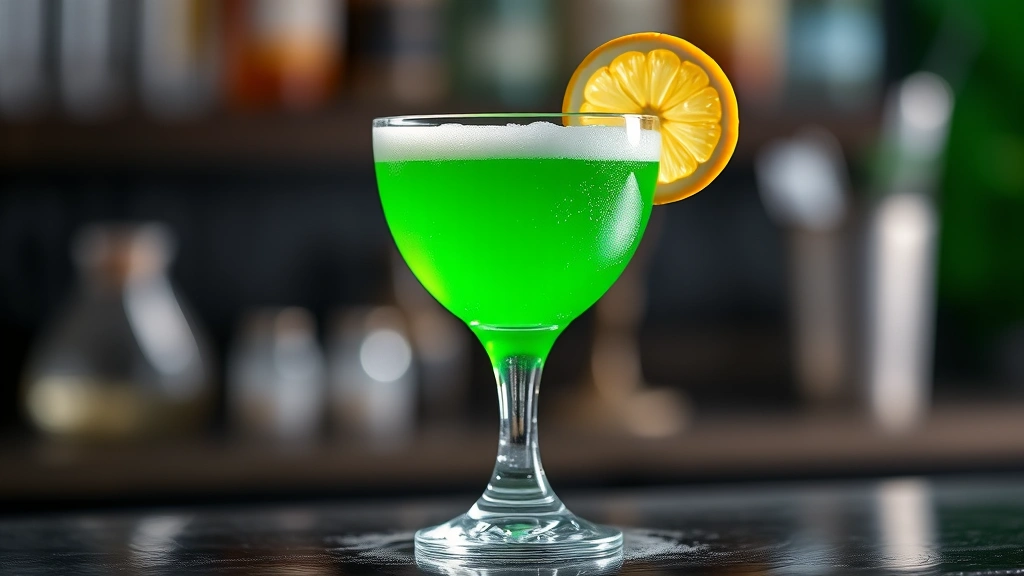
The Midori Sour stands as one of the most visually stunning and refreshingly delicious cocktails in any bartender’s arsenal. With its vibrant melon-green hue and perfectly balanced sweet-tart profile, this drink has captivated cocktail enthusiasts for decades. Whether you’re mixing drinks at home or looking to impress guests at your next gathering, mastering the Midori Sour recipe will elevate your bartending skills and deliver consistent, professional-quality results every single time.
This comprehensive guide walks you through everything you need to know about creating the ultimate Midori Sour, from selecting quality ingredients to mastering essential mixing techniques. Professional bartenders have refined this recipe through countless hours of experimentation, and we’re sharing their insider secrets with you. By the end of this article, you’ll understand not just how to make a Midori Sour, but why each component matters and how to customize it to suit your personal taste preferences.
Understanding Midori Liqueur and Its Role
Midori, which means “green” in Japanese, is a melon-flavored liqueur that originated in Japan in 1978. This vibrant spirit became an instant classic in cocktail culture, particularly for sour-style drinks. The liqueur brings a distinctive honeydew melon sweetness with subtle herbal undertones that create the foundation for an exceptional Midori Sour. Understanding what makes Midori unique helps you appreciate why this particular ingredient works so beautifully in sour cocktails.
The alcohol content of Midori typically ranges between 20-21% ABV (alcohol by volume), making it a lower-proof liqueur compared to spirits like vodka or whiskey. This lower proof allows the melon flavor to shine through without overwhelming the palate. When selecting Midori for your home bar, always choose the standard green Midori rather than the clear version, as the green variety delivers superior flavor complexity and that iconic vibrant color that makes the Midori Sour instantly recognizable.
One of the most important characteristics of Midori is its natural sweetness. This sweetness plays a crucial role in balancing the acidic components of your sour. Professional bartenders understand that the Midori Sour isn’t just about mixing ingredients—it’s about creating harmony between sweet, sour, and strong elements that define the classic sour cocktail category.
Essential Ingredients for the Perfect Sour
Creating the best Midori Sour recipe requires understanding each ingredient’s contribution to the final drink. The classic formula follows the traditional sour structure: spirit, citrus, and sweetener, with Midori taking the starring role. Here’s what you’ll need:
- Midori Liqueur: 1.5 ounces (45 ml) – the primary ingredient that defines your cocktail
- Fresh Lemon Juice: 0.75 ounces (22 ml) – provides essential acidity and brightness
- Simple Syrup: 0.5 ounces (15 ml) – balances the lemon’s tartness
- Egg White: 0.5 ounces (15 ml) optional – creates silky texture and foam
- Ice: 1 cup of quality ice – essential for proper chilling and dilution
- Garnish: Lemon wheel or cherry – adds visual appeal
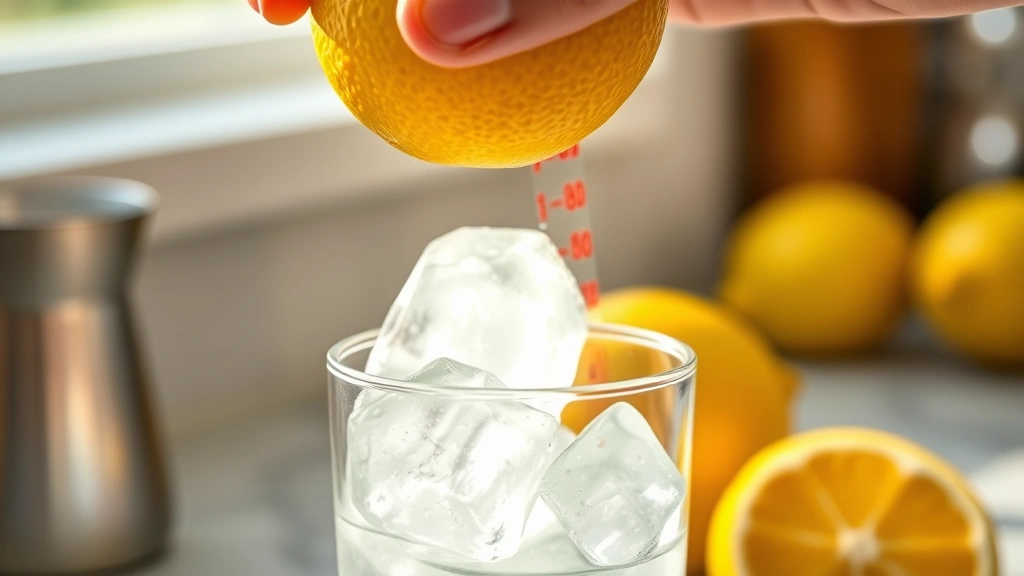
The importance of fresh lemon juice cannot be overstated. Bottled lemon juice contains preservatives that dull the bright, crisp flavors your Midori Sour desperately needs. Always squeeze fresh lemons immediately before mixing your cocktail. One medium lemon typically yields about 2-3 tablespoons of juice, so plan accordingly. The natural acidity of fresh lemon juice, usually between 2-3% citric acid, provides the perfect counterpoint to Midori’s sweetness.
Your simple syrup should be a 1:1 ratio of granulated sugar to water by weight. Many home bartenders make this in advance and store it in glass bottles for easy access. Some professional bartenders prefer slightly richer simple syrups made with a 2:1 ratio, which delivers more body and a smoother mouthfeel. Experiment with both ratios to determine your preference.
The egg white component deserves special attention. While entirely optional, adding egg white creates a luxurious silky texture and produces an attractive foam layer on top of your drink. If you choose to include egg white, use only fresh, high-quality eggs from reliable sources, or consider pasteurized egg white products for safety. The egg white should be vigorously shaken with the other ingredients to properly emulsify and create that signature foam.
Step-by-Step Mixing Instructions
Now that you understand each ingredient, let’s walk through the professional technique for crafting a Midori Sour that rivals those served in top cocktail bars worldwide.
- Prepare Your Glassware: Fill your mixing glass or cocktail shaker with fresh ice. Many bartenders prefer a Boston shaker—two-piece stainless steel shakers that professionals favor. If using a mixing glass, you’ll need a bar spoon. Chill your serving glass by filling it with ice while you prepare the cocktail.
- Measure Your Ingredients Precisely: Use a jigger for accurate measurements. Pour 1.5 ounces of Midori liqueur into your shaker or mixing glass first. This method prevents the sweeter ingredient from coating your jigger and affecting subsequent measurements.
- Add Citrus and Sweetener: Next, add 0.75 ounces of fresh lemon juice and 0.5 ounces of simple syrup. The order matters slightly—citrus should go in before sweetener to ensure proper mixing and flavor integration.
- Incorporate Egg White (Optional): If you’re using egg white, add 0.5 ounces now. This is the moment when many bartenders prefer to perform a “dry shake”—shaking vigorously for about 10-15 seconds without ice. This technique helps emulsify the egg white before adding ice, creating a more stable and impressive foam layer.
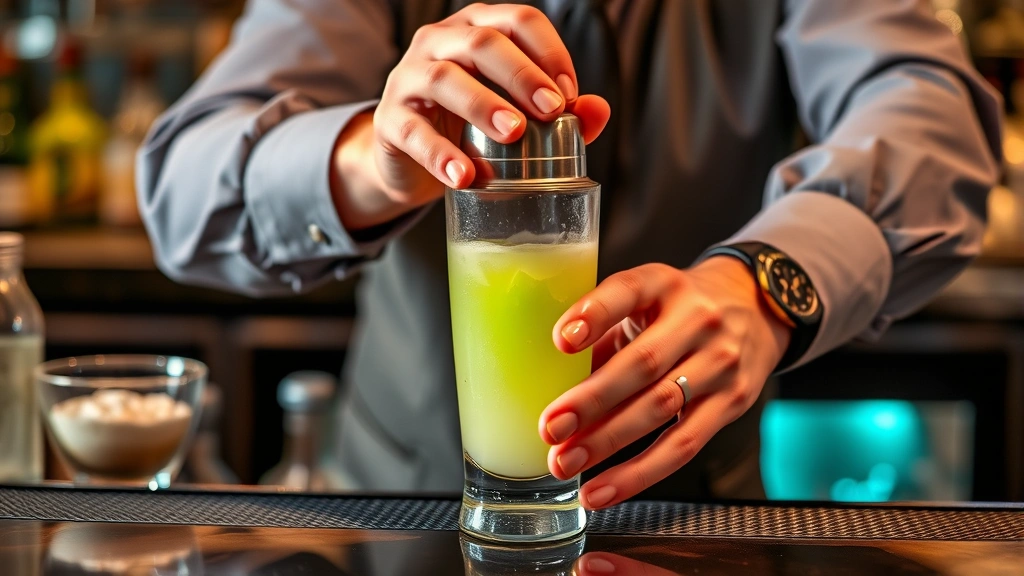
- Add Ice and Shake Vigorously: Fill your shaker with fresh ice and shake hard for 12-15 seconds. The vigorous shaking serves multiple purposes: it thoroughly chills the drink, properly dilutes the ingredients (adding about 0.5-0.75 ounces of water from melting ice), and aerates the mixture if you’ve included egg white.
- Strain into Your Glass: Remove the ice from your serving glass and strain the cocktail into it using a Hawthorne strainer (the professional standard). Some bartenders prefer a fine mesh strainer for extra smoothness, especially if using egg white.
- Garnish and Serve: Top with your chosen garnish—a thin lemon wheel or a cherry both complement the melon flavors beautifully. Serve immediately while the drink is at its coldest.
The timing of your shake matters significantly. Under-shaking leaves your drink too warm and insufficiently diluted, resulting in an overly strong, unbalanced cocktail. Over-shaking can create excessive dilution that waters down the Midori’s delicate flavors. The 12-15 second range represents the sweet spot for achieving perfect balance and texture.
Professional Bartending Techniques and Tips
Experienced bartenders employ several advanced techniques that elevate the Midori Sour from good to exceptional. Understanding these professional approaches helps you replicate bar-quality results at home.
Temperature Control: The coldest cocktails taste the best. Professional bars keep their glassware in freezers and their ice in specialized bins. At minimum, pre-chill your serving glass by filling it with ice for 30 seconds before straining your cocktail into it. Some bartenders even chill their shaker before beginning the mixing process.
Ice Quality: The type of ice you use dramatically affects your final drink. Large, dense ice cubes melt more slowly than standard ice, providing better temperature control and less dilution. If your home freezer doesn’t produce quality ice, consider purchasing specialty ice from a local bar supply or investing in a quality ice maker.
The Dry Shake Method: When including egg white, the dry shake technique deserves mastery. Shake vigorously without ice for 10-15 seconds to properly emulsify the egg white and incorporate air. This creates a silkier, more stable foam that lasts longer and looks more impressive. Then add ice and shake again for 12-15 seconds as normal.
Dilution Mathematics: Professional bartenders understand that dilution isn’t a flaw—it’s essential. The ice in your shaker melts and adds water to your cocktail, which actually improves the drink by reducing the “burn” from alcohol and allowing flavors to open up. The goal is approximately 20-25% dilution by weight, which your 12-15 second shake achieves naturally.
For deeper insight into cocktail science and technique, explore resources like DrinkIQ’s comprehensive bartending guides, which provide professional standards for mixing techniques.
Variations and Creative Twists
Once you’ve mastered the classic Midori Sour, experimenting with variations keeps your home bartending exciting and impressive. Professional bartenders constantly innovate while respecting the fundamental structure that makes the original so successful.
The Midori Sour with Cucumber: Add 3-4 fresh cucumber slices muddled gently in your shaker before adding other ingredients. Cucumber adds refreshing herbal notes that beautifully complement Midori’s melon character. Strain carefully to avoid cloudy cucumber particles in your finished drink.
Honey Variation: Replace simple syrup with 0.5 ounces of honey syrup (equal parts honey and hot water, cooled). Honey introduces floral sweetness and creates a silkier mouthfeel that some bartenders prefer to standard simple syrup.
Green Tea Infusion: Prepare green tea simple syrup by steeping green tea in your simple syrup for 24 hours, then straining. This variation adds subtle earthiness and complexity that deepens the drink’s flavor profile.
The Spicy Midori Sour: Add a small slice of fresh ginger muddled gently with your other ingredients. Ginger’s spicy warmth creates an intriguing contrast with the cool melon flavors, resulting in a more dynamic, memorable cocktail.
Midori Sour with Sparkling Water: Some bartenders top the finished drink with a splash of sparkling water or club soda, creating a lighter, more refreshing variation. This technique is sometimes called “lengthening” the drink and appeals to those who prefer lower-alcohol cocktails.
Experimenting with different garnishes also creates visual variety. Beyond standard lemon wheels and cherries, consider melon balls, candied ginger, or even a light dusting of edible glitter for special occasions.
Serving and Presentation Tips
The visual presentation of your Midori Sour matters as much as its taste. The vibrant green color is one of this cocktail’s greatest assets, and proper presentation showcases it beautifully.
Glassware Selection: The classic serving vessel for a Midori Sour is a coupe glass (also called a cocktail glass or martini glass), which holds 4-6 ounces. The wide, shallow bowl shows off the drink’s beautiful color and allows the foam from egg white to spread elegantly across the surface. If you don’t have coupe glasses, a rocks glass with one large ice cube works perfectly for a more casual presentation.
Foam Management: If you’ve included egg white, the foam layer is a crucial visual element. Strain your cocktail carefully, allowing the foam to settle on top naturally. Some bartenders use a bar spoon to help direct the foam and create an even layer. This silky foam layer should be about 0.25 inches thick—not too thick that it dominates the drink, but substantial enough to be visually impressive.
Garnish Technique: A lemon wheel should be cut about 0.25 inches thick and placed on the rim or floating on top of the foam. For a cherry garnish, select high-quality cocktail cherries (not the bright red maraschino cherries of decades past). Modern craft cocktail cherries from brands like Luxardo provide superior flavor and appearance.
Serving Temperature: Serve your Midori Sour immediately after straining. The drink reaches its peak flavor when properly chilled but before excessive ice melt dilutes it further. Never serve a cocktail that’s been sitting at room temperature for more than a few minutes.
Batch Preparation for Parties: If you’re serving multiple Midori Sours at a gathering, consider pre-batching the Midori, lemon juice, and simple syrup in a large container. When guests arrive, simply shake the pre-batched mixture with ice and egg white in smaller batches, which saves time and ensures consistency.
For additional guidance on cocktail presentation and service standards, check out the International Bartenders Association’s official standards, which outline professional best practices for cocktail service worldwide.
FAQ
Can I make a Midori Sour without egg white?
Absolutely! The egg white creates a luxurious texture and foam layer, but it’s entirely optional. Simply omit it and follow the same mixing instructions. Your drink will be slightly less silky but equally delicious and refreshing. Some people prefer the cleaner, more straightforward taste without egg white.
How far in advance can I prepare a Midori Sour?
Cocktails are best enjoyed immediately after preparation. However, you can pre-batch the Midori, lemon juice, and simple syrup up to 24 hours in advance. Store this mixture in a sealed glass bottle in the refrigerator. When ready to serve, shake with ice and egg white (if using) immediately before straining into a chilled glass.
What’s the best substitute if I can’t find Midori liqueur?
Midori is widely available at most liquor stores, but if it’s unavailable, consider melon schnapps as an alternative, though the flavor will be slightly different. You might also try Dekuyper Pucker Sour Apple for a green-hued drink, though this changes the flavor profile significantly. The best solution is ordering Midori online if local options are exhausted.
Should I use bottled lemon juice for convenience?
Fresh lemon juice is strongly recommended and makes a noticeable difference in your final cocktail. Bottled lemon juice contains preservatives that dull the bright, crisp flavors essential to a great Midori Sour. The effort of squeezing fresh lemons takes just a few minutes and dramatically improves your drink’s quality.
How much should I chill my glassware before serving?
Pre-chilling your glassware for 30 seconds by filling it with ice is sufficient for most home settings. Professional bars keep glasses in freezers at below 32°F for extended periods. Even simple pre-chilling significantly improves your drink’s temperature and overall drinking experience.
Can I batch Midori Sours in advance for a party?
Yes! Prepare your base mixture (Midori, lemon juice, simple syrup, and egg white if using) in advance and store it in the refrigerator. When guests arrive, shake the pre-batched mixture in batches with fresh ice, then strain into chilled glasses. This approach maintains consistency and allows you to spend more time with your guests rather than constantly mixing individual drinks.
What food pairings work well with Midori Sours?
The bright, refreshing melon flavors pair beautifully with light appetizers, seafood, and desserts. Consider serving Midori Sours with fresh fruit platters, shrimp appetizers, or light pastries. The cocktail’s sweetness also complements savory canapés with cream cheese or goat cheese bases. If you’re looking for dessert pairings, treats like lemon cookies or peach ice cream work wonderfully with this cocktail’s flavor profile.
Is there a non-alcoholic version of the Midori Sour?
Yes! Create a mocktail version by replacing Midori with melon juice or honeydew puree, and using the same proportions of fresh lemon juice and simple syrup. While it won’t have the exact flavor profile of the alcoholic version, it captures the refreshing melon-and-lemon essence that makes the Midori Sour so appealing.


