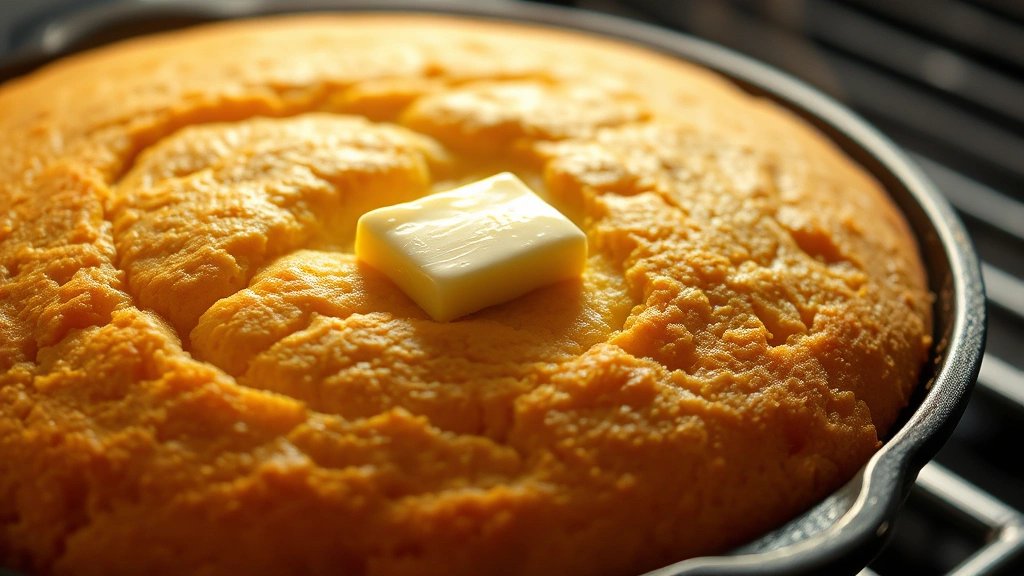
Moist Cornbread Recipe: Grandma’s Secret to Perfect Texture Every Time
There’s something magical about pulling a golden, steaming loaf of cornbread from the oven—especially when it’s so moist and tender that it practically melts on your tongue. If you’ve ever wondered why some cornbread turns out dry and crumbly while others achieve that coveted, cake-like moisture, you’re about to discover the secrets that have been passed down through generations of home bakers. This moist cornbread recipe combines traditional techniques with modern baking science to deliver consistently perfect results.
My grandmother guarded her cornbread recipe like treasure, and for good reason. After years of experimentation and countless batches, I’ve finally unlocked the key components that transform ordinary cornbread into something extraordinary. The secret isn’t complicated—it involves understanding the right ingredient ratios, baking temperatures, and a few professional tricks that make all the difference between mediocre and magnificent.
Whether you’re serving this alongside chili, using it as a side dish for holiday dinners, or simply craving a comforting treat with butter and honey, this recipe will become your go-to for moist, flavorful cornbread that impresses everyone at the table.
Why Your Cornbread Gets Dry
Understanding the science behind dry cornbread is the first step toward mastering moisture. Cornmeal, by nature, contains very little fat compared to wheat flour. When cornmeal bakes, it absorbs moisture from the batter, and if that moisture isn’t abundant enough, you’re left with a dense, crumbly result. Traditional recipes often use equal parts cornmeal and flour, which can actually work against you when seeking that moist texture.
The primary culprits behind dry cornbread include insufficient fat in the batter, overbaking, using too much cornmeal relative to other wet ingredients, and baking at temperatures that are too high. Many home bakers also make the mistake of mixing the batter too much, which develops gluten and creates a tough crumb structure that can’t hold moisture effectively.
Additionally, the type of cornmeal matters significantly. Stone-ground cornmeal absorbs more liquid than regular cornmeal, so adjustments may be necessary. Understanding these factors allows you to troubleshoot and create consistently moist cornbread that stays tender even after cooling.
The Secret Ingredients for Moisture
Grandma’s secret wasn’t just one ingredient—it was a combination of strategic choices that work together to create the perfect moisture balance. The foundation starts with buttermilk, which adds tanginess, tenderness, and moisture. The acidic nature of buttermilk reacts with baking soda to create lift while keeping the crumb incredibly soft.
The second secret weapon is sour cream. Adding sour cream to your easy homemade bread recipes isn’t limited to savory breads—it works beautifully in cornbread too. Sour cream contributes fat, moisture, and a subtle tang that enhances flavor complexity. It also creates a tender crumb structure because the fat coats flour particles, preventing excessive gluten development.
The third essential is butter—and plenty of it. While some recipes call for oil, I prefer butter for its rich flavor and superior moisture retention. Melted butter distributes evenly throughout the batter and creates a more tender final product. Some bakers also add a tablespoon of honey or a touch of sugar to enhance moisture and browning.
Finally, don’t overlook eggs. They serve triple duty: binding ingredients, adding fat for moisture, and creating structure. The yolks contribute richness, while the whites help with lift and stability. Using room-temperature eggs ensures they incorporate smoothly into your batter.
[IMAGE_1]
Complete Ingredients List
For the cornbread:
- 1 cup cornmeal (yellow or white, preferably stone-ground)
- 1 cup all-purpose flour
- ¼ cup granulated sugar
- 1 tablespoon baking powder
- ½ teaspoon baking soda
- 1 teaspoon salt
- 6 tablespoons unsalted butter, melted
- 1 cup buttermilk, room temperature
- ½ cup sour cream, room temperature
- 2 large eggs, room temperature
- 1 tablespoon honey
For the pan:
- 2 tablespoons unsalted butter (for preheating)
Step-by-Step Instructions
Preparation (10 minutes):
- Preheat your oven to 400°F (200°C). This temperature is crucial—it’s hot enough to create a golden crust while allowing the interior to bake through without drying out. Place a 9-inch cast iron skillet or 9×13-inch baking pan in the oven to preheat.
- Gather all ingredients and ensure they’re at room temperature. This is non-negotiable for achieving a smooth, well-combined batter. Cold ingredients don’t incorporate evenly and can result in lumps and uneven moisture distribution.
- Whisk together dry ingredients in a large mixing bowl: cornmeal, flour, sugar, baking powder, baking soda, and salt. Use a whisk to combine thoroughly and break up any lumps. This ensures even distribution of leavening agents.
Wet Ingredients (5 minutes):
- In a separate bowl, whisk together melted butter, buttermilk, sour cream, eggs, and honey until well combined. The mixture should be smooth and homogeneous. Whisk vigorously for about one minute to ensure the eggs are fully incorporated.
- Create a well in the center of your dry ingredients and pour the wet mixture into it. Gently fold the ingredients together using a spatula, stirring until just combined. The batter should have some small lumps—overmixing develops gluten and creates a tough, dry crumb.
Baking (25-30 minutes):
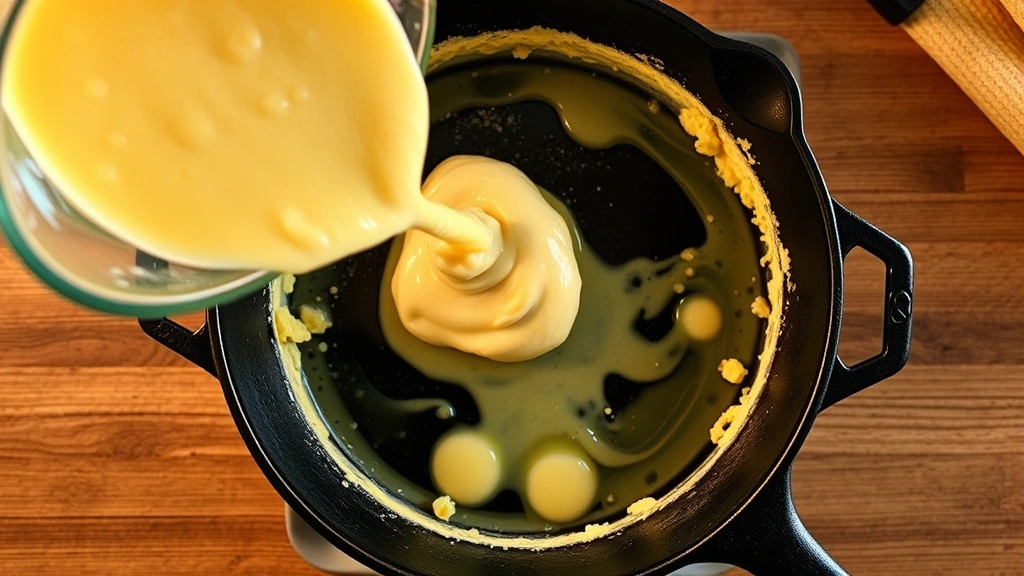
- Carefully remove the preheated pan from the oven and add the 2 tablespoons of butter, swirling to coat the entire surface. The hot pan will melt the butter quickly, creating a flavorful crust.
- Pour the batter into the prepared pan. It should sizzle slightly as it hits the hot surface. This creates the signature crispy, golden exterior while the interior remains moist.
- Bake for 25-30 minutes until a toothpick inserted in the center comes out with just a few moist crumbs. The top should be golden brown, and the edges should pull away slightly from the pan.
- Cool in the pan for 5-10 minutes before turning out onto a wire rack. This brief cooling allows the cornbread to set enough to handle without falling apart, while still being warm and moist.
Pro Baking Tips for Perfect Results
Temperature matters tremendously. Use an oven thermometer to ensure your oven is actually at 400°F. Many home ovens run hot or cold, which dramatically affects baking time and moisture retention. If your oven runs hot, reduce the temperature by 25°F and add a few minutes to the baking time.
Don’t skip the buttermilk. While regular milk might seem like an acceptable substitute, buttermilk’s acidity is crucial for texture and flavor. If you don’t have buttermilk, make a substitute by adding one tablespoon of lemon juice or vinegar to regular milk and letting it sit for five minutes.
Use a cast iron skillet when possible. Cast iron retains heat beautifully and creates an exceptionally crispy, golden crust. However, a regular baking pan works fine too—just add two or three extra minutes to the baking time.
Mix minimally. Overmixing is the enemy of moist cornbread. Mix only until the dry and wet ingredients are combined. A few small lumps are perfectly acceptable and actually desirable. This prevents gluten development and keeps your cornbread tender.
Don’t overbake. Cornbread continues cooking slightly after you remove it from the oven. It’s better to slightly underbake than overbake. The toothpick should come out with a few moist crumbs, not completely dry.
Let it cool properly. Resist the urge to slice into hot cornbread. Allowing it to cool for at least 10-15 minutes lets the crumb set and prevents crumbling. However, serving it while still warm ensures optimal moisture and flavor.
Delicious Variations to Try
Jalapeño Cheddar Cornbread: Add ½ cup shredded sharp cheddar cheese and 2-3 diced jalapeños to the batter. This creates a savory version perfect for serving alongside chili and stews.
Sweet Honey Cornbread: Increase honey to 3 tablespoons and add ½ teaspoon vanilla extract. For extra indulgence, drizzle additional honey mixed with melted butter over the warm cornbread.
Corn and Blueberry Version: Fold in ¾ cup fresh or frozen blueberries and ½ cup corn kernels. This creates a moist, slightly sweet cornbread with delightful texture variation. Pair with homemade blueberry syrup for breakfast or brunch.
Gluten-Free Adaptation: Replace all-purpose flour with a quality gluten free dairy free baking blend. You may need to add an extra tablespoon of liquid since gluten-free flour absorbs differently. The moisture-rich nature of this recipe makes it particularly forgiving for gluten-free adaptations.
Cornbread with Herbs: Add 1 teaspoon dried thyme, ½ teaspoon dried rosemary, and ¼ teaspoon black pepper for a sophisticated, savory twist.
Storage and Make-Ahead Guide
Room Temperature Storage: Keep cornbread in an airtight container at room temperature for up to three days. The moisture content means it stays fresher longer than drier cornbread varieties. Wrap individual pieces in plastic wrap for extended freshness.
Refrigerator Storage: Cornbread keeps well in the refrigerator for up to one week in an airtight container. Cold cornbread is wonderful sliced and buttered for breakfast or warmed gently before serving.
Freezing: This moist cornbread freezes beautifully for up to three months. Wrap the entire loaf or individual pieces tightly in plastic wrap, then aluminum foil. Thaw at room temperature for several hours or reheat directly from frozen in a 350°F oven for 15-20 minutes.
Make-Ahead Batter: You can prepare the batter up to four hours ahead. Cover and refrigerate, then bring to room temperature for 15 minutes before baking. This is perfect for busy weeknights when you want fresh cornbread without the full preparation time.
Reheating Tips: Warm leftover cornbread in a 300°F oven for 10-15 minutes, wrapped loosely in foil. This restores moisture without drying it out further. Alternatively, microwave individual pieces for 20-30 seconds, though this method can sometimes create a slightly rubbery texture.
The Science Behind Moist Cornbread
Understanding the chemistry helps you troubleshoot and innovate. Cornmeal’s protein structure differs significantly from wheat flour. Cornmeal contains less gluten, which means it doesn’t develop the strong network that traps moisture as effectively. This is why adding fat (butter and sour cream) and acidic ingredients (buttermilk) is essential—they compensate by creating tender crumbs that hold moisture through different mechanisms.
The reaction between baking soda and buttermilk creates carbon dioxide bubbles that give cornbread its characteristic texture. These bubbles create air pockets that make cornbread seem lighter while actually contributing to moisture retention. The slight alkalinity of baking soda also promotes browning, which creates that appealing golden crust.
Eggs contribute emulsification—they help blend the fat and water-based ingredients into a stable, homogeneous batter. This ensures even moisture distribution throughout the cornbread. The proteins in eggs also set during baking, creating structure that supports the crumb without toughening it.
Temperature control during baking is critical because cornbread’s relatively high sugar and fat content makes it prone to over-browning. The 400°F temperature is the sweet spot—hot enough to set the exterior quickly while allowing the interior to bake gently and retain moisture.
Perfect Pairings and Serving Suggestions
This moist cornbread pairs beautifully with chili, pulled pork, fried chicken, and hearty soups. The slight sweetness complements spicy dishes, while the tender crumb works well for soaking up flavorful gravies and sauces.
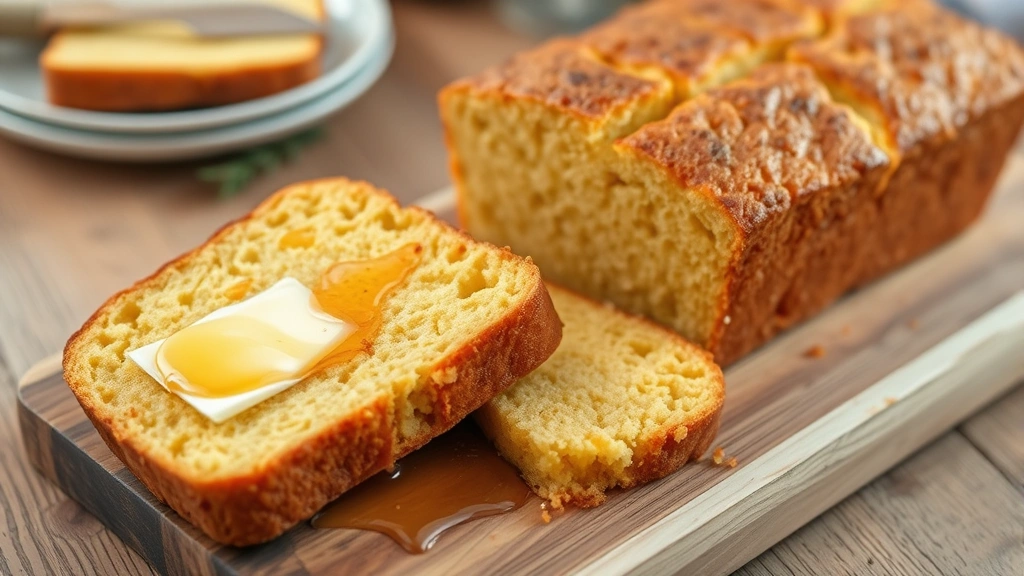
For breakfast, serve warm cornbread with butter and honey, or alongside eggs and bacon. It also makes an excellent base for savory bread puddings or croutons for salads. Leftover cornbread can be crumbled and used as a breading for fried fish or chicken.
Consider exploring healthy dessert recipes that incorporate cornbread—it can be transformed into delicious cornbread pudding with custard sauce or used as a component in creative dessert applications similar to chocolate crinkle cookies recipe variations where you play with texture and moisture.
Troubleshooting Common Issues
Cornbread is still dry: You likely overbaked it or used insufficient buttermilk and sour cream. Ensure you’re measuring liquids accurately and checking for doneness at 25 minutes rather than waiting the full 30.
Cornbread sinks in the middle: This indicates underbaking. Bake for the full time until a toothpick comes out with just a few moist crumbs. The center should be set, not jiggly.
Top browns too quickly: Your oven may run hot. Reduce temperature to 375°F and add 5 minutes to baking time. You can also tent the cornbread loosely with foil after 15 minutes if browning too rapidly.
Cornbread is too dense: Overmixing is the culprit. Mix just until ingredients combine. Also ensure your baking powder and baking soda haven’t expired—old leavening agents won’t provide adequate lift.
FAQ
Can I make this cornbread without buttermilk?
Yes, create a substitute by adding one tablespoon of lemon juice or white vinegar to one cup of regular milk. Let it sit for five minutes before using. The flavor will be slightly different, but the texture will still be moist and tender.
What’s the best cornmeal for moist cornbread?
Stone-ground cornmeal produces superior texture and flavor compared to regular cornmeal. However, it absorbs more liquid, so you may need to add an extra tablespoon or two of buttermilk if using stone-ground. Always check your batter consistency—it should be thick but pourable.
Can I substitute oil for butter?
Yes, you can use neutral oil like vegetable or canola oil in equal amounts. However, butter provides superior flavor and slightly better moisture retention. If using oil, consider adding an extra tablespoon of sour cream to compensate for butter’s richness.
How do I know when cornbread is done baking?
Insert a toothpick in the center—it should come out with just a few moist crumbs, not completely clean. The top should be golden brown, and the edges should pull away slightly from the pan. If unsure, it’s better to slightly underbake than overbake.
Can I double this recipe?
Absolutely! Double all ingredients and bake in a 9×13-inch pan at 400°F for 30-35 minutes. The larger surface area may require slightly longer baking time, so check at 30 minutes and add time as needed.
Is this cornbread suitable for freezing?
Yes, it freezes beautifully for up to three months. Wrap tightly in plastic wrap and then aluminum foil. Thaw at room temperature or reheat from frozen in a 350°F oven for 15-20 minutes.
Can I add cheese or vegetables to this recipe?
Definitely! Add up to ½ cup shredded cheese, diced jalapeños, corn kernels, or other mix-ins. Fold them in gently after combining wet and dry ingredients. Don’t exceed about ¾ cup total add-ins, as excess moisture or weight can affect baking.
Why does my cornbread have a gritty texture?
This usually indicates insufficient wet ingredients or overmixing. Ensure you’re using the full amounts of buttermilk and sour cream. Also, mix only until combined—overmixing doesn’t allow the cornmeal to fully hydrate, resulting in a grainy texture.


