Napa Cabbage Stir-Fry: Chef Approved Recipe
Napa cabbage stir-fry represents one of the most versatile and foolproof dishes in Asian cuisine. This crisp, tender vegetable transforms beautifully under high heat, developing a delicate sweetness while maintaining its signature crunch. Whether you’re crafting a quick weeknight dinner or impressing guests at your table, mastering this technique opens doors to endless variations and flavor combinations.
What makes napa cabbage so exceptional for stir-frying? Its unique structure features tender inner leaves and firmer outer layers, both cooking to perfection in minutes. Unlike heartier cabbages, napa requires minimal prep work and responds beautifully to bold seasonings. The result is a dish that’s simultaneously healthy, satisfying, and restaurant-quality—achievable in your home kitchen with proper technique.
This comprehensive guide walks you through every step, from selecting the perfect cabbage to plating like a pro. You’ll discover why chefs consistently choose this method, learn pro tips that elevate your results, and explore creative variations that keep this dish exciting on repeat.
Selecting and Preparing Napa Cabbage
Choosing quality napa cabbage is your first critical step toward success. Look for heads that feel firm and dense with minimal blemishing on outer leaves. The cabbage should weigh substantially for its size—this indicates moisture content and freshness. Avoid heads with brown spots, soft patches, or an off-odor, which signal deterioration.
When examining the head, gently squeeze it. A quality napa cabbage resists pressure without feeling rock-hard. The outer leaves should display a pale yellow-green color, gradually transitioning to lighter shades as you move toward the center. These visual cues guarantee you’re selecting cabbage at peak freshness.
Preparation requires minimal effort but demands precision. Start by removing the outermost leaves and rinsing under cold running water, gently separating layers to remove any trapped soil. Pat dry thoroughly—excess moisture interferes with proper stir-frying and creates steam instead of the desired high-heat sear.
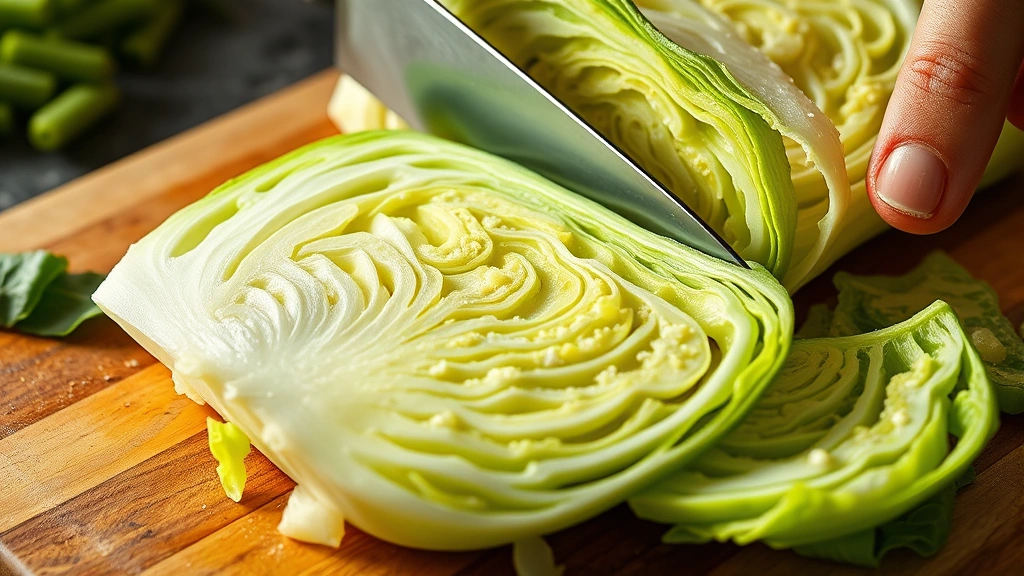
For cutting, slice the cabbage in half lengthwise, then cut each half into 1-inch-thick pieces. This size ensures even cooking while preserving structural integrity. Some chefs prefer quartering the head vertically for presentation, which works beautifully for plating. The key is consistency—uniform sizing means everything finishes cooking simultaneously.
Proper prep work, including food waste reduction through utilizing all edible portions, separates amateur cooks from professionals. Save the tender inner leaves for raw preparations and reserve outer leaves for stocks or braises.
Essential Ingredients and Substitutions
The beauty of napa cabbage stir-fry lies in its adaptability to various flavor profiles. However, certain foundational ingredients create the classic preparation that chefs prize.
Core Ingredients:
- 2 pounds napa cabbage, prepared as above
- 3 tablespoons neutral oil (vegetable, canola, or peanut)
- 4 cloves garlic, minced finely
- 1 tablespoon fresh ginger, minced
- 3 tablespoons soy sauce
- 1 tablespoon oyster sauce
- 1 teaspoon sesame oil
- 2 scallions, cut into 1-inch pieces
- 1 teaspoon white pepper
- ½ teaspoon red pepper flakes (optional)
Understanding how to make homemade sauces transforms your stir-fry repertoire. Rather than relying on bottled sauces, combining soy sauce, oyster sauce, and sesame oil creates a balanced, nuanced flavor base. This trio delivers umami depth, subtle sweetness, and aromatic complexity that commercial products rarely match.
For substitutions, tamari replaces soy sauce in gluten-free preparations without sacrificing flavor. Vegetable broth stands in for oyster sauce when cooking vegetarian, adding body and savory notes. Fish sauce, used sparingly (½ teaspoon), provides umami when oyster sauce isn’t available. Grapeseed oil or avocado oil substitute for neutral oils, each bringing subtle flavor notes.
Fresh ginger cannot be replaced by powdered versions in stir-fry applications—the fresh juice and fiber create textural complexity that powder cannot match. Similarly, fresh garlic delivers brightness that jarred preparations lack. These ingredients warrant the minimal effort required for preparation.
Stir-Fry Technique Mastery
Professional stir-frying relies on understanding heat management and timing. This cooking method demands high temperatures, rapid movement, and precise sequencing. Chefs succeed because they respect these fundamentals.
Heat Management: Your cooking vessel must reach smoking temperature before adding ingredients. This high-heat environment creates the Maillard reaction—the browning process that develops complex flavors. Insufficient heat produces steamed cabbage rather than properly seared vegetables. Use a wok or large skillet with a heavy bottom that distributes heat evenly.
Preheat your wok for 2-3 minutes over high heat. You’ll know it’s ready when a drop of water immediately sizzles and evaporates. This indicates surface temperature exceeding 400°F—ideal for stir-frying.
Mise en Place: Arrange all ingredients within arm’s reach before cooking begins. Stir-frying happens quickly; there’s no time for chopping or measuring mid-process. Professional kitchens organize mise en place religiously because it enables smooth, controlled cooking. Your mise en place should include separately prepped garlic, ginger, prepared cabbage, sauce ingredients combined in a small bowl, and scallions ready for garnish.
Oil Smoking Point: Your chosen oil must withstand high temperatures without breaking down. Peanut oil, with its 450°F smoking point, represents the ideal choice. Olive oil and butter break down at these temperatures, creating acrid flavors and nutritional degradation. Reserve finishing oils like sesame oil for post-cooking application.
Ingredient Sequencing: The order you add ingredients affects both flavor development and texture. Aromatics (garlic and ginger) go into the hottest oil first, blooming for 10-15 seconds to release volatile compounds. Cabbage follows immediately to prevent burning. This sequencing maximizes flavor while preserving textural contrast.
Step-by-Step Cooking Guide
Step 1: Prepare Your Workspace
Organize all ingredients within immediate reach. This preparation prevents scrambling during cooking and ensures proper timing. Pour combined sauce ingredients into a small bowl and position it near your cooking vessel. Have your plating dish ready.
Step 2: Heat Your Wok or Skillet
Place your wok over high heat for 2-3 minutes until it reaches the smoking stage. This temperature is non-negotiable for proper stir-frying. Test readiness by carefully holding your hand 6 inches above the surface—you should feel intense heat without touching.
Step 3: Add Oil and Create Aromatics
Pour oil into the preheated wok, swirling to coat evenly. The oil should immediately shimmer and move freely. Add minced garlic and ginger simultaneously, stirring constantly with a wooden spoon or wok spatula. Cook for exactly 10-15 seconds—longer cooking produces bitter flavors.
Step 4: Add Cabbage in Batches
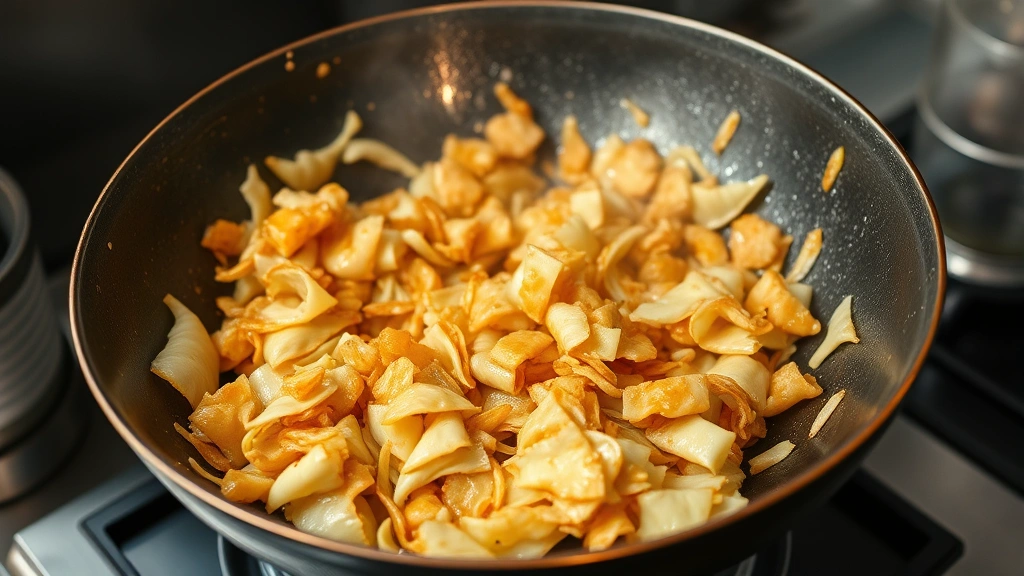
Add cabbage in two additions if your wok is crowded. Overcrowding drops temperature and creates steam. Add the first batch, stirring constantly for 2-3 minutes until edges begin browning. Cabbage should make contact with the hot surface repeatedly, developing caramelization. Add the second batch once the first has reduced in volume.
Step 5: Deglaze and Sauce
Once all cabbage is added and beginning to char at edges, reduce heat to medium-high. Pour your combined sauce mixture over the cabbage, stirring constantly. The sauce should sizzle on contact, briefly evaporating before coating everything evenly. This step takes 1-2 minutes.
Step 6: Finish with Aromatics and Sesame Oil
Add scallions and any remaining aromatics, tossing to distribute. Drizzle sesame oil over everything, stirring once more. This final step takes 30 seconds and adds aromatic complexity that transforms good stir-fry into memorable stir-fry.
Step 7: Plate Immediately
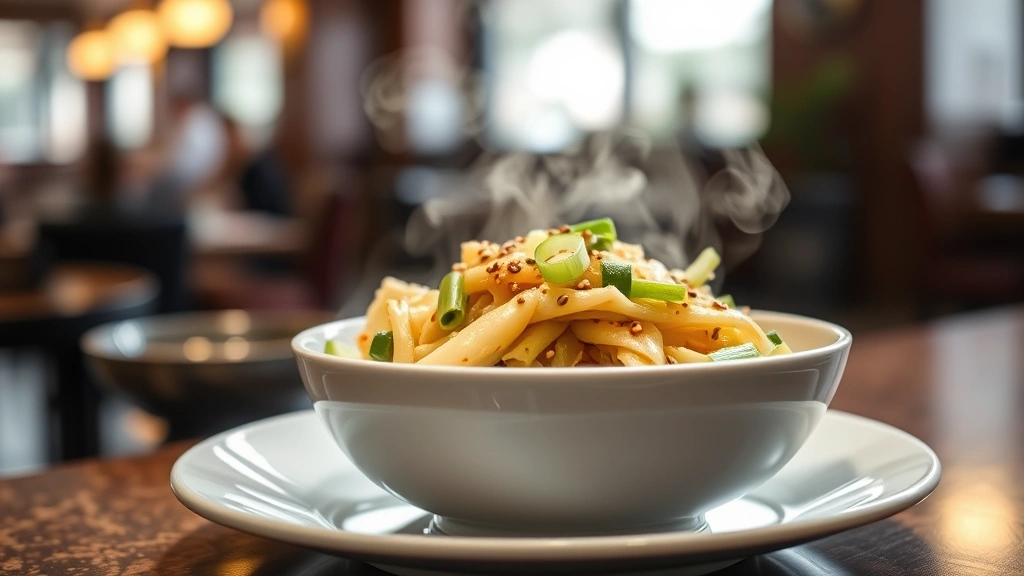
Transfer to serving dishes immediately. Unlike braised dishes, stir-fry loses textural integrity if held in the wok. The residual heat continues cooking cabbage, potentially creating mushiness. Serve with white rice, brown rice, or as a vegetable component alongside protein.
Creative Variations and Flavor Profiles
Once you’ve mastered the basic technique, countless variations await exploration. Each culture that embraces stir-frying develops regional interpretations reflecting local ingredients and preferences.
Spicy Sichuan Style: Add 1-2 tablespoons of chili oil and 1 teaspoon of Sichuan peppercorns to your sauce. The numbing sensation from Sichuan peppercorns creates a distinctive tingling on the palate. This variation pairs beautifully with steamed rice and simple protein dishes.
Garlic and Black Bean: Replace oyster sauce with fermented black bean sauce, increasing garlic to 6 cloves. This variation delivers intense umami and works excellently as a side for steak or seafood. The funky, fermented notes complement rich proteins beautifully.
Ginger-Miso Fusion: Combine 2 tablespoons white miso paste with your soy sauce, reducing soy sauce to 2 tablespoons. Add an extra tablespoon of fresh ginger and finish with a squeeze of fresh lime juice. This creates a sophisticated, umami-forward profile that elevates the dish.
Protein Additions: Stir-frying accommodates protein seamlessly. Add 1 pound sliced chicken breast or beef, cooking until just done before adding cabbage. Shrimp requires only 2-3 minutes of cooking. Tofu, pressed and cubed, benefits from a quick pan-fry before stir-frying with cabbage. These proteins turn a side dish into a complete meal.
Vegetable Combinations: Bell peppers, snap peas, baby corn, mushrooms, and carrots all work beautifully with napa cabbage. Add harder vegetables like carrots first, giving them a 1-minute head start before adding cabbage. This ensures even cooking across different vegetable types. Such additions create best healthy food recipes packed with nutrients and fiber.
Coconut Curry Style: Reduce soy sauce to 2 tablespoons and add 3 tablespoons coconut milk plus 1 tablespoon red curry paste to your sauce. This Southeast Asian variation creates creamy, aromatic complexity that feels luxurious despite minimal ingredients.
Troubleshooting Common Issues
Cabbage Turns Mushy: This results from insufficient heat or overcooking. Ensure your wok reaches smoking temperature before adding ingredients. Cook for the specified times—stir-fry is quick cooking by definition. Additionally, don’t add sauce too early; the liquid drops temperature and creates steam rather than sear.
Cabbage Remains Too Crisp: Conversely, undercooking leaves cabbage unpleasantly raw. Ensure adequate cooking time (4-6 minutes total) and confirm your heat is sufficiently high. If your wok isn’t getting hot enough, your burner may lack power. Consider using a smaller wok that fits your burner more closely, concentrating heat.
Burnt Garlic and Ginger: This bitter flavor results from cooking aromatics too long or at excessive temperature. Add them immediately before cabbage and stir constantly. If you detect burning, discard that batch and start over—burnt aromatics ruin the entire dish.
Watery Stir-Fry: This happens when cabbage releases water during cooking. Ensure you thoroughly dry cabbage after washing. Additionally, avoid overcrowding the wok—this creates steam and releases excess moisture. Cook in batches if necessary. Finally, reduce heat once sauce is added to prevent excessive simmering.
Sauce Doesn’t Coat Evenly: Add sauce only once cabbage has reduced in volume and the wok temperature has stabilized. Cold sauce hitting the hot surface creates splattering and uneven coating. Ensure your sauce ingredients are combined before cooking begins, enabling quick, smooth application.
Lacks Flavor Depth: This indicates insufficient seasoning or inadequate heat during cooking. Taste before plating and adjust seasoning as needed. Additionally, ensure you’re using quality soy sauce and fresh aromatics. Stale spices and low-quality sauces produce flat, uninspiring results. Consider umami ingredients like mushroom powder or dashi to build deeper flavor profiles.
FAQ
Can I prepare napa cabbage in advance?
Yes, you can prepare cabbage up to 4 hours ahead. Wash, dry thoroughly, and cut into pieces. Store in airtight containers in the refrigerator. However, avoid cutting more than 4 hours before cooking, as cut surfaces oxidize and lose crispness. Additionally, prepare your sauce in advance—this step takes 2 minutes and simplifies cooking day preparation.
What’s the difference between napa cabbage and regular cabbage for stir-frying?
Napa cabbage features tender, delicate leaves that cook quickly while maintaining textural contrast. Regular green cabbage is denser and requires longer cooking, often becoming mushy in stir-fry applications. Napa cabbage’s mild flavor also allows sauce ingredients to shine, whereas regular cabbage’s stronger flavor can overpower delicate seasonings. For authentic stir-fry technique, napa cabbage is essential.
Can I use a regular skillet instead of a wok?
Absolutely. While woks offer advantages through their sloped sides and concentrated heat source, a large skillet works beautifully. Ensure it’s heavy-bottomed for even heat distribution. You may need to cook in slightly smaller batches since skillets offer less surface area than traditional woks. The cooking technique remains identical—high heat, quick movement, and proper sequencing.
How do I store leftovers?
Store cooked stir-fry in airtight containers for up to 3 days. Reheat gently in a wok or skillet over medium heat, adding a splash of water to restore moisture if needed. Alternatively, incorporate leftovers into quick breakfast recipes by mixing with eggs for fried rice or adding to breakfast scrambles. Stir-fry’s versatility extends beyond dinner service.
What proteins pair best with napa cabbage stir-fry?
Chicken breast, shrimp, and beef all work excellently. Additionally, tofu creates a satisfying vegetarian option. For maximum flavor, choose proteins that benefit from sauce absorption—tender cuts like chicken breast or shrimp showcase the sauce beautifully. Alternatively, consider serving stir-fry alongside separately prepared proteins rather than mixing them directly into the wok.
Can I make this dish gluten-free?
Yes. Substitute tamari for soy sauce and ensure your oyster sauce is gluten-free (many brands contain wheat). Verify that all other ingredients lack hidden gluten sources. The cooking technique remains entirely unchanged, making this dish naturally adaptable to dietary restrictions.
How do I enhance the umami depth?
Beyond oyster sauce and soy sauce, consider adding 1 tablespoon of fish sauce, ½ teaspoon mushroom powder, or 1 tablespoon of miso paste to your sauce. These ingredients amplify savory depth without overwhelming delicate cabbage flavors. Layer multiple umami sources for sophisticated, restaurant-quality results. Additionally, how to preserve herbs ensures you always have fresh aromatics available for maximum flavor impact.
What’s the best rice to serve alongside stir-fry?
Jasmine rice represents the classic pairing, offering subtle floral notes that complement stir-fry beautifully. Alternatively, steamed white rice provides neutral flavor that lets stir-fry shine. Brown rice adds nutritional value and nutty undertones. Avoid heavily seasoned rice varieties that compete with carefully balanced stir-fry flavors. Plain, steamed rice allows the dish to be the star.


