Old Fashioned Recipe? Grandma’s Secret to Timeless Comfort Food
There’s something magical about recipes passed down through generations. An old fashioned recipe carries more than just ingredients and instructions—it embodies memories, traditions, and the wisdom of cooks who perfected their craft over decades. Grandma’s secrets aren’t always about exotic techniques or rare ingredients; they’re about understanding the fundamentals of cooking and applying them with patience and love.
When we talk about classic recipes from yesteryear, we’re celebrating a time when home cooking was an art form, when families gathered around tables to share meals prepared with intention and care. These timeless dishes have survived for good reason: they taste incredible, they’re relatively simple to execute, and they bring people together. Whether you’re looking to recreate your grandmother’s famous dish or discover new old fashioned recipes to add to your repertoire, understanding the core principles behind these classics will transform your cooking.
What Makes a Recipe Truly Old Fashioned
An old fashioned recipe is defined by its simplicity, accessibility, and time-tested results. These aren’t recipes that rely on trendy ingredients or complicated plating techniques. Instead, they focus on quality fundamentals: proper seasoning, correct cooking temperatures, and understanding how flavors develop during the cooking process. Grandma’s secrets often involve knowing why you do something, not just following steps mechanically.
The hallmark of authentic vintage recipes is their ingredient list. You’ll rarely find more than a dozen components in a traditional dish. This constraint forced cooks to be creative with technique rather than relying on numerous ingredients to create complexity. When you make ground beef and rice recipes the old fashioned way, you’re working with beef, rice, onions, broth, and basic seasonings—yet the result is deeply satisfying because each component is treated with respect.
The cooking methods themselves tell a story. Slow simmering, careful browning, and patient reduction were born out of necessity when kitchens had wood-burning stoves. Grandma learned that you can’t rush good food, and this philosophy remains true whether you’re cooking on a vintage cast iron or a modern stovetop.
Essential Techniques Grandma Knew
Mastering old fashioned cooking requires understanding several fundamental techniques that form the foundation of culinary tradition. These methods have been refined over centuries and remain the backbone of professional cooking today.
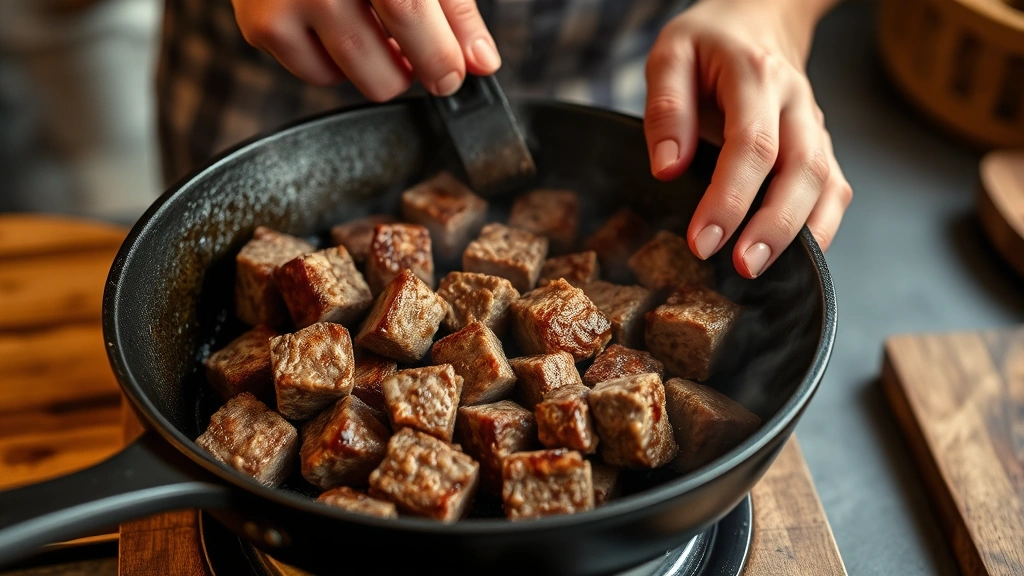
The Perfect Sear: Creating a golden-brown crust on meat isn’t just about appearance—it’s about developing complex flavors through the Maillard reaction. Grandma understood that proper heat and dry surfaces were essential. She’d pat meat dry, use hot fat, and resist the urge to move things around in the pan. This technique applies whether you’re preparing beef stew, pot roast, or the base for caldo de pollo recipe foundations.
Building Flavor Layers: Traditional cooking builds flavor gradually. Start by caramelizing aromatics like onions and garlic. Add tomato paste and cook it in the fat for a minute to deepen its flavor. This approach, called blooming, intensifies ingredients before adding liquids. It’s the difference between a flat-tasting dish and one with genuine depth.
The Art of Reduction: Before modern conveniences, cooks used reduction to concentrate flavors and create natural thickening. Simmering a sauce uncovered allows water to evaporate, intensifying taste and improving texture. This technique transforms a thin braising liquid into something luxurious and coating.
Proper Seasoning Throughout: Grandma seasoned in layers, tasting constantly. She understood that salt added at the beginning of cooking distributes differently than salt added at the end. She knew that acid (vinegar, lemon juice, tomatoes) can brighten flavors that taste flat, and that fresh herbs added at different times contribute different qualities.
Temperature Control: Without thermometers, experienced cooks developed intuition about doneness through touch and visual cues. Learning to judge doneness by feel—pressing meat and comparing the resistance to the fleshy part of your hand—is a skill that transfers across countless dishes.
Classic Ingredients That Never Go Out of Style
The pantry staples that Grandma relied on are still the foundation of excellent cooking. Understanding these ingredients and their properties will unlock your ability to cook with confidence.
Onions and Garlic: These aromatic foundations appear in nearly every savory old fashioned recipe. Yellow onions become sweet and mellow when cooked slowly, while garlic transforms from pungent to creamy and nutty. Learning how to properly cook these vegetables is step one in mastering traditional cooking.
Quality Fats: Butter, lard, and good olive oil were Grandma’s secret weapons. Fat carries flavor and creates texture. It’s not something to fear but to use intentionally. A little butter at the end of a sauce creates a silky finish that can’t be replicated any other way.
Broth and Stock: Homemade stock was always simmering on Grandma’s stove. This liquid gold added depth to rice dishes, soups, and braises. Even when store-bought broth is acceptable, understanding how to make basic stock will improve your cooking exponentially.
Dried Herbs and Spices: Before fresh herbs were available year-round, cooks relied on dried versions. Thyme, oregano, bay leaves, and black pepper were kitchen essentials. These dried herbs have more concentrated flavor than fresh, so they’re used differently—added early in cooking to infuse their essence into the dish.
Vinegar and Acid: A splash of vinegar or lemon juice at the end of cooking brightens flavors and makes dishes taste more alive. This was Grandma’s secret for making simple ingredients taste complex.
Building Flavor the Traditional Way
Creating depth of flavor in old fashioned recipes follows a proven formula that works across different cuisines and dish types. Understanding this formula will improve every savory dish you make.
Start with fat and aromatics. Heat your fat (butter, oil, or rendered meat fat) and add diced onions. Cook them low and slow until they’re soft, golden, and sweet—this takes 8-10 minutes. Don’t rush this step; it’s the foundation of everything that follows. Add minced garlic and cook another minute until fragrant.
Next comes the protein development stage. If you’re using meat, remove the aromatics and brown the meat in batches, ensuring good contact with the hot pan. Don’t overcrowd the pan; this is crucial for proper browning. Once browned, set the meat aside and deglaze the pan with a splash of liquid, scraping up all the flavorful browned bits (called the fond).
The flavor building phase comes next. Return the aromatics to the pan, add tomato paste or other concentrated flavoring, and cook for a minute or two. Add spices and herbs, cooking them in the fat to bloom their flavors. This is why recipes say to add dried herbs at the beginning—they need time to infuse their essential oils into the cooking medium.
Then add your liquid and primary ingredients. Whether you’re making a braise, stew, or jasmine rice recipe with broth, add your liquid and bring to a simmer. Cover and cook low and slow, allowing flavors to meld and proteins to become tender.
Finally, the finishing touches matter tremendously. Taste and adjust seasoning. Add fresh herbs if the recipe calls for them. A squeeze of acid brightens everything. A knob of butter stirred in at the end creates richness. These final steps transform good food into memorable food.
Adapting Vintage Recipes for Modern Kitchens
The beauty of old fashioned recipes is that they adapt beautifully to modern equipment and lifestyles. You don’t need a wood-burning stove or cast iron cookware to create traditional dishes, though these tools certainly have their place.
Using Modern Equipment: A slow cooker or instant pot can replicate the slow, gentle cooking that Grandma’s recipes require. The results differ slightly from stovetop cooking, but the fundamental flavors remain. If you’re using a slow cooker, reduce the liquid by about 25% since very little evaporates during slow cooking. Instant pots require adjustments to cooking time but produce excellent results with less hands-on time.
Ingredient Substitutions: While the spirit of old fashioned cooking respects traditional ingredients, thoughtful substitutions are acceptable. Use better quality broth than was available to previous generations. Fresh herbs can replace dried in a 3-to-1 ratio (three tablespoons fresh for one tablespoon dried). However, avoid substituting fundamental ingredients; there’s a reason Grandma used what she did.
Scaling Recipes: Many old fashioned recipes were written for larger families and multiple servings. Modern kitchens can scale these recipes down, though you might discover that cooking in smaller quantities requires slightly adjusted cooking times and careful attention to prevent burning.
Time Management: Traditional recipes often require advance planning. Making stock, marinating meat, or allowing dough to rise takes time. Plan your cooking schedule accordingly, or use store-bought versions of time-intensive components when necessary. The goal is to enjoy the cooking process and produce excellent food, not to stress yourself unnecessarily.
Popular Old Fashioned Dishes Worth Learning
Certain recipes have endured because they’re delicious, relatively forgiving, and deeply satisfying. Learning to master these classics will build your cooking confidence and give you dishes to return to throughout your life.
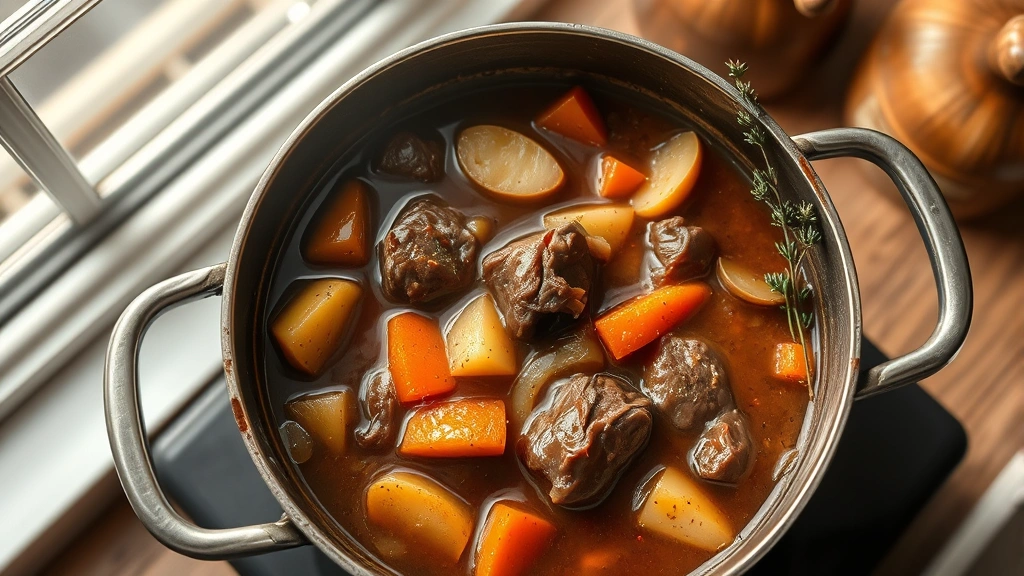
Beef Stew: This ultimate comfort dish teaches you everything about building flavor and creating tender meat. Brown your beef, build aromatics, add tomato paste and herbs, deglaze with red wine or broth, then simmer until the meat is fall-apart tender. Root vegetables added toward the end maintain their texture. This is where you learn that slow cooking transforms tough cuts into luxurious meals.
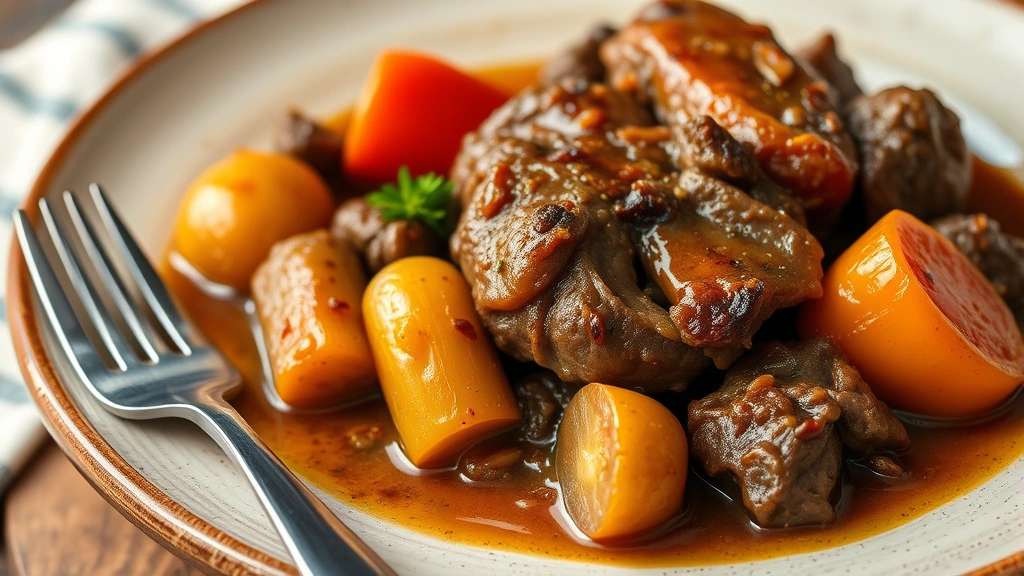
Pot Roast: A single piece of beef, seared and braised with vegetables and broth, teaches you about heat management and patience. The long, slow cooking allows connective tissue to break down into gelatin, creating sauce naturally. Understanding pot roast gives you skills applicable to countless braises.
Rice Dishes: Whether you’re making yellow rice recipe versions or simple rice pilaf, learning to cook rice properly is fundamental. The ratio of liquid to rice, the toasting of grains before adding liquid, and the resting period afterward all contribute to proper texture.
Soups and Broths: From chicken soup to beef broth, learning to make these from scratch teaches you about extraction, seasoning, and the power of simple ingredients cooked for extended periods. A basic vegetable broth simmered for hours develops more flavor than one made in thirty minutes.
Roasted Meats: Whole chickens, roasts, and cuts of meat roasted in the oven teach you about temperature, resting, and carryover cooking. The dry heat of the oven creates crispy exteriors while the interior remains juicy. This technique, refined over centuries, remains the best way to cook certain cuts.
Casseroles and One-Pot Meals: Many old fashioned recipes combine protein, vegetables, and starch in a single dish. These meals are economical, efficient, and delicious. Understanding how to layer flavors in a casserole teaches you about cooking chemistry and ingredient compatibility.
If you’re interested in ground beef and rice recipes, you’ll find countless old fashioned variations that combine seasoned ground beef with rice and vegetables. These dishes appear in cuisines worldwide because they’re satisfying, affordable, and endlessly adaptable.
For something different, explore crispy rice recipe variations that use traditional techniques to create texture contrast. Or discover how hawaiian mac salad recipe demonstrates how traditional cooking methods adapt across cultures.
Professional chefs and culinary educators emphasize that understanding classical cooking techniques provides the foundation for all modern cooking. Resources like The Culinary Arts Institute and Serious Eats offer deep dives into traditional cooking methods with scientific explanations. The Institute of Food Technologists provides research-backed information about how cooking methods affect food at a molecular level. For hands-on learning, King Arthur Baking Company’s blog offers detailed explanations of traditional baking techniques and ingredient interactions.
FAQ
What’s the difference between an old fashioned recipe and a modern recipe?
Old fashioned recipes typically use fewer ingredients, rely more on technique than convenience products, and involve longer cooking times. They emphasize understanding why you’re doing something rather than just following steps. Modern recipes often incorporate convenience products, shorter cooking times, and more ingredients, though excellent modern recipes still respect traditional principles.
Can I make old fashioned recipes with modern equipment?
Absolutely. While cast iron and wood-burning stoves have charm, modern equipment works beautifully for traditional recipes. Slow cookers, instant pots, and modern ovens produce excellent results. The key is understanding the principles behind the recipe so you can adapt cooking times and methods as needed.
How do I know if a recipe is authentically old fashioned?
Look for recipes with short ingredient lists, techniques that build flavor gradually, and cooking methods that seem to take a long time. Authentic old fashioned recipes often come from family collections, regional cookbooks, or culinary history sources. They should feel simple in concept but require attention to detail in execution.
What’s Grandma’s secret to making everything taste better?
Patience, tasting constantly, and understanding that salt, acid, and fat are your best friends. Grandma knew that rushing the caramelization of onions or skipping the deglazing step would result in flat-tasting food. She seasoned in layers and adjusted at the end. She understood that a squeeze of lemon juice or a splash of vinegar could transform a dish from good to remarkable.
Are old fashioned recipes economical?
Yes. Traditional recipes developed during times when ingredients were expensive and waste was unacceptable. They use affordable cuts of meat (which benefit from long, slow cooking), seasonal vegetables, and pantry staples. Learning to cook this way is both delicious and budget-friendly.
How do I start learning old fashioned cooking?
Begin with a single dish that appeals to you—perhaps beef stew, pot roast, or a rice dish. Make it several times, noting what works and what you’d change. Learn the fundamental techniques: searing, building aromatics, deglazing, and seasoning. Once you understand these principles, you can apply them to countless recipes.


