
Old Fashioned Salmon Patties: Grandma’s Secret Recipe
There’s something magical about the recipes our grandmothers kept tucked away in worn recipe boxes. Old fashioned salmon patties represent more than just a meal—they’re a connection to simpler times, resourceful cooking, and the kind of comfort food that brings families together. This timeless dish transforms humble canned salmon into crispy, golden patties that have graced dinner tables for generations.
Salmon patties have deep roots in American home cooking, particularly in regions with strong fishing traditions. The beauty of this recipe lies in its simplicity: a few quality ingredients, straightforward technique, and the wisdom of generations combined into something truly special. Whether you’re rediscovering a family favorite or trying this classic for the first time, understanding the traditional method will help you create patties that taste like they came straight from grandma’s kitchen.
What makes these patties stand out is the balance between texture and flavor. The crispy exterior contrasts beautifully with the tender, flaky interior, while the seasonings enhance the natural richness of the salmon without overpowering it. Let’s dive into the secrets that make this old fashioned salmon patties recipe a timeless treasure.
The History and Appeal of Salmon Patties
Salmon patties emerged as a practical solution during times when home cooks needed to stretch ingredients and create satisfying meals efficiently. Canned salmon became a pantry staple in the early 20th century, offering an affordable protein source that didn’t require refrigeration. Resourceful grandmothers recognized that salmon could be transformed into something far more interesting than simple fish casseroles or spreads.
The appeal of old fashioned salmon patties extends beyond nostalgia. These patties offer genuine nutritional benefits—salmon provides omega-3 fatty acids, high-quality protein, and essential vitamins. The traditional preparation method preserves these nutrients while creating a dish that feels indulgent and special. Unlike many modern recipes that layer on heavy sauces or complicated preparations, grandma’s version lets the salmon shine while relying on basic pantry staples to create something memorable.
The cultural significance of salmon patties varies across regions. In the Pacific Northwest, where salmon fishing remains central to the economy and identity, these patties represent a direct connection to local abundance. In other regions, they symbolize thrifty, intelligent cooking—the kind that made something delicious from minimal resources. This recipe has transcended its humble origins to become a beloved comfort food appreciated across the country.
Essential Ingredients Explained
Understanding each ingredient in old fashioned salmon patties helps you make informed substitutions and appreciate the recipe’s logic. Traditional versions use remarkably few components, which means quality matters significantly.
Canned Salmon: The foundation of this dish. Choose high-quality canned salmon, preferably wild-caught if budget allows. The bones in canned salmon are soft and edible, packed with calcium, so don’t discard them—they add nutrition and help bind the patties. One 14-15 ounce can typically yields enough for 8-10 patties, depending on size.
Breadcrumbs: These act as a binder and create the crucial textural contrast. Traditional recipes use plain, unseasoned breadcrumbs or crushed saltine crackers. Panko breadcrumbs work well for extra crispiness. Some grandmothers used crushed oyster crackers for a distinctive flavor and texture.
Eggs: Essential for binding ingredients together and helping patties hold their shape during cooking. One egg typically suffices for one can of salmon, though some recipes use two for extra binding power in larger batches.
Seasonings: Old fashioned recipes typically rely on salt, pepper, and sometimes a touch of dry mustard or Worcestershire sauce. These enhance the salmon’s natural flavor without masking it. Some variations include a small amount of onion powder or finely minced fresh onion.
For those interested in expanding their seasoning knowledge, exploring homemade chicken seasoning recipes can inspire creative variations on the classic salmon patty formula.
Optional Binding Agents: A small amount of mayonnaise (about a tablespoon) helps create a creamier interior, though traditional recipes often skip this. Some cooks add a tablespoon of milk or cream to achieve the perfect moisture balance.
Oil for Cooking: Neutral oils like vegetable or canola oil work best. Some traditional recipes call for butter, which adds wonderful flavor but requires careful temperature management to prevent burning.
Step-by-Step Preparation Guide
Creating perfect salmon patties requires attention to detail in the preparation phase. Following these steps will help you achieve the texture and flavor that made grandma’s version legendary.
Step 1: Drain and Prepare the Salmon
Open your can of salmon and drain the liquid completely using a fine-mesh strainer. Place the salmon in a medium mixing bowl, using a fork to break it into smaller pieces. This step is crucial—you want to incorporate the soft bones and skin, as they provide essential nutrients and help bind the mixture. Don’t over-process the salmon; you want some texture remaining, not a completely smooth paste.
Step 2: Combine Dry Ingredients
In a small bowl, combine your breadcrumbs with salt and pepper. If using other seasonings like dry mustard (about ¼ teaspoon) or Worcestershire sauce (½ teaspoon), add them now. Mix thoroughly to distribute seasonings evenly. This prevents pockets of over-seasoning in your finished patties.
Step 3: Create the Binding Mixture
Crack your egg into a small bowl and whisk it lightly with a fork. If your salmon seems particularly dry, add a tablespoon of mayonnaise or milk to the egg mixture. This creates a more forgiving batter that holds together better during cooking.
Step 4: Combine All Ingredients
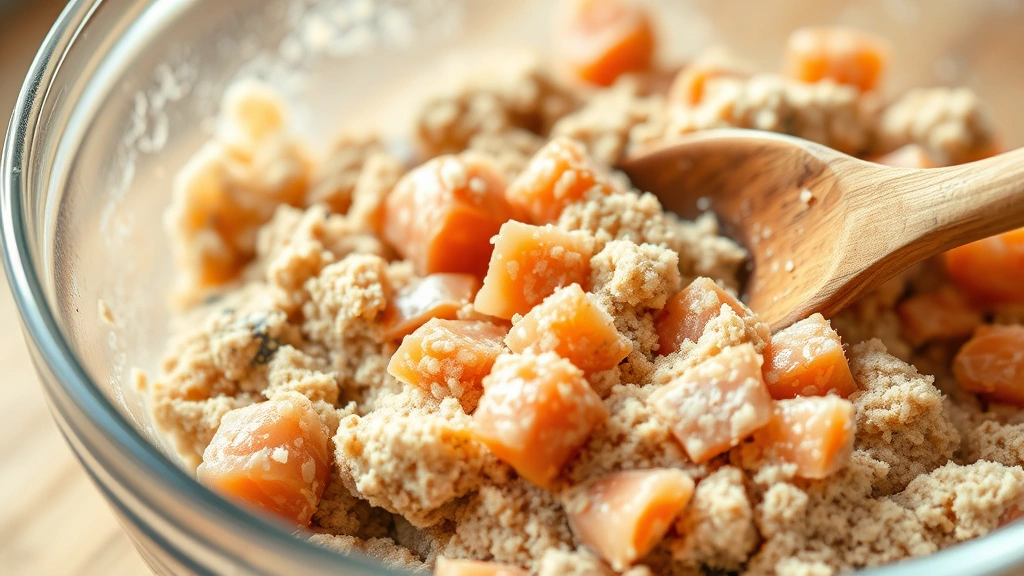
Add the breadcrumb mixture to the salmon, then pour the egg mixture over top. Using a fork or your hands (clean hands work best), gently fold everything together. Mix just until combined—overmixing develops gluten in the breadcrumbs and creates tough, dense patties. The mixture should hold together when pressed but still have some loose, flaky texture.
Step 5: Chill the Mixture
Refrigerate the salmon mixture for at least 30 minutes. This step, often skipped in modern recipes, is essential in grandma’s version. Chilling allows the breadcrumbs to fully hydrate and helps the patties maintain their shape during cooking. Some traditional recipes recommend chilling overnight for even better results.
Step 6: Shape the Patties
Remove the mixture from the refrigerator and divide it into 8-10 equal portions. Using your hands, gently shape each portion into a patty about ¾-inch thick and 3 inches in diameter. If the mixture seems sticky, lightly dampen your hands with water rather than adding more breadcrumbs, which would make the patties dry. Create a slight indent in the center of each patty with your thumb—this prevents them from puffing up during cooking.
Cooking Techniques for Perfect Results
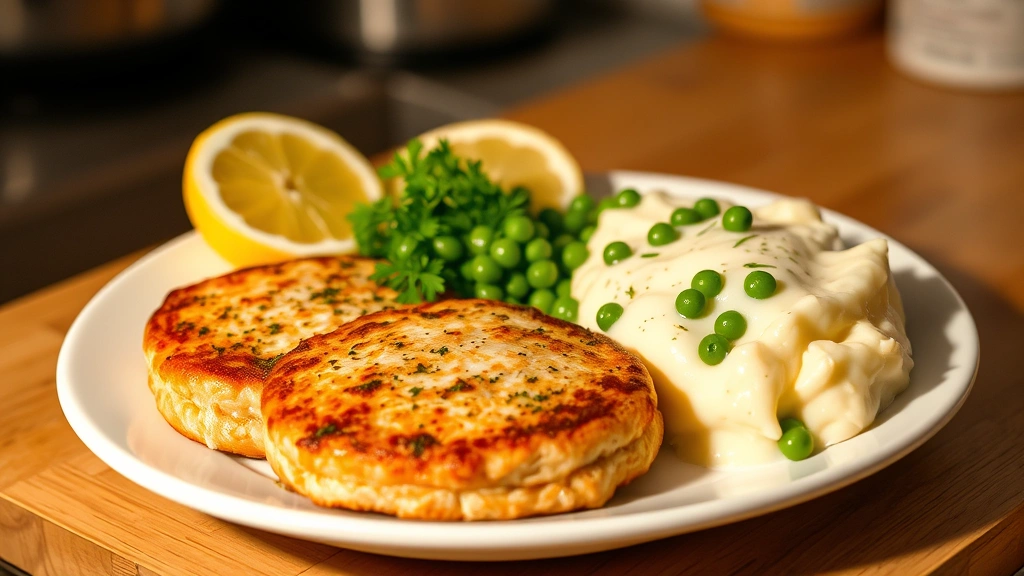
The cooking method makes an enormous difference in the final texture of your old fashioned salmon patties. Grandma likely used a cast-iron skillet on the stovetop, and this traditional method remains superior to modern alternatives.
Stovetop Pan-Frying (Traditional Method)
Heat a 10-12 inch skillet (preferably cast iron) over medium-high heat for about 2 minutes. Add 2-3 tablespoons of oil, allowing it to heat until shimmering but not smoking. Carefully place your shaped patties into the hot oil, working in batches if necessary to avoid crowding the pan. Crowded pans create steam rather than the dry heat needed for browning.
Cook the patties for 4-5 minutes on the first side without moving them. This patience is crucial—moving patties too early prevents proper browning and causes them to fall apart. You should hear a gentle sizzle, indicating the oil is hot enough. When the bottom achieves a deep golden-brown color, carefully flip using a thin spatula. Cook the second side for another 3-4 minutes until equally golden.
The patties should be crispy on the outside with a tender, moist interior. Overcooking results in dry patties, while undercooking leaves them fragile. Total cooking time typically ranges from 7-9 minutes.
Temperature Considerations
Medium-high heat provides the ideal balance. Too-low heat creates pale, greasy patties. Too-high heat browns the exterior before the interior cooks through. If your patties are browning too quickly, reduce heat slightly and extend cooking time. If they’re cooking too slowly, increase heat incrementally.
Oil Selection Impact
While vegetable oil works reliably, butter adds exceptional flavor if you manage the temperature carefully. Clarified butter (ghee) offers butter’s flavor without the milk solids that burn easily. Some traditional recipes use a combination of butter and oil for optimal flavor and stability.
Alternative Cooking Methods
While not traditional, modern cooks can bake salmon patties at 400°F for 12-15 minutes on a lightly oiled baking sheet, flipping halfway through. This method produces less crispy exteriors but requires less oil and attention. Air frying at 375°F for 10-12 minutes offers a middle ground, creating crispy exteriors with minimal oil.
For those interested in enhancing flavors, exploring bang bang sauce or katsu sauce recipes can provide exciting accompaniments that complement the traditional patties beautifully.
Serving Suggestions and Pairings
Grandma’s salmon patties shine when paired thoughtfully with complementary sides and sauces. The traditional approach emphasizes simplicity, allowing the patties themselves to be the star.
Classic Sauce Pairings
A simple tartar sauce represents the most traditional accompaniment—just mix mayonnaise with finely chopped pickles, a squeeze of lemon juice, and a touch of mustard. Some families prefer remoulade, which adds capers and a hint of paprika to the basic tartar sauce formula. Others simply serve the patties with lemon wedges, allowing diners to season to taste.
Vegetable Side Dishes
Creamed peas represent a classic pairing that appears in many old fashioned salmon patties menus. The mild, slightly sweet peas complement the rich salmon beautifully. Roasted or steamed asparagus offers a more contemporary option. Glazed carrots or simple green beans also work wonderfully, providing color and nutritional balance to the meal.
Those interested in traditional vegetable preparations might explore sauerkraut recipes for a tangy, fermented option that adds digestive benefits and interesting flavor complexity.
Starch Accompaniments
Creamy mashed potatoes provide comfort and richness that pairs beautifully with salmon patties. Buttered egg noodles offer another traditional option. Some families prefer simple white or brown rice, which provides a lighter canvas for the patties’ flavors. Crusty bread for making sandwiches transforms leftovers into something entirely new.
Salad Options
A crisp green salad with vinaigrette provides freshness and balance. Some families serve a composed salad with lettuce, tomato, cucumber, and hard-boiled eggs alongside the patties. Coleslaw, whether creamy or vinegar-based, cuts through the richness beautifully and aids digestion.
Plating for Presentation
Arrange patties slightly off-center on the plate, leaning them against a pile of mashed potatoes or other starch. Place vegetables artfully around the plate, creating visual interest. Garnish with fresh herbs if available—a sprig of parsley or a squeeze of fresh lemon adds sophistication without altering the classic flavor profile.
Storage and Make-Ahead Tips
Understanding proper storage extends the life of your salmon patties and makes them convenient for busy weeknights.
Refrigerator Storage
Cooked salmon patties keep well in an airtight container for up to 3 days. They can be eaten cold, though reheating restores their crispy exterior. To reheat, place patties in a 350°F oven for about 5 minutes, or warm them gently in a skillet over low heat for 2-3 minutes per side. Avoid microwaving, which makes them rubbery and soggy.
Freezer Storage
Both uncooked and cooked patties freeze remarkably well for up to 3 months. For uncooked patties, shape them on a baking sheet, freeze until solid (about 2 hours), then transfer to freezer bags, separating layers with parchment paper. Cook frozen patties directly from the freezer, adding 1-2 minutes to the cooking time on each side.
Cooked patties freeze similarly—freeze solid on a baking sheet before transferring to freezer bags. Reheat directly from frozen in a 350°F oven for 10-12 minutes.
Make-Ahead Preparation
The salmon mixture can be prepared up to 24 hours in advance. Cover and refrigerate until ready to shape and cook. This makes salmon patties perfect for meal prep—prepare the mixture on Sunday and cook patties throughout the week as needed.
Batch Cooking Strategy
Making a double or triple batch and freezing extras creates convenient homemade meals for future weeks. This approach takes advantage of the minimal active cooking time while providing significant convenience later.
Frequently Asked Questions
Can I use fresh salmon instead of canned?
Yes, though the result differs slightly. Use about 2 cups of flaked cooked salmon, following the same recipe proportions. Fresh salmon produces a more delicate texture and milder flavor. You may need slightly more binder (an extra egg) since fresh salmon lacks the gelatin from canned salmon’s bones and skin.
What if my patties fall apart during cooking?
This typically indicates insufficient binding. Ensure you’re using adequate egg and breadcrumbs. Make sure the mixture is properly chilled before shaping. If patties still disintegrate, add another egg or tablespoon of mayonnaise to the mixture and try again. Also verify your cooking temperature isn’t too high, which can cause premature breaking.
Can I make these patties without eggs?
Eggs provide crucial binding, but you can substitute with aquafaba (liquid from canned chickpeas), which works surprisingly well. Use about 3 tablespoons aquafaba per egg. Alternatively, a combination of mayonnaise and milk can work, though results may be less reliable.
How do I know when patties are cooked through?
The patties don’t require internal temperature checking like raw fish would. They’re fully cooked when they achieve golden-brown exteriors and feel firm when pressed gently. The interior should be hot throughout, which happens quickly given the small size and high starting temperature of the salmon mixture (already cooked from the canning process).
Why do some recipes use saltine crackers instead of breadcrumbs?
Saltines add subtle saltiness and a distinctive crunch that many people prefer. They also tend to hold moisture better, creating slightly more tender patties. If substituting, use about the same volume as breadcrumbs and crush them to similar sizes.
Can I add other ingredients to customize the recipe?
Absolutely. Finely minced onion, diced bell pepper, or fresh herbs like dill enhance the basic recipe. However, keep additions minimal—no more than ¼ cup total—to maintain the traditional character. Some variations include a touch of Old Bay seasoning or a pinch of cayenne for subtle heat.
For those interested in expanding seasoning options, exploring steak seasoning recipes might inspire creative spice blends to experiment with, though the traditional approach remains unsurpassed for authenticity.
What’s the difference between salmon patties and salmon cakes?
The terms are often used interchangeably, though some regional traditions distinguish them. Salmon cakes typically contain more binder and are baked rather than pan-fried, resulting in lighter, more cake-like texture. Salmon patties emphasize crispiness and maintain more distinct salmon texture. Grandma’s version falls firmly in the patty category.
Can I use salmon from a pouch instead of a can?
Yes, though drain the pouch thoroughly first. Pouches sometimes contain more liquid than cans. The recipe works identically otherwise, producing equivalent results.
How can I make these patties healthier?
Baking rather than pan-frying reduces oil content significantly. Using whole wheat breadcrumbs adds fiber. The recipe is already quite healthy—salmon provides excellent protein and omega-3 fatty acids. If reducing calories concerns you, baking at 400°F for 12-15 minutes reduces oil from about 2-3 tablespoons per batch to nearly zero.
For those interested in preserving herbs to use in salmon patty variations, exploring herb preservation methods allows you to maintain fresh flavors year-round, adding subtle complexity to your patties.
Should I remove the skin from canned salmon?
The skin in canned salmon is soft and completely edible, containing valuable nutrients including calcium. Traditional recipes specifically include it for binding and nutrition. If texture truly bothers you, you can remove it, but you’ll lose nutritional benefits and may need additional binder.
What external resources can help me perfect this recipe?
The Serious Eats food science guides explain the chemistry of binding agents and browning reactions. The Cuisine at Midnight culinary blog features detailed technique essays. ChefSteps offers precise temperature and timing guidance. The Culinary Institute of America provides foundational cooking technique education. Finally, the Seafood Nutrition Partnership offers detailed nutritional information about salmon varieties.


