Table of Contents
Introduction
In today’s world, the choice between organic and non-organic food has become more than just a matter of taste or health—it’s also a financial consideration that impacts your wallet and long-term well-being. With organic products often carrying a premium price and non-organic options appearing more affordable, many consumers find themselves asking: is the extra cost worth it? This is especially relevant for investors and savvy shoppers who want to balance their health goals with smart financial decisions. Understanding the nuances of organic versus non-organic food is key to making informed choices that align with both your values and budget.
The interest in organic food has surged over recent years, fueled by growing awareness of environmental sustainability, health concerns, and food safety. Studies report increasing market share and consumer demand for organic products, reflecting a shift towards more conscious eating habits. Yet for many, the financial implications of consistently choosing organic can feel daunting. This makes it essential to examine not only the health and environmental benefits of organic foods but also the economic factors influencing price, availability, and investment potential related to these food sectors.
Organic farming practices emphasize natural processes—avoiding synthetic pesticides, herbicides, and genetically modified organisms—that appeal to those seeking cleaner, less chemical-laden diets. At the same time, non-organic farming employs conventional methods which often yield larger quantities at lower costs but may raise concerns over long-term environmental impact and potential health risks from exposure to chemicals. Consumers must weigh these trade-offs in light of their personal values and financial situations.
For investors, the organic food industry represents a dynamic segment with growth opportunities connected to consumer trends, sustainability efforts, and regulatory support. Like any investment, evaluating factors such as market performance, diversification, and returns is crucial; articles on best stocks for dividend growth and investment diversification strategies offer useful insights for assessing financial commitment in this space. By understanding both the tangible and intangible benefits of organic versus non-organic food, you can better navigate your spending decisions and investment choices.
What You’ll Learn in This Guide
This comprehensive guide will help you navigate the complex comparison between organic and non-organic foods—exploring not just the scientific and environmental facts but also the financial implications that matter to today’s informed consumers and investors.
- Understanding the Differences: Learn the key distinctions between organic and non-organic foods covering farming methods, certification standards, and ingredient sourcing to appreciate what sets these options apart.
- Health and Environmental Impact: Explore how each type affects your health and our environment, including potential benefits like reduced pesticide exposure and sustainability practices that contribute to long-term ecological health.
- Cost Considerations: Dive into the price differences, factors influencing the cost of organic foods, and smart budgeting strategies that make healthier choices more accessible without overspending.
- Making Informed Choices: Get practical tips on how to evaluate your personal needs, prioritize purchases, and even explore relevant investment opportunities in food sectors to align your finances with your values.
Throughout the guide, we will unpack critical elements to empower your decisions—whether you’re shopping for your family’s pantry, managing a health-conscious budget, or considering investment strategies that reflect current food industry trends. You’ll gain clarity on what organic truly means, the science behind health claims, and the financial wisdom needed to navigate this evolving market.
By the end of this article, you’ll be equipped with the knowledge to confidently compare organic and non-organic foods in a way that suits your lifestyle, values, and financial goals. Whether your priority is nutrition, environmental responsibility, or economic efficiency, this guide provides a balanced perspective to help you make thoughtful, informed choices that resonate with your aspirations.
Let’s dive into the details and discover what you really need to know about organic versus non-organic foods—arming you with insights that go beyond labels and prices to the heart of your health and investment decisions.
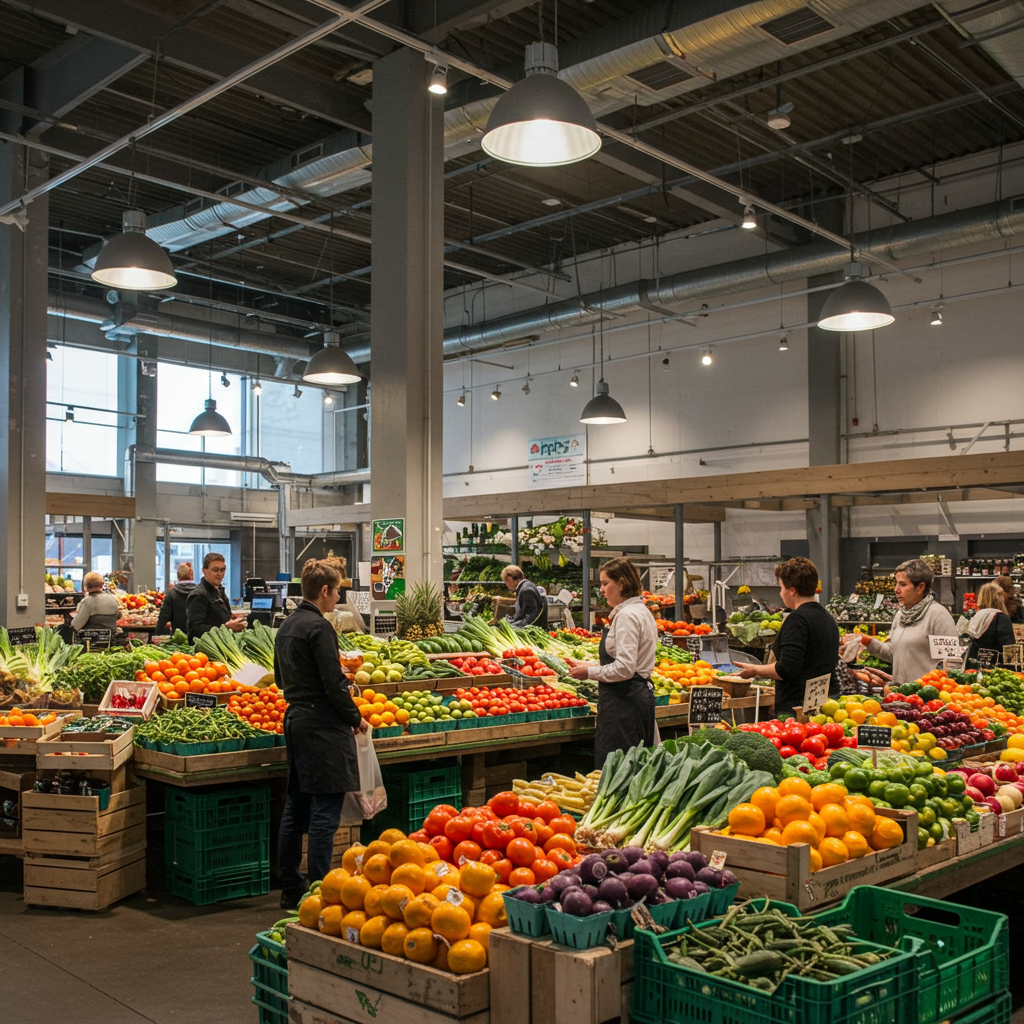
As we transition from a general overview of organic versus non-organic foods, it’s important to delve into the detailed distinctions that influence consumer choices. Understanding organic and non-organic food production involves more than just recognizing labels; it requires grasping the farming practices, health implications, environmental impact, and cost differences. These factors together empower consumers to make educated decisions about what they place on their plates. In this discussion, we’ll explore key facets such as farming methods, health benefits, and considerations that shape this ongoing debate about food quality and sustainability.
Understanding Organic Food: Principles and Practices
Organic food is defined by strict regulations and standards aimed at promoting natural processes and reducing harmful chemical inputs. Certified organic farming prohibits synthetic pesticides, herbicides, and genetically modified organisms (GMOs), instead favoring natural methods of soil and pest management. The emphasis on sustainability encourages practices like crop rotation, composting, and the use of natural fertilizers, all intended to boost soil health and biodiversity while minimizing environmental harm. Consumers attracted to organic foods often seek products grown with these ethical and ecological standards in mind.
Certification and labeling play a crucial role in authenticating organic products. To be labeled as organic, foods must meet rigorous standards set by regulatory bodies, involving both on-site inspections and documentation verification. Labels such as “USDA Organic” or equivalent certifications internationally help shoppers identify genuine organic options among numerous products. Understanding these labels gives consumers confidence that the foods they purchase meet consistent quality and production guidelines tailored to organic principles.
Key Aspects of Organic Food
When evaluating organic food, several key elements clarify what sets it apart from non-organic options. These components reflect the broader values behind organic farming and its intended benefits.
- Natural Farming Practices: Organic farms rely heavily on natural pest control methods and organic fertilizers like compost or manure, which promote healthier soil ecosystems without harmful residues. This approach ensures the food produced avoids chemical build-up common in conventional agriculture.
- Exclusion of Synthetic Chemicals and GMOs: Organic standards strictly prohibit synthetic pesticides, fungicides, and herbicides, as well as genetically modified seeds, ensuring that the food remains free from these artificial compounds.
- Sustainability and Soil Health: Organic farms focus on sustaining soil fertility through crop rotations and cover crops, reducing soil erosion, and encouraging microbial life vital for nutrient cycling. This practice benefits long-term agricultural productivity and environmental conservation.
- Certification and Transparent Labeling: Achieving organic certification involves adherence to detailed standards and verification processes. Recognizable labels provide consumer assurance and transparency in food sourcing.
Common Practices and Implications of Non-Organic Foods
Non-organic or conventional farming represents the prevalent global agricultural system aimed at maximizing yields and production efficiency. This method frequently implements synthetic pesticides and fertilizers to combat pests and enhance plant growth rapidly. Additionally, genetically modified organisms (GMOs) are commonly utilized to increase crop resistance and output. While these methods can produce higher yields, they also raise concerns about potential environmental degradation and chemical residues that may affect human health.
Conventional farming techniques are designed for intensive production and cost efficiency. However, the use of synthetic chemicals may lead to soil degradation, water pollution from chemical runoff, and negative impacts on biodiversity. Consumers often face a trade-off between affordability and potential concerns about chemical exposure and sustainability when choosing non-organic foods. Understanding how these practices differ from organic farming helps in assessing both the short-term benefits and long-term consequences of food choices.
Important Considerations for Non-Organic Food
Evaluating non-organic foods involves recognizing the agricultural practices and their broader effects on health and environment. The following points highlight the primary aspects supporting this farming approach and associated concerns.
- Use of Synthetic Inputs: Conventional farms commonly apply synthetic fertilizers and pesticides that boost crop yields quickly but may leave residual chemicals on food or in the environment.
- GMO Usage and Intensive Farming: Genetically modified crops allow for enhanced resistance to diseases and pests but ignite debates about long-term safety and ecological balance.
- Higher Yields and Affordability: Conventional agriculture’s efficiency makes food products generally more affordable and widely available, meeting the demands of a growing global population.
- Environmental Concerns: Intensive chemical use can contribute to soil erosion, water contamination, and loss of wildlife habitats, raising sustainability questions.

Conclusion
In conclusion, the distinction between organic and non-organic food significantly influences both health and environmentalwell-being. Organic food is cultivated using methods that enhance natural processes and sustainability, avoiding synthetic pesticides and GMOs, which appeals to consumers who are health-conscious and environmentally aware. While organic farming emphasizes soil health and biodiversity, non-organic farming often yields more but raises concerns about chemical exposure and long-term environmental impacts. Many consumers opt for organic foods due to perceived health benefits, with studies suggesting lower pesticide residues and higher nutrient levels in some cases.
Choosing between organic and non-organic foods requires consideration of personal health concerns, budgetary constraints, and environmental values. The increased costs of organic foods often stem from more labor-intensive farming practices and stricter regulatory requirements. Therefore, it’s essential to prioritize which items are worth investing in, perhaps focusing on the dirty dozen fruits and vegetables that consistently hold higher pesticide levels and opting for organic in those categories.
For savvy consumers and investors alike, understanding the complete landscape surrounding organic and non-organic food choices can lend itself to thoughtful decisions that align with your values and economic situation. You might consider exploring food co-ops or farmers’ markets for more affordable organic options. The organic food industry continues to grow, reflecting their rising consumer demand, and it can represent a productive avenue for potential investment in sustainable agriculture. Ultimately, making informed food choices can positively impact your health, budget, and the environment.
Further Reading
If you’re looking to delve deeper into this topic, I recommend checking out our articles on best stocks for dividend growth and investment diversification strategies to understand how consumer trends are channeling economic growth within the organic food sector.