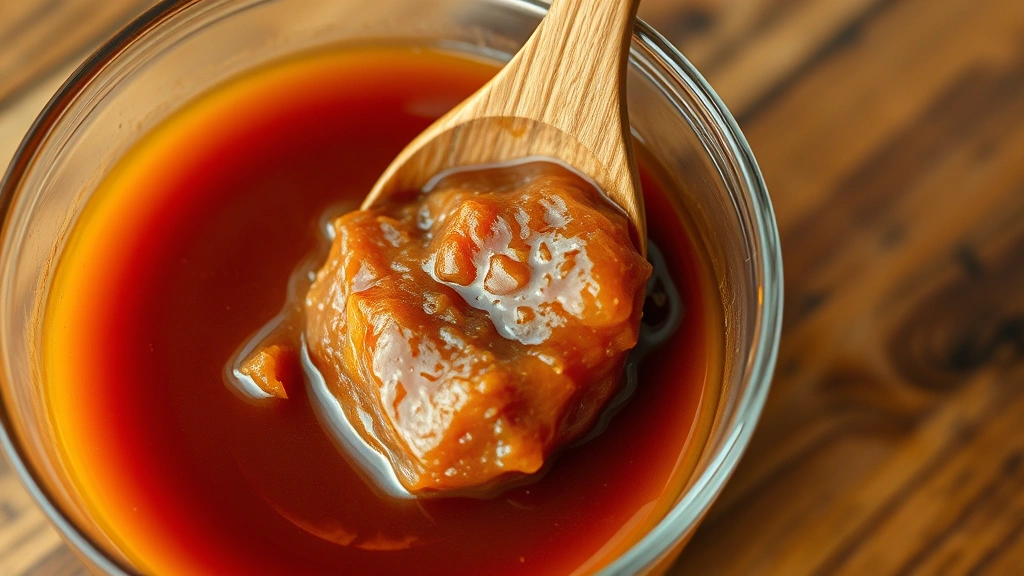
Pad Thai sauce is the soul of Thailand’s most iconic noodle dish, a perfect balance of sweet, sour, salty, and umami flavors that transforms simple rice noodles into something extraordinary. This authentic recipe guide reveals the secrets behind creating restaurant-quality pad Thai sauce at home, using traditional ingredients and techniques that have been perfected over generations. Whether you’re a home cook looking to master this beloved Southeast Asian classic or a culinary enthusiast eager to understand the chemistry behind this complex sauce, this comprehensive guide will walk you through every step.
The magic of pad Thai sauce lies not in complicated cooking methods but in understanding how each ingredient contributes to the final flavor profile. From the sourness of tamarind paste to the sweetness of palm sugar and the umami depth of fish sauce, every component plays a crucial role. By learning to balance these elements properly, you’ll be able to create a pad Thai sauce that rivals your favorite Thai restaurant, and you’ll have the flexibility to adjust flavors according to your personal preferences.
Essential Ingredients for Authentic Pad Thai Sauce
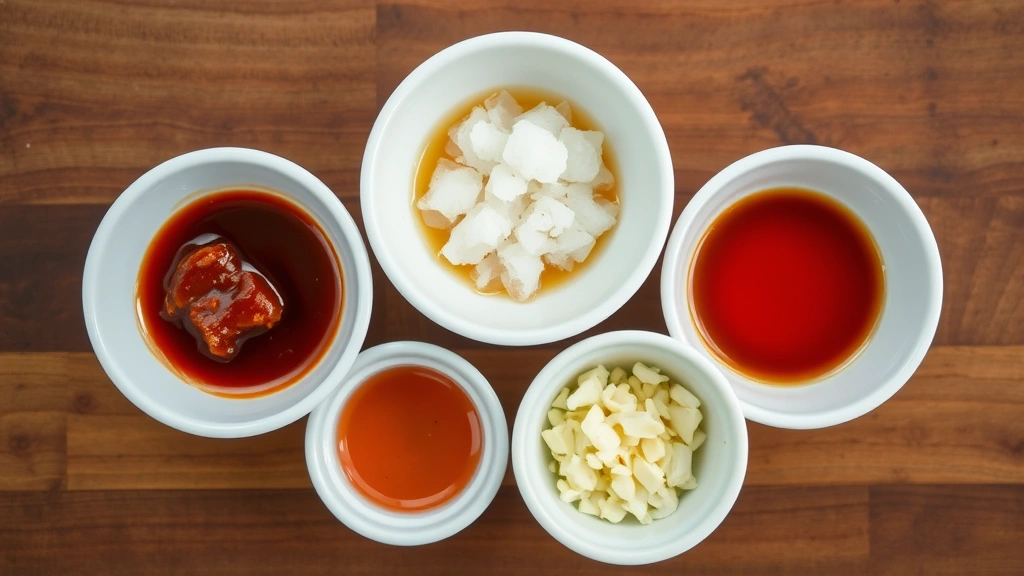
Creating an authentic pad Thai sauce requires sourcing specific ingredients that form the foundation of this iconic condiment. The primary components include tamarind paste, which provides the distinctive tangy-sour base that defines pad Thai’s flavor profile. You’ll also need palm sugar or brown sugar for sweetness, fish sauce for depth and umami complexity, and lime juice for additional brightness and acidity. These four ingredients form the core of any traditional pad Thai sauce recipe.
Beyond these basics, many authentic recipes include garlic minced finely for aromatic notes, dried red chilies or chili paste for heat, and sometimes a touch of rice vinegar for enhanced sourness. The quality of each ingredient significantly impacts the final result, so sourcing fresh, high-quality components is essential. Tamarind paste should be pure with no added sugars or preservatives, and fish sauce should smell appropriately pungent—a sign of authentic fermentation.
- 3 tablespoons tamarind paste (concentrated)
- 3 tablespoons palm sugar (or light brown sugar)
- 2 tablespoons fish sauce
- 2 tablespoons lime juice (fresh)
- 2 cloves garlic, minced finely
- 1 teaspoon dried red chili flakes (or to taste)
- 1 tablespoon water (if needed for consistency)
- Optional: ½ teaspoon rice vinegar for extra tang
Understanding Tamarind: The Sour Foundation
Tamarind is the key ingredient that distinguishes pad Thai sauce from other Asian noodle sauces. This tropical fruit pod contains a pulpy interior with a naturally sour, slightly fruity flavor that cannot be replicated by lemon or vinegar alone. Understanding tamarind’s unique properties helps you appreciate why it’s so essential to authentic pad Thai.
When shopping for tamarind, you’ll encounter several forms: whole pods, tamarind pulp, tamarind concentrate, and tamarind paste. For pad Thai sauce, tamarind paste or concentrate is most convenient and provides consistent results. The concentrated version has water already removed, making it easier to measure and mix into your sauce. One tablespoon of concentrate typically equals three tablespoons of regular tamarind pulp mixed with water, so adjust your recipe accordingly based on which form you purchase.
The sourness of tamarind varies by brand and origin, so you may need to adjust the quantity slightly. Start with the recommended amount, taste your sauce, and add more tamarind paste if you prefer a tangier result. The paste should dissolve smoothly into your sauce when mixed with fish sauce and lime juice, creating a cohesive, well-integrated flavor base.
“>
Balancing Sweet, Sour, Salty, and Umami
The art of creating exceptional pad Thai sauce lies in achieving perfect balance among four fundamental flavor dimensions. Sour comes primarily from tamarind paste and lime juice, providing brightness and cutting through rich noodles. Sweet is delivered by palm sugar, which adds smoothness and rounds out sharp flavors. Salty comes from fish sauce, which also contributes substantial umami—that savory, mouth-filling sensation that makes food taste more satisfying and complete.
Start by dissolving your tamarind paste in a small bowl with a tablespoon of warm water, breaking it up with a spoon until it becomes a smooth liquid. In the same bowl, add your fish sauce, which will integrate with the tamarind. Next, add your palm sugar and stir until it dissolves completely. The sugar should disappear into the liquid, creating a uniform sauce. Finally, add fresh lime juice and minced garlic, stirring everything together thoroughly.
Taste your sauce at this point and make adjustments. If it’s too sour, add a bit more palm sugar. If it’s too sweet, add more tamarind paste or lime juice. If it lacks depth, you might need slightly more fish sauce. This balancing act is where personal preference comes into play—some people prefer a tangier sauce, while others like it sweeter. The beauty of making pad Thai sauce at home is the ability to customize it to your exact taste preferences.
When working with chili seasonings, remember that heat should complement rather than overpower the other flavors. Add dried chili flakes gradually, tasting as you go, because you can always add more heat but cannot remove it once added. A good pad Thai sauce should make your mouth water with anticipation, not burn with overwhelming spice.
Step-by-Step Preparation Method
Creating pad Thai sauce is straightforward when you follow a systematic approach. Begin by gathering all your ingredients and measuring them precisely—this ensures consistency and prevents the need for major adjustments later. Have a small mixing bowl, a spoon, and a small whisk or fork ready for combining ingredients.
Step 1: Prepare Your Tamarind Base
Pour three tablespoons of tamarind paste into your mixing bowl. Add one tablespoon of warm water and stir vigorously with a spoon, breaking up any lumps. The mixture should become a smooth, pourable consistency. If it remains too thick, add another half tablespoon of water and continue stirring until smooth.
Step 2: Integrate Fish Sauce
Add two tablespoons of fish sauce to your tamarind mixture. Stir well, incorporating it completely. You’ll notice the mixture becomes slightly more liquid and develops a complex aroma. Fish sauce is pungent on its own but becomes mellowed and integrated as it combines with the other ingredients.
Step 3: Dissolve the Sweetener
Add three tablespoons of palm sugar to the mixture. Stir continuously until the sugar completely dissolves. You should not see any granules remaining in the sauce. This may take one to two minutes of steady stirring. If the sugar resists dissolving, you can warm the mixture slightly by placing the bowl over a pot of hot water for 30 seconds, then stirring again.
Step 4: Add Brightness and Aromatics
Squeeze fresh lime juice directly into the sauce—about two tablespoons—and add your minced garlic. Stir everything together thoroughly. The lime juice adds brightness and helps balance the salt and umami from the fish sauce.
Step 5: Adjust Heat Level
Add one teaspoon of dried red chili flakes, starting with a smaller amount if you prefer milder heat. Stir well and taste. Add more chili if desired. Some cooks prefer chili paste instead of flakes; if using paste, start with ½ teaspoon and adjust upward.
Step 6: Final Taste Test and Adjustments
Now comes the critical tasting phase. Take a small spoon of sauce and evaluate each flavor dimension. Is it sour enough? Sweet enough? Does it have sufficient depth? Make note of what adjustments are needed. Add ingredients in small increments: ½ teaspoon at a time for any adjustment. Stir well after each addition and taste again. This methodical approach prevents over-correcting and ensures you achieve your desired flavor profile.
Your finished sauce should be smooth, well-integrated, and pourable. It should coat a spoon lightly but flow freely. If it seems too thick, thin it with a teaspoon of water at a time. If too thin, you can add a tiny bit more tamarind paste or reduce it by simmering gently for one minute.
Recipe Variations and Adaptations
While the classic pad Thai sauce recipe is excellent, many variations exist throughout Thailand and in home kitchens worldwide. Understanding these variations helps you customize the sauce to match your preferences or dietary requirements.
Vegetarian and Vegan Version
For those avoiding fish sauce, Thai vegan cooking resources suggest substituting soy sauce or tamari for fish sauce to maintain umami depth. Use two tablespoons of soy sauce combined with one tablespoon of miso paste dissolved in warm water. This combination provides similar savory depth while keeping the sauce completely plant-based. Alternatively, use coconut aminos, which provide umami without animal products.
Spicier Version
If you love heat, increase dried chili flakes to two teaspoons or use Thai bird’s eye chili peppers minced fresh. Some cooks make a chili paste by grinding dried chilies with a mortar and pestle, then adding it to the sauce. This creates a more intense, fresher heat compared to dried flakes. Explore our healthy chili recipe for inspiration on working with chilies.
Tangier Version
For a more sour profile, increase tamarind paste to four tablespoons and add one tablespoon of rice vinegar. This creates a sharper, more complex sourness that some prefer. This variation works particularly well if you’re using the sauce on sweeter noodle dishes or with protein-heavy pad Thai preparations.
Sweeter Version
Increase palm sugar to four tablespoons for a sweeter sauce that appeals to those with less adventurous palates or when serving to children. The sweetness will be more prominent but should still be balanced by the sour and salty elements.
Garlic-Forward Version
Some regional Thai preparations emphasize garlic more heavily. Increase minced garlic to four cloves, or use roasted garlic for a deeper, sweeter garlic flavor. This variation pairs beautifully with protein-rich pad Thai preparations and adds complexity to the overall dish.
“>
Storage and Make-Ahead Tips
One of the greatest advantages of making pad Thai sauce at home is the ability to prepare it in advance, saving time on busy weeknights. Properly stored pad Thai sauce maintains its quality for extended periods, allowing you to keep a batch ready whenever inspiration strikes.
Refrigerator Storage
Transfer your finished sauce to a clean glass jar or airtight container and refrigerate. Properly stored pad Thai sauce will keep for up to two weeks in the refrigerator. The flavors may intensify slightly as the ingredients continue to meld together, actually improving the sauce over the first few days. Before using refrigerated sauce, stir well to recombine any separated ingredients.
Freezer Storage
For longer storage, freeze pad Thai sauce in ice cube trays, then transfer frozen cubes to freezer bags. This method allows you to use exactly the amount needed without thawing the entire batch. Frozen sauce cubes will keep for up to three months. Thaw at room temperature for 15 minutes or add directly to hot noodles and stir until the sauce melts and coats the noodles evenly.
Make-Ahead Strategy
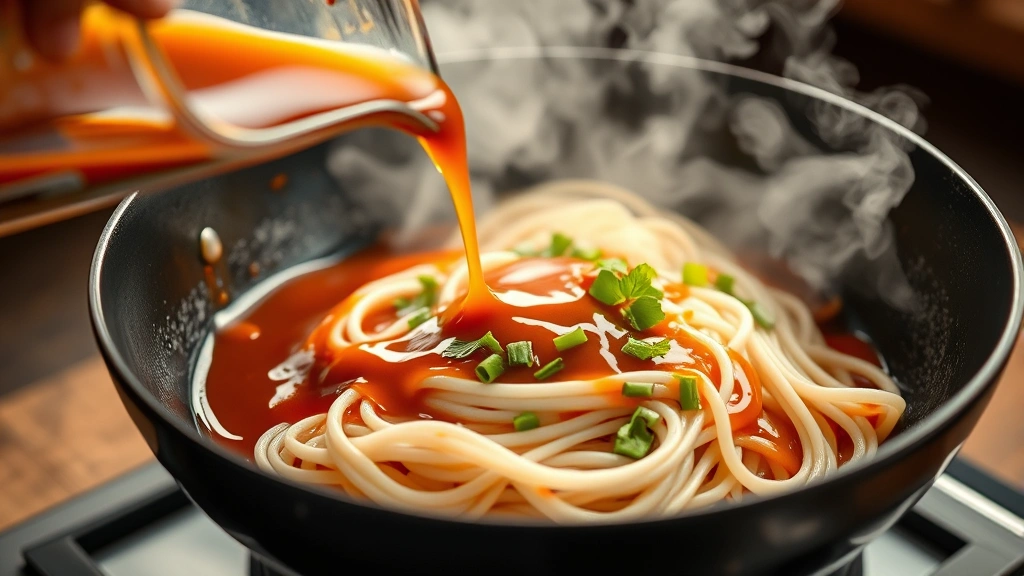
Consider making a larger batch of pad Thai sauce on Sunday and portioning it for use throughout the week. This approach works particularly well if you frequently prepare pad Thai or use the sauce in other Asian noodle dishes. Label your containers with the date prepared to track freshness. When ready to cook, simply warm your noodles and toss with the prepared sauce—dinner is ready in minutes.
Ingredient Substitutions for Convenience
If you find yourself frequently without fresh lime juice, you can substitute bottled lime juice in a pinch, though fresh always produces superior flavor. Some cooks keep pre-minced garlic in the refrigerator or freezer for quick sauce preparation. However, avoid pre-made garlic paste if possible, as it often contains additives that affect the sauce’s clean, authentic flavor. Similarly, while fresh tamarind is ideal, quality tamarind paste works excellently and stores indefinitely in a cool, dark cupboard.
FAQ
Can I make pad Thai sauce without fish sauce?
Yes, absolutely. While fish sauce is traditional and provides authentic umami depth, you can substitute it with soy sauce, tamari, or miso paste mixed with water. Use two tablespoons of soy sauce combined with one tablespoon of miso dissolved in warm water for the best results. The flavor will differ slightly from traditional pad Thai, but it will still be delicious and satisfying.
What if my tamarind paste is too thick?
Tamarind concentrate varies in consistency depending on the brand. If yours is very thick, warm it slightly in a microwave for 10-15 seconds, then stir in water one teaspoon at a time until you reach a pourable consistency. Alternatively, you can thin it when mixing with other sauce ingredients—the fish sauce and lime juice will help loosen it up.
How do I know if my pad Thai sauce is balanced?
A well-balanced pad Thai sauce should make your mouth water. You should taste sourness, sweetness, saltiness, and umami, with no single flavor overwhelming the others. The sauce should feel complete and satisfying on your palate. If one flavor dominates, make small adjustments by adding more of the opposite flavor element.
Can I adjust the spice level after the sauce is made?
Yes, you can always add more chili flakes or chili paste to increase heat. However, removing spice is much more difficult. If you’ve added too much heat, you can dilute the sauce slightly with lime juice or add a bit more palm sugar to balance the spice. For future batches, start with less chili and taste as you go.
Is palm sugar essential, or can I use regular sugar?
While palm sugar provides a more complex, slightly caramel-like sweetness that’s more authentic, light brown sugar or coconut sugar work as acceptable substitutes. Avoid granulated white sugar if possible, as it lacks the depth of flavor that brown or palm sugar provides. Use the same quantity as you would palm sugar.
How long does homemade pad Thai sauce last?
Properly stored in an airtight container in the refrigerator, pad Thai sauce will keep for up to two weeks. In the freezer, it will maintain quality for up to three months. Always check for off odors or unusual appearance before using sauce that’s been stored for an extended period.
Can I use bottled lime juice instead of fresh?
While fresh lime juice is preferable for the brightest, most authentic flavor, bottled lime juice works in a pinch. Use the same quantity, but be aware that the flavor may be slightly less vibrant. Avoid lime juice concentrate, which is too strong and will make your sauce overly sour.
What’s the difference between tamarind paste and tamarind concentrate?
These terms are often used interchangeably, but tamarind concentrate is typically more refined and has had more water removed, making it thicker and more intensely flavored. Tamarind paste may contain slightly more moisture. When substituting, start with slightly less concentrate than you would paste, as it’s more concentrated in flavor.


