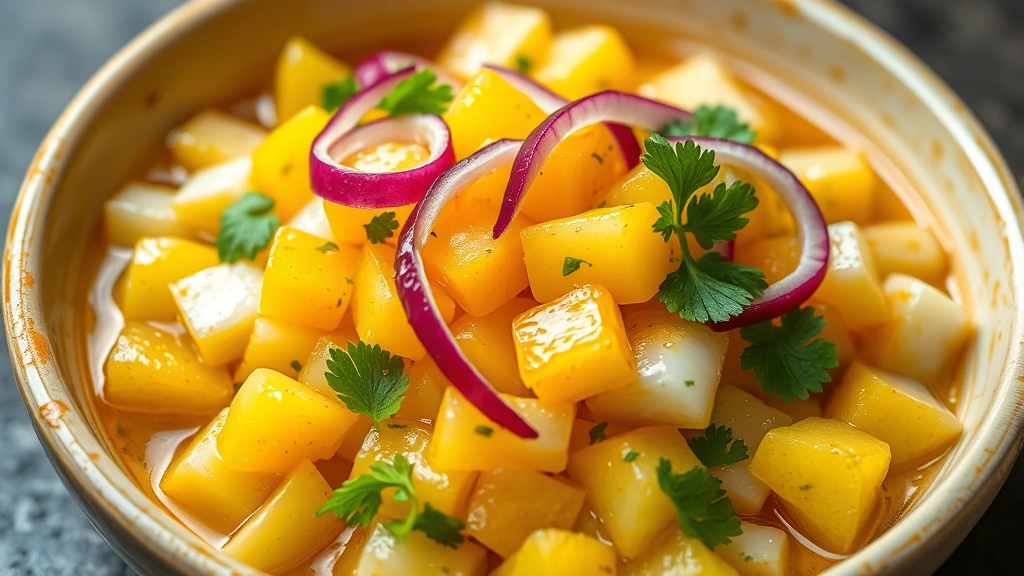
Authentic Peruvian Ceviche Recipe: Chef’s Guide to Peru’s National Dish
Peruvian ceviche stands as one of the world’s most elegant seafood preparations, a dish that transforms simple raw fish into a culinary masterpiece through the chemical magic of citrus juice. This iconic dish represents the heart of Peruvian coastal cuisine, blending indigenous traditions with Spanish influences and modern gastronomy. Whether you’re preparing this for an intimate dinner or exploring best healthy food recipes, authentic ceviche offers both nutritional benefits and unforgettable flavor.
The beauty of ceviche lies in its deceptive simplicity. While the ingredient list appears straightforward—fresh fish, lime juice, chilies, and aromatics—mastering authentic Peruvian ceviche requires understanding the precise technique, ingredient quality, and regional variations that distinguish a mediocre dish from an exceptional one. This comprehensive guide walks you through every step, from selecting the perfect fish to plating your creation like a professional chef.
Understanding Ceviche: History and Significance
Ceviche’s origins trace back to the pre-Columbian civilizations of Peru, where coastal communities developed techniques for preserving and preparing fresh fish. The Spanish conquest introduced citrus fruits—particularly limes and lemons—which revolutionized the dish’s preparation method. Rather than cooking fish with heat, the acidic juice denatures the proteins, creating a unique texture and flavor profile that cannot be replicated through traditional cooking methods.
In Peru, ceviche transcends being merely a recipe; it’s a cultural institution. National Ceviche Day (June 28th) celebrates this dish with fervor, and regional pride often centers on each area’s unique ceviche preparation. From the sophisticated preparations in Lima’s Michelin-starred restaurants to the humble beach shacks along the coast, ceviche represents Peruvian identity and culinary excellence. Understanding this cultural context helps you appreciate why precision matters when preparing easy dinner recipes that honor traditional methods.
The dish’s simplicity belies its technical demands. Professional chefs spend years perfecting their ceviche technique, learning to balance acidity, timing, and ingredient quality. The “cooking” process—where citric acid denatures fish proteins—requires precise timing. Too little time, and the fish remains unsafe; too long, and the texture becomes rubbery. This delicate balance separates authentic ceviche from amateur attempts.
Essential Ingredients for Authentic Ceviche
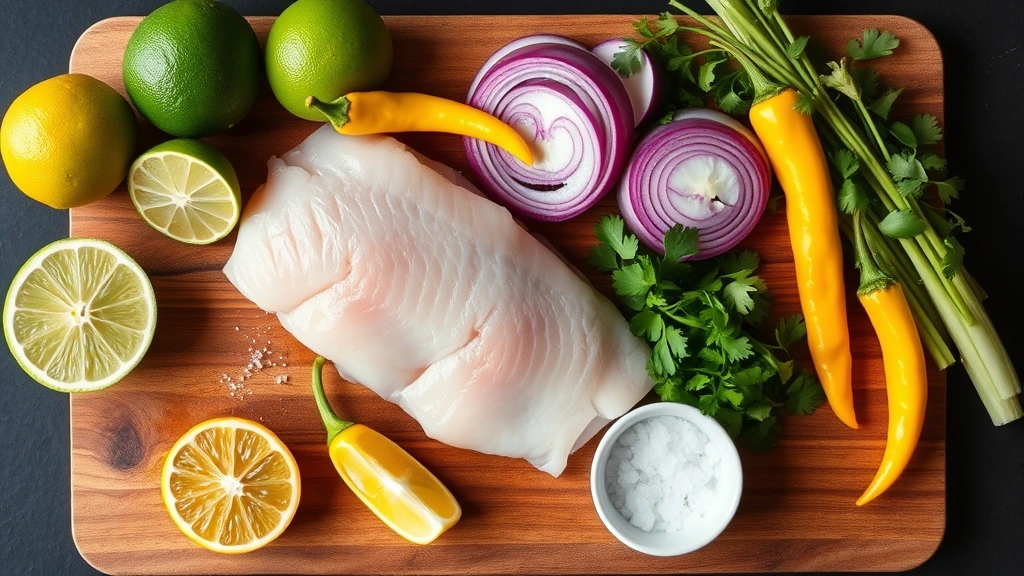
Fresh Fish (1.5-2 lbs): The foundation of exceptional ceviche. Traditional Peruvian preparations use corvina (sea bass), lenguado (flounder), or mero (grouper). These firm white fish varieties hold their texture beautifully during the curing process. The fish must be impeccably fresh—ideally purchased the same day you plan to prepare the ceviche.
Lime Juice (¾ cup fresh squeezed): Use fresh limes exclusively; bottled juice lacks the complexity needed for authentic results. Peruvian cooks prefer the acidic punch of fresh limes over lemons. The juice’s acidity is what transforms raw fish into a safely edible, fully “cooked” dish. Always squeeze limes just before using to preserve their vibrant flavor.
Ají Amarillo (2-3 peppers): This yellow chili pepper is quintessentially Peruvian, providing fruity heat and distinctive color. If unavailable, substitute with ají mirasol or a combination of yellow bell pepper and habanero for similar flavor profiles. This ingredient defines authentic Peruvian ceviche’s characteristic golden hue.
Red Onion (1 large, thinly sliced): Provides sharp, pungent notes that balance the fish’s richness. The onion should be sliced paper-thin and briefly marinated in lime juice to mellow its bite slightly while maintaining its crisp texture.
Cilantro (½ cup fresh, chopped): Adds aromatic brightness and herbaceous complexity. Use only the leaves; avoid woody stems that can become bitter.
Sea Salt (to taste): Use high-quality sea salt that dissolves easily and doesn’t contain additives. Salt timing is crucial—add it near the end to prevent drawing excessive moisture from the fish.
Optional Aromatics: Fresh ginger (thin slices), garlic (minced), and Peruvian corn (cancha) are traditional additions. Some regional preparations include avocado, though Lima-style ceviche typically omits it.
Selecting and Preparing Your Fish
Fish selection determines your ceviche’s success more than any other factor. Visit a reputable fishmonger and ask specifically for fish suitable for raw consumption. The fish must be absolutely fresh—look for clear eyes, bright red gills, and firm flesh that springs back when pressed. Never purchase pre-cut fish; buy whole fillets and have the fishmonger remove the skin and any remaining bones.
Quality indicators include a clean, ocean-like smell (not fishy or ammonia-like) and flesh that appears translucent rather than opaque. The fish should feel cold to the touch and sit on ice at the market. Ask your fishmonger about the catch date and origin; fish caught within 24 hours produces superior results.
Once home, keep the fish on ice until the moment of preparation. Remove it from the refrigerator only when you’re ready to cut it. Using a sharp, clean knife, cut the fish into ½-inch cubes, working quickly to prevent the fish from warming. Discard any darker flesh or bloodlines, which can impart unpleasant flavors. Pat the cubed fish dry with paper towels—excess moisture dilutes the ceviche’s flavors.
For safety, some chefs freeze fish at -4°F for 7 days or -31°F for 15 hours before preparing ceviche. While this step isn’t necessary with impeccably fresh fish from trusted sources, it provides additional peace of mind. This practice aligns with food safety guidelines and is standard in professional kitchens.
Step-by-Step Ceviche Preparation
Step 1: Prepare the Ají Amarillo Base
Begin by creating a smooth paste from your ají amarillo peppers. Remove seeds and white membranes, then blend the peppers with a small amount of fish stock or water until completely smooth. This base contributes both color and authentic flavor. Strain through a fine sieve if you prefer an ultra-smooth consistency. Some chefs add a touch of garlic and ginger to this stage for additional depth.
Step 2: Combine Lime Juice and Ají
In a glass or ceramic bowl (avoid metal, which can react with citric acid), combine your fresh lime juice with the ají amarillo paste. Whisk thoroughly until fully integrated. This mixture becomes your “cooking” liquid—the acid will denature the fish proteins while the ají infuses flavor throughout. Let this rest for 5 minutes to allow flavors to meld.
Step 3: Add Fish and Begin Curing
Add your cubed fish to the lime-ají mixture, gently folding to ensure every piece contacts the acidic liquid. This is the critical moment—the fish begins its transformation immediately. Within 3-5 minutes, you’ll notice the fish’s exterior turning opaque while the interior remains slightly translucent. This indicates proper “cooking.” The timing depends on cube size and fish thickness; larger pieces require 8-10 minutes, while smaller cubes may finish in 3-4 minutes.
The fish is perfectly “cooked” when the exterior is completely opaque but the very center remains barely translucent. Overcooked fish becomes dry and rubbery. Professional chefs taste-test at the 5-minute mark to determine exact timing.
Step 4: Add Aromatics and Final Ingredients
Once the fish reaches perfect doneness, add your thinly sliced red onion, fresh cilantro, and any additional aromatics. Fold gently to combine without breaking the fish pieces. At this stage, season carefully with sea salt—start conservatively, as you can always add more but cannot remove salt. A squeeze of fresh lime juice at the very end brightens the dish.
Step 5: Rest and Chill
Transfer your ceviche to a serving dish and refrigerate for 10-15 minutes before serving. This brief rest allows flavors to meld while keeping the fish at optimal temperature. Do not prepare ceviche more than 30 minutes before serving, as extended marinating in acid continues breaking down the fish’s texture, eventually creating an unpleasant mushy consistency.
Regional Variations Across Peru
Peru’s diverse geography creates distinct ceviche traditions. Lima-style ceviche represents the refined, minimalist approach—pure fish, lime juice, ají, and onion with minimal garnish. This style emphasizes ingredient quality and precise technique, allowing each component to shine. Coastal variations often incorporate seafood beyond fish, including shrimp, scallops, and squid in mixed ceviches called “ceviche mixto.”
Northern Peruvian ceviche tends toward spicier preparations with more generous use of ají peppers. Some regions add avocado, creating a creamier texture. Southern variations might include sweet potato or corn as side components rather than mixed directly into the dish. These regional differences reflect local ingredients and cultural preferences, all equally valid expressions of Peruvian culinary tradition.
Understanding these variations enriches your ceviche preparation. While this guide focuses on the classical Lima preparation, experimenting with regional styles helps you discover your preferred approach. You might also explore how ceviche fits within broader best healthy food recipes categories for nutritious meal planning.
Serving and Presentation Tips
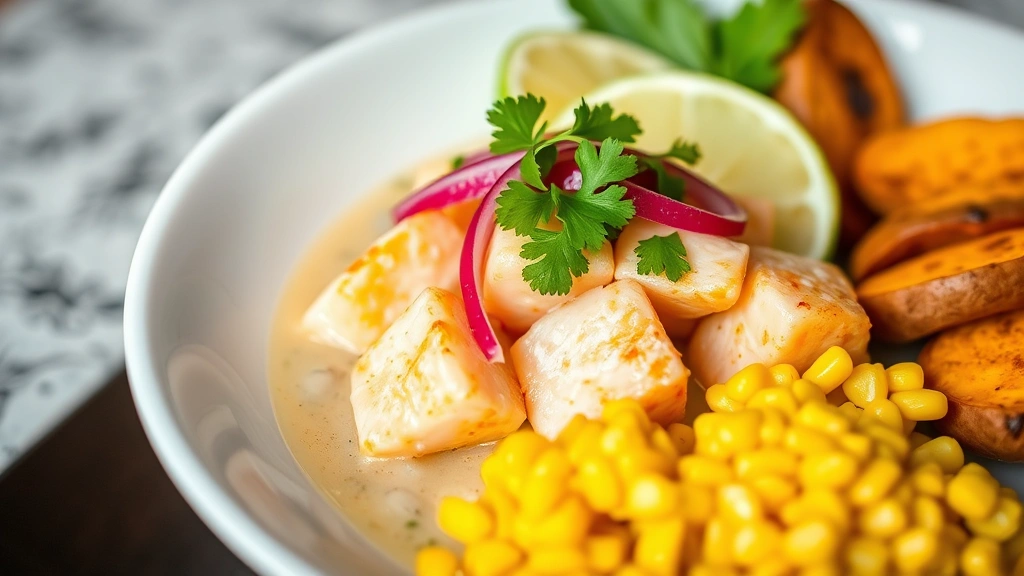
Presentation elevates ceviche from simple dish to restaurant-quality creation. Use chilled serving bowls—the cold temperature keeps the fish at optimal texture and flavor. Pour any accumulated liquid (called the “leche de tigre” or tiger’s milk) over the fish just before serving; this flavorful broth is essential to the experience.
Traditional accompaniments include toasted corn kernels (cancha), sliced sweet potato, and lettuce leaves. These provide textural contrast and are often arranged on the side rather than mixed into the ceviche. A lime wedge and fresh cilantro sprig complete the presentation. Some chefs arrange the fish in the center of the bowl with onion slices around the perimeter for visual appeal.
Serve immediately upon plating. Ceviche is best enjoyed fresh, with the fish maintaining its delicate texture and the vegetables their crisp snap. Temperature control is essential—the dish should be cold but not ice-cold, which mutes flavors. Remove from the refrigerator 2-3 minutes before serving for optimal taste.
For entertaining, prepare components separately and assemble individual portions just before service. This approach maintains quality and allows you to control timing perfectly. When serving multiple guests, stagger your preparations so each person receives freshly assembled ceviche.
Wine and Beverage Pairings
Ceviche’s bright acidity and delicate fish flavors pair beautifully with crisp white wines. Sauvignon Blanc from Peru’s Ica Valley offers perfect acidity and minerality that complements the lime juice. Albariño from Spain provides similar characteristics with subtle salinity. Muscadet from France’s Loire Valley brings zesty notes that enhance the ceviche’s freshness.
Beyond wine, consider Peruvian beer—a light lager cuts through the fish’s richness while refreshing the palate. Chicha morada, a traditional Peruvian beverage made from purple corn, offers a non-alcoholic option with cultural authenticity. Fresh lime juice mixed with sparkling water and a touch of agave nectar creates a simple, elegant pairing.
Avoid heavy reds or oaked whites, which overpower ceviche’s delicate flavors. The key is choosing beverages with sufficient acidity to complement rather than compete with the dish. Professional sommeliers recommend beverages that refresh the palate between bites rather than dominating the tasting experience.
FAQ
Is raw fish in ceviche actually safe to eat?
Yes, when prepared correctly with impeccably fresh fish and sufficient citric acid exposure. The acid denatures proteins similarly to heat cooking, eliminating most pathogens. However, pregnant women, young children, elderly individuals, and immunocompromised people should consult healthcare providers before consuming raw fish. Purchase fish from reputable sources and use fish explicitly sold for raw consumption.
How long can I store prepared ceviche?
Ceviche is best consumed within 30 minutes of preparation. Extended marinating in acid continues breaking down the fish’s texture, creating an undesirable mushy consistency. If you must prepare ahead, keep components separate and assemble just before serving. Never store ceviche overnight—it’s not designed for extended storage and quality deteriorates significantly.
Can I use frozen fish for ceviche?
Yes, high-quality frozen fish works well when properly thawed. Freezing actually eliminates parasites, making some chefs prefer it. Thaw frozen fish in the refrigerator overnight, never at room temperature. Pat thoroughly dry before using. The taste and texture differ slightly from fresh fish, but the results remain delicious.
What if I can’t find ají amarillo?
Substitute with ají mirasol, available dried and reconstituted in water. Alternatively, combine yellow bell pepper with a small amount of habanero for similar heat and fruity notes. Some cooks use a pinch of turmeric for color, though this alters the flavor profile. Experiment to find your preferred substitute.
Can I make ceviche without seafood?
Absolutely. Easy dinner recipes sometimes feature vegetarian ceviches using firm vegetables like hearts of palm, mushrooms, or cauliflower “steaks.” The acid still breaks down cell walls, creating a tender texture. These variations celebrate ceviche’s technique rather than specifically requiring fish.
What’s the difference between ceviche and tiradito?
Tiradito is a contemporary Peruvian dish featuring thinly sliced raw fish in a creamy, spicy sauce rather than being “cooked” in lime juice. While related to ceviche, tiradito emerged from Japanese influence in Peru and represents a distinct preparation. Ceviche cures fish in acid; tiradito serves raw fish with sauce.
How do I prevent my fish from becoming mushy?
Monitor curing time carefully—don’t exceed 10 minutes for standard cube sizes. Use perfectly fresh fish, as older fish breaks down faster. Keep ingredients cold throughout preparation. Some chefs add the fish to acid just before serving rather than curing it in advance. Proper technique prevents the mushy texture that indicates overcooking.
Can I make ceviche with different fish types?
Absolutely. Fluke, halibut, snapper, and sea bream all work beautifully. Avoid oily fish like salmon or mackerel, which don’t maintain ideal texture. The key is selecting firm white fish that holds its structure during the curing process. Different fish offer subtle flavor variations worth exploring.


