Authentic Peruvian Ceviche: Chef’s Recipe Guide
Peruvian ceviche stands as one of the world’s most elegant seafood preparations, a dish where raw fish transforms into something extraordinary through the chemistry of citrus acid. This iconic seafood dish represents centuries of Peruvian culinary tradition, blending indigenous ingredients with Spanish and Asian influences that shaped the nation’s food culture. Unlike cooked fish, ceviche’s delicate texture and bright flavors depend entirely on technique, ingredient quality, and understanding the science behind acid-curing seafood.
Mastering authentic Peruvian ceviche requires more than following steps—it demands respect for ingredient selection, precise timing, and knowledge of how citric acid denatures fish protein. This guide walks you through everything needed to create restaurant-quality ceviche at home, from selecting the perfect fish to understanding regional variations that make Peruvian cuisine distinctive. Whether you’re preparing this for a dinner party or exploring international cooking techniques, this comprehensive resource covers every aspect of this beloved dish.
Understanding Ceviche’s History and Chemistry
Ceviche’s origins trace back to Peru’s coastal regions, where indigenous peoples combined fresh seafood with local citrus fruits and chilies. The dish evolved significantly after Spanish conquest introduced new ingredients and cooking methods, while Chinese immigration in the 19th century added additional flavor dimensions. This fusion created the modern ceviche we recognize today—a perfect marriage of cultures expressed through a single, elegant plate.
The science behind ceviche fascinates both home cooks and food scientists. When citric acid from lime or lemon juice contacts raw fish, it denatures the protein without heat, causing the flesh to become opaque and firm. This process, called acid-curing or marinating, doesn’t technically cook the fish but transforms its texture and flavor. The fish’s myosin and actin proteins unwind when exposed to pH levels below 3.5, creating that characteristic firm, cooked-like texture. Understanding this chemistry helps you control the curing time and achieve perfect results every time.
Peru’s culinary institutes, including APEGA (Sociedad Peruana de Gastronomía), have extensively documented ceviche preparation methods and regional styles. These organizations maintain standards that define authentic Peruvian ceviche and promote its recognition as national cuisine. Learning from these authoritative sources ensures your preparation respects traditional methods while understanding modern food science principles.
Selecting the Finest Fish and Seafood
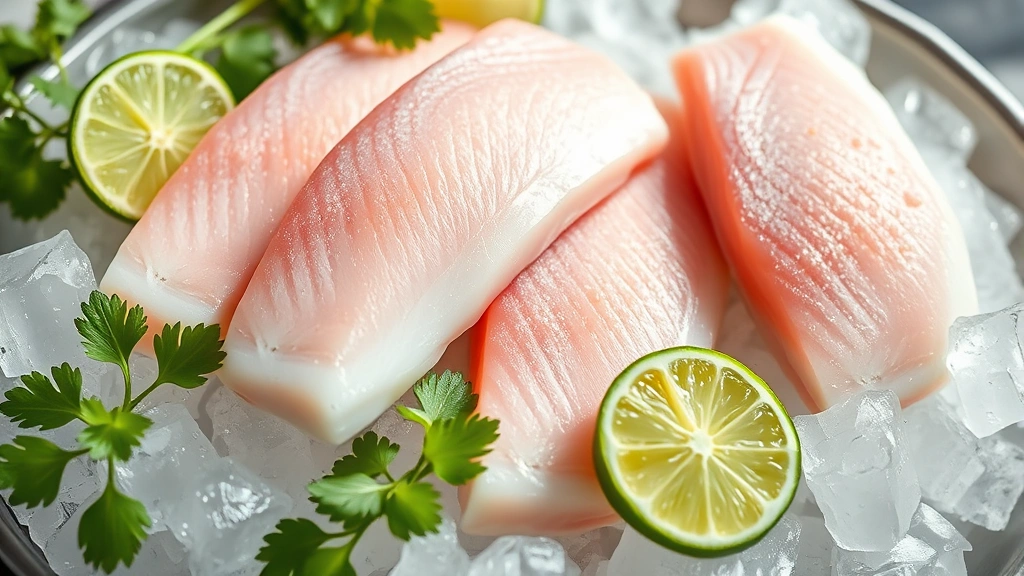
Fish quality determines ceviche success more than any other factor. You need sushi-grade or sashimi-grade fish—terminology that indicates the fish has been handled, stored, and frozen according to strict food safety standards. Never use grocery store fish labeled simply “fresh,” as it hasn’t undergone the freezing process that kills parasites. The best ceviche fish includes mahi-mahi, sea bass, flounder, halibut, or snapper—varieties with firm, white flesh that maintains texture during acid-curing.
Source your fish from reputable fishmongers or specialty seafood markets where staff understand ceviche requirements. Ask specifically for sushi-grade fish and confirm it’s been properly frozen. Mahi-mahi, traditional in many Peruvian preparations, offers mild flavor and firm texture that absorbs the lime-centric marinade beautifully. Sea bass provides a slightly sweet undertone, while halibut’s dense flesh holds up excellently to longer marinating times. For shrimp ceviche, use large wild-caught shrimp rather than farmed varieties, which tend toward mushier textures.
Temperature control matters tremendously during storage and preparation. Keep fish on ice until the moment you prepare it. Cut fish just before adding the marinade—exposed surfaces oxidize quickly, affecting both flavor and appearance. The fresher your fish when it enters the lime juice marinade, the better your final result. Many Peruvian chefs recommend purchasing fish the morning of preparation, ensuring maximum freshness and optimal flavor development during the acid-curing process.
Essential Ingredients for Authentic Preparation
Beyond fish, authentic Peruvian ceviche requires specific ingredients that define its character. Lime juice serves as the primary curing agent and flavor foundation—use fresh Persian or Key limes rather than bottled juice. The acidity level and aromatic compounds in fresh lime juice cannot be replicated by bottled alternatives. You’ll need approximately one cup of freshly squeezed lime juice for one pound of fish, though this varies based on desired curing intensity and fish thickness.
Red onions provide sharp, slightly sweet notes that balance the fish and citrus. Slice them thinly and soak in lime juice for fifteen minutes before adding to the main marinade—this softens their bite while maintaining crisp texture. Peruvian yellow chilies (aji amarillo) deliver authentic heat and distinctive flavor; if unavailable, substitute with habanero or jalapeño, though the flavor profile shifts slightly. Some ceviche preparations include aji rojo (red chilies) for additional depth.
Cilantro, fresh fish, and lime juice form the holy trinity of ceviche, but complementary fresh herbs enhance the dish. Traditional recipes include parsley and occasionally mint. Sea salt should be high-quality and added minimally—you’re seasoning fish, not curing it further. Some recipes incorporate a touch of fish sauce or soy sauce, reflecting Asian influences in Peruvian cuisine. Corn kernels and sweet potatoes appear in many regional variations, adding textural contrast and subtle sweetness.
The quality of each ingredient directly impacts your final dish. Invest in premium limes—they’ll yield more juice and superior flavor. Source fresh chilies from Latin markets if possible, or use high-quality dried chilies reconstituted in warm water. Fresh herbs should be vibrant and fragrant, never wilted or discolored. This attention to ingredient quality distinguishes authentic ceviche from mediocre versions and reflects the Peruvian culinary philosophy of honoring quality ingredients.
Step-by-Step Ceviche Recipe
Ingredients (Serves 4):
- 1.5 pounds sushi-grade mahi-mahi or sea bass, cubed into ¾-inch pieces
- 1 cup fresh lime juice (approximately 8-10 limes)
- 1 red onion, thinly sliced
- 2-3 fresh aji amarillo peppers, minced (or 1 habanero)
- ¼ cup fresh cilantro, chopped
- 2 tablespoons fresh parsley, chopped
- Sea salt and white pepper to taste
- 2 tablespoons high-quality olive oil
- Optional: corn kernels, diced sweet potato, avocado
Instructions:
- Prepare your workspace and ingredients. Ensure all tools and cutting boards are impeccably clean. Pat fish dry with paper towels—moisture interferes with proper acid-curing. Measure lime juice into a bowl and set aside. This preparation step, though seemingly simple, prevents contamination and ensures optimal results.
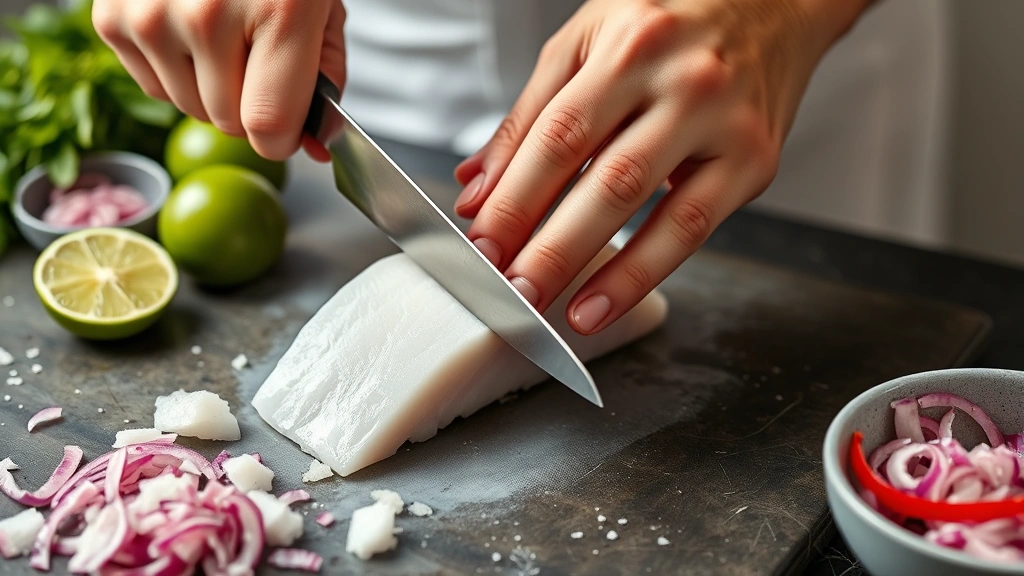
- Cut the fish with precision. Using a sharp knife, cut fish into uniform ¾-inch cubes. Uniform size ensures even curing—larger pieces remain undercooked while smaller pieces over-cure. Work quickly; exposed fish surfaces oxidize, affecting flavor and appearance. Place cut fish directly into the lime juice marinade.
- Begin the curing process. Stir fish gently in lime juice, ensuring all pieces contact the acid. The fish will immediately begin transforming, becoming opaque at the edges. This initial stage lasts 5-10 minutes depending on fish thickness and lime juice acidity. The fish isn’t fully cured yet—it’s just beginning the acid-denaturing process.
- Prepare the aromatics while fish cures. Slice red onion paper-thin using a mandoline if available. Place sliced onion in a separate bowl and cover with lime juice—this softens the bite and infuses flavor. Mince fresh chilies, removing seeds if you prefer less heat. Chop cilantro and parsley just before use to preserve their aromatic oils.
- Combine and season. After 10-15 minutes of initial curing, strain the fish from its lime juice marinade, reserving the liquid. In a clean bowl, combine the cured fish, drained onions (reserving their lime juice), minced chilies, cilantro, and parsley. Add approximately ½ cup of the reserved lime juice, olive oil, sea salt, and white pepper. Taste and adjust seasoning—ceviche should taste bright, balanced, and never overly salty.
- Final curing stage. Return the mixture to the refrigerator for an additional 10-15 minutes. This allows flavors to meld and the fish to complete its acid-curing transformation. The fish should be opaque throughout with a firm, cooked-like texture. If any translucent areas remain, allow additional time, checking every 3-5 minutes.
- Verify doneness and serve immediately. The fish should be completely opaque and firm when pierced with a fork. If using additional fresh ingredients, add them just before serving to maintain their texture and flavor. Serve ceviche in chilled bowls with lime wedges, crusty bread, or fried plantain chips on the side.
Timing is critical: Total curing time ranges from 20-30 minutes depending on fish thickness, lime juice acidity, and personal preference. Thinner pieces cure faster than thicker cubes. More acidic limes cure fish more quickly. Start checking at 15 minutes and adjust based on your observation of the fish’s opacity and texture.
Peruvian Regional Variations
Peru’s distinct coastal regions each developed unique ceviche styles reflecting local ingredients and cultural influences. Lima-style ceviche emphasizes simplicity and fish quality, often featuring just fish, lime, chilies, and onions with minimal additional ingredients. This preparation allows the fish’s delicate flavor to shine without distraction. Coastal regions near Callao sometimes incorporate more seafood—shrimp, mussels, or octopus—creating a mixed seafood ceviche called ceviche mixto.
Northern Peruvian ceviche tends toward spicier preparations with additional chilies and sometimes includes fish broth poured over the finished dish, creating a soup-like consistency called ceviche con leche de tigre (tiger’s milk). This variation uses the flavorful liquid—a combination of fish juices, lime, chilies, and aromatics—as a sauce, adding richness and depth. The tiger’s milk concept has influenced modern ceviche preparations worldwide, though traditional versions remain most authentic in Peru.
Southern regions sometimes prepare ceviche with different fish varieties suited to local waters, while some preparations include sweet potato and corn as traditional accompaniments. Ceviche negro, made with squid ink, represents another fascinating variation that transforms the dish’s appearance while maintaining its essential character. Understanding these regional differences helps you appreciate ceviche’s versatility while respecting its foundational principles.
Serving and Presentation Tips
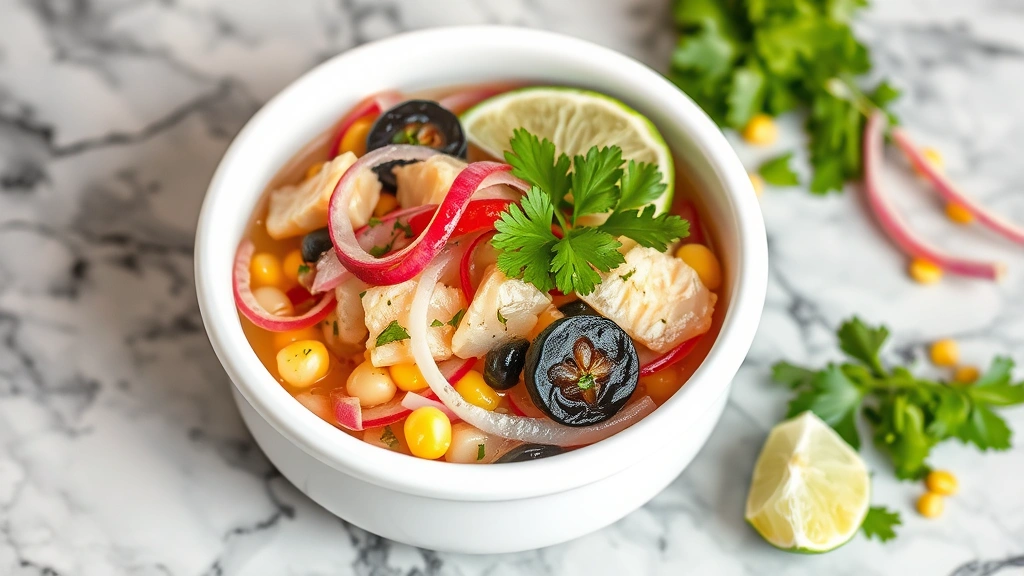
Presentation elevates ceviche from simple dish to restaurant-quality experience. Serve in chilled bowls or on cold plates—warm dishes compromise the delicate flavors and desired texture. Arrange fish and onions attractively, allowing colors to showcase the dish’s natural beauty. Garnish generously with fresh cilantro and a lime wedge positioned for visual interest and easy squeezing.
Traditional Peruvian accompaniments include cancha (toasted corn kernels), boiled sweet potato slices, avocado halves, and crusty bread. These additions provide textural contrast and complement the ceviche’s bright flavors. Some preparations serve ceviche with leche de tigre on the side, allowing diners to adjust the sauce intensity to their preference. This approach respects individual flavor preferences while maintaining the dish’s structural integrity.
Timing matters tremendously for serving. Ceviche is best consumed within 30 minutes of final assembly—the fish maintains optimal texture and the flavors remain bright and fresh. Longer storage causes the fish to become increasingly firm as continued acid exposure denatures proteins further. If you must prepare ahead, keep the fish and marinade separate until just before serving, assembling quickly to preserve quality.
Common Mistakes and Solutions
Mistake: Using non-sushi-grade fish — Solution: This is non-negotiable for food safety. Always source from reputable fishmongers and explicitly request sushi-grade fish that’s been properly frozen according to FDA guidelines.
Mistake: Over-curing the fish — Solution: Monitor curing time carefully. Fish cures continuously in the acidic environment; over-cured ceviche becomes mushy and unpleasant. Check doneness at 15 minutes and remove from the marinade once fully opaque.
Mistake: Using bottled lime juice — Solution: Fresh lime juice provides superior flavor and proper acidity. Bottled juice often contains preservatives that alter flavor and may not achieve proper acid-curing consistency.
Mistake: Adding ingredients too early — Solution: Add fresh herbs and delicate vegetables immediately before serving. Early addition causes wilting and flavor degradation. The exception is onions, which benefit from marinating in lime juice.
Mistake: Insufficient seasoning — Solution: Taste frequently and adjust salt and pepper to balance the lime’s acidity. Ceviche should taste bright and flavorful, never bland or overly salty.
Mistake: Warm serving temperatures — Solution: Chill all bowls, plates, and ingredients thoroughly. Serve immediately from cold storage to preserve the dish’s essential character and prevent bacterial growth.
For deeper understanding of seafood preparation techniques, Serious Eats offers comprehensive guides to fish selection and preparation methods. Additionally, Smithsonian Magazine has published excellent articles on ceviche’s cultural history and regional variations across Latin America.
FAQ
Can I make ceviche with frozen fish?
Yes, and actually you should use fish that’s been frozen, as this kills parasites. Thaw it completely in the refrigerator before preparing ceviche. Ensure it’s sushi-grade fish that’s been frozen according to proper food safety standards.
How long can ceviche sit before serving?
Ceviche is best served within 30 minutes of final assembly. The fish continues curing in the acidic marinade, eventually becoming too firm. If you must prepare ahead, keep components separate and assemble just before serving.
Is ceviche actually cooked?
Technically no—ceviche isn’t cooked with heat. However, the citric acid denatures fish protein similarly to heat cooking, creating a firm, opaque texture. The fish is safe to eat because it’s been properly frozen beforehand, killing parasites.
What if I don’t like spicy food?
Use fewer chilies or remove the seeds, which contain most of the heat. You can also substitute milder peppers or omit them entirely, though this changes the dish’s authentic character. Some diners prefer adjusting spice levels individually.
Can I substitute different types of fish?
Yes, use any firm white fish with a sushi-grade designation. Mahi-mahi, sea bass, halibut, flounder, and snapper all work beautifully. Avoid oily fish like salmon or mackerel, which have flavors that overpower ceviche’s delicate balance.
Should I remove the onion’s bite before marinating?
Soaking sliced onion in lime juice for 15 minutes softens its sharp bite while infusing flavor. This step is optional but recommended for those sensitive to raw onion’s intensity. The onion becomes more palatable while retaining texture.
What’s the difference between ceviche and tiradito?
Ceviche contains cubed fish marinated in lime juice with onions and chilies. Tiradito features thinly sliced fish arranged on a plate with a citrus sauce poured over top. Tiradito emphasizes visual presentation and offers a different textural experience.
Can I make ceviche without cilantro?
Yes, use parsley alone or substitute with mint or other fresh herbs. Cilantro is traditional but not essential. Some diners find cilantro’s distinctive flavor polarizing, so substituting with herbs you prefer is perfectly acceptable.


