PF Chang’s Lettuce Wraps Copycat Recipe: Restaurant-Quality at Home
If you’ve ever bitten into a crispy lettuce wrap at PF Chang’s, you know exactly why this appetizer is so addictive. The combination of seasoned ground chicken, water chestnuts, and that signature sweet-savory sauce wrapped in cool, crisp butter lettuce creates an explosion of flavors and textures. The best part? You can recreate this restaurant favorite in your own kitchen with simple ingredients and straightforward techniques.
Making PF Chang’s lettuce wraps at home isn’t just about saving money—though you absolutely will. It’s about understanding the balance of sweet, salty, and umami flavors that make this dish so crave-worthy, plus having the ability to customize the spice level and ingredients to your preference. Whether you’re hosting a dinner party, looking for a healthy appetizer option, or simply want to impress your family with restaurant-quality food, this copycat recipe delivers every single time.
Ingredients You’ll Need
The beauty of this lettuce wrap recipe is that most ingredients are pantry staples or easily found at any grocery store. Here’s everything you’ll need to serve four to six people as an appetizer:
- 1.5 pounds ground chicken (or ground turkey for a leaner option)
- 2 tablespoons vegetable oil (for cooking)
- 4 cloves garlic, minced
- 1 tablespoon fresh ginger, minced
- 1 can (8 oz) water chestnuts, drained and finely chopped
- 4 green onions, chopped (white and green parts separated)
- 1/2 cup hoisin sauce
- 3 tablespoons soy sauce
- 2 tablespoons rice vinegar
- 1 tablespoon sesame oil
- 1 teaspoon sugar
- 1/2 teaspoon red pepper flakes (adjust to taste)
- 2 tablespoons oyster sauce
- 1 head butter lettuce (or iceberg lettuce)
- 2 teaspoons cornstarch (optional, for thickening)
- 2 tablespoons water (if using cornstarch)
The combination of these ingredients creates the signature PF Chang’s flavor profile that keeps customers coming back for more.
The Secret Sauce Components
The sauce is truly what makes this dish special. Unlike many Asian-inspired sauces, the PF Chang’s lettuce wrap sauce achieves a delicate balance between sweetness from hoisin and sugar, saltiness from soy sauce, umami depth from oyster sauce, and subtle heat from red pepper flakes. Understanding each component helps you master the recipe and adjust it to your preferences.
Hoisin sauce is the foundation of this sauce. This thick, fermented soybean paste brings natural sweetness and complexity. If you’re unfamiliar with it, think of it as a sweeter cousin to soy sauce with added spice and depth. You can find it in the Asian section of most grocery stores or at any Asian market.
Soy sauce provides the essential saltiness and umami that makes your taste buds sing. Use regular soy sauce rather than low-sodium here—the salt is crucial for balancing the sweetness of the hoisin.
Rice vinegar cuts through the richness and adds brightness. This is non-negotiable for the authentic PF Chang’s taste. Regular white vinegar is too harsh; rice vinegar has a gentler, more delicate acidity.
Sesame oil contributes a toasted, nutty aroma that’s instantly recognizable in Asian cuisine. Use it sparingly since a little goes a long way.
Oyster sauce adds another layer of umami and savory depth. Combined with soy sauce, it creates the complex flavor profile that makes restaurant food taste so good.
Step-by-Step Cooking Instructions
Now that you understand your ingredients, let’s walk through the cooking process. The key is to work quickly and maintain high heat to get that restaurant-style sear on the ground chicken.
Step 1: Prepare Your Mise en Place
Before you turn on the heat, have all your ingredients prepped and ready. Chop your garlic, ginger, water chestnuts, and green onions. Whisk together your sauce components in a small bowl. This preparation is essential because once you start cooking, everything happens quickly. Having ingredients ready prevents you from scrambling and ensures consistent results.
Step 2: Heat Your Wok or Large Skillet
Place a large wok or skillet over medium-high heat. Add your vegetable oil and let it heat for about one minute until it’s shimmering. You want the pan hot enough to sear the chicken properly, which creates better flavor through the Maillard reaction—a chemical reaction that creates complex flavors when proteins are browned.
Step 3: Brown the Ground Chicken
Add your ground chicken to the hot pan and break it up with a wooden spoon or spatula. Don’t stir constantly—let it sit for about two minutes so it develops a nice brown crust. This step is crucial for flavor development. After the initial browning, continue breaking up the chicken and stirring for another 3-4 minutes until it’s cooked through and no longer pink. You should have some nicely browned bits throughout the meat.
Step 4: Add Aromatics
Push the cooked chicken to the side of the pan and add your minced garlic and ginger to the empty space. Let them cook for about 30 seconds until fragrant. This blooming technique releases the essential oils in garlic and ginger, intensifying their flavors. Then stir the aromatics into the chicken.
Step 5: Add Water Chestnuts and White Parts of Green Onions
Add your chopped water chestnuts and the white parts of the green onions. Stir everything together and cook for about one minute. The water chestnuts should still have their crunch—don’t overcook them.
Step 6: Pour in the Sauce
Pour your prepared sauce mixture into the pan and stir everything to combine thoroughly. The sauce should coat all the chicken and vegetables evenly. If you prefer a thicker sauce (which some people do), mix your cornstarch with two tablespoons of water and stir it in now. Let it simmer for about one minute if you added cornstarch, or just 30 seconds if you didn’t.
Step 7: Finish with Fresh Green Onions
Remove the pan from heat and stir in the green parts of your green onions. This adds a fresh, bright element that contrasts beautifully with the sweet-savory sauce.
Wrapping and Assembly Tips
The presentation and eating experience of lettuce wraps is half the fun. Here’s how to prepare and serve them like a pro:
Preparing the Lettuce
Carefully peel individual leaves from your head of butter lettuce. Butter lettuce leaves are larger and more pliable than iceberg, making them ideal for wrapping. Rinse them gently and pat dry with paper towels. Moisture will make the wraps soggy, so this step matters. If you can’t find butter lettuce, iceberg works fine, though the leaves are smaller so you might need more per wrap.
Keeping Components Cool
Keep your lettuce leaves chilled until serving time. You can place them in a bowl of ice water for up to 30 minutes before serving—this keeps them crisp and cool, which provides a refreshing contrast to the warm, savory filling.
Assembly Method
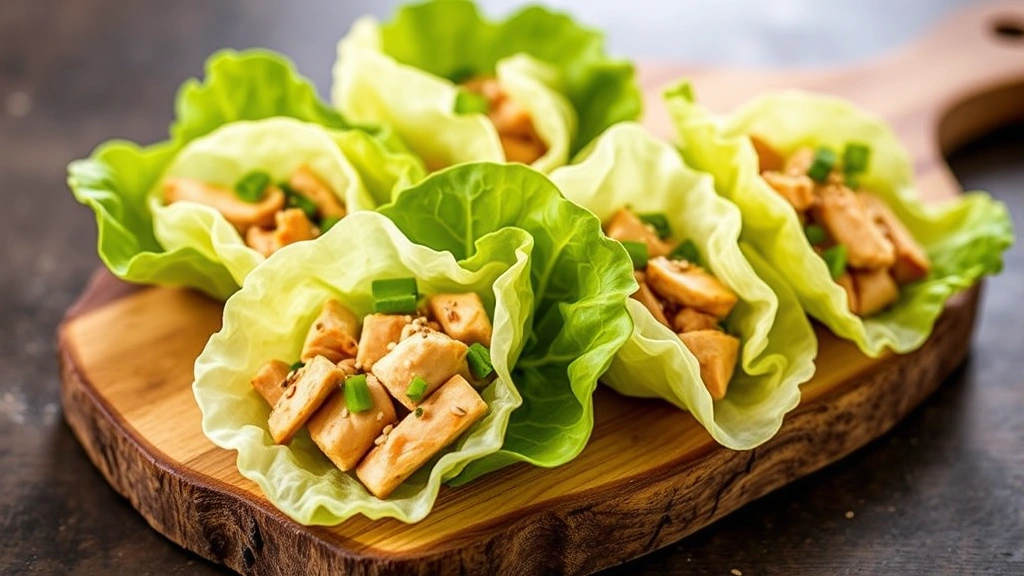
Place about two to three tablespoons of the chicken mixture in the center of a lettuce leaf. Don’t overfill—you want to be able to fold the wrap without it falling apart. Fold the sides of the lettuce leaf in slightly, then roll it away from you like a burrito. Some people prefer to simply fold it in half like a taco. Choose whatever method feels most comfortable and allows you to eat it easily.
Serving Suggestions
Serve the wraps immediately while the filling is still warm and the lettuce is cold. This temperature contrast is part of what makes them so satisfying. You can arrange the wraps on a platter, or have guests assemble their own. Provide extra sauce on the side for dipping if desired.

Recipe Variations and Substitutions
Protein Alternatives
While chicken is traditional, you have options. Ground turkey creates a leaner version with nearly identical flavor. Ground pork adds richness and works beautifully with these flavors. For a vegetarian option, substitute the ground meat with finely chopped mushrooms mixed with crumbled tofu—the mushrooms provide umami depth that replaces the savory quality of meat.
Vegetable Additions
Beyond the traditional recipe, consider adding diced bell peppers, shredded carrots, or sliced bamboo shoots. These additions add color, texture, and nutrition. If you’re interested in best healthy food recipes, lettuce wraps are already an excellent choice—you can boost the nutrition further with additional vegetables.
Spice Level Adjustments
The original recipe includes red pepper flakes, but you can adjust the heat. For milder wraps, reduce or omit the red pepper flakes. For more heat, add sriracha to the sauce or include fresh Thai chilies. Some people enjoy adding a touch of white pepper for a different kind of heat.
Sauce Modifications
If you find the sauce too sweet, reduce the hoisin sauce by one tablespoon and add an extra tablespoon of soy sauce. If it’s too salty, add a teaspoon of sugar. The beauty of making this at home is that you can dial in the flavors exactly how you like them.
Lettuce Wrap Alternatives
While butter lettuce is ideal, you can use other vessels. Endive leaves create elegant single-bite appetizers. Whole wheat tortillas transform the dish into more of a burrito format. Even crispy wonton wrappers work if you’re looking for a different texture.
Storage and Make-Ahead Guide
Storing the Filling
The cooked chicken filling keeps in an airtight container in the refrigerator for up to three days. You can reheat it gently in a pan over medium heat, adding a splash of water if it seems dry. This makes it perfect for meal prep—prepare the filling on Sunday and assemble fresh wraps throughout the week.
Preparing Ahead
You can prep all your ingredients the night before: chop vegetables, mince garlic and ginger, whisk together the sauce. Store each component in separate containers. This way, the actual cooking takes only about 15 minutes the next day. This approach is perfect for entertaining when you want to minimize last-minute stress.
Freezing Considerations
The cooked filling freezes well for up to one month. Thaw it in the refrigerator overnight and reheat gently before serving. However, don’t freeze assembled wraps—the lettuce becomes soggy and unappetizing when thawed.
Sauce Storage
The uncooked sauce keeps in the refrigerator for up to two weeks, making it handy to have on hand for quick weeknight meals. You can use it as a marinade for chicken or beef, as a dipping sauce for vegetables, or drizzled over rice bowls.
FAQ
Can I make lettuce wraps without hoisin sauce?
Hoisin is really the key to achieving that authentic PF Chang’s flavor. If you absolutely must substitute, combine equal parts ketchup and soy sauce with a touch of sugar, but it won’t be identical. Your best bet is to find hoisin sauce—it’s becoming more common in regular grocery stores, and it’s a worthwhile pantry staple for Asian cooking.
Why are my lettuce wraps soggy?
Soggy wraps typically result from wet lettuce or letting the wraps sit assembled for too long before eating. Always pat your lettuce dry after rinsing, and assemble wraps just before serving. If you’re making them for a party, assemble them in batches as guests arrive rather than all at once.
Can I make this recipe dairy-free?
This recipe is naturally dairy-free! All the ingredients are plant-based or meat-based with no dairy products. It’s an excellent option for people with dairy allergies or those following a vegan vegan recipe lifestyle (if you use plant-based ground meat).
How do I prevent the chicken from becoming dry?
Don’t overcook the chicken. Ground chicken is leaner than ground beef, so it dries out faster. Cook it until just done—no pink remains—but don’t continue cooking after that point. The sauce also helps keep the chicken moist, so don’t skip it.
What’s the best way to reheat lettuce wraps?
Reheat only the filling, not the assembled wraps. Gently warm the filling in a pan over medium heat or in the microwave for 60-90 seconds. Then assemble fresh wraps with cool lettuce leaves. This ensures you get that perfect temperature contrast.
Can I make these wraps spicy like the ones at the restaurant?
Absolutely! Increase the red pepper flakes to one full teaspoon, add sriracha to the sauce, or include fresh diced Thai chilies in the filling. Start with small increases and taste as you go—you can always add more heat, but you can’t remove it.
Is this recipe suitable for meal prep?
Yes! Prepare the filling and store it in the refrigerator for up to three days. Keep your lettuce leaves separate and chilled. When you’re ready to eat, simply reheat the filling and assemble fresh wraps. This method is perfect for busy weekdays when you want restaurant-quality food without the restaurant prices.
What should I serve alongside lettuce wraps?
These wraps work beautifully with steamed white or brown rice, though they’re filling enough to stand alone as an appetizer. A simple cucumber salad provides a refreshing contrast. You could also serve them as part of a larger Asian-inspired meal alongside bok choy recipes or stir-fried vegetables. For dessert, consider making homemade ice cream for a complete meal.
How many wraps does this recipe make?
This recipe yields approximately 12-16 wraps depending on how much filling you use per wrap. Each person typically eats 3-4 wraps as an appetizer, so this recipe serves 3-5 people as a starter course.


