How to Pickle Radishes: Expert Tips for Crispy, Tangy Perfection
Pickling radishes is one of the easiest and most rewarding preservation techniques in the kitchen. These vibrant, peppery vegetables transform into tangy, crunchy delights within just a few days, making them perfect for adding brightness to countless dishes. Whether you’re looking to preserve your garden harvest or create a sophisticated condiment, homemade pickled radishes deliver restaurant-quality results with minimal effort.
The beauty of pickling radishes lies in its simplicity and versatility. Unlike many preservation methods that require specialized equipment or extensive preparation, you only need basic pantry staples and glass jars. The result is a shelf-stable condiment that elevates seafood dishes, tacos, grain bowls, and charcuterie boards. In this comprehensive guide, we’ll walk you through everything you need to know about creating perfectly pickled radishes at home.
Choosing and Preparing Your Radishes
The foundation of exceptional pickled radishes begins with selecting the right vegetables. Choose firm, unblemished radishes that feel crisp when you apply gentle pressure. Red radishes are the most common choice and deliver stunning color, but don’t overlook white, purple, or watermelon varieties for visual interest. Smaller radishes work best because they pickle more evenly and maintain their texture better than large specimens.
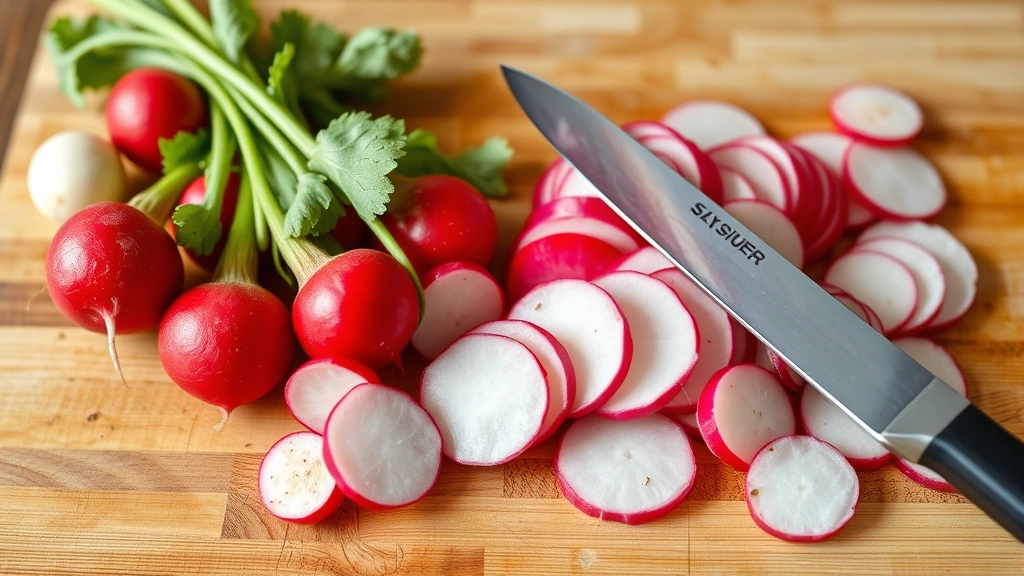
Before pickling, thoroughly wash your radishes under cool running water to remove any soil or debris. Use a vegetable brush if necessary to ensure they’re completely clean. Once dry, trim off the root ends and any remaining green stems, leaving about a quarter-inch of the stem attached. This helps prevent the radishes from falling apart during the pickling process.
For uniform pickling, cut your radishes into consistent pieces. Thin slices, approximately one-eighth inch thick, are ideal for quick pickling and allow the brine to penetrate rapidly. Alternatively, you can quarter them lengthwise or cut them into thin matchsticks, depending on your preference and intended use. Consistency in size ensures even flavor distribution and prevents some pieces from becoming overly soft while others remain too firm.
If you’re working with particularly large radishes, consider slicing them thinner or cutting them into smaller pieces to ensure they soften appropriately. Some cooks prefer leaving baby radishes whole for an elegant presentation, which works beautifully for gourmet applications or when serving alongside protein-focused meals.
Essential Ingredients for the Pickling Brine
The pickling brine is where the magic happens, transforming simple radishes into a complex, flavorful condiment. The classic ratio consists of equal parts vinegar and water, combined with sugar and salt. This foundation creates the perfect balance of acidity, sweetness, and saltiness that makes pickled radishes so addictive.
Vinegar Selection: Your choice of vinegar dramatically influences the final flavor profile. White vinegar offers a clean, sharp tang that doesn’t overpower the radishes’ natural peppery notes. Rice vinegar provides a gentler, slightly sweet acidity perfect for Asian-inspired applications. Apple cider vinegar adds warmth and complexity, while red wine vinegar contributes subtle fruity undertones. Avoid distilled white vinegar with less than 5% acidity, as it won’t provide sufficient preservation power.
Salt and Sugar Balance: Use high-quality salt—kosher or sea salt work equally well, but avoid iodized table salt which can cloud the brine and impart metallic flavors. Sugar balances the vinegar’s acidity and helps preserve the radishes’ crisp texture. Some recipes use honey or maple syrup for additional complexity, though these require slightly different ratios due to their density.
For a basic pickled radish recipe, combine one cup of vinegar with one cup of water, two tablespoons of sugar, and one tablespoon of salt. This creates approximately two cups of brine, sufficient for one pound of radishes. The beauty of this ratio is its flexibility—you can easily scale it up or down depending on your batch size.
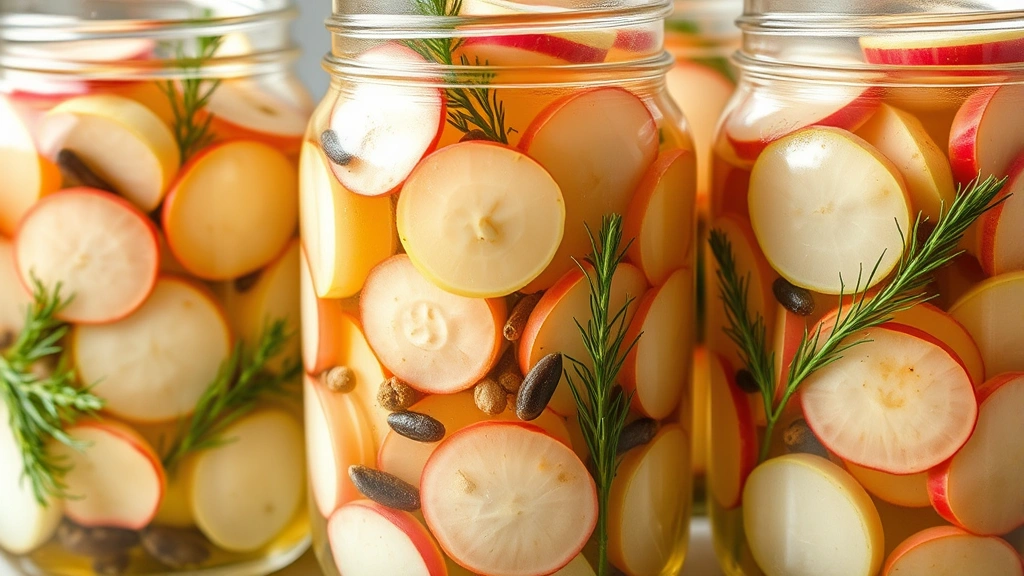
Consider adding spices and aromatics to elevate your pickled radishes beyond basic preparations. Mustard seeds, coriander seeds, and black peppercorns add textural interest and subtle flavors. Fresh garlic cloves, sliced ginger, and fresh herbs like dill, cilantro, or thyme introduce complexity. Some cooks include dried chilies or red pepper flakes for heat, or star anise and cinnamon for warmth. These additions transform your pickled radishes into sophisticated accompaniments that complement diverse cuisines and dishes.
Step-by-Step Pickling Process
Step One: Prepare Your Jars: Sterilize your glass jars before use to ensure food safety and longevity. Wash them thoroughly with hot, soapy water, then either place them in a 200°F oven for ten minutes or submerge them in boiling water for the same duration. Allow them to cool slightly before filling. This step is crucial for preventing bacterial growth and ensuring your pickled radishes remain safe to eat for months.
Step Two: Make the Brine: Combine your vinegar, water, salt, and sugar in a saucepan. Bring the mixture to a boil over medium-high heat, stirring occasionally to ensure the salt and sugar dissolve completely. Once boiling, add your chosen spices and aromatics. Allow the brine to simmer for two to three minutes to infuse the flavors, then remove from heat and let it cool slightly. The brine should be warm but not so hot that it will cause glass jars to crack.
Step Three: Pack the Jars: Distribute your prepared radish slices evenly among the sterilized jars, filling them about three-quarters full. Pack them snugly but not so tightly that the brine can’t circulate. Pour the warm brine over the radishes until they’re completely submerged, leaving about half an inch of headspace at the top. Any radishes exposed to air may develop mold or discoloration.
Step Four: Seal and Cool: Place the jar lids on top and allow the jars to cool completely at room temperature. As they cool, the lids should seal with a satisfying pop sound, indicating proper preservation. If using reusable lids, ensure they’re properly tightened but not overly tight, as the jars need to breathe as they cool.
Step Five: Refrigeration and Patience: Once cooled, transfer your jars to the refrigerator. While technically edible after twenty-four hours, pickled radishes truly develop their best flavor after three to five days. The extended time allows the brine to penetrate the radish tissue fully, creating that perfect balance of crispness and flavor. Check them after a few days and enjoy the transformation.
Flavor Variations and Creative Combinations
One of the greatest advantages of making pickled radishes at home is the ability to customize flavors to match your preferences and intended uses. Creating flavor variations is where your creativity truly shines and where you can develop signature recipes that reflect your culinary style.
Asian-Inspired Version: Substitute rice vinegar for white vinegar and add a tablespoon of soy sauce to your brine. Include sliced ginger, garlic, and a dried red chili pepper. This variation pairs beautifully with sushi, ramen, and Asian noodle dishes. The combination of ginger’s warmth and radish’s peppery bite creates an exciting flavor experience that enhances light, delicate proteins.
Mexican-Style Pickled Radishes (Rabanitos Encurtidos): Use white vinegar and add jalapeño slices, fresh cilantro, cumin seeds, and Mexican oregano. This classic preparation is traditionally served with tacos and carnitas, adding brightness and heat. This version complements low carb dinner recipes beautifully, providing minimal calories while maximizing flavor impact.
Dill and Mustard Version: Incorporate fresh dill, yellow mustard seeds, and a bay leaf for a pickling style reminiscent of traditional cucumber pickles. This variation works exceptionally well with deli sandwiches, charcuterie boards, and gluten and dairy free recipes that need acidic brightness without heavy sauces.
Sweet and Spicy Variation: Add whole star anise, cinnamon sticks, and increased sugar to the brine alongside dried chilies or red pepper flakes. This creates a complex flavor profile with heat, sweetness, and aromatic spice notes. This version pairs wonderfully with roasted vegetables and grain bowls.
Herb-Forward Approach: Experiment with thyme, rosemary, tarragon, or chervil depending on your other dishes. Fresh herbs add sophistication and allow you to create pickled radishes that complement specific meal plans. This approach is particularly useful when you’re planning a specific menu and want your condiments to enhance rather than compete with other flavors.
Feel free to experiment with combinations that appeal to your palate. Some adventurous cooks add horseradish for extra heat, turmeric for earthiness and color, or even a touch of honey for subtle sweetness. Keep detailed notes on your experiments so you can recreate your favorites and refine variations over time.
Storage and Shelf Life Guidelines
Proper storage ensures your pickled radishes maintain their quality and safety for months. Refrigerated pickled radishes typically remain excellent for three to four months, though they’re often consumed much faster because they’re so delicious. The cool temperature preserves the radishes’ crispness and prevents the growth of unwanted bacteria.
Store your jars in the back of the refrigerator rather than on the door, where temperature fluctuations are more pronounced. Consistent cold temperatures maintain the pickles’ texture and flavor integrity. Once you open a jar, ensure radishes remain submerged in brine, adding more if necessary. Any radishes exposed to air may develop mold or become soft.
If you prefer longer shelf life without constant refrigeration, you can process your jars using a water bath canning method. This requires sterilized jars with proper lids, submersion in boiling water for ten minutes, and careful attention to safety protocols. Properly canned pickled radishes can last a year or more in a cool, dark pantry. However, for most home cooks, refrigeration is simpler and perfectly adequate.
Always inspect jars before consuming. Signs of spoilage include cloudy brine, mold growth, off-putting odors, or soft radishes. Discard any jars showing these indicators immediately. When in doubt, throw them out—food safety is paramount.
Serving Suggestions and Pairings
Pickled radishes are incredibly versatile condiments that enhance countless dishes across multiple cuisines. Their bright acidity and crisp texture provide textural contrast and flavor complexity to meals that might otherwise feel flat or one-dimensional.
Mexican Cuisine: Serve alongside tacos, enchiladas, and quesadillas. The tangy radishes cut through rich meats and creamy sauces, cleansing your palate between bites. They’re particularly spectacular with carnitas, barbacoa, or al pastor preparations.
Asian Applications: Use ginger-garlic variations as accompaniments to sushi, ramen, rice bowls, and stir-fries. The radishes add crunch and acidity that balances rich broths and fatty proteins. They’re also excellent palate cleansers between different sushi pieces.
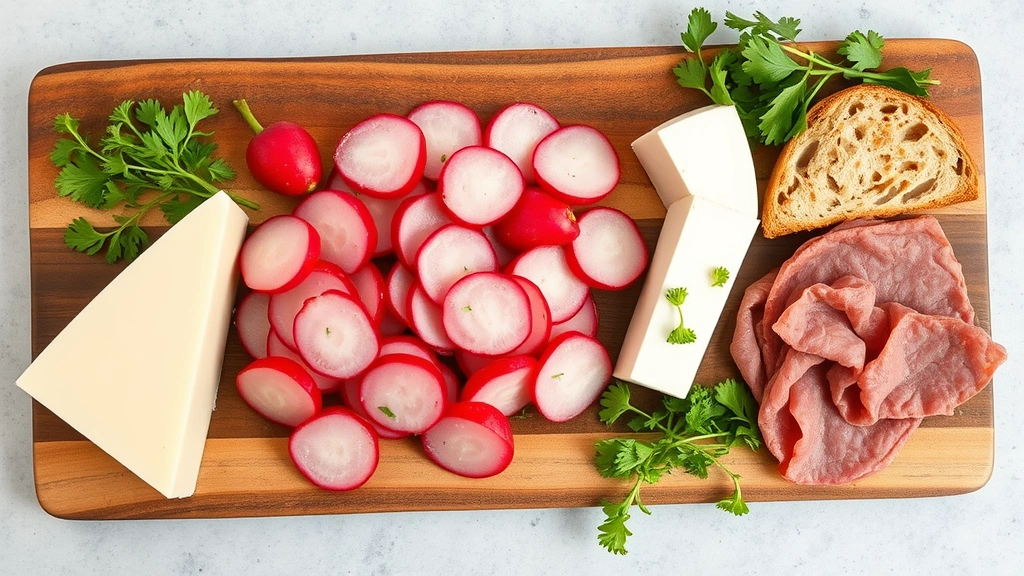
Charcuterie and Cheese Boards: Pickled radishes add color, acidity, and textural interest to composed boards. They pair beautifully with soft cheeses, cured meats, and crusty bread. The acidity cuts through rich, fatty components, making each bite more satisfying.
Sandwich Enhancement: Layer pickled radishes into sandwiches and wraps for added crunch and brightness. They’re particularly excellent in vegetarian sandwiches where their peppery bite provides the complexity that might otherwise come from meat.
Grain and Vegetable Bowls: Top Buddha bowls, grain salads, and roasted vegetable dishes with pickled radishes for textural contrast and acidic brightness. They work particularly well in preparations featuring creamy dressings or rich ingredients like avocado or tahini.
Seafood Pairings: Serve with best seafood recipes, from simple grilled fish to elaborate ceviche preparations. The acidity complements delicate fish flavors without overwhelming them, while the crispness provides textural interest.
You can also use pickled radishes in how to make homemade sauces by chopping them finely and incorporating them into vinaigrettes, mayonnaise-based condiments, or fresh salsas. They add unexpected depth and complexity that elevates simple preparations into something memorable.
Consider serving pickled radishes alongside Instant Pot rice recipe preparations for an easy weeknight meal elevated with homemade condiments. The contrast between creamy rice, protein, and tangy radishes creates satisfying, well-balanced bowls.
FAQ
How long do pickled radishes take to be ready to eat?
While technically edible after twenty-four hours, pickled radishes reach their optimal flavor after three to five days of refrigeration. The extended time allows the brine to fully penetrate the radish tissue, creating the perfect balance of crispness and flavor complexity. Patience truly rewards you with superior results.
Can I reuse the pickling brine?
Yes, you can reuse brine for one or two additional batches, though flavor intensity diminishes with each use. The brine absorbs flavors from the radishes, so subsequent batches may taste slightly less vibrant. For best results, refresh the brine with additional vinegar and spices if reusing, or make fresh brine for optimal flavor.
Why do my pickled radishes become soft?
Soft radishes typically result from using overly large specimens, cutting them too thinly, or storing them at room temperature rather than refrigerated. Additionally, extended storage beyond four months may soften their texture. Choose smaller radishes, maintain consistent slice thickness, and always refrigerate for maximum crispness.
Are pickled radishes safe for pregnant women?
Properly prepared, refrigerated pickled radishes are safe during pregnancy. The vinegar and salt create an acidic environment that prevents bacterial growth. However, always ensure jars are properly sterilized and radishes remain submerged in brine. When in doubt, consult with your healthcare provider about any specific dietary concerns.
Can I make pickled radishes without vinegar?
While vinegar is the traditional pickling agent that provides preservation and characteristic tang, you could experiment with lemon juice or lime juice as substitutes. However, these alternatives may not provide adequate preservation for long-term storage. For food safety, use properly acidic ingredients with pH levels below 4.6 for shelf-stable preservation.
What’s the difference between quick pickling and traditional pickling?
Quick pickling, which is the method described in this guide, involves refrigerating vegetables in brine without heat processing. These pickles remain fresh and crisp but require refrigeration and last several months. Traditional pickling involves water bath canning, creating shelf-stable products lasting a year or more but requiring more equipment and careful technique.


