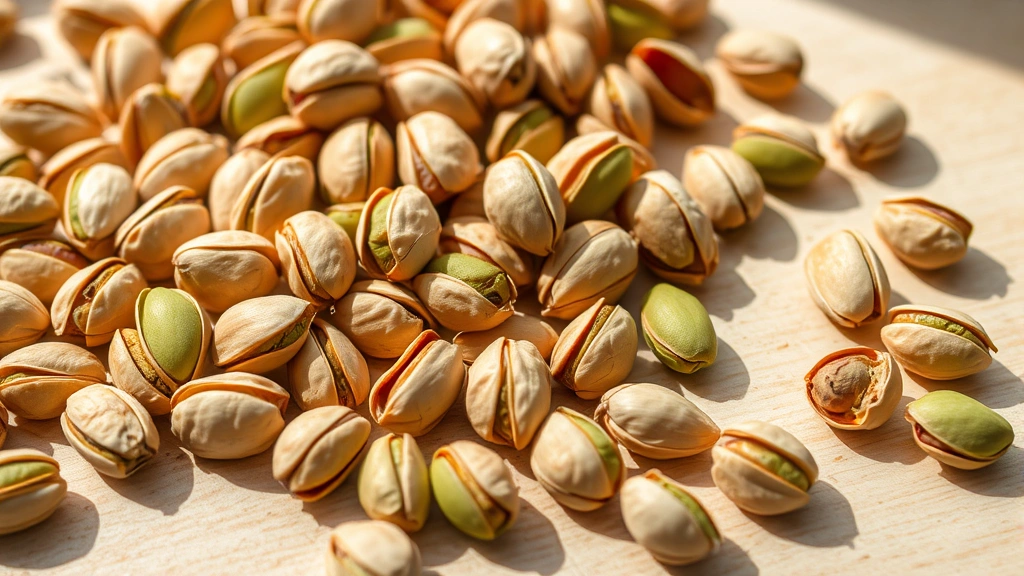
Pistachio Cream Recipe: A Proven Delightful Treat
Pistachio cream is one of those luxurious spreads that tastes like an indulgence but comes together with just a handful of ingredients. Whether you’re spreading it on toast, swirling it into yogurt, or using it as a decadent dip, homemade pistachio cream delivers rich, nutty flavor that commercial versions simply cannot match. The beautiful pale green hue and creamy texture make this recipe a showstopper for any occasion, from casual weeknight snacks to impressive dinner party desserts.
Making pistachio cream at home is surprisingly straightforward, yet the results feel gourmet. The process relies on breaking down roasted pistachios until their natural oils release, creating a silky spread without any added butter or oils—though you can add a touch if you prefer extra richness. This recipe requires patience and a good food processor, but the reward is pure pistachio bliss that outshines anything you’ll find on store shelves.
Why Make Homemade Pistachio Cream
Store-bought nut butters often contain added sugars, preservatives, and fillers that dilute the authentic pistachio flavor. When you make pistachio cream from scratch, you control every single ingredient, ensuring maximum purity and taste. The process is also incredibly therapeutic—watching whole pistachios transform into creamy goodness is deeply satisfying.
Pistachio cream offers impressive nutritional benefits. Pistachios are packed with protein, healthy monounsaturated fats, and fiber, making this spread far more nutritious than many dessert options. They’re also rich in antioxidants and have been linked to heart health benefits. If you’re interested in exploring other nutrient-dense options, check out our guide on foods rich in antioxidants to understand how pistachios fit into a wellness-focused diet.
The versatility of homemade pistachio cream makes it worth the minimal effort. Unlike some nut butters that work primarily as spreads, pistachio cream seamlessly transitions between sweet and savory applications. You can incorporate it into breakfast recipes, use it in baking, or even create elegant appetizers with it.

Essential Ingredients and Substitutions
The beauty of this recipe lies in its simplicity. You need just one primary ingredient: roasted, unsalted pistachios. The quality of your pistachios directly impacts the final product, so choose fresh nuts from reputable sources. Avoid pistachios with visible mold or off odors.
Core Ingredients:
- Roasted unsalted pistachios – 2 cups (about 10 ounces), the foundation of your cream
- Sea salt – ¼ teaspoon, to enhance the pistachio flavor
- Honey or maple syrup – 1-2 tablespoons (optional), for subtle sweetness
- Neutral oil – 1-2 tablespoons (optional), if you prefer ultra-smooth texture
Optional Flavor Boosters:
- Vanilla extract – ½ teaspoon for depth
- Cinnamon – ⅛ teaspoon for warmth
- Cocoa powder – 1 tablespoon for chocolate-pistachio fusion
- Cardamom – pinch for exotic flair
When selecting pistachios, understanding organic versus non-organic options helps you make informed choices. Organic pistachios may cost more but often have fewer pesticide residues.
Equipment Needed:
- Food processor with at least 7-cup capacity
- Rubber spatula for scraping
- Measuring spoons and cups
- Airtight glass jars for storage
- Optional: high-powered blender for extra-smooth results
Step-by-Step Instructions
Step 1: Prepare Your Pistachios
Start with roasted, unsalted pistachios. If you have raw pistachios, roast them yourself at 350°F for 10-12 minutes until fragrant, stirring halfway through. Some people prefer to remove the thin papery skin by rubbing the cooled pistachios in a kitchen towel, though this is entirely optional and won’t affect the final flavor significantly. Removing skins creates a lighter-colored cream, which appeals to some but isn’t necessary for taste.
Step 2: Begin Processing
Pour your 2 cups of roasted pistachios into the food processor bowl. Pulse 8-10 times to break the nuts into smaller pieces. This initial stage prevents your machine from overheating and helps distribute the workload evenly. You’ll notice the nuts becoming coarser and releasing their oils slightly.
Step 3: First Processing Phase (3-5 minutes)
Process continuously for 3-5 minutes, scraping down the sides every 30 seconds. During this phase, the pistachios will progress from coarse crumbles to damp flour-like texture. You might hear the machine working harder, which is normal. The pistachios are beginning to release their natural oils, which is crucial for achieving that creamy consistency.
Step 4: Second Processing Phase (5-10 minutes)
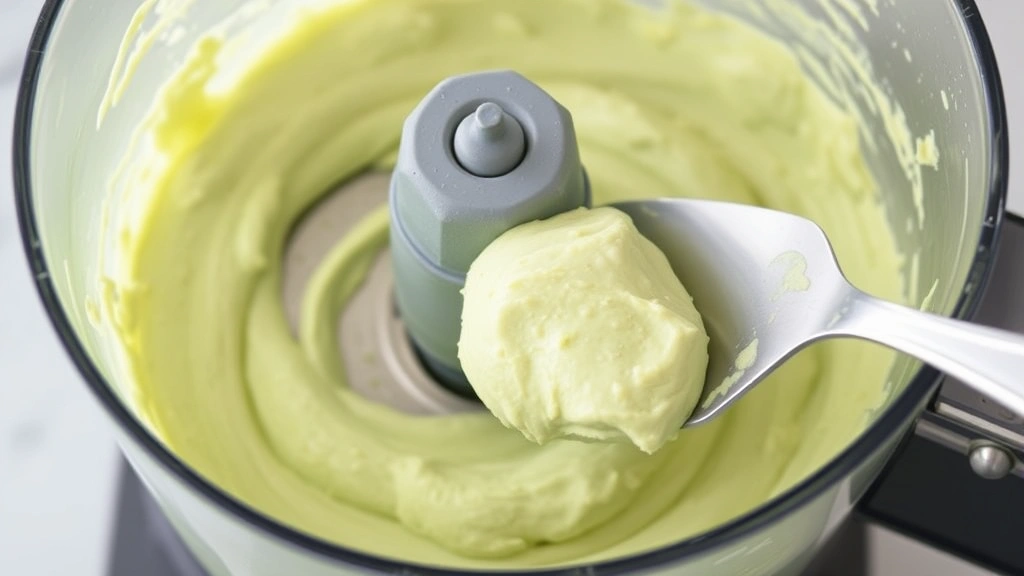
Continue processing for another 5-10 minutes, scraping frequently. This is where the magic happens. The mixture will suddenly transform from dry and crumbly to creamy and smooth. The natural oils have fully released, creating that luxurious pistachio butter texture. Be patient—this phase requires more processing time than you might expect, but stopping too early results in chunky, unsatisfactory cream.
Step 5: Add Optional Ingredients
Once you’ve achieved a smooth, creamy consistency, add salt and any flavor enhancers. Process for another 30-60 seconds to fully incorporate. If you want extra sweetness, add honey or maple syrup at this point. For those seeking foods to avoid for weight loss, remember that pistachio cream is calorie-dense but nutrient-rich, so portion control matters more than avoidance.
Step 6: Final Texture Adjustment
If your cream seems slightly thick, add 1 tablespoon of neutral oil (almond, coconut, or avocado oil work beautifully) and process briefly. Aim for a spreadable consistency—thick enough to hold its shape but smooth enough to spread easily on toast.
Step 7: Transfer and Cool
Spoon your pistachio cream into clean glass jars while still warm. The cream will thicken slightly as it cools to room temperature. Let it sit undisturbed for 2-3 hours before sealing and refrigerating.
Flavor Variations and Enhancements
Once you’ve mastered the basic recipe, experimenting with flavor variations keeps things exciting. The versatility of pistachio cream means you can create numerous delicious iterations.
Chocolate Pistachio Cream
Add 2-3 tablespoons of unsweetened cocoa powder and 1-2 tablespoons of honey during the final processing stage. This creates a sophisticated spread that rivals commercial hazelnut-chocolate spreads but with superior flavor complexity.
Honey Cardamom Pistachio Cream
Incorporate 2 tablespoons of honey and ¼ teaspoon of ground cardamom for a Middle Eastern-inspired twist. This variation pairs wonderfully with warm bread or as a filling for pastries.
Vanilla Bean Pistachio Cream
Scrape the seeds from one vanilla bean pod and add them along with ½ teaspoon of vanilla extract. This elevates the cream to dessert-worthy status and works beautifully in baking applications.
Salted Pistachio Cream
Some prefer a more pronounced salty-sweet profile. Increase the sea salt to ½ teaspoon and add 1 tablespoon of honey for balance. This version is exceptional on dark chocolate or apple slices.
Spiced Pistachio Cream
Combine ⅛ teaspoon each of cinnamon, nutmeg, and ginger with a pinch of cloves. This warm, aromatic version works beautifully in granola bars and other baked goods.
For those planning meals strategically, pistachio cream fits well into easy dinner recipes when used as a sauce base or finishing element for vegetables and proteins.
Storage and Shelf Life
Proper storage extends your pistachio cream’s shelf life and maintains its quality. Glass jars with airtight lids are ideal, as they protect the cream from light and air exposure while allowing you to monitor the contents.
Refrigerator Storage: Your pistachio cream will keep for 2-3 weeks in the refrigerator. The natural oils may separate slightly and rise to the top—this is completely normal. Simply stir before using, or leave it as is if you prefer extra richness.
Freezer Storage: For longer preservation, freeze pistachio cream in ice cube trays, then transfer the frozen cubes to freezer bags. This method allows you to use small portions without thawing the entire jar. Frozen pistachio cream keeps for up to 3 months.
Room Temperature: Pistachio cream can sit at room temperature for 1-2 days without issue, though refrigeration is recommended for food safety. If your kitchen runs particularly warm, refrigerate immediately.
Signs of Spoilage: Discard your pistachio cream if you notice mold, an off smell, or rancid taste. The high oil content means rancidity is possible, though rare with proper storage.
Serving Suggestions
The versatility of homemade pistachio cream opens countless serving possibilities. Here are proven applications that showcase this delightful treat:
Simple Spreads: Toast whole grain bread and spread pistachio cream generously. Top with fresh berries, sliced banana, or a drizzle of honey for balanced flavor.
Breakfast Integration: Swirl pistachio cream into yogurt or oatmeal for a protein-boosted breakfast. The creamy texture contrasts beautifully with granola or fresh fruit.
Dessert Applications: Use as a filling for pastries, layer into cheesecake, or dollop onto brownies. Pistachio cream pairs exceptionally well with dark chocolate and vanilla.
Savory Uses: Create a unique dip for vegetables by thinning pistachio cream with lemon juice and adding fresh herbs. This unexpected application impresses guests and demonstrates the ingredient’s versatility.
Baking Ingredient: Incorporate pistachio cream into cookie doughs, cake batters, or frosting recipes for sophisticated nut flavor without grinding pistachios separately.
Sauce Base: Thin with milk or cream to create a luxurious sauce for grilled chicken, fish, or roasted vegetables.
Troubleshooting Common Issues
Cream Won’t Become Smooth
If your pistachio cream remains chunky after 15 minutes of processing, your machine may lack sufficient power. Try adding 1 tablespoon of neutral oil and continuing to process. High-powered blenders work better than standard food processors for ultra-smooth results. Alternatively, culinary education resources often discuss advanced techniques for achieving optimal nut butter consistency.
Cream Tastes Bitter
Bitterness indicates over-roasted pistachios or over-processing that generates excess heat. For future batches, use pistachios roasted at lower temperatures or for shorter durations. If your current batch tastes bitter, add 1-2 tablespoons of honey to mask the flavor.
Cream Separates Excessively
Natural oil separation is normal, but excessive separation suggests too much oil content. Stir before using, or reduce the amount of added oil in your next batch. Some separation is actually desirable, as it indicates natural oils without additives.
Cream Is Too Thick
Add neutral oil one tablespoon at a time while processing until you reach desired consistency. Start with almond oil or avocado oil for complementary flavors.
Cream Is Too Thin
Process for additional 5-minute intervals without adding oil. Sometimes the natural oils need more processing time to fully develop the right consistency. Alternatively, refrigerate for several hours, as the cream thickens considerably when chilled.
Mold Appears in Storage
This indicates moisture contamination. Always use completely dry utensils and jars. Store in the refrigerator immediately after making, and ensure the lid seals properly. If mold appears, discard the entire batch.
FAQ
Can I use raw pistachios instead of roasted?
Raw pistachios will produce pistachio cream, but the flavor will be noticeably less rich and complex. Roasting brings out the natural oils and deepens the nutty taste. If using raw pistachios, roast them yourself at 350°F for 10-12 minutes before processing.
How much pistachio cream should I eat per serving?
A standard serving is 2 tablespoons, which provides approximately 180-200 calories and significant protein. While pistachio cream is nutrient-dense, portion control matters due to its caloric density. Use it as a spread rather than eating it by the spoonful.
Is pistachio cream safe for people with tree nut allergies?
No. Pistachios are tree nuts, so pistachio cream is unsafe for anyone with tree nut allergies. Always disclose ingredients when serving to guests with allergies.
Can I make pistachio cream in a blender instead of a food processor?
High-powered blenders like Vitamix or Ninja work exceptionally well for pistachio cream, often producing smoother results than food processors. Standard blenders may struggle with the thickness and could overheat. If using a blender, work in shorter intervals and monitor temperature.
Why is my pistachio cream more expensive than store-bought versions?
Homemade pistachio cream uses 100% pistachios, while many commercial brands include fillers, oils, and additives. You’re paying for pure ingredient quality and the elimination of preservatives. The nutritional profile is also superior.
Can I add salt to pistachio cream that’s already made?
Yes, but it won’t incorporate as smoothly as salt added during processing. If you forget salt, sprinkle it on top and stir thoroughly, or process briefly to distribute it evenly.
What’s the difference between pistachio cream and pistachio butter?
These terms are often used interchangeably. Pistachio butter technically refers to the spread made purely from pistachios, while pistachio cream might contain added ingredients like honey or oil. This recipe produces true pistachio butter with optional additions.
Can I make pistachio cream with salted pistachios?
You can, but you’ll need to reduce or eliminate the added salt to avoid an overly salty final product. For best results, start with unsalted roasted pistachios and control the salt content yourself.
Is pistachio cream suitable for vegan diets?
Absolutely. Pistachio cream is naturally vegan, containing only plant-based ingredients. It’s perfect for vegan baking, spreading, and cooking applications.
How do I know if my pistachios are fresh?
Fresh pistachios smell sweet and nutty without any rancid or musty odors. Check the color—they should be vibrant green without dark spots or discoloration. Purchase from reputable sources with high turnover to ensure freshness.


