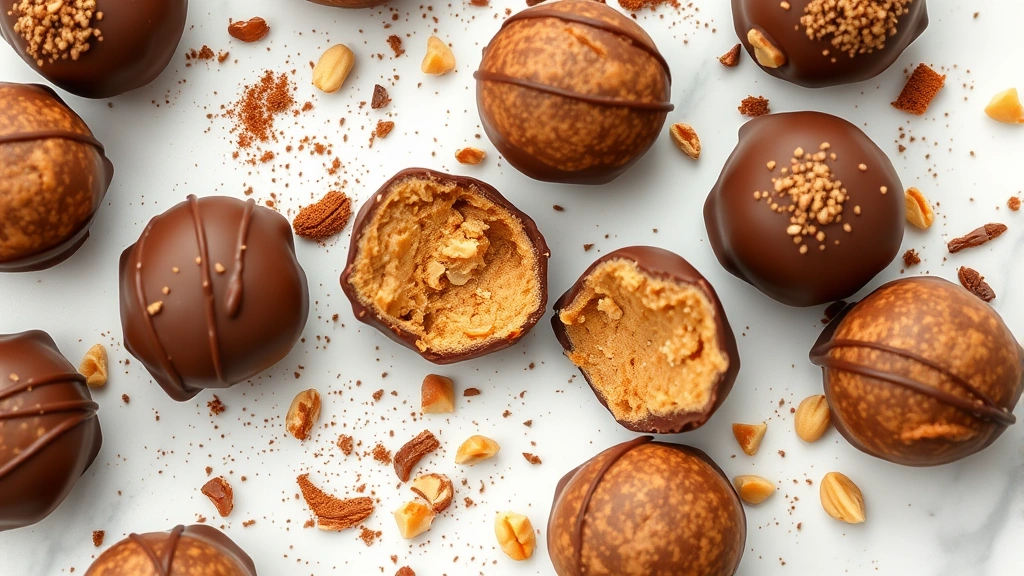
Protein Balls Recipe: Nutritionist Approved Energy Bites
Protein balls have become a staple in health-conscious kitchens, offering a convenient way to boost your daily protein intake while satisfying sweet cravings. Whether you’re an athlete recovering from intense training or simply looking for nutritious snacks to power through your day, these no-bake treats deliver impressive nutritional benefits without requiring any baking expertise. Unlike traditional desserts loaded with refined sugars, protein balls recipes focus on whole food ingredients that provide sustained energy and muscle support.
The beauty of making homemade protein balls lies in their versatility and simplicity. You can customize them based on your dietary preferences, available ingredients, and flavor preferences. From chocolate peanut butter combinations to tropical coconut variations, the possibilities are nearly endless. What makes these bites particularly appealing is that they require minimal preparation time—most recipes come together in under 15 minutes—and can be stored in your refrigerator or freezer for convenient grab-and-go snacking throughout the week.
In this comprehensive guide, we’ll explore everything you need to know about creating delicious, nutritionist-approved protein balls that align with your health goals. We’ll cover ingredient selection, step-by-step preparation methods, flavor variations, storage techniques, and nutritional information to help you make informed choices about your snacking habits.
Understanding Protein Balls and Their Nutritional Benefits
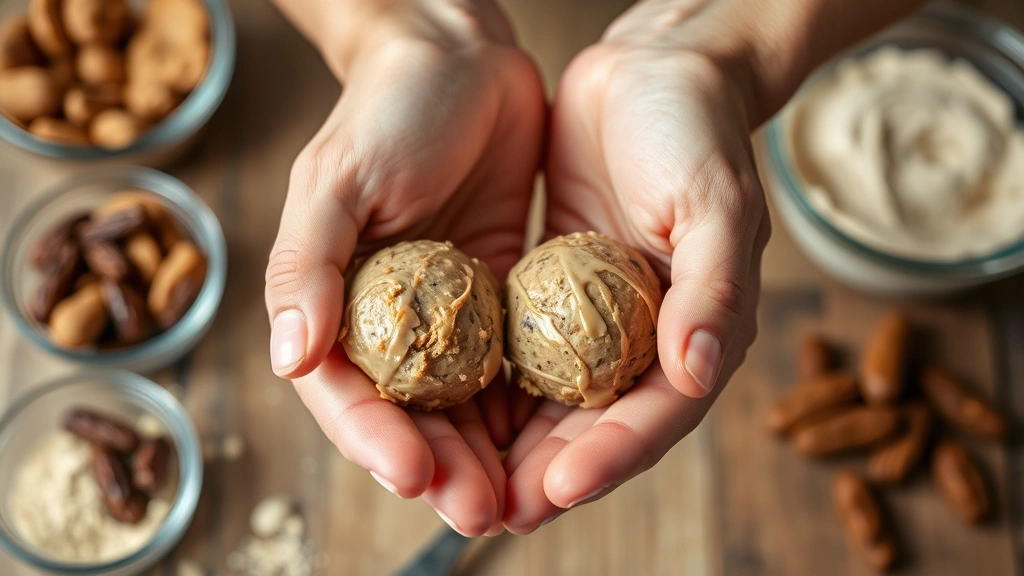
Protein balls represent a modern approach to snacking that emphasizes whole food nutrition. Unlike commercial protein bars loaded with preservatives and artificial sweeteners, homemade versions allow you to control every ingredient that goes into your body. These energy bites typically combine protein-rich components like protein powder, nuts, seeds, and nut butters with binding agents such as dates, honey, or nut butters to create satisfying, bite-sized portions.
The nutritional profile of protein balls makes them an excellent choice for various dietary goals. They provide essential amino acids necessary for muscle recovery and maintenance, healthy fats that support hormone production and nutrient absorption, and fiber that promotes digestive health and sustained energy release. When made with quality ingredients, a single protein ball can deliver 5-10 grams of protein, making them particularly valuable for post-workout recovery or bridging gaps between meals.
Nutritionists frequently recommend evidence-based sports nutrition resources that support the inclusion of protein-rich snacks in balanced diets. The key to maximizing health benefits lies in ingredient selection and portion control. By choosing natural sweeteners and whole food proteins, you create snacks that stabilize blood sugar levels and prevent the energy crashes associated with refined sugar consumption.
Consider pairing your protein balls with other comfort food recipes as part of a balanced eating approach. While comfort foods have their place, incorporating nutritious snacks ensures you’re meeting your daily nutritional requirements consistently.
Essential Ingredients for Perfect Protein Balls
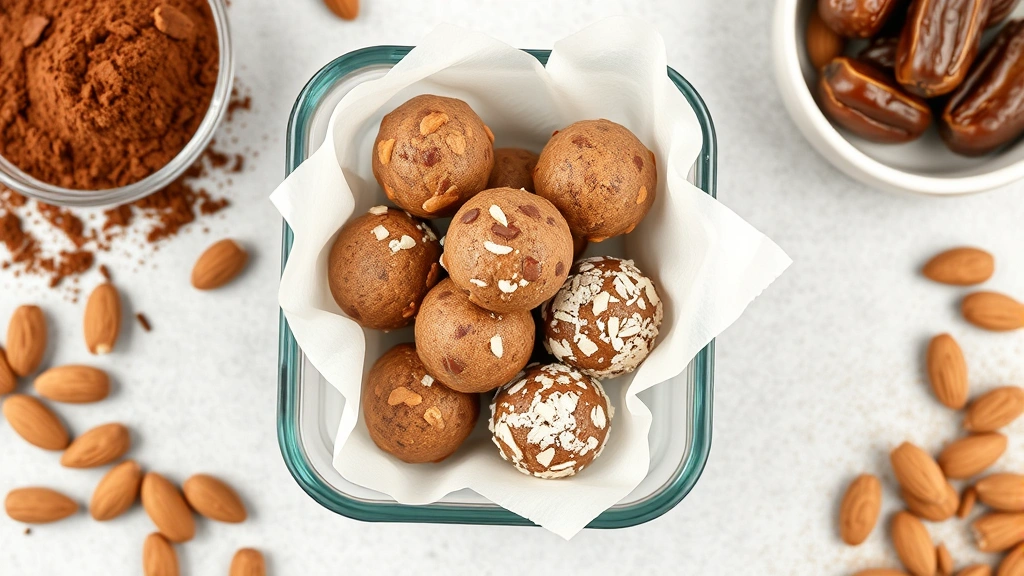
Creating superior protein balls begins with understanding the role each ingredient plays in the final product. The foundation typically consists of three main component categories: protein sources, binders, and flavor enhancers. Mastering the balance between these elements ensures you achieve the ideal texture and taste profile.
Protein Sources
Your primary protein component sets the foundation for your balls. Whey protein powder remains the most popular choice due to its neutral flavor profile and excellent mixing properties. However, plant-based options like pea protein, hemp protein, or brown rice protein cater to vegan preferences while maintaining impressive amino acid profiles. When selecting protein powder, check the ingredient list for minimal additives and avoid products with excessive artificial sweeteners or flavorings.
Greek yogurt serves as an excellent natural protein source when you prefer avoiding powders entirely. Cottage cheese offers similar benefits with slightly different texture characteristics. Nuts and seeds including almonds, walnuts, pumpkin seeds, and sunflower seeds contribute both protein and healthy fats that enhance satiety.
Binders and Base Components
Binders hold your protein balls together and contribute to their chewy texture. Natural nut butters—peanut, almond, or cashew—work exceptionally well due to their fat content and ability to create cohesive mixtures. Dates represent the gold standard for natural sweetening and binding. Soak them briefly in warm water if they’ve become too dry, then blend into a smooth paste. Honey, maple syrup, or coconut oil provide additional binding properties and subtle flavor contributions.
Flavor Enhancers and Mix-ins
Cocoa powder creates classic chocolate variations, while vanilla extract adds depth to most recipes. Cinnamon, nutmeg, and cardamom introduce warming spices that complement nut and chocolate flavors beautifully. Mix-ins like dark chocolate chips, shredded coconut, and chopped nuts add textural interest and additional nutritional value.
Step-by-Step Recipe Instructions
Classic Chocolate Peanut Butter Protein Balls Recipe
This foundational recipe serves as an excellent starting point for beginners and provides a template for endless variations.
Ingredients:
- 1 cup natural peanut butter
- 1/2 cup vanilla protein powder
- 1/3 cup honey or maple syrup
- 1 cup ground oats
- 1/2 cup dark chocolate chips
- 1 teaspoon vanilla extract
- Pinch of sea salt
Instructions:
- Combine dry ingredients: In a large mixing bowl, combine protein powder, ground oats, and sea salt. Whisk thoroughly to ensure even distribution and break up any clumps in the protein powder. This step prevents pockets of unmixed powder in your finished balls.
- Mix wet ingredients: In a separate bowl, combine peanut butter, honey, and vanilla extract. Stir until completely smooth. If your peanut butter is particularly thick, warm it slightly in the microwave for 15-20 seconds to improve workability.
- Combine mixtures: Pour wet ingredients into dry ingredients, stirring with a sturdy spoon or wooden spatula. Mix until a dough-like consistency forms. The mixture should hold together when pressed but shouldn’t feel overly wet or sticky.
- Fold in chocolate: Gently fold dark chocolate chips into the mixture, distributing them evenly throughout. Reserve a few chips for pressing into the tops of finished balls if desired.
- Portion and shape: Using a cookie scoop or tablespoon, portion mixture into roughly equal sizes. Roll between your palms to create smooth, uniform balls. For easier handling, lightly dampen your hands with water to prevent sticking.
- Chill: Place finished balls on a parchment-lined baking sheet and refrigerate for at least 2 hours. This firming period makes them easier to handle and improves texture.
- Optional coating: If desired, melt additional chocolate and dip balls halfway, allowing excess to drip off. Place on parchment paper and refrigerate until chocolate sets.
This recipe yields approximately 24 protein balls, each containing roughly 7 grams of protein and 150-170 calories. Adjust ingredient proportions based on your specific protein powder’s absorption rate—some brands require slightly more or less liquid.
Flavor Variations and Creative Combinations
Coconut Almond Protein Balls
Replace peanut butter with almond butter and add 1 cup shredded unsweetened coconut to the dry ingredients. Substitute chocolate chips with additional coconut flakes and consider adding 1/2 teaspoon coconut extract for enhanced flavor. This variation pairs beautifully with tropical smoothies and provides a lighter taste profile.
Cookies and Cream Protein Balls
Combine vanilla protein powder with crushed vanilla wafers or sugar-free cookies. Use cream cheese (softened) alongside peanut butter as your binding agent. Fold in dark chocolate chips for contrast. These balls deliver nostalgic flavors while maintaining impressive nutritional value.
Espresso Chocolate Protein Balls
Add 2 tablespoons instant espresso powder to the dry ingredients and increase vanilla extract to 1.5 teaspoons. Chocolate lovers will appreciate the sophisticated coffee notes that complement cocoa powder beautifully. These work wonderfully as post-lunch energy boosters.
Maple Walnut Spice Balls
Replace honey with pure maple syrup and use walnut butter as your primary fat source. Add 1 teaspoon cinnamon, 1/4 teaspoon nutmeg, and 1/8 teaspoon cloves to the dry ingredients. These fall-inspired balls evoke cozy seasonal flavors while delivering sustained energy.
Berry Protein Balls
Incorporate 1/2 cup freeze-dried berries (crushed) into your dry ingredients. Use honey as your sweetener and add 1 teaspoon lemon zest for brightness. These lighter variations work excellently for breakfast pairings or pre-workout snacking.
The versatility of protein balls allows you to experiment continuously. Start with the classic chocolate peanut butter version, then gradually explore variations as you become comfortable with the basic technique. Many cooks find that creating protein balls becomes a creative outlet while supporting their nutritional goals.
Storage and Shelf Life Guidelines
Refrigerator Storage
Most protein balls maintain optimal quality when stored in an airtight container in your refrigerator for up to two weeks. Layer them between parchment paper to prevent sticking. This storage method works best for balls with chocolate coatings or particularly soft textures.
Freezer Storage
For extended storage, freeze protein balls in freezer-safe containers for up to three months. They thaw quickly at room temperature—usually within 10-15 minutes—making them convenient for meal planning. Frozen balls actually work wonderfully as natural cooling elements in lunch containers, keeping other foods at safe temperatures while they gradually thaw.
Room Temperature Considerations
Protein balls made with nut butters and minimal liquid can sit at room temperature for 3-4 days, though refrigeration extends their shelf life considerably. Avoid leaving them in direct sunlight or warm environments, as nut butters can separate and chocolate coatings may melt.
Freshness Indicators
Quality protein balls should smell pleasant and feel firm but slightly yielding when pressed. Discard any balls that develop off-odors, visible mold, or unusual discoloration. Properly stored balls maintain their nutritional value throughout their shelf life, though some ingredient separation may occur naturally.
Nutritional Information and Health Benefits
Understanding the nutritional breakdown helps you make informed decisions about incorporating protein balls into your diet. A standard chocolate peanut butter ball contains approximately:
- Calories: 150-170 per ball
- Protein: 7-10 grams
- Fat: 8-10 grams (primarily unsaturated)
- Carbohydrates: 12-15 grams
- Fiber: 2-3 grams
- Sugar: 8-10 grams (primarily from natural sources)
These nutritional metrics make protein balls an excellent choice for post-workout recovery when combined with carbohydrate sources. The protein supports muscle protein synthesis, while the natural carbohydrates replenish depleted glycogen stores. This combination is particularly valuable after resistance training sessions.
For weight management goals, protein balls satisfy cravings with minimal calories while providing satiety through protein and healthy fat content. Their convenience reduces reliance on processed snack foods, supporting overall dietary quality. When considering meal planning, think about pairing protein balls with other fried chicken wings recipe concepts—not as direct pairings, but as alternatives when seeking lighter nutritional profiles.
Athletes appreciate that homemade protein balls allow precise control over sugar content, enabling customization based on training phases. During high-intensity training periods, increased natural sugar content supports energy demands, while maintenance phases benefit from reduced sweetener ratios.
Research from the American College of Sports Medicine supports protein consumption timing around exercise windows, making protein balls an ideal snack choice for active individuals. The no-bake preparation method preserves heat-sensitive nutrients that might otherwise degrade during cooking processes.
Common Mistakes to Avoid
Overmixing the Batter
Excessive mixing can develop gluten in oat-based recipes or create an overly dense texture. Mix just until ingredients combine thoroughly, then stop. Your hands are actually an excellent mixing tool for the final combination, as you can feel when the mixture reaches the proper consistency.
Using Low-Quality Protein Powder
Cheap protein powders often contain excessive fillers, artificial sweeteners, and poor-quality proteins that don’t mix smoothly. Invest in reputable brands that list clean ingredients. This directly impacts both texture and taste of your finished balls.
Incorrect Moisture Balance
Too-dry mixtures crumble during rolling, while overly wet mixtures fail to hold shape. If your mixture seems too dry, add liquid one tablespoon at a time. If too wet, incorporate additional protein powder or oats incrementally. Different protein powder brands have varying absorption rates, so adjustments are normal.
Skipping the Chilling Period
Attempting to shape and coat uncooled balls results in sticky, misshapen products. The chilling period is essential for proper texture development and handling. Plan accordingly when preparing for events or meal prep sessions.
Forgetting About Ingredient Quality
Natural nut butters without added oils or sugars produce superior results compared to conventional brands. Organic dates and high-quality chocolate chips make noticeable differences in final flavor. View ingredient selection as an investment in your health rather than an unnecessary expense.
Inconsistent Portion Sizes
Using different sized scoops or rolling to varying sizes creates inconsistent cooking times and nutritional values. Invest in a small cookie scoop to ensure uniformity. Consistent sizing also improves presentation and makes tracking nutritional intake more accurate.
When you’re comfortable with basic protein ball preparation, explore making hash brown casserole recipe variations or other meal prep-friendly items. The skills developed through protein ball creation transfer well to other no-bake cooking techniques.
Frequently Asked Questions
How long do protein balls last in the refrigerator?
Properly stored protein balls maintain quality for 10-14 days in an airtight container. The exact timeframe depends on specific ingredients used—balls with fresh nut butters may have slightly shorter shelf lives than those made with stabilized versions. Always check for signs of spoilage before consuming.
Can I make protein balls without protein powder?
Absolutely. Combine Greek yogurt, cottage cheese, nuts, seeds, and dried fruits to create protein-rich balls without powder. These versions work beautifully and often have more interesting textures. You may need to adjust liquid ratios since yogurt provides moisture that powder doesn’t.
Are protein balls suitable for diabetics?
Yes, when made with sugar-free sweeteners like stevia or monk fruit. Replace honey with these alternatives in a 1:1 ratio. The protein and fiber content helps stabilize blood sugar levels, making protein balls an excellent snack choice for blood sugar management. Consult with healthcare providers regarding individual dietary needs.
Can I use plant-based protein powder?
Plant-based proteins work excellently in protein balls. Pea, hemp, and rice proteins each have distinct flavor profiles. Some require slightly different liquid ratios due to varying absorption rates. Experiment to find your preferred plant-based option.
What’s the best way to prevent protein balls from becoming too hard?
Store them in airtight containers with parchment layers separating each ball. Avoid freezing if you prefer softer texture. Adding slightly more nut butter or honey during preparation creates softer final products. Some hardening is natural and actually improves texture slightly—completely soft balls may feel too dense.
Can protein balls be made ahead for the week?
Yes, this is one of their greatest advantages. Prepare a large batch on Sunday and portion into daily servings. Most variations maintain quality throughout the week when properly stored. This meal prep approach saves time and ensures consistent healthy snacking habits.
Are there nut-free protein ball options?
Absolutely. Replace nut butters with sunflower seed butter, tahini, or coconut butter. Use seeds and dried fruits as mix-ins instead of nuts. These alternatives provide similar nutritional profiles while accommodating allergies or preferences.
How do I know when my mixture has the right consistency?
The mixture should hold together firmly when pressed but shouldn’t feel sticky or wet. You should be able to roll it into balls without them falling apart, yet they shouldn’t require excessive pressure to shape. Think of the consistency of packed cookie dough—that’s your target.
Can I customize protein balls for specific dietary goals?
Completely. For muscle building, increase protein powder and nut butter ratios. For weight loss, reduce sweeteners and increase fiber from oats and seeds. For endurance athletes, increase carbohydrates through dates and dried fruits. Your specific goals determine optimal ingredient ratios.
What’s the difference between protein balls and protein bars?
Protein balls are typically no-bake spherical snacks with varied textures, while bars are pressed into rectangular shapes and sometimes require baking. Balls offer more textural variety and often use whole food ingredients more prominently. Both serve similar nutritional purposes but have different preparation methods and eating experiences.
Creating chicken and gravy recipe dishes and protein balls represents a balanced approach to nutrition. While traditional comfort foods have their place, incorporating protein-rich snacks ensures comprehensive nutritional support throughout your day.
Mastering protein ball preparation opens doors to countless variations and creative explorations. Start with the classic chocolate peanut butter version, practice until you achieve consistent results, then gradually experiment with different flavor combinations. Your personalized protein ball recipe becomes a reliable tool for supporting your health goals while satisfying your taste preferences. Whether you’re an athlete, fitness enthusiast, or simply someone seeking healthier snacking options, these versatile treats deserve a permanent place in your kitchen routine.


