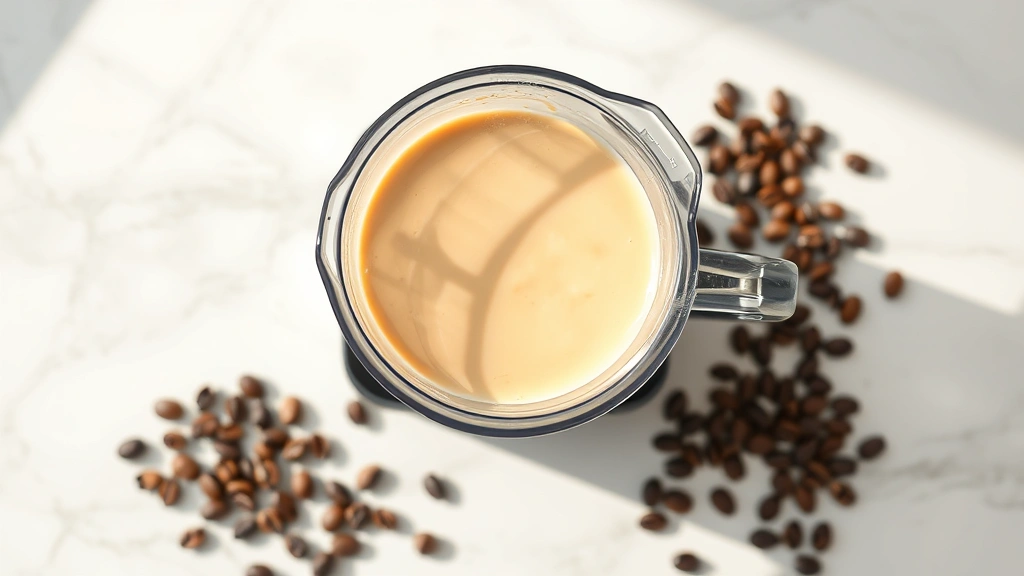
Boost Your Morning: Protein Coffee Recipe, Dietitian Approved
Starting your day with the right nutrition sets the tone for everything that follows. A protein coffee recipe combines two of the most beloved morning staples—coffee and protein—into one delicious, energizing beverage that keeps you satisfied until lunch. Whether you’re rushing out the door or settling in for a leisurely breakfast, this dietitian-approved drink delivers sustained energy, muscle support, and mental clarity without the mid-morning energy crash.
Coffee naturally contains antioxidants and compounds that boost metabolism and mental focus, while protein ensures your body has the building blocks it needs for muscle recovery, hormone production, and sustained satiety. When combined thoughtfully, these elements create a nutritional powerhouse that transforms your morning routine. This guide walks you through everything you need to know about creating the perfect protein coffee, from selecting ingredients to mastering preparation techniques that maximize flavor and nutrition.

Why Protein Coffee Works for Your Morning
The science behind protein coffee is straightforward but powerful. Your body breaks down protein into amino acids, which are absorbed slowly and steadily, preventing the blood sugar spikes and crashes associated with carbohydrate-heavy breakfasts. When you pair this with coffee’s caffeine—a proven cognitive enhancer—you create a synergistic effect that sharpens focus while maintaining stable energy levels.
Research from nutrition science institutions demonstrates that consuming protein within two hours of waking optimizes muscle protein synthesis, supports metabolic function, and reduces overall caloric intake throughout the day. A single protein coffee can contain 15-30 grams of protein, depending on your chosen source, making it nutritionally comparable to a full breakfast while requiring minimal preparation time.
Athletes and fitness enthusiasts have long recognized the value of post-workout protein, but morning protein intake matters equally for everyone. It supports immune function, helps regulate appetite hormones like ghrelin and peptide YY, and provides sustained mental energy for focused work. Unlike sugary breakfast options or plain coffee alone, a protein coffee recipe delivers comprehensive nutrition that supports both physical and cognitive performance.
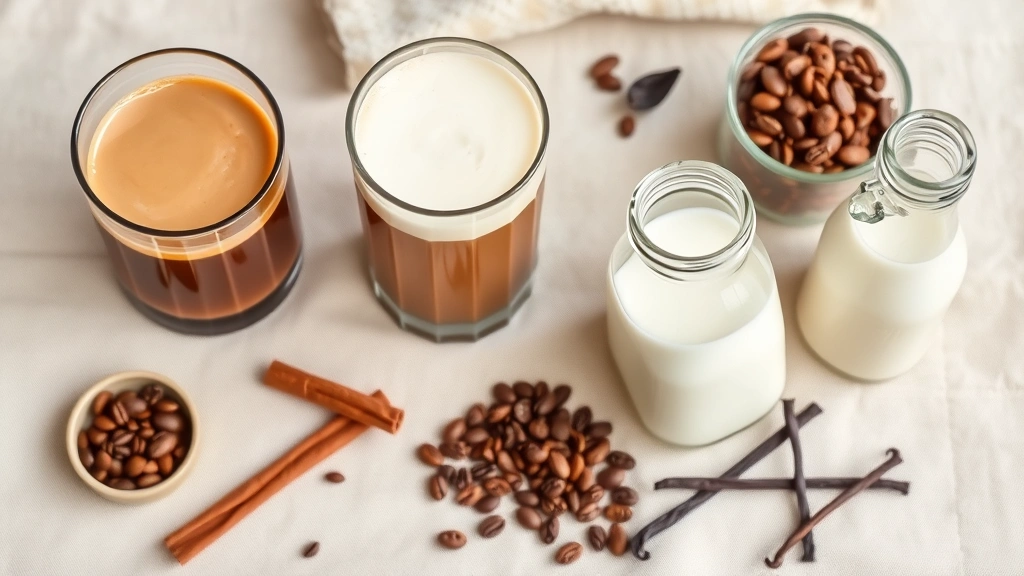
Essential Ingredients and Protein Options
Creating an exceptional protein coffee starts with understanding your ingredient options. The foundation remains simple: quality coffee, protein source, liquid base, and optional flavor enhancers. However, the specific choices you make dramatically impact taste, texture, and nutritional profile.
Coffee Selection: Begin with freshly brewed or cold brew coffee as your base. Freshly brewed offers maximum flavor and aromatic compounds, while cold brew provides naturally smooth, less acidic coffee that blends seamlessly with other ingredients. Avoid instant coffee when possible, as it lacks the complexity of whole bean varieties. A medium to dark roast works well, though lighter roasts offer more antioxidants if that’s your priority.
Protein Powder Varieties: Your protein source fundamentally shapes the drink’s character. Whey protein isolate offers complete amino acid profiles, rapid absorption, and neutral flavor that blends seamlessly into coffee. Casein protein absorbs more slowly, providing extended satiety for those who prefer longer-lasting fullness. Plant-based options like pea, hemp, or pumpkin seed protein work beautifully for vegan diets, though they may require slightly more blending time. The Academy of Nutrition and Dietetics recognizes all these sources as legitimate protein options when they provide adequate amino acid diversity.
Liquid Bases: Dairy milk provides natural creaminess and additional protein; Greek yogurt adds thickness and probiotics; coconut milk delivers tropical notes; oat milk offers neutral flavor and sustainability benefits; almond milk provides low-calorie lightness. The liquid you choose affects both the drink’s texture and final macronutrient composition, so consider your dietary goals when selecting.
Flavor Enhancers: Vanilla extract, cocoa powder, cinnamon, nutmeg, and sea salt elevate complexity without adding significant calories. Natural sweeteners like stevia, monk fruit, or small amounts of honey or maple syrup accommodate different taste preferences. Nut butters add richness and additional protein; collagen peptides boost skin and joint health; MCT oil supports sustained energy and ketone production.
Step-by-Step Preparation Methods
Three primary methods exist for creating your protein coffee recipe, each with distinct advantages depending on your equipment and preferences.
Blender Method (Recommended for Creamiest Results):
- Brew 8-12 ounces of hot coffee and allow it to cool slightly (about 2-3 minutes) to preserve protein integrity
- Add 1-1.5 cups of your chosen liquid base to the blender
- Add 1-2 scoops (20-30g) of protein powder
- Include any flavor enhancers: ½ teaspoon vanilla, ¼ teaspoon cinnamon, or 1 tablespoon nut butter
- Pour the cooled coffee into the blender
- Blend on high speed for 45-60 seconds until smooth and frothy
- Pour immediately into a serving glass to preserve the foam layer
The blender method creates maximum aeration, resulting in a café-quality texture with visible foam. The high-speed action ensures complete protein powder dissolution and eliminates clumping, a common complaint with other methods.
Shaker Bottle Method (Best for Quick Mornings):
- Fill a protein shaker bottle halfway with your liquid base
- Add protein powder and any dry flavor additions
- Secure the cap and shake vigorously for 20-30 seconds
- Add remaining liquid base
- Shake again for 15-20 seconds
- Pour cooled coffee into the shaker or directly into a glass with the protein mixture
This method trades some creaminess for convenience, though results improve significantly if you use a shaker bottle designed for protein drinks with an internal mixing ball.
Cold Brew Concentrate Method (Ideal for Batch Preparation):
- Prepare cold brew concentrate by steeping coarse ground coffee in cold water for 12-24 hours at a 1:4 ratio
- Strain through a fine mesh filter
- Store concentrate in the refrigerator for up to two weeks
- Each morning, combine 4-6 ounces of concentrate with 1-1.5 cups liquid base
- Add protein powder and desired flavoring
- Shake or blend until smooth
Cold brew concentrate offers convenience for busy weeks while producing naturally smooth, less acidic coffee that’s gentler on your digestive system.
Flavor Variations and Customizations
The beauty of a protein coffee lies in its adaptability. Once you master the basic formula, endless variations keep your mornings interesting while supporting different nutritional goals. Explore these high protein recipes for weight loss for additional inspiration on protein-forward meal planning.
Classic Vanilla Latte: Combine 1 scoop vanilla protein, 1 teaspoon vanilla extract, 1 cup milk, 8 ounces coffee, and ½ teaspoon cinnamon. This mimics café-style lattes while delivering complete protein nutrition. The vanilla extract amplifies the protein powder’s vanilla notes, creating depth that masks any artificial aftertaste some find objectionable.
Chocolate Mocha Protein Coffee: Blend 1 scoop chocolate protein, 1 tablespoon unsweetened cocoa powder, 1 tablespoon almond butter, 1 cup milk, and 8 ounces coffee. The cocoa powder adds antioxidants and depth while the almond butter provides healthy fats that slow digestion. This variation tastes indulgent while remaining nutritionally balanced.
Salted Caramel Protein Coffee: Mix 1 scoop vanilla protein, 1 tablespoon unsalted butter (melted), ½ teaspoon sea salt, 1 teaspoon vanilla extract, 1 cup milk, and 8 ounces coffee. The butter creates richness while the salt enhances caramel-like sweetness perception without added sugar.
Cinnamon Roll Protein Coffee: Combine 1 scoop vanilla protein, 1 teaspoon cinnamon, ¼ teaspoon nutmeg, 1 tablespoon cream cheese (for richness), 1 cup milk, and 8 ounces coffee. This warming variation appeals to those who enjoy spiced beverages and works particularly well during cooler months.
Protein Coffee Smoothie Bowl: Blend your standard protein coffee recipe until thick, pour into a bowl, and top with granola, coconut flakes, sliced almonds, and fresh berries. This transforms your morning beverage into a more substantial breakfast that satisfies those who prefer textured foods.
Iced Protein Coffee: Prepare your protein coffee mixture using cold brew concentrate, then pour over ice for refreshing summer mornings. Add an extra ¼ cup of milk to account for ice melt, and consider reducing sweetener since cold temperatures mute sweetness perception.
Nutritional Benefits and Science
Understanding the nutritional science behind your protein coffee recipe empowers you to optimize it for your specific health goals. A well-formulated protein coffee delivers benefits that extend far beyond simple calorie counting.
Muscle Protein Synthesis: Consuming 20-40 grams of protein within a few hours of waking stimulates muscle protein synthesis, the biological process where your body builds and repairs muscle tissue. This matters whether you’re an athlete or simply want to maintain muscle mass as you age. Research published in the Journal of the International Society of Sports Nutrition demonstrates that distributed protein intake throughout the day optimizes this process better than concentrating all protein at dinner.
Satiety and Appetite Control: Protein triggers release of cholecystokinin (CCK) and peptide YY, hormones that signal fullness to your brain. A morning protein coffee reduces mid-morning hunger, decreasing overall caloric intake and supporting weight management without restrictive dieting. This effect persists for hours, meaning you’ll feel satisfied through your mid-morning meetings or workouts.
Metabolic Rate: Your body burns approximately 20-30% of protein calories during digestion—a phenomenon called the thermic effect of food. This means 100 calories of protein actually costs your body about 20-30 calories to process, compared to 5-10 calories for carbohydrates. Over time, this metabolic advantage supports weight management when combined with consistent exercise.
Blood Sugar Stability: Unlike simple carbohydrates that cause rapid blood sugar spikes and subsequent crashes, protein provides steady glucose release. This stability supports mental focus, mood regulation, and sustained energy without the afternoon slump. People with insulin resistance or prediabetes particularly benefit from this effect.
Cognitive Function: Coffee’s caffeine blocks adenosine receptors, increasing alertness and mental clarity. Protein provides amino acids like tyrosine, which supports dopamine production and motivation. Together, they create optimal conditions for focused work, creative thinking, and problem-solving. The National Coffee Association notes that moderate caffeine consumption (200-400mg daily) enhances cognitive performance in most adults.
Immune and Hormonal Support: Amino acids from your protein serve as building blocks for antibodies, immune cells, and hormones. Morning protein intake supports cortisol regulation, helping normalize your body’s natural circadian rhythm. This supports better sleep quality, improved stress resilience, and more stable mood throughout the day.
Storage and Make-Ahead Tips
Maximizing convenience without sacrificing nutrition quality requires smart storage strategies. Your protein coffee recipe adapts well to various preparation approaches depending on your schedule and preferences.
Daily Preparation: Most people find that preparing fresh protein coffee each morning takes less than five minutes using a blender or shaker bottle. This ensures maximum flavor and texture, as pre-blended drinks gradually separate and develop undesirable consistency changes. If daily preparation feels burdensome, consider the batch methods below.
Cold Brew Concentrate Batch: Prepare a week’s worth of cold brew concentrate every Sunday. Store it in a glass container in the refrigerator for up to two weeks. Each morning, simply combine concentrate with your protein powder, liquid base, and flavoring. This method reduces your daily morning routine to two minutes while maintaining excellent flavor and nutrition.
Protein Powder Blends: Mix dry ingredients in advance by combining your preferred protein powder with cinnamon, cocoa powder, or other dry flavorings in a small glass jar. Each morning, add this premixed blend to your liquid base and coffee. This approach works particularly well for those who enjoy consistent, repeatable flavors.
Refrigerated Storage: If you must prepare ahead, store blended protein coffee in an airtight glass container for up to 24 hours. Shake or stir vigorously before consuming, as separation occurs naturally. Avoid storing in plastic, as it absorbs odors and may leach chemicals into your drink. Note that texture and foam quality diminish with storage time.
Freezing for Later: Freeze your protein coffee in ice cube trays, then store frozen cubes in freezer bags for up to three months. Blend these cubes with a small amount of fresh liquid to create a smoothie-like consistency. This works well for those who prefer thicker, more substantial morning beverages.
Equipment Maintenance: Whether using a blender or shaker bottle, rinse immediately after use with warm water to prevent protein powder from hardening and becoming difficult to clean. This simple habit extends equipment life and ensures your morning routine stays quick and pleasant.
For additional meal planning inspiration, explore our Fresh Plate Daily Blog for comprehensive nutrition and recipe guidance aligned with your health goals.
Frequently Asked Questions
Can I use instant coffee instead of freshly brewed?
While instant coffee works in a pinch, freshly brewed coffee delivers superior flavor complexity and higher concentrations of beneficial compounds like chlorogenic acid. If you must use instant, dissolve it in hot water first, then cool slightly before blending to avoid damaging protein structures. The flavor difference becomes noticeable once you’ve experienced freshly brewed versions.
How much protein should my morning coffee contain?
Most nutrition guidelines recommend 20-40 grams of protein at breakfast, depending on your body weight, activity level, and overall daily protein targets. A standard protein scoop contains approximately 20-25 grams. If you’re very active or follow a high-protein diet, use 1.5-2 scoops; if you’re eating additional protein at breakfast, use just half a scoop. Experiment to find the amount that keeps you satisfied until lunch.
Is protein powder safe for daily consumption?
Reputable protein powders undergo rigorous testing for safety and purity, making daily consumption safe for most people. Choose brands that undergo third-party testing and provide transparent ingredient lists. Those with kidney disease should consult healthcare providers before significantly increasing protein intake. For otherwise healthy individuals, daily protein coffee consumption presents no safety concerns.
What’s the best time to drink protein coffee?
Immediately upon waking is ideal, as it takes advantage of your body’s elevated muscle protein synthesis window and sets a positive metabolic tone for the day. However, protein coffee works well anytime you need sustained energy and appetite control. Some people enjoy it pre-workout for energy, though post-workout protein is equally important for recovery.
Can I make protein coffee without a blender?
Yes, a quality shaker bottle with a mixing ball works well, though you’ll sacrifice some of the creamy texture and foam that a blender creates. Alternatively, vigorously whisk your protein mixture in a bowl before combining with coffee. The blender method produces superior results, but convenience-focused methods still deliver excellent nutrition.
Does heating protein powder destroy its nutritional value?
Protein structure remains stable at temperatures below 140°F (60°C). Adding slightly cooled (not boiling) coffee to your protein powder preserves nutritional value while improving flavor and drinkability. Avoid pouring boiling water directly onto protein powder, as extremely high temperatures can denature some protein structures, though this doesn’t render them less digestible—just potentially less structurally intact.
What if my protein coffee tastes chalky or gritty?
This typically indicates inadequate blending or low-quality protein powder. Blend for a full minute rather than just 20-30 seconds, ensure your liquid base is sufficient (at least 1 cup per scoop), and consider switching protein brands if the problem persists. Higher-quality protein powders mix more smoothly and taste less artificial. Adding a small amount of vanilla extract masks any remaining off-flavors.
Can I use Greek yogurt instead of protein powder?
Absolutely. Greek yogurt provides 15-20 grams of protein per half-cup plus beneficial probiotics. Use ½-¾ cup Greek yogurt per serving, adjust your liquid base accordingly (you’ll need less), and blend thoroughly. The result is creamier and tangier than traditional protein powder versions. This approach works particularly well for those seeking whole-food ingredients over processed powders.
How does protein coffee compare to breakfast alternatives?
A protein coffee with 25 grams of protein provides comparable nutrition to eggs with toast or oatmeal with nuts, but requires less preparation time and fewer dishes. Unlike carbohydrate-heavy breakfasts, protein coffee maintains stable blood sugar for hours. The choice depends on your preferences: those who enjoy sitting down for breakfast might prefer traditional options, while busy professionals benefit from the speed and convenience of a protein coffee recipe.


