Perfect Filet Mignon Steak? Chef’s Secret!
Filet mignon represents the pinnacle of steakhouse elegance, and for good reason. This tender cut from the beef tenderloin delivers a buttery texture that melts on your palate with every bite. Yet many home cooks struggle to replicate the restaurant-quality results they crave. The difference between a mediocre filet and an exceptional one lies not in expensive equipment or rare ingredients, but in understanding the fundamental techniques that professional chefs have perfected over decades.
Whether you’re preparing a special anniversary dinner or impressing guests at your next gathering, mastering the art of cooking filet mignon will elevate your culinary reputation. This comprehensive guide reveals the secrets that separate amateur attempts from truly memorable steaks. You’ll discover how temperature control, proper seasoning, and precise timing work together to create a filet mignon that rivals your favorite steakhouse.
Selecting and Preparing Your Filet Mignon
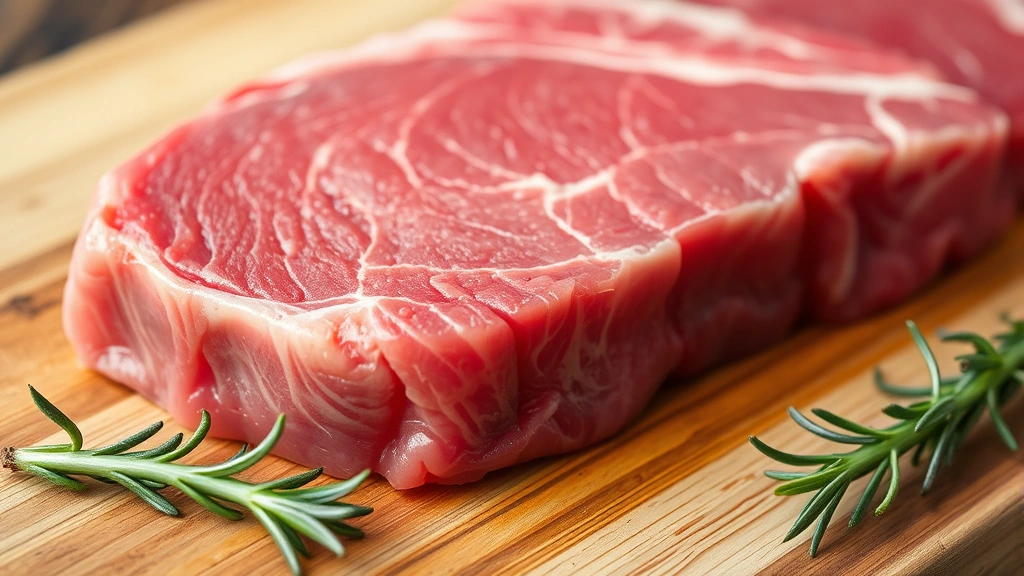
The foundation of an exceptional filet mignon starts at the butcher counter. Look for steaks that are at least 1.5 inches thick—this thickness allows you to develop a beautiful crust while maintaining a perfectly pink center. The meat should display bright red color with white marbling throughout, indicating good intramuscular fat content that contributes to flavor and juiciness.
When you bring your filet home, remove it from refrigeration 30-40 minutes before cooking. This critical step cannot be overstated. Cold meat cooks unevenly, with the exterior overcooking before the interior reaches the target temperature. Room temperature steaks cook more uniformly, allowing the heat to penetrate gradually from outside to inside. Pat your steaks completely dry with paper towels—moisture on the surface prevents proper browning and creates steam that interferes with crust formation.
Inspect your filet for any silver skin, a thin connective tissue that runs along the surface. Use a sharp knife to carefully remove this layer, angling the blade slightly upward as you work. This ensures tender, pleasant texture throughout. If your filet has uneven thickness, you can gently pound it to create uniform thickness, though premium cuts rarely require this step.
The Science Behind Perfect Searing
Professional chefs understand that searing isn’t merely about creating visual appeal—it’s a complex chemical process. When meat reaches approximately 300°F, the Maillard reaction begins. This chemical transformation between amino acids and reducing sugars creates hundreds of new flavor compounds, resulting in that distinctive savory, complex taste that makes steakhouse filet so irresistible.
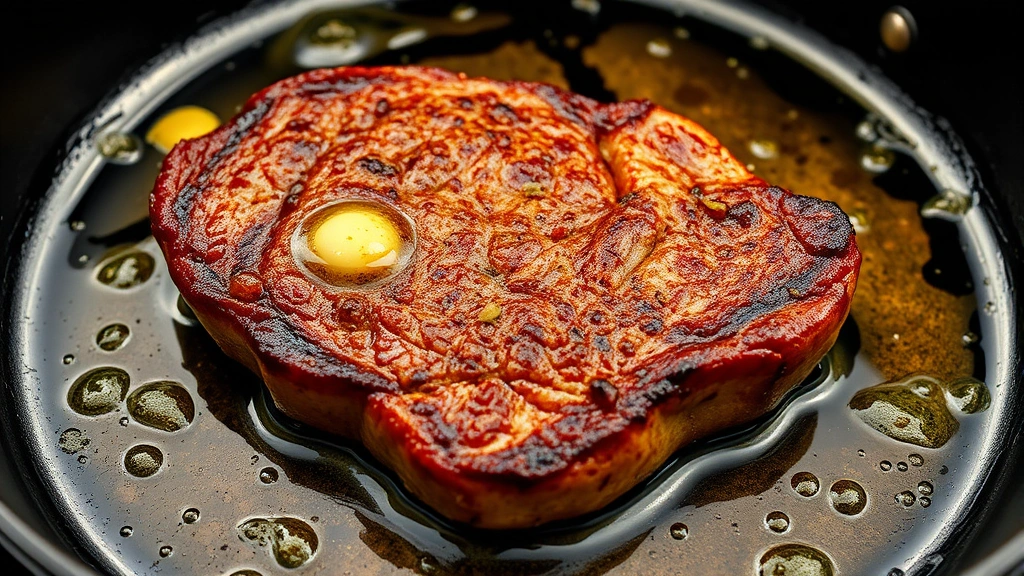
To achieve proper searing, your cooking surface must reach 450-500°F before the steak makes contact. This seems counterintuitive, but high initial heat is essential. A properly heated pan will create an immediate crust rather than allowing the meat to steam. Use a cast-iron skillet or heavy stainless steel pan—these materials retain and distribute heat far more effectively than lighter cookware.
Add a high smoke-point oil to your preheated pan. Avocado oil, refined vegetable oil, or clarified butter work excellently, as they can withstand temperatures exceeding 400°F without breaking down. Never use extra virgin olive oil, which smokes at lower temperatures and imparts unwanted flavors. Add just enough oil to coat the pan lightly, then allow it 30 seconds to reach temperature before placing your steak.
Place your filet gently into the pan and resist the urge to move it. This hands-off approach allows the meat to develop an uninterrupted crust. After 3-4 minutes, flip once and sear the opposite side for another 3-4 minutes. That’s it—two flips total. Constantly moving the steak interrupts crust formation and causes uneven cooking.
Temperature Control and Doneness
Understanding internal temperature is where amateur cooks often falter. Invest in an instant-read meat thermometer—it’s the single most important tool for consistent results. Remove your filet from heat at these temperatures, accounting for carryover cooking, which will raise the temperature 3-5°F as the steak rests:
- Rare: Remove at 120-125°F for a cool, red center
- Medium-rare: Remove at 130-135°F for a warm, pink center (professional recommendation)
- Medium: Remove at 140-145°F for a warm center with slight pink
- Medium-well: Remove at 150-155°F for mostly cooked through with minimal pink
- Well-done: Remove at 160°F or higher, though this is not recommended for premium cuts
For filet mignon specifically, medium-rare represents the sweet spot. The fat content is relatively low compared to other premium cuts, so cooking beyond medium-rare risks drying out the meat. The tenderness of filet is its defining characteristic, and medium-rare preserves optimal juiciness while developing adequate doneness.
Insert your thermometer horizontally into the thickest part of the steak, away from bone if present. Take multiple readings to ensure consistency. Remember that carryover cooking continues even after you remove the steak from heat, so remove it 5°F before your target temperature.
Seasoning Like a Professional Chef
Many home cooks underseason their steaks, attempting to let the meat’s natural flavor shine. However, proper seasoning actually enhances and amplifies the natural beef flavor rather than masking it. The key is using quality salt and pepper applied at the right moment.
Season your steaks generously with kosher salt and freshly ground black pepper immediately before cooking. Kosher salt has larger crystals that dissolve more slowly, creating a better crust than fine table salt. Freshly ground pepper provides superior flavor compared to pre-ground varieties, which lose volatile aromatic compounds over time.
Apply seasoning just before the steak hits the pan—if you season too far in advance, the salt draws moisture to the surface, creating a wet layer that prevents browning. Conversely, seasoning at the last moment ensures the salt and pepper adhere to the meat without extracting surface moisture.
Consider exploring best healthy food recipes that complement your steak dinner with nutritious sides. You might also want to check out organic vs non-organic food considerations when selecting premium beef cuts.
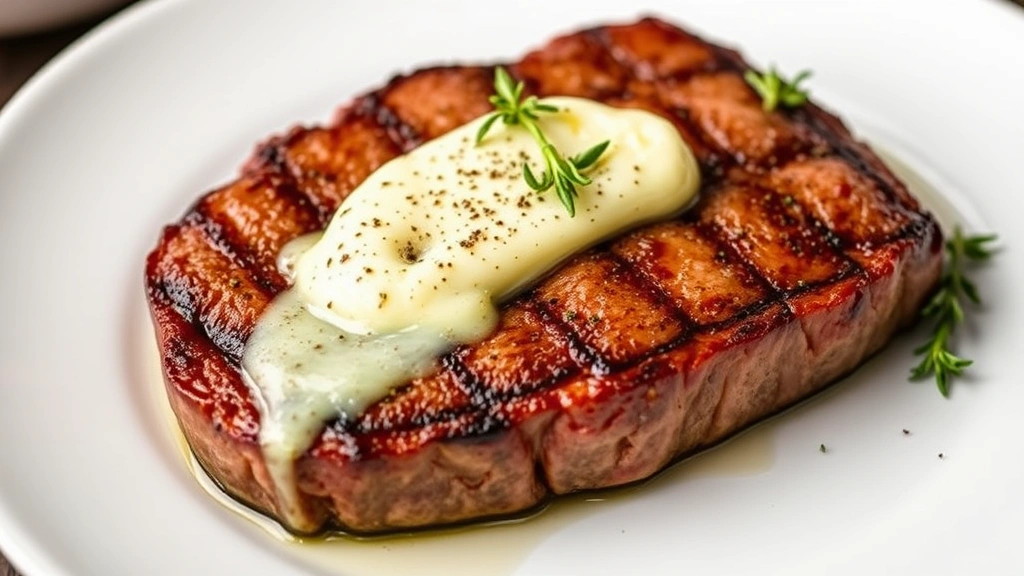
Some chefs incorporate garlic powder or smoked paprika into their seasoning blend, but filet mignon’s delicate flavor profile is best showcased with simple salt and pepper. Save elaborate spice rubs for more robust cuts like ribeye or strip steak. After searing, you can add a pat of compound butter infused with fresh herbs like rosemary or thyme, which adds sophistication without overwhelming the meat.
Resting Your Steak for Optimal Juiciness
This step separates good steaks from exceptional ones. After removing your filet from heat, place it on a warm plate and allow it to rest for 5-10 minutes. During cooking, heat pushes moisture toward the center of the meat. Resting allows these juices to redistribute throughout the muscle fibers, resulting in more tender, juicier meat.
If you cut into your steak immediately after cooking, those flavorful juices run onto the plate instead of staying in the meat. A properly rested filet retains its juices, delivering superior texture and flavor with every bite. Tent your steak loosely with foil to retain warmth while preventing condensation from softening the crust.
For filet mignon specifically, a 5-minute rest works well for thinner cuts (1.5 inches), while thicker steaks benefit from 8-10 minutes. The goal is achieving equilibrium temperature throughout while allowing juices to settle.
Pan and Heat Management
Your choice of cooking vessel dramatically impacts results. Cast-iron skillets are ideal because they retain heat exceptionally well, maintaining consistent temperature even when you place cool meat in the pan. This stability ensures reliable browning.
Preheat your pan for at least 5 minutes, allowing the entire surface to reach uniform temperature. Some cooks prefer starting their filet on the stovetop and finishing in a 400°F oven, which offers advantages for thicker cuts. This method delivers even cooking throughout while maintaining a beautiful crust. Sear for 3-4 minutes per side on the stovetop, then transfer to the oven for 4-6 minutes until reaching target temperature.
If using the oven-finishing method, use an oven-safe skillet and transfer it directly from stovetop to oven. This eliminates temperature loss that occurs when transferring to a different pan. Monitor your steak’s internal temperature regularly to prevent overcooking.
For stovetop-only cooking, maintain medium-high heat throughout. If your pan is too hot, the exterior burns before the interior cooks through. If it’s too cool, you won’t develop proper crust. Finding this balance requires attention and practice, but becomes intuitive with experience.
Finishing Touches and Sauces
While filet mignon shines on its own, thoughtfully chosen accompaniments elevate the experience further. A classic finishing is a pat of compound butter placed on the warm steak immediately after resting. The residual heat melts the butter, creating a luxurious sauce that complements without overwhelming.
To make compound butter, soften unsalted butter and mix with minced fresh herbs like rosemary, thyme, or parsley, along with minced garlic and a pinch of sea salt. Spread this mixture on plastic wrap, roll into a log, and refrigerate. Slice medallions and place on your finished steak.
For more elaborate sauces, consider a red wine reduction. Deglaze your cooking pan with dry red wine after removing the steak, scraping up the flavorful browned bits. Simmer until reduced by half, then finish with a touch of butter and fresh herbs. This sauce captures all the concentrated flavors from the searing process.
A béarnaise sauce offers classic elegance—this emulsified sauce combines egg yolks, butter, and tarragon for sophisticated richness. Alternatively, a simple peppercorn sauce provides bold flavor without excessive richness. Most importantly, ensure any sauce complements rather than masks the filet’s delicate beef flavor.
Pair your filet with sides that don’t compete for attention. Creamed spinach, roasted asparagus, or buttered mashed potatoes provide textural contrast while allowing the steak to remain the star. If you’re planning a complete meal, how to make homemade bread offers an excellent complement for soaking up pan sauces.
For dessert inspiration after your elegant dinner, explore how to make homemade ice cream recipes for a memorable finish. You might also reference best breakfast food recipes if you’re planning a special brunch featuring leftover steak.
FAQ
Should I use butter or oil for searing filet mignon?
Use oil with a high smoke point like avocado or refined vegetable oil for initial searing, as butter burns at high temperatures. Add butter during the final minute of cooking or as a finishing element. This approach provides the best of both worlds—proper searing heat and butter’s rich flavor.
How thick should my filet mignon be?
Aim for steaks at least 1.5 inches thick. Thinner steaks cook too quickly, making it difficult to develop a crust without overcooking the interior. Thicker steaks (2 inches or more) offer more forgiving cooking windows and better texture.
Can I cook filet mignon in a regular skillet?
While cast-iron and heavy stainless steel are ideal, you can use regular skillets if they’re heavy-bottomed and conduct heat well. Thin, lightweight skillets distribute heat unevenly and cool significantly when you add the steak, resulting in inconsistent browning.
What’s the best way to season filet mignon?
Keep it simple with kosher salt and freshly ground black pepper applied immediately before cooking. This approach showcases the meat’s natural flavor without masking its delicate taste. Avoid heavy spice rubs that overpower filet’s subtle characteristics.
How do I know when my steak is done without cutting into it?
Use an instant-read meat thermometer inserted horizontally into the thickest part. This is the only reliable method. The touch test (comparing firmness to different hand positions) is unreliable and often results in overcooked steaks. Professional chefs always use thermometers.
Why is my filet mignon tough?
Toughness usually results from overcooking, inadequate resting, or cutting against the grain. Filet mignon is naturally tender, so cooking beyond medium results in loss of moisture and unpleasant texture. Always rest your steak and slice against the grain if cutting it.
Can I marinate filet mignon?
Marinating is unnecessary and potentially detrimental. Filet’s delicate flavor is best appreciated without masking marinades. The meat is already tender, so marinating doesn’t provide textural benefits like it does for tougher cuts. Simple seasoning before cooking is superior.
What’s the best side dish for filet mignon?
Choose sides that complement without competing—creamed spinach, roasted vegetables, or buttered potatoes work excellently. These options provide textural contrast while allowing the steak to remain the focal point of your plate.


