Prickly Pear Smoothie? Nutritionist Approved
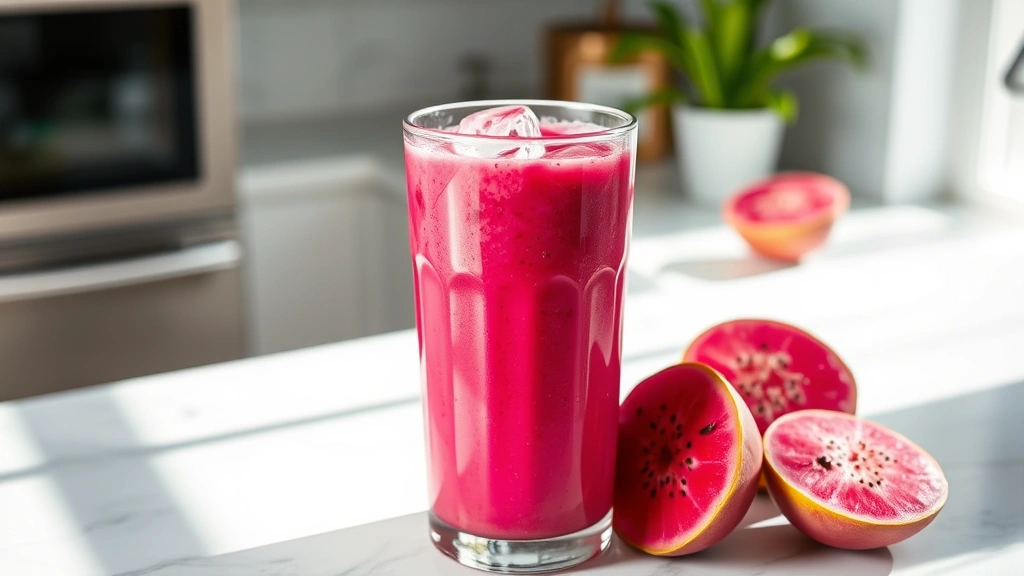
Prickly pears, also known as tunas or Opuntia ficus-indica, are vibrant magenta fruits that pack an impressive nutritional punch. These spiky desert plants have been cultivated for thousands of years, particularly in Mexico and Mediterranean regions, and they’re finally getting the superfood recognition they deserve. A single prickly pear smoothie can deliver antioxidants, vitamins, minerals, and fiber that support digestive health, immune function, and sustained energy levels throughout your day.
What makes prickly pear smoothies particularly appealing is their versatility and the stunning natural color they bring to your glass. Unlike many trendy health drinks that rely on artificial additives or excessive sweeteners, prickly pear smoothies are naturally sweet, tangy, and deeply nutritious. Whether you’re looking to boost your morning routine or create a post-workout recovery drink, this guide will walk you through everything you need to know about incorporating prickly pears into your smoothie repertoire.
Why Prickly Pears Are Nutritionist Approved
Nutritionists consistently recommend prickly pears because they deliver exceptional nutritional value with minimal calories. One medium prickly pear (approximately 100 grams) contains only 42 calories while providing 3.6 grams of dietary fiber, making it an excellent choice for those managing weight or supporting digestive health. The fruit is also rich in vitamin C, which supports immune function and collagen production, and contains significant amounts of magnesium, potassium, and calcium.
The antioxidant profile of prickly pears is particularly impressive. These fruits contain betalains and flavonoids, powerful compounds that help neutralize free radicals in your body. Research published by culinary nutrition professionals indicates that the antioxidant capacity of prickly pear juice rivals that of many popular superfruits like pomegranate and acai. Additionally, prickly pears contain taurine, an amino acid that supports heart health and muscle function, making them ideal for fitness enthusiasts.
Another reason nutritionists approve prickly pear smoothies is their potential to support blood sugar regulation. The high fiber content slows glucose absorption, preventing rapid blood sugar spikes. Studies suggest that compounds in prickly pears may also improve insulin sensitivity, though more research is ongoing. This makes prickly pear smoothies an excellent choice for individuals managing diabetes or prediabetes, though you should always consult your healthcare provider regarding dietary choices.
How to Select and Prepare Prickly Pears
Finding quality prickly pears requires knowing what to look for at the market. Choose fruits that feel slightly soft when gently pressed, similar to how you’d select an avocado. Avoid fruits with soft spots, bruises, or wrinkled skin, as these indicate overripeness or deterioration. The skin color should be deep magenta, red, or golden-yellow depending on the variety, with no greenish tones unless you specifically want less ripe fruit.
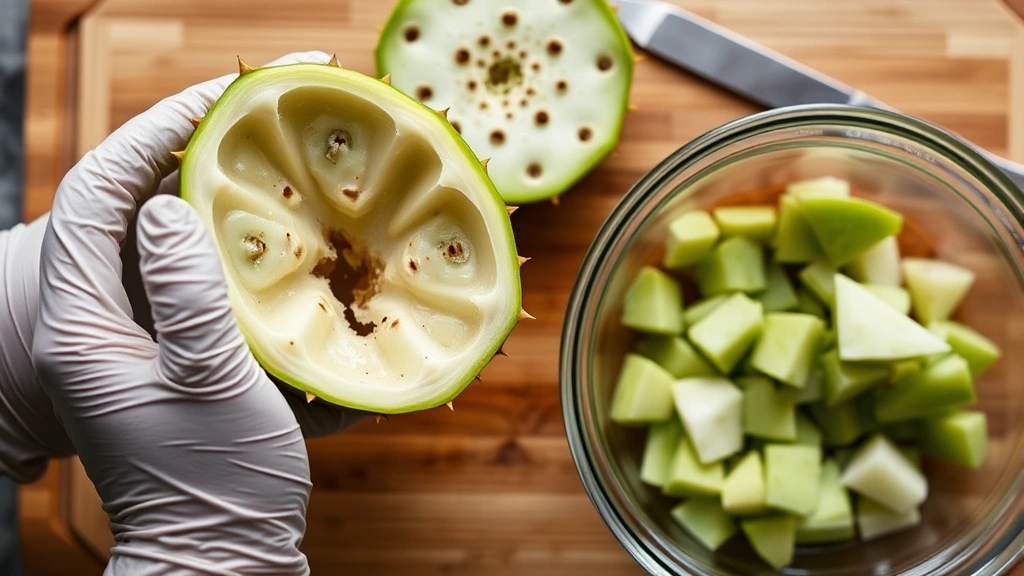
Preparing prickly pears is straightforward once you understand the proper technique for handling their spines. Start by wearing food-grade gloves or using a kitchen towel to protect your hands from the tiny glochids (hair-like spines) that cover the fruit’s exterior. Cut both the top and bottom ends off the fruit, then make a shallow lengthwise incision along the skin. Use your gloved hands to peel away the thick outer skin, revealing the pale green or magenta flesh inside. The edible seeds are completely safe to consume and add nutritional value, though some prefer to strain them out for a smoother texture.
For smoothie preparation, cut the peeled fruit into chunks and remove any remaining skin pieces. If you prefer a completely seedless smoothie, press the fruit through a fine mesh strainer after blending, though this removes some fiber and nutrients. Many smoothie enthusiasts prefer keeping the seeds intact, as they contribute healthy fats and additional fiber. Fresh prickly pears work best, but frozen prickly pear pulp is an excellent alternative that’s often easier to find and equally nutritious.
Basic Prickly Pear Smoothie Recipe
Ingredients:
- 2 medium fresh prickly pears (or 1 cup frozen prickly pear pulp), peeled and chopped
- 1 cup unsweetened almond milk (or milk of choice)
- ½ cup plain Greek yogurt
- ½ banana (frozen preferred)
- ½ cup ice cubes
- 1 tablespoon raw almonds or almond butter
- Optional: 1 teaspoon raw honey or 3-4 pitted dates for natural sweetness
Instructions:
- Prepare your prickly pears using the method described above, ensuring all skin and spines are completely removed.
- Add the chopped prickly pears to your blender first, followed by the almond milk.
- Add Greek yogurt, frozen banana chunks, and ice cubes to the blender.
- Include your choice of almonds or almond butter for healthy fats and protein.
- If desired, add honey or dates for additional sweetness, though prickly pears are naturally sweet.
- Blend on high speed for 45-60 seconds until completely smooth and creamy.
- If the smoothie is too thick, add more milk in ¼-cup increments. If too thin, add more frozen banana or ice.
- Pour immediately into your favorite glass and enjoy, or refrigerate for up to 4 hours.
This foundational recipe creates a beautifully colored smoothie with balanced macronutrients from protein, healthy fats, and complex carbohydrates. The Greek yogurt adds creaminess and boosts the protein content, making this smoothie satisfying enough for breakfast or a substantial post-workout snack.
Advanced Smoothie Variations
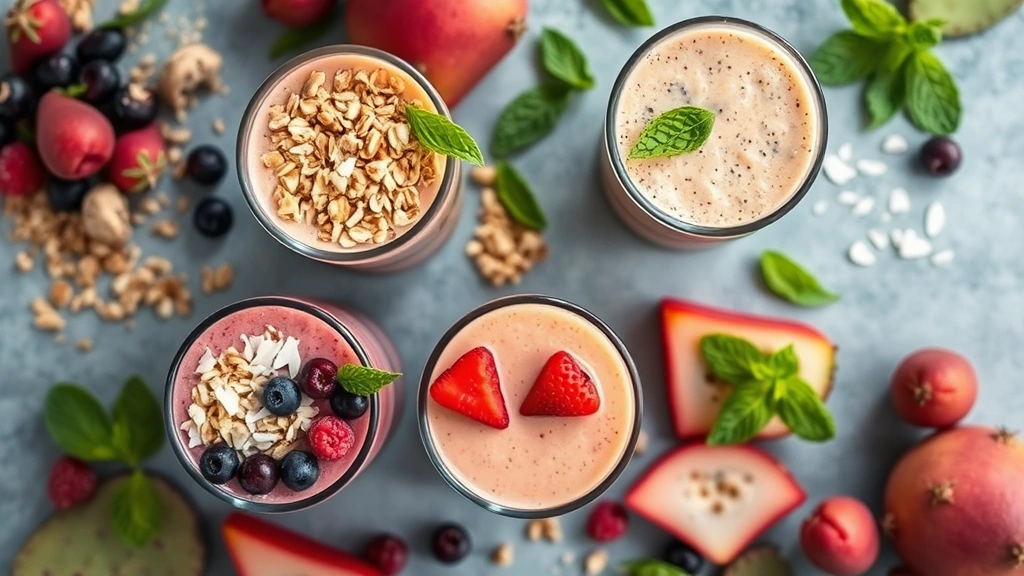
Once you’ve mastered the basic prickly pear smoothie, explore these creative variations that complement the fruit’s unique flavor profile. Tropical Prickly Pear Blend combines prickly pears with fresh pineapple, coconut milk, and a handful of spinach for added nutrition. The tropical fruits create a complex flavor profile while the spinach remains virtually undetectable. Berry Fusion Smoothie pairs prickly pears with raspberries, blueberries, and blackberries, intensifying the antioxidant content while adding natural tartness that balances the prickly pear’s sweetness.
For those interested in savory-sweet recipe combinations, consider a Prickly Pear and Beet Smoothie that combines earthy beets with prickly pears, creating a deeply colored drink rich in nitrates for cardiovascular health. Add ginger root and a pinch of black pepper to enhance nutrient absorption and add warming spice. The Green Prickly Pear Power Smoothie incorporates two cups of fresh spinach or kale, creating a nutrient-dense green drink that’s perfect for detox-focused wellness routines.
For fitness enthusiasts, the Prickly Pear Protein Smoothie adds one scoop of vanilla or unflavored plant-based protein powder, along with ground flaxseed and chia seeds. This variation supports muscle recovery and provides sustained energy. The Creamy Prickly Pear Avocado Smoothie incorporates half an avocado for healthy monounsaturated fats that promote satiety and brain health. The avocado creates an incredibly creamy texture that feels indulgent while remaining completely nutritious.
Don’t overlook the Prickly Pear Smoothie Bowl variation, where you blend the smoothie slightly thicker and pour it into a bowl, then top with granola, coconut flakes, fresh berries, and sliced almonds. This presentation appeals to those who enjoy textural contrast and creates an Instagram-worthy breakfast that feels more substantial than traditional smoothies.
Nutritional Benefits and Health Claims
Prickly pear smoothies support multiple aspects of health when consumed as part of a balanced diet. The high vitamin C content supports collagen synthesis, promoting skin elasticity and reducing signs of aging. This makes prickly pear smoothies popular among those pursuing natural beauty routines without relying on supplements or topical treatments. The fruit’s magnesium content supports muscle function and relaxation, making evening prickly pear smoothies beneficial for those experiencing muscle tension or sleep difficulties.
The soluble fiber in prickly pears acts as a prebiotic, feeding beneficial gut bacteria and supporting digestive health. Regular consumption may improve digestive regularity, reduce bloating, and support a healthy microbiome. According to nutrition science resources, the polysaccharides in prickly pears have demonstrated potential for supporting healthy cholesterol levels and reducing inflammation markers in clinical studies.
For individuals managing their weight, prickly pear smoothies offer significant advantages. The combination of fiber, protein (especially when including Greek yogurt), and healthy fats creates a highly satiating drink that keeps hunger at bay for hours. Unlike sugary commercial smoothies, properly prepared prickly pear smoothies contain minimal added sugars while delivering maximum nutritional density. The natural sweetness of prickly pears means you don’t need to add sweeteners to create a delicious drink.
Prickly pears also contain compounds that support kidney function and may help prevent kidney stone formation, though individuals with existing kidney conditions should consult healthcare providers before significantly increasing prickly pear consumption. The fruit’s potassium content supports healthy blood pressure regulation, contributing to cardiovascular wellness. Athletes often incorporate prickly pear smoothies into recovery routines because the fruit’s electrolytes and amino acids support post-exercise muscle repair and rehydration.
Storage and Make-Ahead Tips
Fresh prickly pear smoothies are best consumed immediately after blending, as the vibrant color and nutrient density begin degrading within a few hours. However, if you need to prepare smoothies in advance, store them in airtight glass containers in the refrigerator for up to 4 hours. The smoothie may separate slightly, so shake or stir vigorously before drinking. For longer storage, freeze smoothie ingredients in individual portions using ice cube trays or freezer bags, then blend with liquid when ready to consume.
The most efficient make-ahead strategy involves freezing smoothie prep packs. Combine peeled and chopped prickly pears, banana slices, and any other solid ingredients in labeled freezer bags, removing as much air as possible. When ready to blend, simply add the frozen pack to your blender with your chosen liquid and any fresh additions like spinach. This method takes just 60 seconds to prepare a nutritious smoothie without requiring fresh fruit preparation each morning.
If you have abundant prickly pears, consider making fresh prickly pear juice or puree to freeze in ice cube trays. Once frozen, pop the cubes into freezer bags for convenient single-serving portions. These cubes work wonderfully for quick smoothie preparation and can also be added to water for refreshing prickly pear-infused beverages. Store frozen prickly pear products for up to three months without significant nutrient loss.
For those without access to fresh prickly pears, commercial frozen prickly pear pulp offers excellent convenience and consistent quality. Many specialty food stores and online retailers carry frozen prickly pear products that are flash-frozen at peak ripeness, preserving nutritional value. You can also make prickly pear smoothies using organic prickly pear juice, though whole fruit provides superior fiber content and more satisfying texture.
Complementing your prickly pear smoothie routine with other healthy recipes creates balanced nutrition throughout your day. Consider pairing your morning smoothie with savory options like buffalo chicken dip for lunch or dinner, ensuring you’re consuming complete proteins and varied nutrients. Similarly, ranch dip recipes can provide satisfying appetizers when served with fresh vegetables, creating balanced meals that complement your smoothie nutrition goals.
FAQ
Can I use canned prickly pears for smoothies?
Yes, canned prickly pears work well for smoothies, though they may contain added sugars. Choose varieties packed in their own juice rather than heavy syrup, and rinse them before blending. Fresh or frozen prickly pears offer superior nutritional profiles with no added ingredients, but canned versions provide convenient alternatives when fresh fruit isn’t available. Check ingredient labels to ensure you’re purchasing quality products.
Are prickly pear seeds safe to eat?
Absolutely. Prickly pear seeds are completely safe and actually beneficial. They contain healthy fats, fiber, and additional antioxidants. Many people enjoy the seeds’ slight crunch and nutty flavor in smoothies. If you prefer a completely smooth texture, strain the blended smoothie through fine mesh, though this removes valuable nutrients. Seeds add approximately 2-3 grams of additional fiber per prickly pear.
How much prickly pear should I consume daily?
Most nutritionists recommend consuming one to two prickly pears daily as part of a balanced diet. This provides approximately 6-8 grams of fiber without exceeding recommended daily fiber intake too rapidly, which could cause digestive discomfort. If you’re new to consuming prickly pears, start with one fruit daily and gradually increase intake to allow your digestive system to adjust. Individuals with sensitive digestion should introduce prickly pears slowly.
Do prickly pear smoothies affect blood sugar levels?
Prickly pear smoothies have a relatively low glycemic index due to their high fiber content, which slows glucose absorption. They’re significantly better for blood sugar management than most commercial smoothies. However, if you’re diabetic or prediabetic, monitor your individual response and consult your healthcare provider. Avoiding added sweeteners and including protein and healthy fats further stabilizes blood sugar impact.
Can children drink prickly pear smoothies?
Yes, prickly pear smoothies are safe and nutritious for children. The natural sweetness appeals to young palates, and the high nutrient density supports growth and development. Start with smaller portions (4-6 ounces) and ensure prickly pears are properly prepared with all spines removed. Children may particularly enjoy smoothie bowls with fun toppings, making nutrition enjoyable and engaging.
What’s the best time to drink a prickly pear smoothie?
Morning smoothies provide sustained energy and support healthy digestion throughout the day. Post-workout smoothies (within 30-60 minutes of exercise) support muscle recovery when protein is included. Afternoon smoothies can provide an energy boost without the caffeine crash of coffee or energy drinks. Avoid consuming smoothies immediately before bed unless they’re specifically designed for relaxation with ingredients like magnesium-rich nuts or herbal additions.
How do I know if prickly pears are ripe?
Ripe prickly pears feel slightly soft when gently pressed, similar to ripe avocados. The skin should be deep in color with no green tones unless you prefer less ripe fruit. Avoid overly soft fruits with visible bruising. If you purchase slightly firm prickly pears, store them at room temperature for 1-3 days until they reach desired ripeness. Refrigerate ripe fruits to extend shelf life for up to one week.


