How to Craft a Redstone Lamp in Minecraft: Complete Guide
Redstone lamps are one of the most versatile and visually striking light sources in Minecraft, offering players the ability to create dynamic lighting systems that respond to redstone signals. Unlike traditional torches or lanterns, redstone lamps can be toggled on and off using redstone circuits, making them essential for creating automated bases, secret doors, and impressive lighting displays. Whether you’re building your first survival shelter or designing an elaborate redstone contraption, understanding how to craft and use redstone lamps will elevate your building capabilities significantly.
This comprehensive guide walks you through everything you need to know about redstone lamps, from gathering the necessary materials to implementing them in your builds. You’ll learn the exact crafting recipe, where to find the required components, and practical applications for these powerful light sources. By the end of this guide, you’ll be equipped to incorporate redstone lamps into any project, from simple toggle switches to complex automated lighting systems.
Redstone Lamp Crafting Recipe
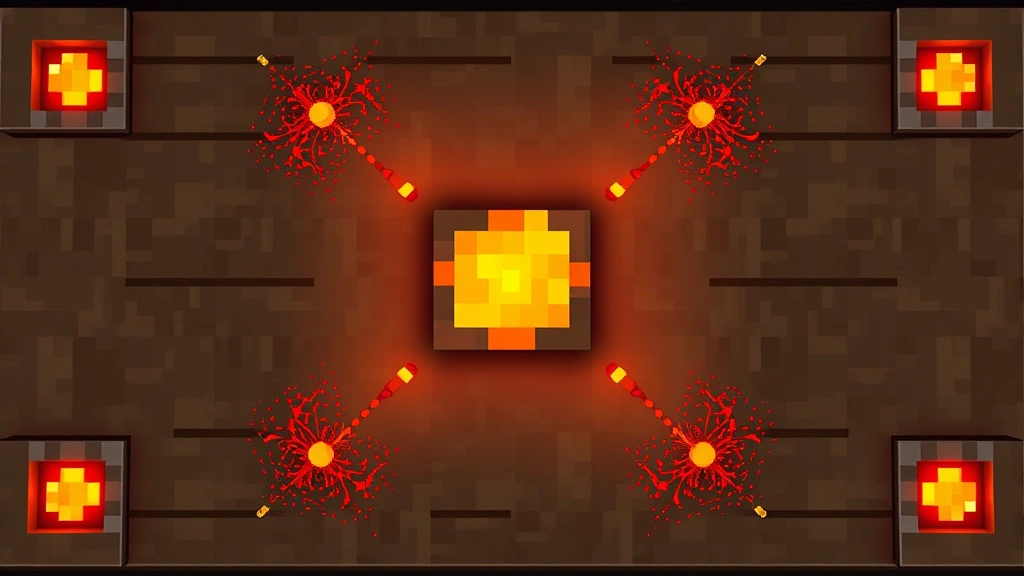
The redstone lamp crafting recipe is straightforward but requires specific materials that you’ll need to locate and gather. To craft a single redstone lamp, you need exactly nine items arranged in a specific pattern on your crafting table. The recipe calls for one glowstone block surrounded by four redstone dust particles in a cross pattern, leaving the corners empty. This configuration creates a powerful light source that responds to redstone signals with precision and reliability.
The crafting grid layout is crucial for success. Place your glowstone block in the center of the 3×3 crafting grid, then add one redstone dust in each of the four cardinal directions (up, down, left, right). The four corner slots remain empty. This arrangement produces one redstone lamp that’s ready to be placed in your world. Understanding this recipe is the foundation for all redstone lamp projects, whether you’re creating simple lighting or complex automated systems.
Required Materials and Where to Find Them
Before you can craft redstone lamps, you need to gather two essential components: glowstone and redstone dust. Each material requires different mining techniques and locations, so understanding where to find them will save you significant time during your gathering phase.
Glowstone Blocks: Glowstone naturally generates in the Nether dimension, primarily in the Nether wastes biome. You’ll find glowstone hanging from the ceiling like stalactites, emitting a warm yellowish light. To harvest glowstone, use a pickaxe with the Silk Touch enchantment. Without Silk Touch, mining glowstone drops glowstone dust instead of the complete block, requiring you to craft four glowstone dust back into one block. This makes Silk Touch pickaxes invaluable for efficient glowstone farming. Alternatively, you can find glowstone in end ships within the End dimension, though Nether gathering is typically faster and more abundant.
Redstone Dust: Redstone ore generates throughout the Overworld, primarily below Y-level 16 in deeper caves and underground systems. You’ll need an iron pickaxe or better to successfully mine redstone ore. When mined, redstone ore drops redstone dust, which is exactly what you need for crafting. For efficient redstone gathering, explore deep cave systems or create a branch mining operation at low Y-levels. Each redstone ore block typically drops 4-5 redstone dust particles, so mining multiple ore blocks quickly accumulates your redstone supply.
If you’re struggling to find these materials, consider setting up automatic farms. Glowstone farming in the Nether is highly efficient with the right setup, and redstone mining can be optimized through strategic cave exploration or dedicated mining tunnels. Many experienced players maintain dedicated storage areas for these materials due to their constant demand for redstone lamp projects and other contraptions.
Step-by-Step Crafting Instructions
Follow these detailed steps to craft your first redstone lamp:
- Gather Your Materials: Collect one glowstone block and four redstone dust particles. Verify you have exactly these items before approaching your crafting table.
- Open Your Crafting Table: Right-click on any crafting table to open the 3×3 crafting grid interface.
- Place Glowstone in Center: Click on the middle slot (row 2, column 2) and place your glowstone block there. This is the core of your redstone lamp.
- Add Redstone Dust in Cardinal Directions: Place one redstone dust in the slot directly above the glowstone (row 1, column 2). Then place redstone dust directly below (row 3, column 2), to the left (row 2, column 1), and to the right (row 2, column 3). Your four corner slots should remain empty.
- Verify Your Layout: Before crafting, ensure your pattern matches the recipe exactly. The glowstone should be surrounded by redstone dust in a plus sign pattern with empty corners.
- Collect Your Redstone Lamp: Click the result slot on the right side of the crafting interface. Your completed redstone lamp appears in the output slot, ready to be placed in your inventory.
Once crafted, redstone lamps appear dark and inactive in your inventory. When placed in the world and powered by a redstone signal, they illuminate with a bright yellow glow. This transformation from dark to glowing is what makes redstone lamps so visually satisfying and functionally useful for creating dynamic lighting effects throughout your builds.
Redstone Basics for Lamp Activation
Understanding how to power redstone lamps is essential for creating functional lighting systems. Unlike regular light sources that are always on, redstone lamps require an active redstone signal to illuminate. This signal can come from various sources, each enabling different types of automation and control.
Direct Power Sources: The simplest way to power a redstone lamp is through direct contact with a power source. Placing a redstone lamp adjacent to a lever, button, or powered redstone dust instantly activates it. When you flip a lever next to a redstone lamp, the lamp turns on immediately. This straightforward approach works perfectly for manual lighting controls in bases and buildings. Many players prefer this method for accessibility and simplicity, especially in survival mode where resources are limited.
Redstone Dust Transmission: Redstone dust carries signals across distances, allowing you to power redstone lamps from remote locations. Lay redstone dust in a continuous line from your power source to your lamp, and the signal travels along the dust. Redstone dust signals can travel up to 15 blocks before losing power, requiring repeaters to extend the distance further. This setup enables creative lighting layouts where switches are hidden or centralized in dedicated control rooms.
Repeaters and Comparators: Redstone repeaters amplify and delay signals, essential for complex redstone lamp circuits. Comparators provide conditional logic, turning lamps on or off based on specific conditions. These components are crucial when building sophisticated automated systems that respond to multiple inputs or environmental conditions. Learning to use these components effectively opens unlimited possibilities for redstone lamp applications.
Pulses and Oscillators: Redstone lamps respond to both constant signals and rapid pulses. Oscillators create blinking effects by rapidly toggling signals on and off. This enables creative lighting displays for decorative purposes, warning systems, or themed builds. Some players build elaborate oscillator circuits to create synchronized blinking patterns across multiple lamps, producing impressive visual effects.
Practical Applications and Build Ideas
Redstone lamps excel in numerous building scenarios, each leveraging their unique ability to respond to redstone signals. Understanding these applications helps you recognize opportunities to incorporate redstone lamps into your projects effectively.
Secret Door Lighting: Create hidden passages that illuminate when doors open, revealing secret rooms dramatically. Install redstone lamps above or around doorways, powered by door sensors that detect when doors open or close. This creates an automatic lighting system that guides players through secret areas while maintaining the mystery and surprise element. This technique works wonderfully for adventure maps, role-playing servers, and themed builds.
Day-Night Lighting Systems: Build daylight sensors that automatically toggle redstone lamps based on the sky’s brightness. During daytime, lamps remain off, preserving the natural sunlight aesthetics. As night falls, lamps automatically activate, providing essential visibility without manual intervention. This creates immersive, realistic lighting that enhances building atmosphere while reducing tedious manual light management. Many experienced builders consider this standard practice for polished bases.
Automated Farm Lighting: Use redstone lamps in efficient growing operations where crops require specific light levels. Position redstone lamps on timers or daylight sensors to maintain optimal growing conditions year-round. This setup ensures crops grow consistently, maximizing your food production capabilities. The automation eliminates the need for manual light management while creating visually impressive underground farms.
Decorative Light Shows: Create elaborate light displays using multiple redstone lamps synchronized with oscillators or music blocks. Build patterns that pulse rhythmically, creating mesmerizing visual effects perfect for entertainment areas, dance floors, or themed attractions. Some builders dedicate entire projects to light show construction, treating them as artistic expressions within the game.
Safety and Warning Systems: Use rapidly blinking redstone lamps to indicate danger zones, hazardous areas, or important alerts. Position them near lava pools, mob spawners, or restricted areas to warn players of potential threats. This practical application improves server safety and helps new players navigate dangerous terrain more carefully.
Advanced Redstone Lamp Techniques
Once you’ve mastered basic redstone lamp usage, advanced techniques enable sophisticated automation and impressive visual effects. These methods require understanding complex redstone logic and careful circuit design, but the results justify the effort invested.
Conditional Logic Circuits: Use redstone comparators to create lamps that activate only under specific conditions. For example, build a circuit that powers lamps only when specific items are in a hopper, or when redstone signal strength reaches particular levels. These circuits enable intelligent automation where lamps respond to multiple inputs simultaneously, creating truly smart lighting systems.
Clock Circuits: Design oscillators that create specific timing patterns for lamp blinking. Simple repeater loops create basic on-off cycles, while more complex designs enable varied patterns and durations. Some advanced builders create programmable clocks that adjust timing based on external inputs, enabling dynamic lighting that changes throughout your gameplay session.
Multiplexing Systems: Control multiple redstone lamps simultaneously with single circuits by strategically placing repeaters and dust. This technique reduces circuit complexity while managing numerous lamps through coordinated signals. Large-scale lighting projects benefit tremendously from multiplexing, as it minimizes the physical footprint required for control systems.
Lag-Free Designs: On servers with performance concerns, optimize redstone lamp circuits to minimize lag. Use efficient clock designs, avoid excessive repeater stacking, and test circuits thoroughly before large-scale implementation. Responsible redstone building ensures your creations don’t negatively impact server performance or other players’ experiences.
These advanced techniques require experimentation and patience, but they transform redstone lamps from simple toggleable lights into sophisticated components of complex automated systems. Many Minecraft players spend hundreds of hours perfecting these skills, treating redstone engineering as a serious craft worthy of dedication and refinement.
Frequently Asked Questions
Can I craft redstone lamps in survival mode?
Absolutely! Redstone lamps are fully craftable in survival mode. Gather glowstone from the Nether and redstone dust from underground mining, then craft them using any crafting table. The materials are relatively accessible once you’ve established Nether access and developed basic mining infrastructure.
What’s the difference between redstone lamps and regular light sources?
Redstone lamps require redstone signals to illuminate, while regular light sources like torches and lanterns are always on. This makes redstone lamps perfect for automated lighting and dynamic effects. They also provide brighter light when activated, making them excellent for large areas requiring powerful illumination.
How far can redstone signals travel to power lamps?
Redstone dust signals travel up to 15 blocks before losing power completely. To extend distances further, use redstone repeaters to amplify the signal. Repeaters can be chained indefinitely, allowing you to power lamps at any distance from your control systems.
Can redstone lamps be powered wirelessly?
Traditional redstone signals require physical connections through dust or components. However, advanced builders create wireless systems using command blocks or other creative methods on multiplayer servers. In vanilla survival mode, physical connections remain necessary for reliable lamp control.
Do redstone lamps work underwater?
Yes! Redstone lamps function perfectly when submerged. They maintain their powered state and illumination underwater, making them excellent for underwater bases and aquatic lighting projects. This versatility expands their applications significantly for creative builders.
What’s the best way to farm glowstone efficiently?
Use a Silk Touch pickaxe to harvest complete glowstone blocks from the Nether ceiling. Create a platform at the ceiling level and systematically harvest glowstone blocks, storing them for lamp crafting. Consider building a small Nether base near glowstone deposits to streamline your harvesting operations.
Can I combine multiple redstone signals to control one lamp?
Yes! Use redstone OR gates to combine multiple signals, powering a lamp when any input is active. Comparators enable more complex logic, including AND, OR, and NOT gates. These logic circuits enable sophisticated automation where lamps respond to multiple conditions simultaneously.
Are there any performance concerns with extensive redstone lamp circuits?
Large-scale redstone lamp systems can impact server performance if poorly designed. Use efficient clock circuits, minimize repeater stacking, and test systems thoroughly. On servers with performance monitoring, communicate with administrators before building large redstone projects to ensure compliance with server guidelines.
For additional Minecraft redstone tutorials and community support, visit dedicated gaming forums where experienced players share advanced techniques. You can also explore video tutorials on YouTube for visual demonstrations of complex redstone lamp circuits. The Minecraft Wiki provides comprehensive technical documentation for all redstone mechanics and components. Consider joining dedicated Minecraft redstone communities on Reddit where builders share designs and troubleshoot complex circuits collaboratively. Finally, Minecraft University offers structured courses on advanced building techniques including professional-level redstone engineering.


