Perfect Ribeye Roast Recipe: Chef’s Secret Revealed
A ribeye roast stands as one of the most impressive centerpieces you can serve at any dinner table. This premium cut of beef, known for its marbling and rich flavor, transforms into something truly extraordinary when prepared with the right techniques. Whether you’re hosting a special occasion or simply want to elevate your cooking skills, mastering the ribeye roast is an essential achievement in any home cook’s repertoire.
The secret to a perfect ribeye roast isn’t complicated—it’s about understanding the fundamentals of heat management, seasoning strategy, and patience. Professional chefs have long known that the difference between a mediocre roast and an exceptional one comes down to a few critical decisions made before the meat even touches the oven. In this comprehensive guide, we’ll reveal exactly what those secrets are and how you can apply them to create a restaurant-quality ribeye roast in your own kitchen.
This recipe delivers consistent results every single time, producing a beautifully crusted exterior with a perfectly pink, juicy center. You’ll learn the exact temperatures to target, the resting techniques that make all the difference, and the seasoning combinations that enhance rather than mask the natural beef flavor.
Selecting Your Perfect Ribeye Roast
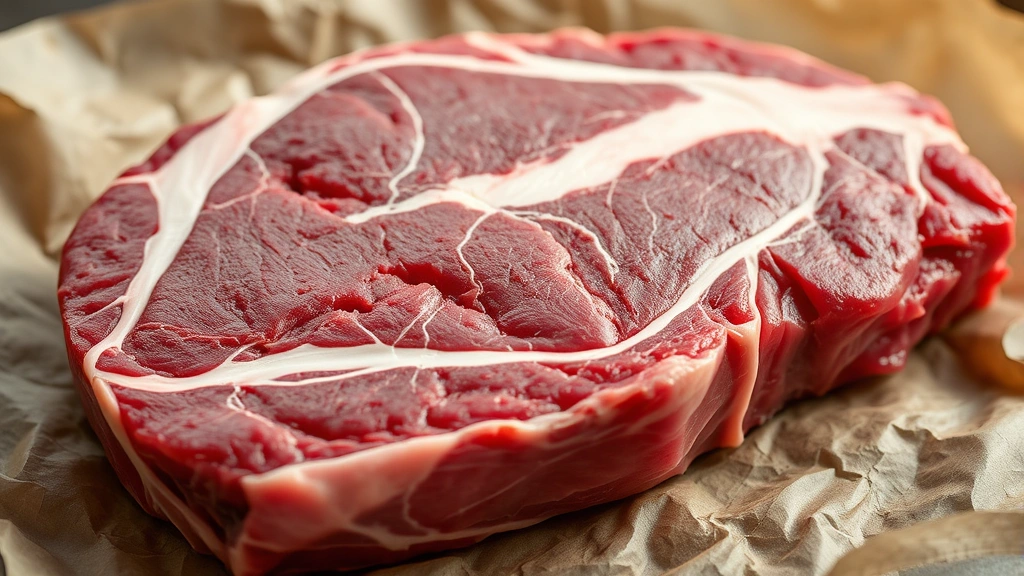
The foundation of any exceptional dish begins with ingredient selection, and ribeye roast is no exception. When shopping for your cut, look for a roast that weighs between 4 to 8 pounds—this size range ensures even cooking throughout. The key indicator of quality is marbling: those white fat lines running through the red meat. More marbling means more flavor and juiciness, as the fat renders during cooking and bastes the meat from within.
Choose a roast with a thick fat cap on one side, ideally between a quarter to half-inch thick. This protective layer shields the meat during the high-heat searing process and contributes to that coveted crust. Ask your butcher to remove any excessive exterior fat, but preserve that cap. When selecting between bone-in and boneless options, bone-in adds flavor and helps conduct heat more evenly, though boneless roasts are equally delicious and more manageable for carving.
Purchase your ribeye roast 1-2 days before cooking. This allows time for dry-aging in your refrigerator, a technique that concentrates flavors and improves texture. Store it uncovered on a plate in the coldest part of your fridge, allowing the surface to dry slightly—this promotes better browning during searing.
Essential Preparation Steps
Proper preparation is where most home cooks miss the mark. Remove your ribeye roast from the refrigerator 40-45 minutes before cooking. This crucial step, called bringing meat to room temperature, ensures even cooking from edge to center. A cold roast will cook unevenly, with the exterior overdone before the interior reaches the target temperature.
Pat the roast completely dry with paper towels. Moisture is the enemy of browning, so don’t skip this step. The drier the surface, the better the crust will develop. If you have time, let the patted-dry roast sit uncovered for 15-20 minutes after removing it from the fridge—this additional air exposure further dries the surface.
Position your oven rack to the lower-middle position and preheat to 450°F (232°C). This temperature is essential for creating a flavorful crust while allowing the interior to cook gently. Have all your equipment ready: an oven-safe skillet (cast iron or stainless steel), instant-read meat thermometer, and tongs for turning.
The Secret Seasoning Method
Here’s where the magic happens. The secret to perfect ribeye roast seasoning involves a two-stage approach that builds flavor complexity. Begin with kosher salt and freshly ground black pepper applied generously 40 minutes before cooking. This timing allows the salt to penetrate the meat and enhance its natural flavors through osmosis, rather than simply sitting on the surface.
Use about 1½ teaspoons of kosher salt per pound of roast and equivalent amounts of pepper. Don’t be timid—the surface should look generously seasoned. This initial seasoning creates the foundation for a magnificent crust.
Approximately 5 minutes before searing, add your second layer of seasonings. This is where personal preference enters: garlic powder, smoked paprika, dried thyme, and rosemary work beautifully. Mix these with a small amount of fresh minced garlic and high-smoke-point oil like avocado oil. Rub this mixture across the entire surface of the roast. The fresh garlic and oil add aromatic complexity while the dried herbs contribute depth without burning during the high-heat sear.
This two-stage seasoning technique ensures that the salt penetrates deep into the meat while the aromatic seasonings remain vibrant and don’t char excessively. Many home cooks apply all seasonings at once, resulting in burnt herbs and surface-only seasoning.
Cooking Technique Breakdown
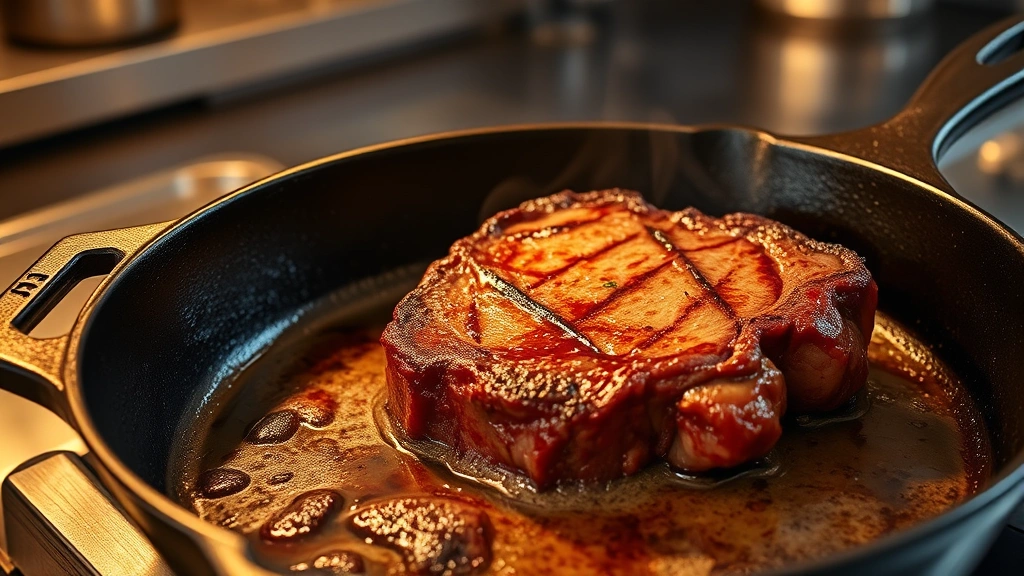
Heat your oven-safe skillet over medium-high heat until it’s smoking slightly—approximately 2-3 minutes. You want the surface extremely hot for proper searing. Place the seasoned ribeye roast in the skillet, fat-side down first. Let it sear without moving for 3-4 minutes until a deep brown crust forms. This Maillard reaction creates the complex flavors that define a premium roast.
Using tongs, carefully turn the roast and sear the opposite side for 2-3 minutes. Then sear the two long sides for about 1-2 minutes each. The goal is a golden-brown crust on all surfaces. If your roast has a thick fat cap, hold it upright with tongs and sear that edge as well for 1 minute.
Transfer the skillet to your preheated 450°F oven. For a medium-rare roast, cook until the internal temperature reaches 125°F (52°C) at the thickest part, away from any bones. This typically takes 20-30 minutes depending on thickness and your specific oven. Use an instant-read thermometer to check progress every 5-10 minutes after the first 15 minutes of cooking.
Understanding the carryover cooking effect is crucial. When you remove the roast from the oven at 125°F, it will continue cooking as it rests, rising to approximately 130-135°F (54-57°C)—perfect medium-rare. If you cook to 135°F in the oven, your final temperature will be 140°F (60°C), which crosses into medium. Remember this relationship when targeting your final temperature.
For medium doneness, aim for 135°F in the oven (final temperature around 145°F). For medium-well, target 145°F in the oven (final temperature around 150°F). Avoid cooking beyond medium-well, as you’ll lose the tenderness and juiciness that makes ribeye special.
Resting and Carving Guide
This is the step that separates good roasts from great ones. Remove the ribeye from the oven and place it on a warm cutting board. Loosely tent it with aluminum foil—don’t seal it tightly, as trapped steam will soften the crust you worked so hard to create.
Rest the roast for 15-20 minutes. During this time, the muscle fibers relax and reabsorb the juices that were driven toward the center during cooking. Cutting into the roast immediately after cooking causes these juices to run onto the plate instead of remaining in the meat. This resting period is non-negotiable if you want maximum juiciness.
While resting, the roast’s temperature will rise to your target final temperature. This is why the carryover cooking calculation matters so much. After resting, the exterior will have cooled slightly while the interior remains warm, creating that perfect temperature gradient.
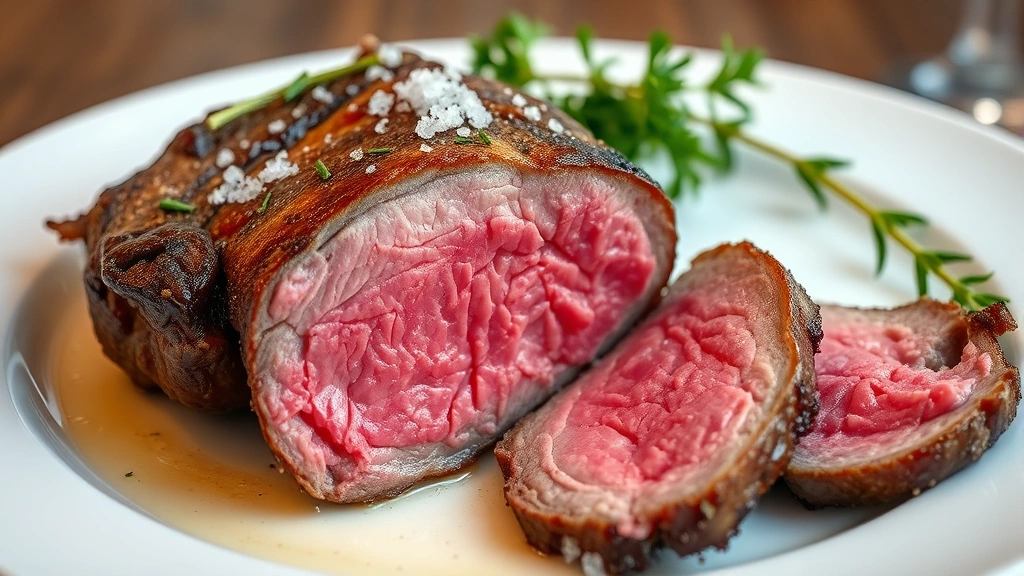
To carve, use a sharp carving knife and cut against the grain in thin slices, approximately ¼-inch thick. If your roast is bone-in, first remove the bones by cutting along the bone line with a flexible boning knife. Then carve the meat into individual slices. The thin slices showcase the beautiful pink center and make serving elegant and simple.
Serving Suggestions and Pairings
A perfect ribeye roast deserves equally impressive accompaniments. Consider pairing it with easy dinner recipes like creamed spinach or twice-baked potatoes that complement without overwhelming the beef’s natural flavors.
For sauce options, a simple red wine reduction works beautifully. Deglaze your cooking skillet with beef stock and red wine, then simmer until reduced by half. The pan drippings add incredible depth. Alternatively, a compound butter made with fresh herbs and garlic melts luxuriously over warm slices.
If you’re interested in exploring different cooking methods, you might reference our guide on how to grill steak perfectly for alternative preparation techniques. Similarly, if you enjoy mastering different cooking equipment, understanding how to use a pressure cooker expands your culinary toolkit for various cuts and preparations.
For side dishes, roasted root vegetables, creamed mushrooms, or a fresh arugula salad with lemon vinaigrette balance the richness beautifully. Yorkshire puddings are traditional and spectacular. If you’re planning a complete meal experience, you might even consider how to make homemade pasta as an elegant starch component.
Wine pairing is essential for elevating the experience. Full-bodied red wines like Cabernet Sauvignon, Bordeaux blends, or Côtes du Rhône complement the rich beef beautifully. The tannins in these wines cut through the fat and enhance the beef’s savory notes.
Serve the roast on warmed plates to maintain temperature. Provide fresh fleur de sel and a pepper mill at the table, allowing guests to season according to preference. The simplicity of perfectly cooked beef often means no additional seasoning is needed, but offering these options respects individual taste.
FAQ
What’s the difference between a ribeye roast and a ribeye steak?
A ribeye roast is a larger cut from the same primal section as ribeye steaks. Roasts typically weigh 4-8 pounds and serve multiple people, while steaks are individual portions. Both have the same marbling and flavor characteristics, but roasts require different cooking techniques to ensure even doneness throughout.
Can I cook a ribeye roast on the stovetop without finishing in the oven?
While you can cook entirely on the stovetop over low heat, this method is less reliable for achieving even doneness and a perfect crust simultaneously. The oven method provides superior heat distribution and more consistent results. If you must use stovetop only, reduce heat significantly after searing and cook slowly, checking temperature frequently.
How do I know when my ribeye roast is done without a meat thermometer?
While a thermometer is highly recommended for accuracy, you can use the touch method: medium-rare feels like the fleshy area between your thumb and index finger when your hand is relaxed. However, this method is unreliable for beginners. A quality instant-read thermometer costs $15-30 and eliminates guesswork.
What if my roast is uneven in thickness?
Tie a thinner roast with kitchen twine to create a more uniform shape, promoting even cooking. Alternatively, position the thicker portion toward the hotter part of the oven. Check temperatures in multiple locations (thickest and thinnest areas) to ensure proper doneness throughout.
Can I prepare the ribeye roast the night before?
Yes, this is actually beneficial. Season it the night before (the initial salt and pepper application) and refrigerate uncovered. This dry-ages the roast and allows deeper seasoning penetration. Remove from refrigeration 40-45 minutes before cooking as usual. Apply the secondary seasoning mixture just before searing.
How should I store leftover ribeye roast?
Store in an airtight container in the refrigerator for up to 4 days. Reheat gently in a 275°F oven until warmed through, approximately 15-20 minutes. Avoid microwaving, which can make the meat tough. Leftover slices are excellent in sandwiches or salads, and can be incorporated into various recipe preparations.
Why is my roast coming out dry?
Dryness typically results from overcooking or insufficient resting. Ensure you’re pulling the roast at 125°F for medium-rare, accounting for carryover cooking. Never skip the 15-20 minute resting period. Additionally, make sure you’re slicing against the grain and not serving with the cut-side down, which allows juices to drain.


