Ultimate Roasted Eggplant: Tried & True Recipe That Never Fails
Roasted eggplant is one of those transformative dishes that converts skeptics into believers. When prepared correctly, this humble vegetable develops a silky, creamy interior with caramelized edges that taste nothing like the mushy, bitter versions many people remember from childhood. The secret lies in proper preparation, temperature control, and understanding how eggplant behaves during the cooking process.
Whether you’re planning a Mediterranean-inspired dinner, building a vegetarian feast, or looking for a sophisticated side dish to complement your beef back ribs recipe, mastering roasted eggplant recipes will elevate your cooking repertoire. This guide walks you through everything you need to know about selecting, preparing, and roasting eggplant to perfection, complete with variations and troubleshooting tips.
Selecting the Perfect Eggplant
The foundation of exceptional roasted eggplant recipes begins with choosing the right vegetable. Look for eggplants that feel heavy for their size, with smooth, glossy skin and no soft spots or blemishes. The skin color should be deep purple (for the most common variety) with a slight sheen. Avoid eggplants that appear wrinkled or have dull skin, as these indicate age and potential bitterness.
Size matters when roasting eggplant. Medium eggplants (about 8-10 inches long) are ideal because they cook evenly and have fewer large seeds than oversized specimens. Smaller Japanese or Indian eggplants work beautifully too and require less cooking time. If you only have access to very large eggplants, they’ll still work, but you may need to increase roasting time slightly and watch carefully to prevent the outside from burning before the inside cooks through.
Consider the variety available at your market. While the classic purple globe eggplant is most common, Japanese eggplants, Italian striped varieties, and white eggplants all roast beautifully with slightly different textures and flavor profiles. Don’t hesitate to experiment with what’s in season at your local farmers market.
Preparation Techniques for Success
Proper preparation is crucial for achieving that coveted creamy interior. Start by washing your eggplants thoroughly under cool running water and patting them completely dry with paper towels. Moisture on the skin can cause steaming rather than roasting.
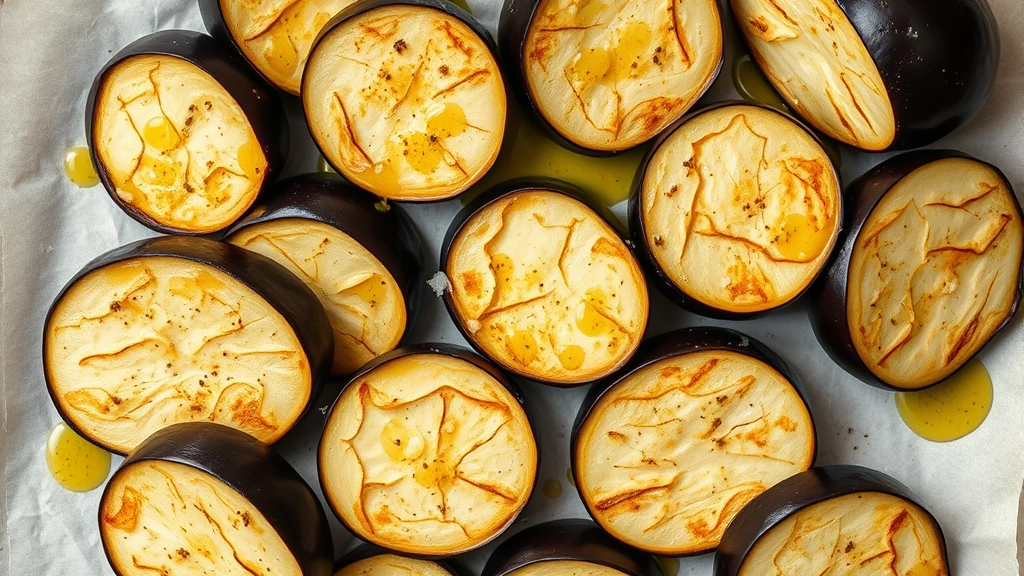
The traditional approach involves slicing eggplant lengthwise into quarter-inch-thick slabs. Use a sharp chef’s knife and apply steady, even pressure to create uniform thickness, which ensures consistent cooking. Some cooks prefer cutting eggplants into cubes or rounds, which works well but may require slightly adjusted cooking times.
Many classic roasted eggplant recipes call for salting the cut surfaces and allowing them to sit for 15-30 minutes. This process, called degorging, draws out excess moisture and reduces bitterness. After the rest period, gently pat the eggplant slices with paper towels to remove the liquid that has accumulated. This step is less critical with modern eggplant varieties, which are typically less bitter, but it remains an excellent technique for ensuring better texture and preventing waterlogged results.
Brush both sides of each eggplant slice generously with olive oil. Use a pastry brush or your fingers to ensure even coverage. This is non-negotiable—eggplant is a sponge and requires adequate oil to develop that creamy texture and prevent drying out. Plan on using about 3-4 tablespoons of olive oil per medium eggplant. Season immediately after oiling with sea salt and freshly ground black pepper.
The Ultimate Roasting Method
Preheat your oven to 425°F (220°C) for about 15 minutes before roasting. A properly heated oven is essential for developing caramelized edges and ensuring the eggplant cooks through without becoming mushy.
Arrange prepared eggplant slices on baking sheets in a single layer, avoiding overlap. If pieces touch, they’ll steam rather than roast. It’s better to use two baking sheets than to crowd one. For best results, line your baking sheets with parchment paper or silicone baking mats, which promote even browning and prevent sticking.
Roast for 25-35 minutes, depending on thickness and your oven’s characteristics. The eggplant is done when the flesh is completely tender when pierced with a fork and the edges are deeply golden brown or slightly charred. About halfway through roasting, flip each piece to ensure even browning on both sides. Watch carefully during the final 10 minutes, as eggplant can go from perfectly cooked to overdone quickly.
The key indicator of doneness is that the eggplant should be completely soft inside with no resistance when pressed gently. The outer edges should look caramelized and appetizing, with some browning that indicates the Maillard reaction has occurred—this is where incredible flavor develops.
Flavor Variations and Seasonings
While simple salt and pepper roasted eggplant is delicious, numerous flavor profiles work beautifully with this vegetable. Consider these approaches to create diverse roasted eggplant recipes:
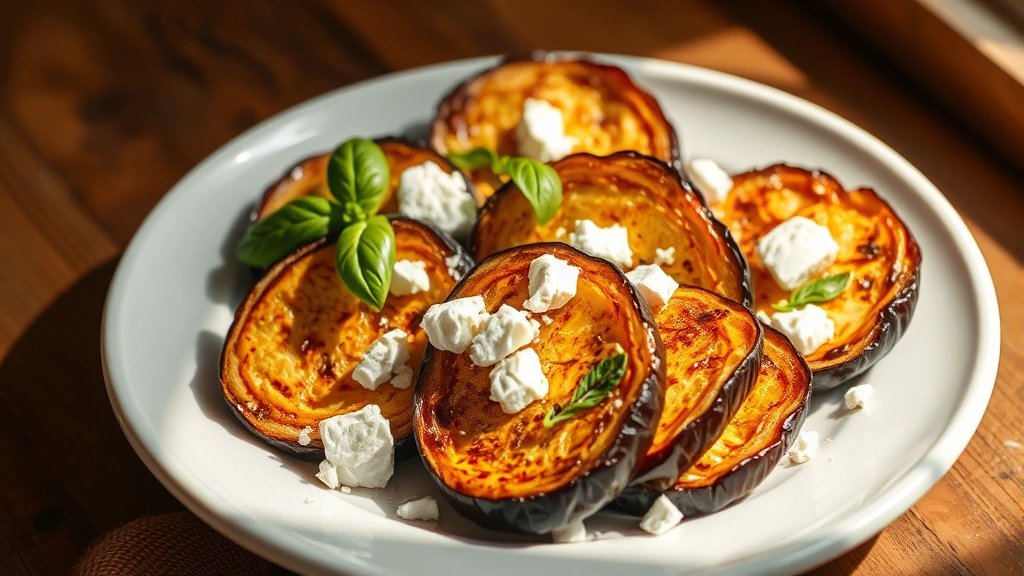
Mediterranean Style: Season before roasting with dried oregano, thyme, and garlic powder. After roasting, drizzle with balsamic vinegar and sprinkle with fresh basil and crumbled feta cheese. This pairs wonderfully alongside boneless short ribs recipe for an interesting meat-and-vegetable combination.
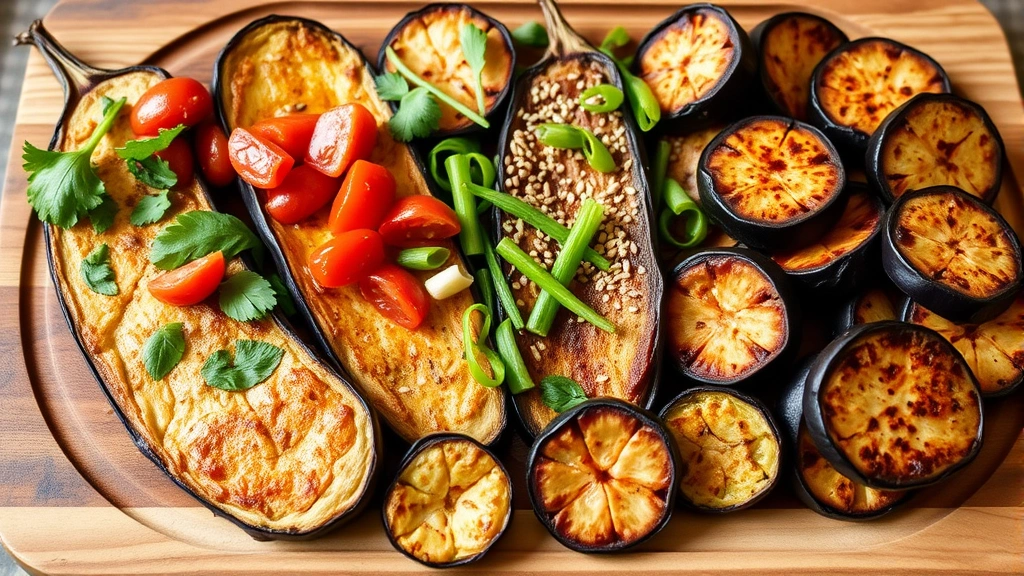
Asian-Inspired: Brush eggplant with a mixture of soy sauce, sesame oil, and rice vinegar before roasting. After cooking, garnish with sesame seeds, sliced green onions, and a drizzle of sriracha for heat.
Smoky Spiced: Combine smoked paprika, cumin, and a pinch of cayenne pepper with your olive oil before coating the eggplant. This approach creates depth and complexity, reminiscent of roasting techniques used in smoked meatloaf recipe applications.
Garlic and Herb: Mince fresh garlic and combine with chopped fresh herbs like parsley, basil, or rosemary. Brush this mixture onto eggplant slices before roasting. The herbs will crisp slightly, adding wonderful texture.
Cajun-Spiced: Create a spice blend using paprika, cayenne, garlic powder, onion powder, dried thyme, and oregano. This works particularly well if you’re serving roasted eggplant alongside spiced meat dishes or as part of a Louisiana-inspired meal.
Experiment with spice blends like hamburger seasoning recipe adaptations—many savory spice combinations work beautifully with roasted eggplant when adjusted for the vegetable’s delicate flavor.
Serving Suggestions and Pairings
Roasted eggplant is remarkably versatile and works in numerous contexts. Serve it as a standalone side dish, drizzled with quality olive oil and fresh herbs. It’s excellent at room temperature, making it perfect for entertaining when you need dishes that don’t require last-minute attention.
Layer roasted eggplant slices with tomato sauce, ricotta, and mozzarella to create a simplified eggplant parmesan that’s lighter than traditional versions. Arrange slices on a platter with roasted red peppers, fresh mozzarella, and basil for a composed vegetable dish that looks restaurant-quality.
Chop roasted eggplant and fold it into grain bowls with quinoa, farro, or couscous, adding nuts, dried fruit, and vinaigrettes for complete meals. Create caponata by combining chopped roasted eggplant with tomatoes, capers, olives, and a red wine vinegar-based dressing—this Sicilian dish improves with time and stores beautifully.
Roasted eggplant makes an excellent vegetarian element in mixed grills or alongside proteins. It complements easy sloppy joe recipe preparations as a sophisticated side, or layer it in sandwiches and wraps for vegetarian options at casual meals.
For Mediterranean platters, arrange roasted eggplant alongside hummus, olives, fresh vegetables, and cheeses. It’s excellent in mezze spreads and works beautifully in composed salads with other roasted vegetables, grains, and proteins.
Storage and Make-Ahead Tips
Roasted eggplant keeps well in the refrigerator for up to five days when stored in an airtight container. Allow it to cool to room temperature before storing to prevent condensation. You can enjoy it cold or gently reheat it in a 350°F oven for about 10 minutes, though room temperature serving is often preferable.
For longer storage, roasted eggplant freezes successfully for up to three months. Cool completely, arrange in a single layer on a baking sheet, freeze until solid, then transfer to freezer bags. Thaw in the refrigerator before reheating. Texture may be slightly softer after freezing, so consider using frozen eggplant in applications like caponata, eggplant parmesan, or layered dishes rather than serving it as a standalone side.
You can prepare eggplant for roasting several hours ahead. Slice, salt if desired, and store in the refrigerator covered with plastic wrap. This allows you to roast it fresh when needed. If you’ve already roasted eggplant and have leftovers, incorporate them into other meals throughout the week rather than serving the same preparation repeatedly.
Make-ahead roasted eggplant is excellent for meal prep. Roast a large batch at the beginning of the week and portion it into containers. Use it in different applications throughout the week—Mediterranean one day, Asian-inspired another, in grain bowls later in the week.
For optimal results with bottom round roast recipe dinners or other special meals, roast eggplant fresh rather than reheating previously frozen pieces, as the texture is noticeably superior.
FAQ
Why is my roasted eggplant mushy?
Mushiness typically results from overcooking or insufficient oil. Ensure you’re using adequate olive oil and watching roasting time carefully. Eggplant that’s too thick or too thin will also cook unevenly. Aim for consistent quarter-inch thickness and remove from the oven as soon as the flesh is tender—don’t wait for extreme browning if the texture is already soft.
Should I peel eggplant before roasting?
The skin contains valuable nutrients and helps hold the eggplant together during roasting. Leave it on for the best results. If you prefer peeled eggplant, peel before slicing and proceed with the same roasting method, though peeled pieces may cook slightly faster.
Can I roast eggplant whole?
Yes, roasting whole eggplants is an excellent technique. Prick several times with a fork, brush with oil, and roast at 400°F for 45-60 minutes until completely soft. Cool slightly, then scoop the flesh from the skin. This method produces very creamy eggplant ideal for baba ganoush or other purees.
What’s the difference between roasting and grilling eggplant?
Both methods work beautifully but produce different results. Roasting creates a more evenly cooked, creamy interior with caramelized edges all over. Grilling produces charred marks and slightly firmer texture with concentrated flavor on the grill lines. Choose based on your desired outcome and available equipment.
How do I know if my eggplant is fresh?
Fresh eggplant feels heavy and firm with glossy, unblemished skin. Avoid eggplants with soft spots, wrinkled skin, or dull appearance. Use eggplant within 3-4 days of purchase for best quality, though they store in the refrigerator for up to a week.
Can I use less oil when roasting eggplant?
Eggplant requires adequate oil to develop proper texture and prevent drying. While you can use slightly less than suggested, using too little results in tough, dry results. Consider this a non-negotiable element of successful roasted eggplant recipes.


