Sangrai Recipes: Authentic Flavors Unveiled!
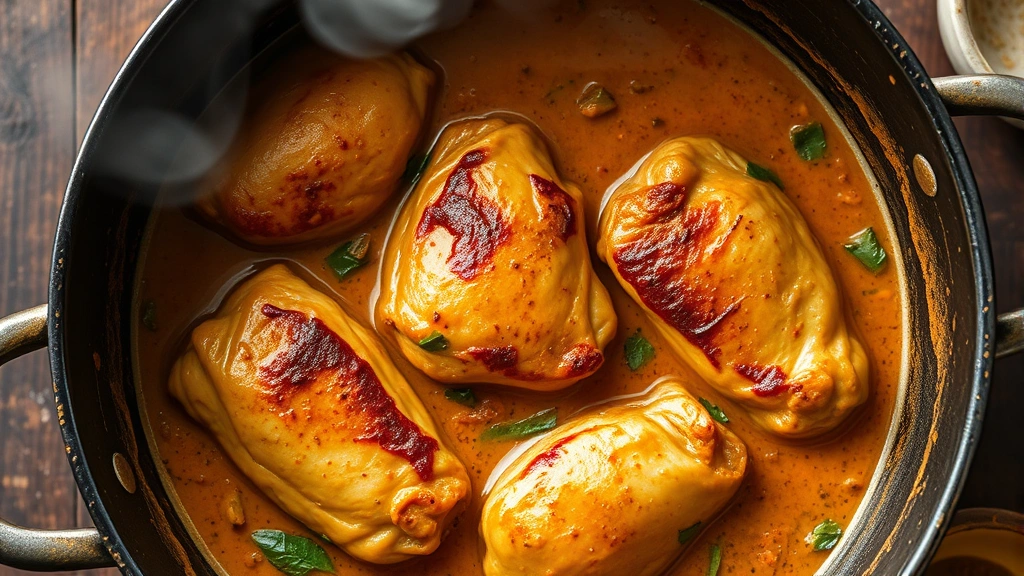
Sangrai cooking represents a fascinating culinary tradition that celebrates bold spice combinations, tender proteins, and deeply layered flavors. This ancient technique has roots in Southeast Asian cuisine, where slow-cooking methods transform simple ingredients into extraordinary dishes. Whether you’re exploring smothered chicken preparations or discovering new ways to work with proteins, sangrai recipes offer an accessible entry point into authentic, restaurant-quality cooking at home.
The beauty of sangrai recipes lies in their versatility and forgiving nature. These dishes accommodate various skill levels, from complete beginners to seasoned home cooks. The slow-braising approach ensures that even tougher cuts of meat become succulent and flavorful. Understanding the core principles of sangrai cooking opens doors to countless variations you can customize based on your pantry, dietary preferences, and taste preferences.
What Is Sangrai Cooking?
Sangrai is a traditional cooking method that emphasizes slow-cooking proteins in aromatic pastes and broths. The name itself derives from techniques used in Thai and Southeast Asian cuisines, where ingredients are layered to build complex flavor profiles. Unlike quick stir-fries, sangrai recipes develop their character through patient, low-heat braising that allows spices to infuse thoroughly into the meat.
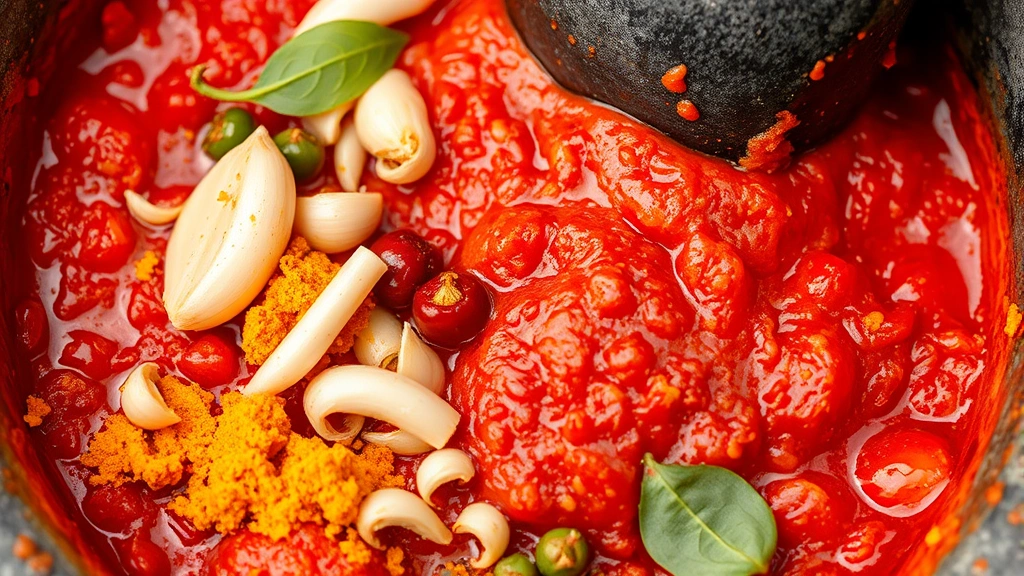
The fundamental principle behind sangrai cooking involves creating a flavorful base—typically made from garlic, shallots, chilies, and spices—then using this paste to coat and cook proteins slowly. The extended cooking time serves multiple purposes: it breaks down connective tissues in meat, allows flavors to meld completely, and creates a rich, concentrated sauce that clings to every bite.
This technique shares similarities with slow-cooker cooking methods, making it perfect for busy home cooks who want impressive results without constant attention. The hands-on time is minimal, while the flavor payoff is substantial.
Essential Ingredients for Authentic Sangrai
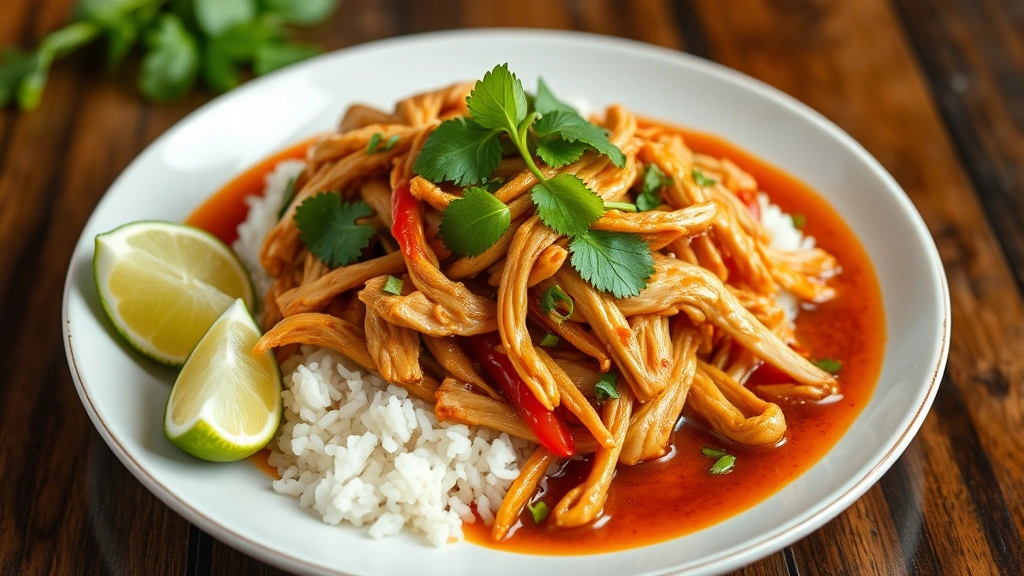
Building authentic sangrai dishes begins with understanding the core ingredients that define this cuisine. Quality spices and aromatics form the foundation of every successful sangrai recipe.
The Spice Blend Foundation
The heart of sangrai cooking relies on a carefully balanced spice paste. Essential components include:
- Garlic—Use fresh bulbs, minced or crushed to release maximum flavor oils
- Shallots—These provide sweetness and depth that regular onions cannot match
- Fresh chilies—Thai, serrano, or bird’s eye varieties deliver authentic heat levels
- Galangal—This rhizome adds a distinctive peppery, slightly medicinal note
- Lemongrass—Contributes citrus brightness and aromatic complexity
- Turmeric—Provides earthy warmth and natural color
- Coriander—Ground seeds add subtle sweetness and depth
- Cumin—Brings warmth and a slightly nutty undertone
Protein and Liquid Components
The choice of protein dramatically influences your final dish. Chicken thighs work exceptionally well because their higher fat content remains moist during long cooking. You can also use beef chuck, pork shoulder, or even shredded chicken for quicker variations. Coconut milk, chicken broth, or a combination of both creates the cooking liquid that becomes your final sauce.
Aromatic Additions
Fish sauce, tamarind paste, and palm sugar round out the flavor profile. These ingredients might seem unfamiliar, but they’re available at most Asian markets and increasingly at mainstream grocery stores. Each contributes essential umami, tanginess, or subtle sweetness that makes sangrai recipes taste authentically complex.
Classic Sangrai Chicken Recipe
This foundational recipe serves 4-6 people and takes approximately 1.5 hours from start to finish.
Ingredients You’ll Need
- 2 pounds chicken thighs, skin-on and bone-in
- 6 cloves garlic, peeled
- 4 shallots, roughly chopped
- 3 Thai chilies, stems removed
- 1 tablespoon fresh turmeric (or 1 teaspoon ground)
- 1 tablespoon galangal, sliced
- 2 stalks lemongrass, white parts only, sliced
- 1 teaspoon ground coriander
- 1 teaspoon ground cumin
- 1 can (14 oz) coconut milk
- 1 cup chicken broth
- 2 tablespoons fish sauce
- 1 tablespoon tamarind paste
- 1 tablespoon palm sugar
- 2 tablespoons oil
- Salt and pepper to taste
- Fresh basil and cilantro for garnish
Step-by-Step Instructions
- Create the spice paste: Combine garlic, shallots, chilies, turmeric, galangal, and lemongrass in a food processor. Pulse until you achieve a coarse, wet paste. This should take 2-3 minutes. Add a splash of water if needed to help the processor work smoothly.
- Toast dry spices: In a small dry skillet, toast coriander and cumin over medium heat for 1-2 minutes until fragrant. Add these to your spice paste and stir thoroughly to combine.
- Sear the chicken: Heat oil in a large Dutch oven or heavy-bottomed pot over medium-high heat. Working in batches if necessary, sear chicken pieces skin-side down for 4-5 minutes until golden brown. Flip and sear the other side for 3 minutes. Remove chicken and set aside on a plate.
- Cook the paste: In the same pot with residual chicken fat, add your spice paste. Cook over medium heat for 5-7 minutes, stirring frequently. This step, called blooming, releases the essential oils in the spices and deepens their flavors. You should smell an intensely aromatic mixture.
- Combine liquids: Pour in coconut milk and chicken broth. Stir in fish sauce, tamarind paste, and palm sugar. Bring to a gentle simmer and taste. Adjust seasonings—you want a balance of salty, sour, sweet, and spicy elements.
- Return chicken and braise: Place chicken pieces back into the pot, skin-side up if possible. Reduce heat to low and cover partially. Braise for 45-60 minutes until chicken is incredibly tender and meat pulls away from bones easily.
- Final adjustments: Taste the sauce and adjust seasonings. If too thin, increase heat and simmer uncovered for 10 minutes. If too concentrated, add more broth. The sauce should coat a spoon.
- Serve: Garnish with fresh basil and cilantro. Serve over jasmine rice to capture every drop of sauce.
Sangrai with Shredded Proteins
For quicker weeknight dinners, consider using shredded chicken in sangrai preparations. This approach cuts cooking time significantly while maintaining authentic flavors.
Quick Shredded Sangrai Method
Start with rotisserie chicken or pre-cooked shredded chicken. Make your spice paste exactly as described above, but reduce simmering time to just 20-30 minutes. The spices still bloom beautifully, and the coconut milk still develops richness. Simply add shredded chicken in the final 10 minutes to warm through and absorb flavors.
This technique works wonderfully for breakfast-inspired rice bowls topped with a fried egg, or as a filling for tacos and wraps. The shorter cooking time makes this perfect for busy schedules without sacrificing the complex flavors that define authentic sangrai cooking.
Cooking Techniques and Methods
Different cooking vessels and techniques produce slightly different results, though all maintain sangrai authenticity.
Stovetop Braising
Traditional stovetop braising offers maximum control over temperature and allows you to monitor the cooking process. Use a heavy-bottomed Dutch oven or pot with a tight-fitting lid. Maintain a gentle simmer rather than a rolling boil—this preserves the delicate spice flavors and prevents proteins from becoming tough.
Slow Cooker Adaptation
For true hands-off cooking, adapt sangrai recipes for slow cookers. Sear chicken on the stovetop first, then transfer to your slow cooker with the spice paste and liquids. Cook on low for 6-8 hours or high for 3-4 hours. The extended gentle heat produces incredibly tender results, though you’ll want to finish the dish by reducing the sauce on the stovetop for concentration.
Instant Pot Method
Pressure cooking accelerates the process dramatically. Sauté the spice paste for 3 minutes using the sauté function, then add chicken and liquids. Cook on high pressure for 20 minutes for bone-in chicken, or 10 minutes for boneless pieces. Quick release the pressure and finish by simmering uncovered if sauce needs concentration.
Flavor Variations Across Regions
Sangrai cooking varies significantly across Southeast Asia. Understanding these regional differences allows you to explore authentic variations.
Thai-Inspired Sangrai
Thai versions emphasize fresh herbs, particularly Thai basil, and incorporate more chilies for heat. These recipes often include more coconut milk and less broth, creating a richer, creamier sauce. Pad Thai-influenced sangrai might include tamarind and palm sugar in greater quantities for distinctive sweet-sour balance.
Malaysian Rendang Style
Malaysian sangrai recipes, particularly rendang variations, reduce the liquid significantly until the sauce becomes thick and clingy. This requires longer cooking and more frequent stirring but produces an intensely flavorful coating. These versions often include more galangal and ginger for warming spice.
Indonesian Influences
Indonesian sangrai incorporates greater spice complexity, often adding nutmeg, cloves, and cinnamon. These recipes might use more turmeric and feature peanut paste for added richness and nuttiness. The cooking time extends even longer to allow these warm spices to fully integrate.
Serving Suggestions and Pairings
Sangrai dishes shine when paired thoughtfully with complementary sides and condiments.
Rice Foundations
Jasmine rice remains the classic pairing, its delicate fragrance complementing rather than competing with sangrai spices. Coconut rice, where jasmine rice cooks in coconut milk, adds richness that echoes the sauce. For lower-carb alternatives, cauliflower rice works admirably, though it won’t absorb sauce quite as effectively.
Vegetable Accompaniments
Steamed bok choy, blanched broccoli, or sautéed snap peas provide textural contrast and balance the richness. Cucumber slices with a light vinegar dressing offer cooling brightness. Roasted vegetables like eggplant or zucchini work beautifully, their mild flavors allowing sangrai spices to remain the star.
Condiment Enhancements
Serve with fresh lime wedges—the acidity brightens the dish and adds complexity. Sriracha or sambal offers additional heat for those who desire it. Toasted coconut flakes, crushed peanuts, and fresh herb bundles (cilantro, Thai basil, mint) allow diners to customize their experience.
FAQ
Can I make sangrai recipes ahead of time?
Absolutely! Sangrai dishes actually improve when made 1-2 days ahead. The flavors continue melding and deepening. Store in an airtight container in the refrigerator for up to 4 days. Reheat gently on the stovetop, adding a splash of broth if the sauce has thickened too much during storage.
What if I can’t find certain ingredients like galangal or lemongrass?
While these ingredients contribute authentic flavor, substitutions work in a pinch. Ginger can replace galangal (though the flavor profile changes slightly). For lemongrass, use lemon zest or a combination of lemon juice and lime zest. Online retailers and Asian markets increasingly stock these items, making them easier to source than ever.
Is sangrai cooking suitable for dietary restrictions?
Sangrai recipes adapt beautifully to various diets. For vegetarian versions, substitute tofu or chickpeas for meat and use vegetable broth instead of chicken broth. Gluten-free diets require simply checking that your fish sauce and other condiments don’t contain hidden gluten. Dairy-free cooking works naturally since coconut milk already replaces dairy.
How spicy are authentic sangrai recipes?
Heat levels vary significantly based on the number of chilies used. The recipe provided above uses 3 Thai chilies for moderate spice. Reduce to 1-2 for milder versions or increase to 5-6 for intense heat. Remember that heat builds during cooking, so taste before serving and adjust with additional chilies if desired.
Can I freeze sangrai dishes?
Yes! Sangrai freezes excellently for up to 3 months. Cool completely before transferring to freezer-safe containers. Thaw overnight in the refrigerator and reheat gently on the stovetop. The flavors remain vibrant and complex after freezing, making this an excellent meal-prep option.
What’s the difference between sangrai and curry?
While both use similar spice pastes and cooking methods, sangrai typically emphasizes braising meat in a reduced sauce until incredibly tender, while curries often feature more liquid and vegetables cooked throughout. Sangrai focuses on the protein-sauce relationship, whereas curries create more balanced vegetable-protein-sauce compositions.


