Schedule 1 Recipes? Expert Guidance for Meal Planning Success
Meal planning doesn’t have to be complicated, but having a structured approach can transform your kitchen routine. Whether you’re a busy professional, a parent managing family dinners, or someone who simply wants to eat better, understanding how to schedule recipes into your weekly routine is the key to consistent, delicious home-cooked meals. Schedule 1 recipes represent a foundational approach to meal organization—starting with one strategic plan that builds momentum and confidence in the kitchen.
The concept of scheduling recipes goes beyond just writing down what you’ll cook; it’s about creating a sustainable system that considers your lifestyle, available ingredients, and cooking skill level. When you master the basics of recipe scheduling, you’ll find yourself wasting less food, spending less money at the grocery store, and enjoying meals that actually align with what your household wants to eat.
Understanding Recipe Scheduling Fundamentals
Recipe scheduling is the practice of planning which meals you’ll prepare on specific days, considering factors like cooking time, ingredient availability, and your energy levels throughout the week. The “Schedule 1” approach means you’re starting with one core meal plan—typically a week’s worth of dinners—rather than trying to overhaul your entire eating pattern at once.
The foundation of successful recipe scheduling rests on three pillars: knowledge of your kitchen capabilities, understanding ingredient seasonality and availability, and honest assessment of your available time. When you align these three elements, you create a realistic plan you’ll actually follow.
Many home cooks fail at meal planning because they schedule recipes that sound appealing but don’t match their actual lifestyle. If you work long hours, scheduling a recipe requiring three hours of active cooking on a weeknight sets you up for failure. Instead, Schedule 1 recipes should be chosen strategically based on your real constraints.
Start by categorizing recipes into time-based buckets: quick weeknight meals (under 30 minutes), moderate-effort recipes (30-60 minutes), and weekend projects (over 60 minutes or requiring advance preparation). This framework helps you distribute your cooking load logically across the week.
Creating Your First Weekly Schedule
Your first weekly recipe schedule should include five to seven dinner recipes, depending on whether you eat out, have leftovers, or order takeout on certain nights. The structure matters as much as the recipes themselves.
Monday through Wednesday should feature your quickest recipes. These are typically the days when motivation is lowest and work stress is highest. Consider a simple breakfast-for-dinner approach on Monday, a pasta-based dish on Tuesday, and a sheet pan meal on Wednesday. These formats minimize cleanup and mental energy.
Thursday is your transition day—you’re past the midweek slump but not quite to the weekend. This is an ideal time for a moderate-effort recipe that feels a bit special but isn’t overly demanding. A stir-fry, slow cooker meal, or one-pot dish works beautifully here.
Friday and Saturday are your opportunity for slightly more ambitious recipes. People have more energy and time on weekends. This is when you might tackle something like homemade bread, a more elaborate main course, or a recipe requiring multiple components.
Sunday should include at least one batch-cooking or meal-prep activity that sets you up for the following week. Many successful home cooks roast vegetables, cook grains, or prepare proteins on Sunday afternoon.
Essential Recipes to Start With

When beginning your Schedule 1 plan, anchor your week with recipes that are forgiving, adaptable, and genuinely delicious. These foundational recipes become your safety net—dishes you can make well and enjoy repeatedly without boredom.
Pasta-based dishes are excellent Schedule 1 recipes because they’re quick, economical, and infinitely variable. A basic marinara sauce can be topped with different proteins or vegetables throughout the month. Learn to make a proper cornbread or simple grain dish as an accompaniment to round out the meal.
Sheet pan dinners deserve a permanent spot in your rotation. The appeal is straightforward: one pan, minimal cleanup, and built-in portion control. Arrange protein, vegetables, and seasoning on a pan, roast at high heat, and dinner is ready in 30-40 minutes. Rotate between chicken, fish, and vegetables weekly.
Slow cooker or instant pot recipes are invaluable for busy days. You can prepare ingredients in the morning, set the appliance, and arrive home to a finished meal. Chili, stews, and braises are particularly suited to this method.
Rice and grain bowls provide structure and flexibility. Cook a batch of rice or quinoa, prepare 2-3 proteins, and have 4-5 vegetable options ready. Family members can customize their bowls based on preferences, and you’ve essentially created multiple meals from one cooking session.
Breakfast-for-dinner recipes shouldn’t be underestimated. Frittatas, scrambles, and pancakes are quick, satisfying, and feel like a treat to most people. Pair with a simple glaze or fresh fruit to elevate the meal.
For desserts and treats that fit into your schedule, having a go-to recipe like easy fudge means you’re never caught without something homemade to serve.
Ingredient Prep and Timing Strategies
Successful recipe scheduling depends heavily on ingredient preparation. You can have excellent recipes selected, but if your ingredients aren’t ready, you’ll abandon the plan.
Mise en place—having everything in place—is non-negotiable for Schedule 1 success. The evening before cooking, wash and chop vegetables, measure spices, and gather equipment. This ten-minute investment prevents the common scenario where you start cooking, realize you need to chop an onion, and suddenly the recipe takes 45 minutes instead of 30.
Create a prep schedule aligned with your recipes. If Monday’s recipe requires diced bell peppers and Wednesday’s uses whole peppers, prep the diced ones Sunday and leave the whole ones for Wednesday morning. This prevents waste and ensures ingredients are at peak freshness when needed.
Understand the relationship between recipes in your schedule. If Tuesday’s pasta sauce uses fresh basil and Thursday’s stir-fry uses the same herb, buy enough basil for both meals rather than purchasing separately. This intentional planning reduces waste and saves money.
Temperature and equipment management matter significantly. If your oven is occupied with one recipe, you can’t simultaneously cook another. Schedule recipes that use different cooking methods on the same day to maximize efficiency. For example, pair a stovetop pasta with an oven-roasted vegetable side, not two oven-dependent recipes.
Consider cooking times realistically. Add five minutes to every recipe’s estimated time—this accounts for human variables like reading the recipe carefully or locating equipment. A recipe claiming 20 minutes often takes 25-30 minutes in real kitchens.
Tools and Systems for Success
The right tools and systems transform recipe scheduling from an abstract concept into a practical reality. You don’t need expensive equipment, but you do need organization.
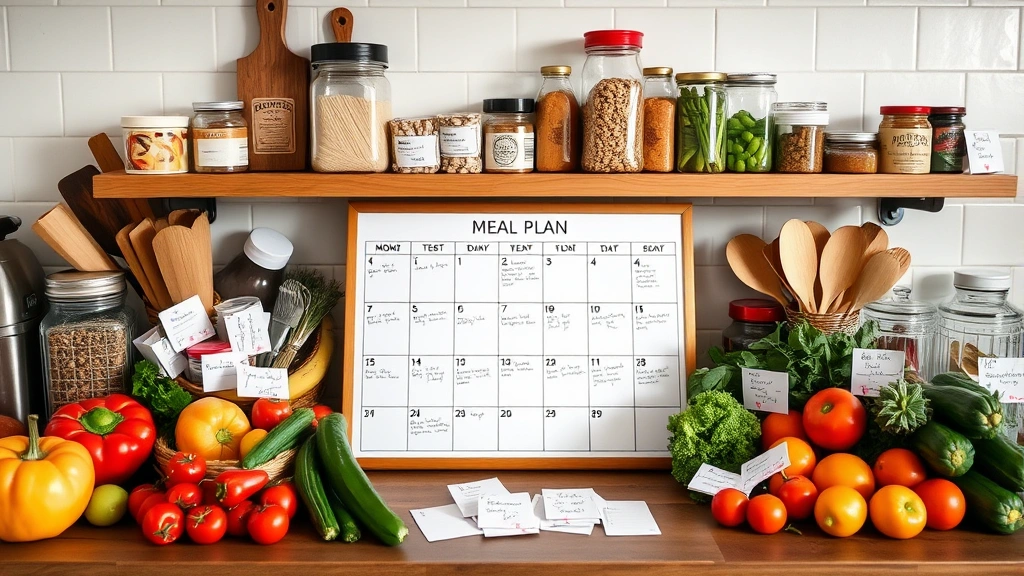
A simple calendar system is your first tool. This might be a physical wall calendar, a shared digital calendar, or a meal planning app. The format matters less than consistency. Write your scheduled recipes in the same place every week, making it visible to everyone who needs to know what’s for dinner.
Develop a grocery list system that connects directly to your scheduled recipes. Many people photograph their recipe selections or copy ingredients into a single list, organized by store section (produce, dairy, meat, pantry). This prevents purchasing duplicate items and forgotten ingredients.
Keep a well-organized pantry with clear visibility of what you have. When you can see your spices, oils, and dry goods easily, you’re more likely to reference them when selecting recipes. Conversely, if you can’t see what you have, you’ll buy duplicates and waste money.
Create a simple recipe card system with your Schedule 1 recipes. Include ingredient lists, step-by-step instructions, and timing notes. Physical cards are easier to reference while cooking than scrolling on a phone, and they’re less likely to be interrupted by notifications.
Consider using external resources like Serious Eats for technique-focused recipes and Bon Appétit Magazine for inspiration and variations on classic dishes. These resources help you understand the “why” behind recipes, not just the “how,” which makes you a more confident cook.
Common Scheduling Mistakes to Avoid
Mistake 1: Over-ambition in week one. Many people create a Schedule 1 plan with seven complex recipes, then abandon it by Wednesday. Start with recipes you’re confident making. Success builds momentum; failure kills motivation.
Mistake 2: Ignoring dietary preferences and restrictions. A beautifully planned schedule means nothing if half your household dislikes the foods you’ve chosen. Include everyone’s preferences in your planning, or expect resistance and wasted food.
Mistake 3: Not accounting for leftovers. If you cook for four people but schedule seven full recipes, you’ll have excessive leftovers or waste. Calculate portion sizes and plan accordingly. Leftovers are valuable—they’re tomorrow’s lunch or the base for a new meal.
Mistake 4: Scheduling recipes with ingredients you can’t find. Exotic ingredients can be fun, but not when they derail your schedule. Start with recipes using common, readily available ingredients. Build toward more specialized recipes once you’re comfortable with the scheduling process itself.
Mistake 5: Failing to build in flexibility. Life happens. Someone gets sick, plans change, or you’re simply exhausted. A good Schedule 1 plan includes one “flex” meal—something very simple you can make with minimal effort, or a predetermined takeout option. This prevents the entire schedule from collapsing.
Mistake 6: Not reviewing and adjusting. After your first week, evaluate what worked and what didn’t. Which recipes took longer than expected? Which were surprisingly quick? What did everyone enjoy? Use this information to refine your schedule continuously.
Mistake 7: Underestimating prep time. Seasoning, plating, and cleanup take longer than most people anticipate. If a recipe lists 30 minutes, plan for 45 minutes from start to table. This realistic timeline prevents frustration.
FAQ
How often should I change my Schedule 1 recipes?
Most experts recommend keeping a core rotation of 7-10 recipes for 4-6 weeks before making significant changes. This allows you to become efficient at preparing them while building confidence. After that period, introduce one or two new recipes while keeping familiar favorites. Gradual change prevents both boredom and overwhelm.
What if my household has conflicting food preferences?
Build flexibility into your recipes. If someone doesn’t eat meat, plan recipes where protein is separate (like rice bowls) rather than incorporated. Choose recipes with components that can be customized. For example, a taco night accommodates various preferences naturally. Communicate expectations clearly with your household.
Can I use frozen or pre-prepared ingredients in my Schedule 1 plan?
Absolutely. Frozen vegetables, pre-cooked grains, and rotisserie chicken are valuable tools for efficient meal planning. They reduce prep time significantly without compromising quality. The goal is eating well, not proving your cooking prowess through every ingredient being from scratch.
How do I handle recipes that require marinating or advance preparation?
Schedule these recipes strategically. If a recipe requires overnight marinating, prepare it the evening before serving. This requires planning, but the advance work is minimal—usually just mixing ingredients and placing them in the refrigerator. Your cooking time on the actual serving day is reduced, making it feasible for busy schedules.
What’s the best way to handle grocery shopping for my scheduled recipes?
Shop once per week using a consolidated list organized by store sections. Review your schedule before shopping to ensure you’re buying exactly what you need. Check your pantry first—you may already have some items. Consider shopping the perimeter of the store first (produce, meat, dairy) where most whole foods are located, then visit the center aisles for pantry items.
How can I scale recipes for different household sizes?
Learn basic multiplication and division for recipe scaling. If a recipe serves four and you need six servings, multiply all ingredients by 1.5. If you need two servings, divide by two. Keep a simple calculator in your kitchen. The Spruce Eats offers excellent scaling guides for common recipes. Write scaled quantities on your recipe cards for quick reference.
Should I meal prep all ingredients on Sunday?
Full meal prep (cooking complete meals) works for some people but feels restrictive to others. A middle path—prepping ingredients without fully cooking meals—maintains flexibility while saving weeknight time. Wash and chop vegetables, cook grains, and prepare proteins, but assemble meals fresh. This approach balances convenience with quality.
What if I don’t like planning that far ahead?
You don’t need to plan a full month. Start with planning just one week. As you become comfortable, you might plan two weeks ahead. The key is having some structure rather than deciding each night what to cook. Even loose planning beats daily scrambling.
How do I prevent food waste in my Schedule 1 plan?
Buy only what your schedule requires. Check what you already have before shopping. Plan recipes that share ingredients—if two recipes use cilantro, buy enough for both. Store produce properly (some items need refrigeration, others don’t). Use a “use first” section in your fridge for items nearing the end of freshness. Consider how you’ll use leftovers before cooking.
Are there resources to help me learn cooking techniques for Schedule 1 recipes?
Yes. Culinary Schools offers educational resources. Food Science organizations explain the science behind cooking methods. Chef blogs and YouTube channels provide technique demonstrations. Watching someone execute a technique is often more helpful than reading instructions. Invest time in learning properly—it multiplies your confidence across all recipes.


